





Calorie-free artificial sweeteners have become an integral part of the modern diet, especially among people trying to reduce sugar intake and control weight.
The common types we have known well for many years are:
Saccharin – a very old synthetic sweetener that is not broken down in the body and does not provide calories. Some studies have found a link between it and changes in gut microbiota composition and a possible effect on glucose tolerance.
Sucralose – a chemical derivative of sugar that has undergone structural modification so that it is barely absorbed by the body. There is evidence that in certain doses it may affect insulin response and gut bacteria.
Aspartame – composed of two amino acids and a small amount of methanol, and therefore is broken down in the body. It is not suitable for people with phenylketonuria, and there is controversy regarding its possible effects on the nervous system and metabolism.
In 2023, IARC classified it as “possibly carcinogenic” (Group 2B), meaning there are only weak indications and no clear proof that it is carcinogenic.
Acesulfame K – a heat-stable synthetic sweetener, often used in combination with other sweeteners. It has been studied less over time, and there is preliminary evidence for possible effects on metabolism.
Cyclamate – a very strong synthetic sweetener that is not broken down in the body, used in many countries but previously banned in the United States. Some studies have raised concerns about effects on the microbiome and metabolic processes, but the data is not conclusive.
It is important to say – these are names of chemical substances, not of a specific company. For example, the company “Sugarazit” produces saccharin, products with sucralose, cyclamate, and more. The company name does not indicate the substance inside the product you purchased.
Effect on gut bacteria and insulin resistance
One of the most influential studies in the field was published in 2014 in the journal Nature. In this study, the effect of saccharin on gut bacteria and the body’s response to glucose was examined. The researchers gave participants saccharin for several days and found that in some of them, impaired glucose tolerance developed.
In addition, when the gut bacteria from those participants were transferred to mice, a similar impairment also appeared in them.
The conclusion was that the sweetener itself does not act only through the digestive system, but changes the composition of the microbiome, thereby affecting metabolism.
Another study that examined the link to insulin resistance was published in 2020 in the journal Nutrients. This study examined long-term consumption habits of artificial sweeteners and found that regular consumption was associated with higher levels of insulin resistance.
It is important to note that this is an observational study, so causation cannot be determined with certainty, but the observed association strengthens the hypothesis that prolonged use of sweeteners may affect metabolism.
Another broader study was published in 2022 in the journal Cell. This study examined several sweeteners, including saccharin, sucralose, aspartame, and acesulfame K, in a larger group of participants. The results showed that the effect is not uniform between people. In some participants, impaired sugar response was observed after consuming sweeteners, while in others no effect was seen at all.
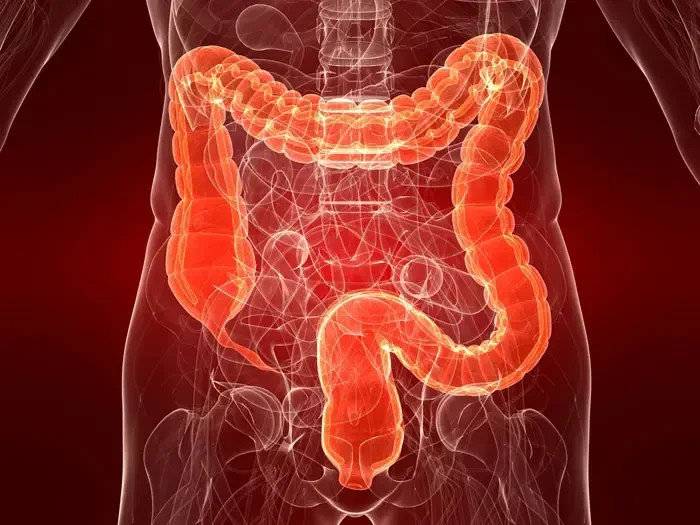
The researchers found that the difference is related to each person’s individual gut microbiome composition, meaning the response to sweeteners is individual and depends on the baseline state of the microbiome.
How does this happen? Other reviews and studies have suggested a possible mechanism for these effects: According to the proposed mechanism, artificial sweeteners change the composition of gut bacteria, reduce populations of certain bacteria, and promote imbalance in the microbiome. This change may affect glucose absorption, insulin response, and inflammatory processes in the body, thereby contributing to the development of metabolic disorders.
To balance the answer, it is very important to say: Not all studies have found a negative effect. There are clinical studies that did not find a significant change in gut bacteria or sugar response following sweetener consumption, especially when it comes to commonly used dietary amounts.
The gap between studies suggests that the effect of sweeteners is not uniform, and depends on many factors, including the type of sweetener, the amount consumed, and the individual’s characteristics.
The bottom line is that artificial sweeteners do provide a calorie-free alternative to sugar and do not immediately raise blood sugar levels, but they may affect metabolism in indirect ways, mainly through gut bacteria.
What is currently known is that the effect is not uniform and does not occur in everyone, but the accumulation of evidence shows that these sweeteners should be approached with caution, especially in long-term daily use, and should not be seen as a magic solution for weight or sugar problems.