





At Vitafoods Europe 2026, Lactalis Nutrition Santé is highlighting its clinical nutrition range, featuring sugar-free high protein, high calorie formulations. The company highlights a lack of awareness of the role of nutrition to combat malnutrition for malnourished patients with diabetes, chronic diseases, swallowing disorders and other specifics needs.
Nutrition Insight speaks with Anca Avasilichioaei, director of European Business Development at Lactalis Nutrition Santé, and Louise Valotaire, export coordinator, on the show floor.
Avasilichioaei tells us the company is spotlighting a sugar-free range at Vitafoods Europe 2026. She says this is “one of the most complete and diversified sugar-free clinical nutrition ranges on the market.”

“Our offer includes sugar-free drinks, desserts, and savory options, with a selection of soups and purées,” she details. “This innovation addresses a growing market need, as patients with diabetes or altered glucose metabolism are often at high risk of malnutrition, yet suitable nutritional solutions remain limited.”
Valotaire adds that the company is also highlighting a concentrated drink delivering 452 kcal and 29 g of protein in a 200 mL format. She says this is crucial for patients with low appetite or reduced intake capacity.
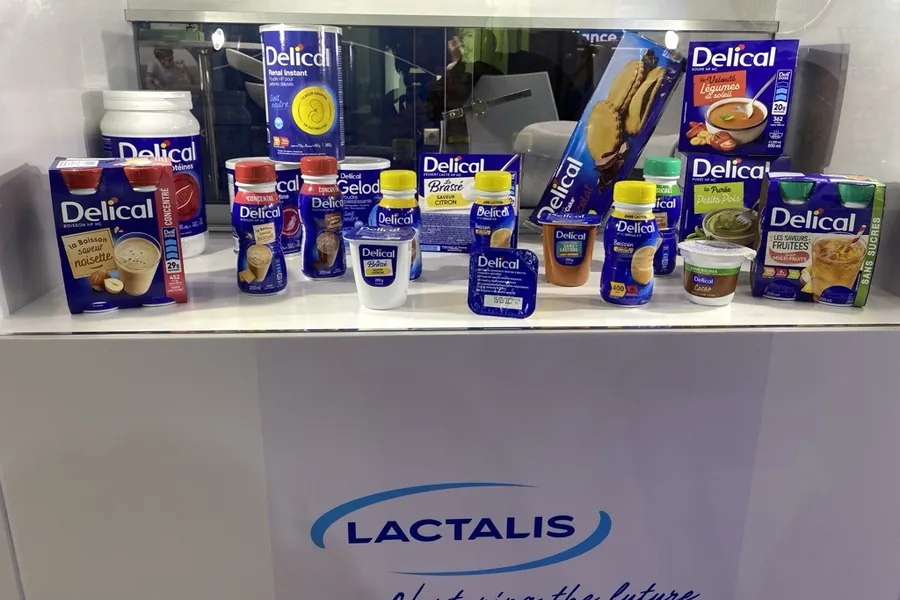 Lactalis Nutrition Santé says clinical nutrition is key to addressing malnutrition, especially for patients suffering from serious illnesses.“Increasing energy and protein intake without increasing volume is at the heart of our innovation strategy. This requires continuous and demanding R&D work, pushing the limits of formulation, texture, and taste, while maintaining medical efficiency and patient acceptance.”
Addressing malnutrition risks
Avasilichioaei points out that Europe is facing a rapidly aging population, which is accompanied by a rise in chronic diseases such as diabetes, cancer, Alzheimer’s disease, and neurological disorders.
“What is often underestimated is that each of these diseases carries a significant risk of malnutrition at different stages of the care pathway.”
She explains that malnutrition weakens the body, slows healing, and increases vulnerability to further illness. For patients with serious illnesses, certain diets can play a supportive role, which experts need to better explain to caregivers and patients.
“We are striving to raise awareness around the risks of malnutrition and the importance of healthy, balanced nutrition. Our goal is to develop highly efficient products with proven nutritional value, leveraging milk protein excellence,” says Avasilichioaei.
Nutritional performance and taste
At Vitafoods Europe 2026, Lactalis Nutrition Santé highlights their Delical offerings. This range of clinical nutritional supplements is designed to address malnutrition, with products featuring high-protein and high-calorie content.
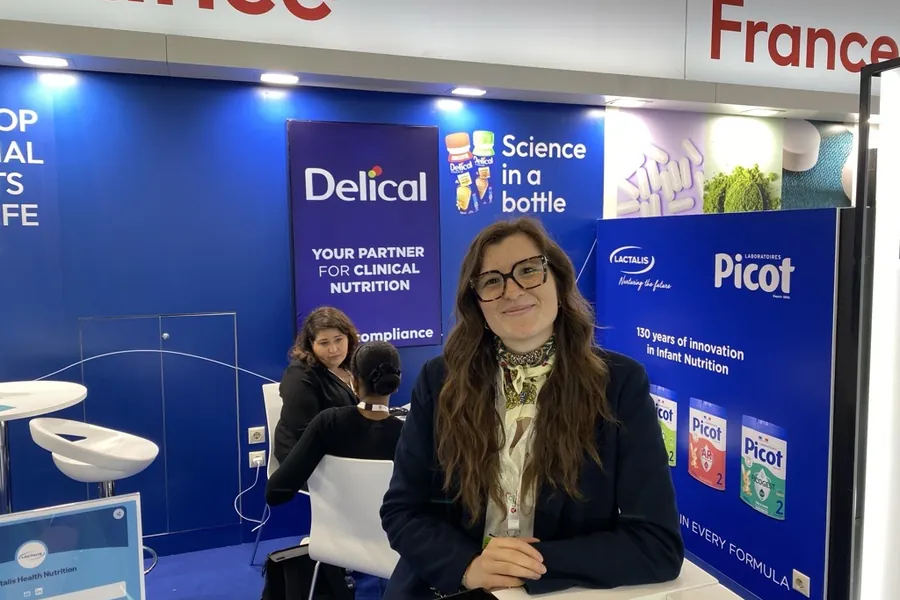 Louise Valotaire, export coordinator at Lactalis Nutrition.Valotaire notes that Delical’s mission is to fight malnutrition at every stage, with nutritional solutions that are aligned with the specific needs of each pathology.
For example, she highlights sugar-free formulations for diabetic patients and thickened high-energy drinks for patients suffering from dysphagia and swallowing disorders.
“Beyond nutrition values alone, we also adapt texture, composition, digestibility, and taste because clinical nutrition must fit into the patient’s daily life to be truly effective.”
Valotaire says Delical combines formula efficiency with “pleasure of consumption,” which she notes used to be considered challenging in clinical nutrition.
“This balance between nutritional performance and taste quality has driven Delical’s success and makes the brand a trusted partner for health care professionals today.”
Science-based innovations
Avasilichioaei says that Delical products are the result of extensive scientific research and development led by Lactalis Nutrition Santé’s dedicated R&D teams.
“Each formulation is designed based on a deep understanding of the nutritional requirements linked to specific diseases and stages of malnutrition.”
She concludes that the portfolio includes products adapted to protein and energy deficiency, dysphagia, and renal problems, while scientific rigor, clinical relevance, and real-life usability are central pillars of the company’s product development approach.