




Your support helps us to tell the story
From reproductive rights to climate change to Big Tech, The Independent is on the ground when the story is developing. Whether it’s investigating the financials of Elon Musk’s pro-Trump PAC or producing our latest documentary, ‘The A Word’, which shines a light on the American women fighting for reproductive rights, we know how important it is to parse out the facts from the messaging.
At such a critical moment in US history, we need reporters on the ground. Your donation allows us to keep sending journalists to speak to both sides of the story.
The Independent is trusted by Americans across the entire political spectrum. And unlike many other quality news outlets, we choose not to lock Americans out of our reporting and analysis with paywalls. We believe quality journalism should be available to everyone, paid for by those who can afford it.
Your support makes all the difference.Read more
More babies are suffering life-threatening bleeding across the U.S. as parents skip a basic injection for their newborns with vaccine skepticism rampant in today’s world, and doctors are sounding the alarm about the rising trend.
Medical experts say the decline in standard vitamin K injections for newborns is leading to preventable deaths and severe brain injuries. Data from a national study of more than 5 million births, published in the journal JAMA, found that the rate of infants not receiving the shot at birth reached 5 percent in 2024. This represents a 77 percent increase since 2017.
In some hospital systems, such as St. Luke’s Health System in Idaho, refusal rates have more than doubled since the start of the pandemic, with one facility reporting that 20 percent of families opted out of the procedure.
Medical records and autopsy reports reviewed by ProPublica show a recent string of infant deaths across several states, including Maryland, Alabama, Texas and Kentucky. Pathologists attributed these deaths to vitamin K deficiency bleeding, a condition where the blood cannot clot, causing internal hemorrhaging.
Vitamin K is essential for blood clotting, but newborns are born with very little of it. The nutrient does not pass easily through the placenta, and breast milk contains only trace amounts.
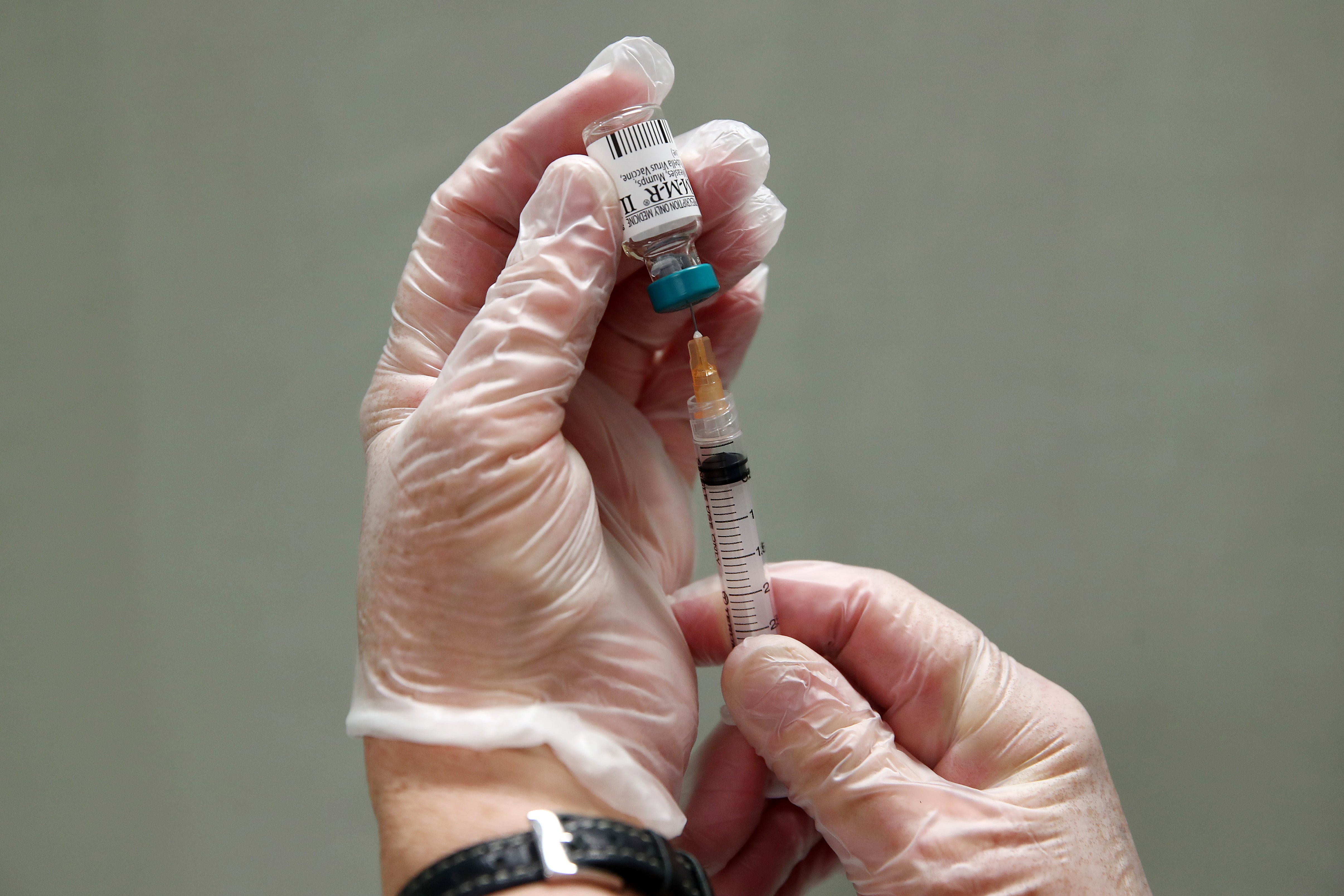 Research indicates that infants who do not receive the vitamin K injection are 81 times more likely to develop late-onset bleeding. A new report says a growing number of babies in the US are not receiving the shot (Getty Images)
Without the injection, infants are at risk of late vitamin K deficiency bleeding, which can occur up to six months after birth and often results in bleeding into the brain or intestines.
“Since we’ve been treating babies with vitamin K, we haven’t seen much deficiency bleeding, so people think it doesn’t exist,” said Dr. Ivan Hand, director of neonatology at Kings County Hospital Center in New York.
Research shows that infants who do not receive the shot are 81 times more likely to develop late-onset bleeding than those who do. According to the Centers for Disease Control and Prevention, one in five babies who develop the condition will die.
The medical community maintains that the benefits of the shot far outweigh the risks, though parents often cite specific concerns when refusing.
The primary advantage of the injection is its proven efficacy. It has been the global standard of care since 1961 and has nearly eliminated the condition in the developed world.
It provides critical neurological protection by preventing spontaneous brain bleeds that can lead to permanent developmental delays, paralysis or death. Decades of research have also refuted claims of links to childhood leukemia or other long-term illnesses.
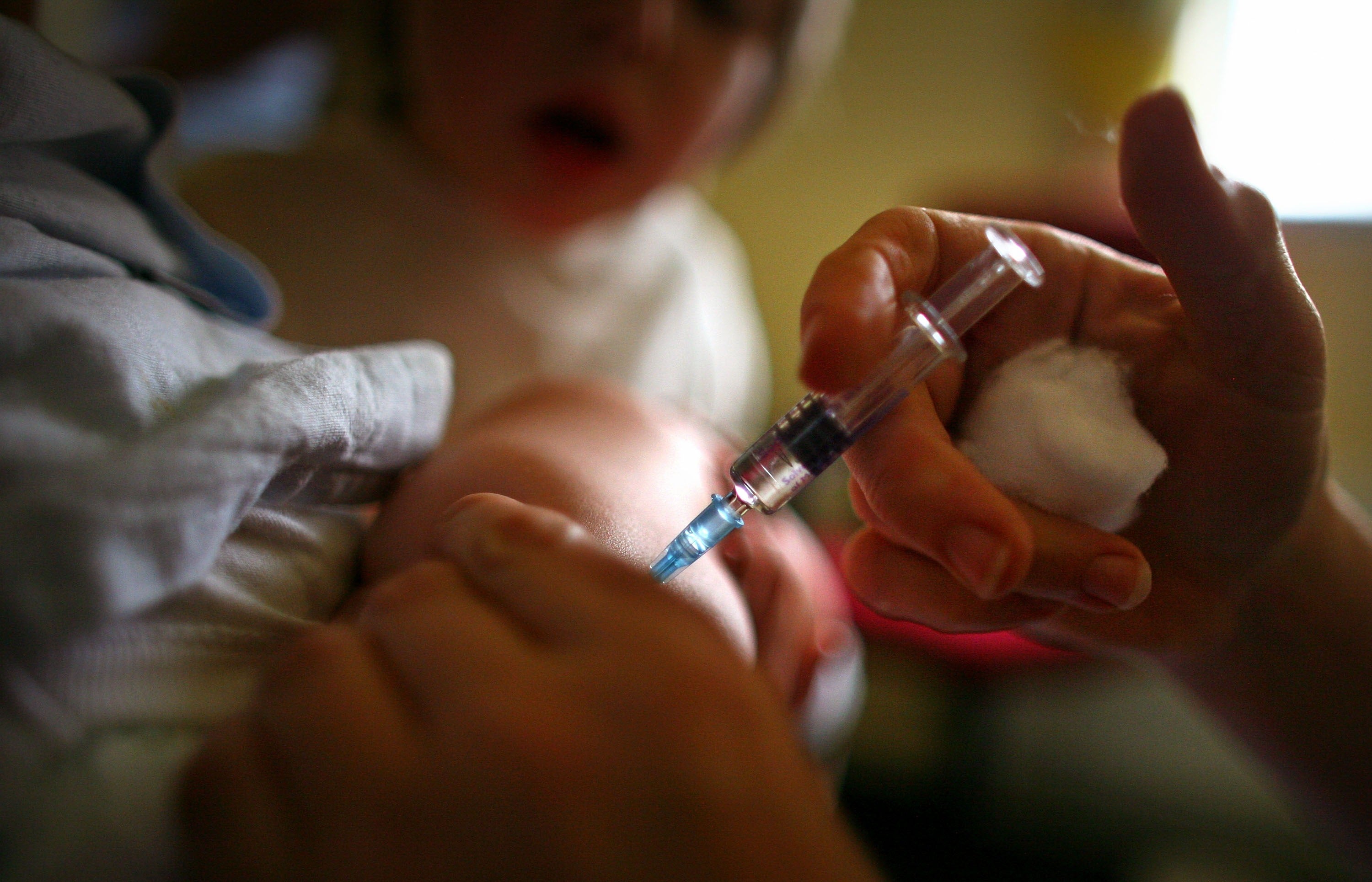 Medical experts say the rise in refusals is partly driven by misinformation on social media and a broader post-pandemic skepticism. The vitamin K shot is increasingly being grouped with other newborn interventions that are seeing a decline in acceptance (Getty Images)
The procedure does, however, involve minor risks and points of contention for families.
As with any injection, the infant will experience brief pain and potential redness or bruising at the site of the shot. Some parents also express concern over ingredients such as benzyl alcohol, used as a preservative in certain vials, although pediatricians say the levels are safe for newborns.
Other families opt for delayed cord clamping or oral vitamin K supplements, but research indicates these methods do not provide the same level of protection as the intramuscular injection.
Public health officials attribute the rise in refusals partly to misinformation on social media and a broader post-pandemic skepticism toward pharmaceutical interventions.
Although the vitamin K shot is not a vaccine, it is frequently grouped with the hepatitis B vaccine and antibiotic eye ointment, which are two other standard newborn treatments that are also seeing a decline in acceptance.
Dr. Robert Sidonio Jr., a pediatric hematologist at Children’s Healthcare of Atlanta, said the lack of a federal tracking system for these cases made it difficult to show parents the true scope of the danger. He said that if the condition was not tracked, it was not documented, and added that it should be made a reportable health event.
A spokesperson for the Department of Health and Human Services said that vitamin K at birth remains the standard of care, despite recent political debates regarding the autonomy of parents in medical decision-making.