





Our immune system is one of the most extraordinary biological systems we have, and understanding how it changes with age is one of the most empowering things we can do for our long-term health.
Like everything in our body, the immune system declines with age. This process is what scientists call ‘immunosenescence’. It is gradual and begins earlier than most people expect.
 Dr. Jenna Macciochi shares why our immune system declines with age
When does our immune system start to decline?
We start to see meaningful shifts within our immune system from our late twenties and thirties, but forty tends to be a real watershed moment. This isn’t arbitrary. Around this time, several biological programmes that were actually protective earlier in life started to work against us, a phenomenon called antagonistic pleiotropy.
Genes and processes that were useful for survival and reproduction in our younger years begin to exact a cost. The immune system that once mounted rapid, aggressive responses starts to become less precise, less responsive to new threats, and more prone to a low-grade background inflammation that researchers now call ‘inflammageing’.
Inflammageing is worth understanding because it underpins so much of what we experience as “getting older.” It’s not the acute inflammation you feel when you sprain an ankle, or fight off a cold, it’s a quiet, persistent hum of immune activation that accumulates over time and sits beneath many of the conditions we associate with ageing. It’s driven by a build-up of unwanted inflammation, which is an oxidative stress that increases wear and tear across the body.
But here’s what I really want people to hear: none of this is inevitable. Getting older isn’t a cliff edge, it’s a signal. A biological invitation to pay closer attention, to nourish ourselves with more intention than we did in our twenties, when we could get away with less.
The science is unequivocal that lifestyle, nutrition, sleep, movement, and stress regulation are all key foundations to your immune system ageing well. We have genuine agency here. That’s the message I come back to again and again in Immune to Age (out in paperback May 21st 2026), this isn’t about reversing the clock, it’s about how well we age, and that is very much in our hands.
What is damaging our immune system?
Age is often used as a convenient explanation for a declining immune system, when actually the biggest drivers of accelerated immune ageing are largely modifiable.
1. Chronic stress
We understand that the brain and immune system are in constant two-way conversation. Psychological stress activates the same inflammatory pathways as physical threat, and when it’s sustained over time, it’s profoundly immunosuppressive. The mind is not separate from immune biology. It’s part of it.
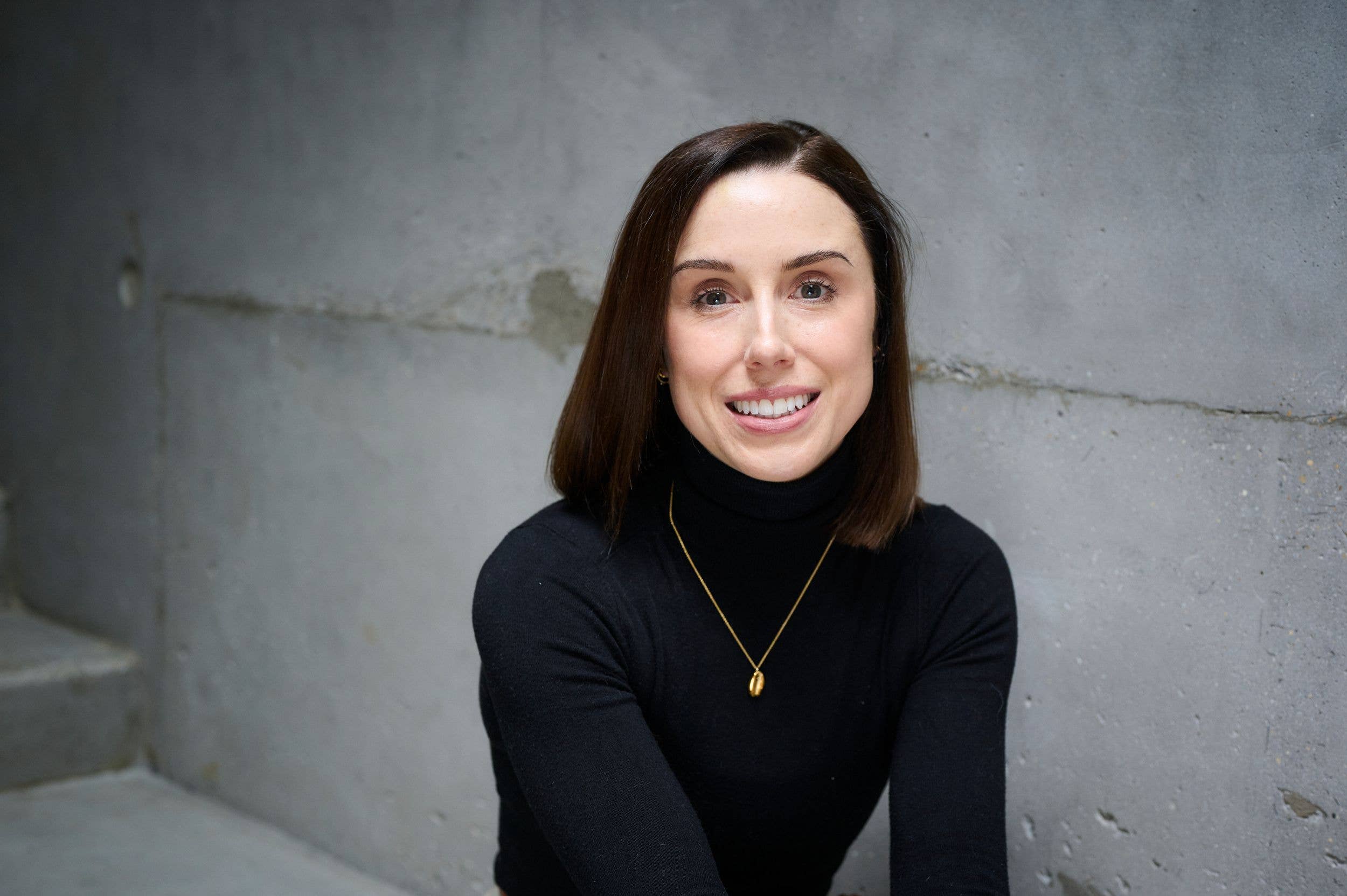 Dr. Jenna Macciochi delves into immune health
2. Poor sleep
Bad sleep is perhaps the single most underestimated immune disruptor. Just one night of disrupted sleep measurably reduces natural killer cell activity and impairs the consolidation of immune memory.
3. Nutrient insufficiency
Vitamin D, zinc, magnesium, and omega-3s insufficiency is more widespread than we realise and directly impairs immune health. Ultra-processed food, excess alcohol, and sedentary behaviour all accelerate inflammageing through overlapping mechanisms.
And then there’s something the data makes very clear, but we rarely talk about: loneliness.
4. Loneliness
Social isolation is one of the most immunologically damaging experiences a human can have. The research on chronic loneliness and immune ageing is striking; it accelerates inflammageing, impairs immune regulation, and increases susceptibility to infection. Connection, it turns out, is genuinely biological medicine.
The thread running through all of this is hopeful. These are not fixed fates. They are signals, and signals can be responded to.
What happens to our immune system when we get older?
There are a handful of changes that I think are really important for people to understand, because once you see them, a lot of things start to make sense.
1. Slower response times
When we get older, our immune system takes longer to mount a defence. This is why older adults often find that infections hit harder, last longer, and recovery takes more time. That week-long cold that used to be a two-day inconvenience? That’s immunosenescence in action.
 © Getty ImagesThere are ways to help repair our immune system
2. Impaired barrier function
Your skin, your gut lining and your mucosal tissues are your first line of defence. As we age, these physical barriers become more permeable and less robust. This is why gut health becomes so central to immune health with age. A compromised gut lining means more immune activation, more systemic inflammation, more burden on an already stretched system.
3. Wound healing slows
This is one of the more visible signs. The immune cells responsible for coordinating tissue repair, particularly macrophages, become less efficient. Cuts take longer. Recovery from surgery or illness takes more from us. It’s not just about age aesthetically; it’s immune function written on the body.
4. Reduced infection memory.
The memory arm of the immune system, the B and T cells that retain a blueprint of pathogens you’ve encountered, becomes less reliable with age. This is why flu vaccines are less effective in older populations and why re-infections become more common.
5. Inflammaging
That chronic low-grade inflammation I mentioned sits underneath almost all of this. It’s driven by things such as accumulating senescent cells, gut dysbiosis, nutrient insufficiency, sleep disruption, and chronic stress. It accelerates virtually every other aspect of ageing and consumes energy that might otherwise be used for other areas of health.
What connects all of these changes is that the immune system isn’t a discrete organ you can point to, it’s a distributed, body-wide intelligence. When it starts to falter with age, you feel it everywhere: in your energy, your recovery, your gut, your skin, your mood, your brain. That’s not a coincidence; that’s the immune system’s reach.
How to support your immune system
This is where I get genuinely excited, because the evidence is clear that how we live has a profound impact on how our immune system ages. It’s not fixed.
“How we live has a profound impact on how our immune system ages. It’s not fixed.”
1. Increase your protein intake
Adequate protein is essential. Immune cells are made of it, and so are the things they produce such as antibodies and cytokines.
Protein is also the foundation of the tissue your body needs to repair. A lot of people, especially women over 40, are under-consuming protein without realising it.
As we get older, we become less efficient at utilising the protein we eat, which means we need more of it to achieve the same muscle-preserving, tissue-repairing response.
This is why pairing adequate protein intake with resistance training is so powerful for our long-term health. Exercise essentially primes the muscle to respond, making the protein you eat work harder.
The two together are far more effective than either alone, and both have genuine immune benefits: muscle tissue is now recognised as an immune organ that actively produces immune compounds called myokines. Collagen specifically supports the structural integrity of your barriers, skin, gut lining, and connective tissue, which, as I mentioned, are critical to immune defence. Ancient + Brave’s True Collagen and Brave Ancestral Protein are things I personally use alongside a balanced diet and active lifestyle
2. The gut microbiome
Roughly 70% of immune tissue lives in and around the gut, so the diversity and resilience of your microbiome are directly tied to immune function. Fermented foods, fibre diversity, and a good broad-spectrum probiotic all help here.
3. Magnesium
Chronically underconsumed, chronically underappreciated. Magnesium is involved in hundreds of enzymatic reactions, including those governing immune cell function and inflammation resolution. It also supports sleep quality and sleep is arguably one of the most powerful immune interventions we have.
4. Omega-3 fatty acids
The anti-inflammatory capacity of omega-3s supports the resolution of inflammation (not just its suppression), which matters enormously in the context of inflammageing. 3 out of 4 people in the UK are not getting enough omega-3 in their diet.
5. Lifestyle as medicine
Beyond supplementation, sleep, movement, stress regulation and time in nature. Support your immune system. These aren’t soft add-ons; they’re mechanisms. Foundations for long-term health that we should focus on before adding in fancy extras.
Chronic stress elevates cortisol, which suppresses immune surveillance. Poor sleep impairs immune memory consolidation. Sedentary behaviour drives inflammaging. And conversely, resistance training, breathwork, circadian alignment, and meditation are all evidence-backed tools for immune resilience at any age.
 © Getty ImagesMeditation can support our immune system by lowering cortisol
How long might it take to see improvements in our immune system?
It’s genuinely hard to measure well. Unlike blood pressure or cholesterol, there’s no single number that tells you how well your immune system is ageing.
It’s a system, not a biomarker, and it expresses itself across multiple dimensions simultaneously.
That said, there are things worth asking your GP about.
1. Book a blood test
A full blood count gives you a baseline picture of your immune cell populations. A C-reactive protein (CRP) blood test checks for inflammation in your body and provides a window into inflammaging.
It’s one of the more accessible proxies for that low-grade chronic inflammation we’ve been talking about.
Vitamin D is non-negotiable to check, as is ferritin, B12, and, if you can access it, a fasting insulin, because metabolic health and immune health are deeply intertwined. These won’t give you a complete picture, but they give you somewhere to start a conversation.
2. Self-monitor
Lived experience is an underrated form of data. How quickly do you recover from illness? How long does a cold last? How does your energy hold up under stress? How well do you sleep? How does your skin look and heal? How is your gut behaving? These aren’t soft questions; they’re your immune system communicating with you in the language of symptoms and resilience. Pay attention to them as much as any lab result.
Some shifts are faster than people expect. Gut microbiome diversity can change meaningfully within a few weeks of dietary change. Sleep quality improvements from magnesium can show up within days. Inflammatory markers can be reduced within six to eight weeks of consistent omega-3 supplementation. These early wins matter; they’re the body signalling that it’s responsive, that change is possible.
The bottom line
Immune health isn’t a project with a finish line. It’s a practice. The real return on investment is measured in consistency over the seasons of life: in how well you age, how quickly you recover, how resilient you are to the things that knock other people sideways. We’re not optimising for a moment, we’re tending to something across a lifetime. And when you see it that way, the daily choices, the protein, the sleep, the movement, the magnesium, stop feeling like effort and start feeling like the most rational and loving thing you can do for your future self, because one thing that’s clear when we look at human behaviour is that we are never very good at predicting what’s around the corner.