




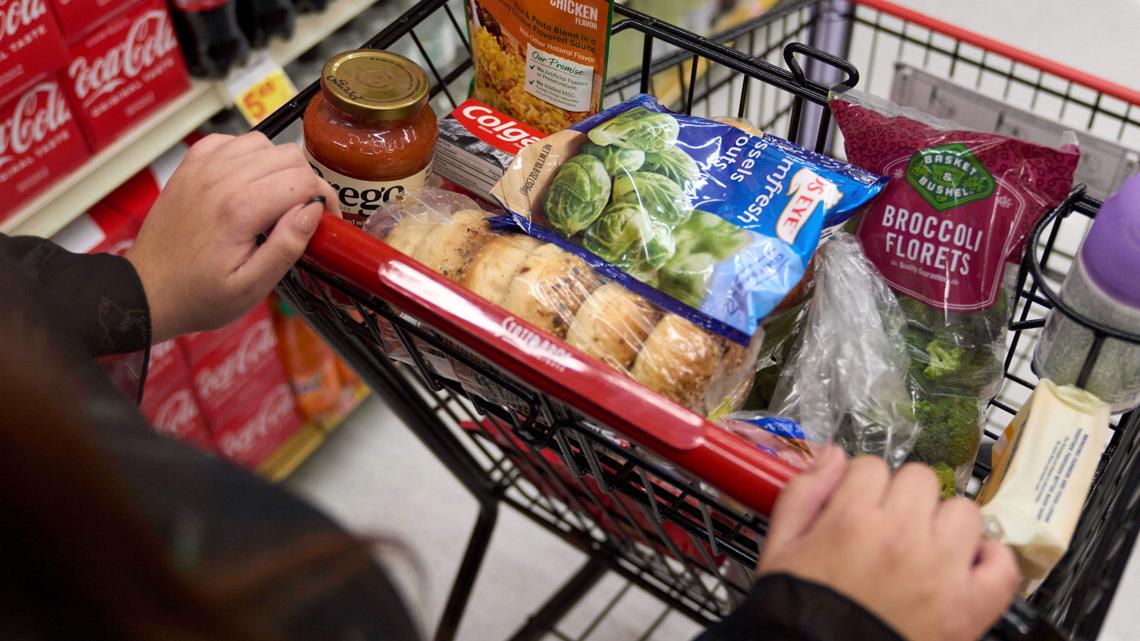
The USDA is updating SNAP retailer requirements to emphasize more perishable items, closing loopholes, and enhancing nutritional access.
WASHINGTON — The U.S. Department of Agriculture is changing the rules on types of foods retailers have to stock to take part in the Supplemental Nutrition Assistance Program, commonly known by its acronym SNAP.
The rule is meant to adjust what type of foods and how much of those foods needs to be stocked.
Retailers accepting SNAP benefits will have to carry seven varieties of items across four categories of staple foods: protein, grains, dairy, and fruits and vegetables. That means more perishable foods being available to shoppers.
“To turn the tide on our nation’s health crisis, we need to ensure our nutrition assistance programs emphasize real food first, and that’s exactly what these updates to SNAP retailer requirements will do,” said U.S. Secretary of Agriculture Brooke L. Rollins.
The new rule also closes loopholes on retailers being able to count certain snack foods toward their staple food requirements.
“SNAP authorized retailers accept over $90 billion a year, or $236 million a day, in taxpayer dollars—USDA is making sure they’re actually in the business of selling food,” Rollins said.
The changes won’t necessarily happen right away as the new rule goes into effect in the fall. Retailers can expect additional guidance in the coming days.
Under current rules for SNAP retailers, a store must have a minimum of 36 staple food items that meet the following conditions:
Three varieties in each of the four staple food categories.Three stocking units for each of the three varieties.One perishable variety in two of the staple food categories
Additionally, a store’s staple foods must equal more than half (be greater than 50%) of a store’s total gross retail sales.
Since 2025, the Food and Nutrition Service claims it has taken action on nearly 3,200 retailers over their stocking standards for either failing to meet them or failing to maintain them.