




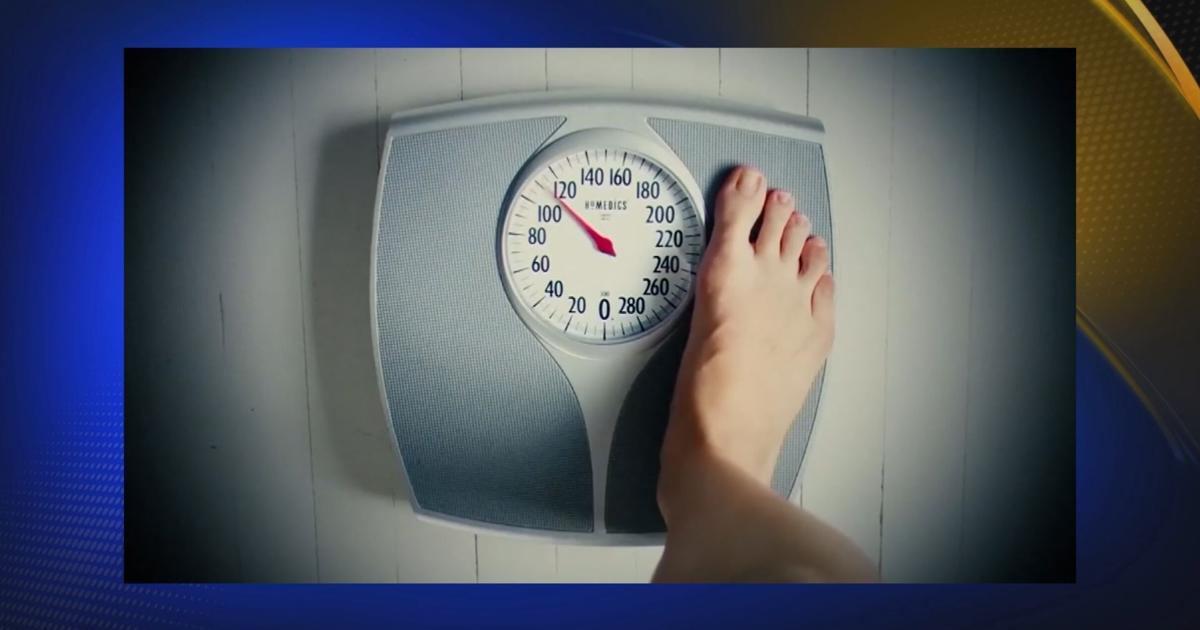
An Enloe Health doctor explains why diets often fail: your body sees weight loss as a threat and responds by slowing your metabolism and boosting hunger hormones. For people with a BMI of 35 or higher, bariatric surgery may be an option to help reset those hormonal and neurological mechanisms that drive us to eat.
CHICO, Calif. – For the seriously overweight, losing pounds can be a matter of life and death, according to an Enloe Health surgeon who specializes in helping patients through bariatric surgery.
Dr. Erik Simchuk, a general and bariatric surgeon at Enloe Health, explained why so many people struggle with weight loss despite countless diets and drugs on the market. Weight loss is not seen by our body as a good thing, he said.
“The fat on our body is a fuel source that our bodies draws upon in a time of need such as a hard winter or a drought,” Simchuk said. When people try to eat less, their bodies react by slowing metabolism and boosting hunger hormones, driving them to eat more and hold on to as much fat as possible.
For people with weight issues, they’re fighting their own body, which is why surgery might be appropriate for some. Simchuk pointed to a 1991 National Institutes of Health consensus conference that determined surgery is the only effective means of weight loss once a person reaches a BMI of 35, and that consensus statement hasn’t changed.
The minimally invasive procedures Simchuk performs, including sleeve gastrectomy and gastric bypass, change not only the amount of food a person can eat but also reduce the hormonal and neurological mechanisms that drive people to eat. The operations are about as safe as having an appendix or gallbladder removed, he said.
Simchuk’s practice holds a Center of Excellence designation, which requires extensive surgeon training, quality operations, patient education and follow-up support to ensure safety. However, he emphasized that surgery alone isn’t a complete solution.
“What we have available to us – 97% of what we eat today is ultraprocessed, calorie dense, and the operation is not going to prevent a person to eat those foods,” Simchuk said. “So what I do on the day of surgery is 50% of the solution, the other part has to happen right here in the heart and right here between the ears.”
Recent research shows that about 15% of Americans have a BMI of 35 or higher.