




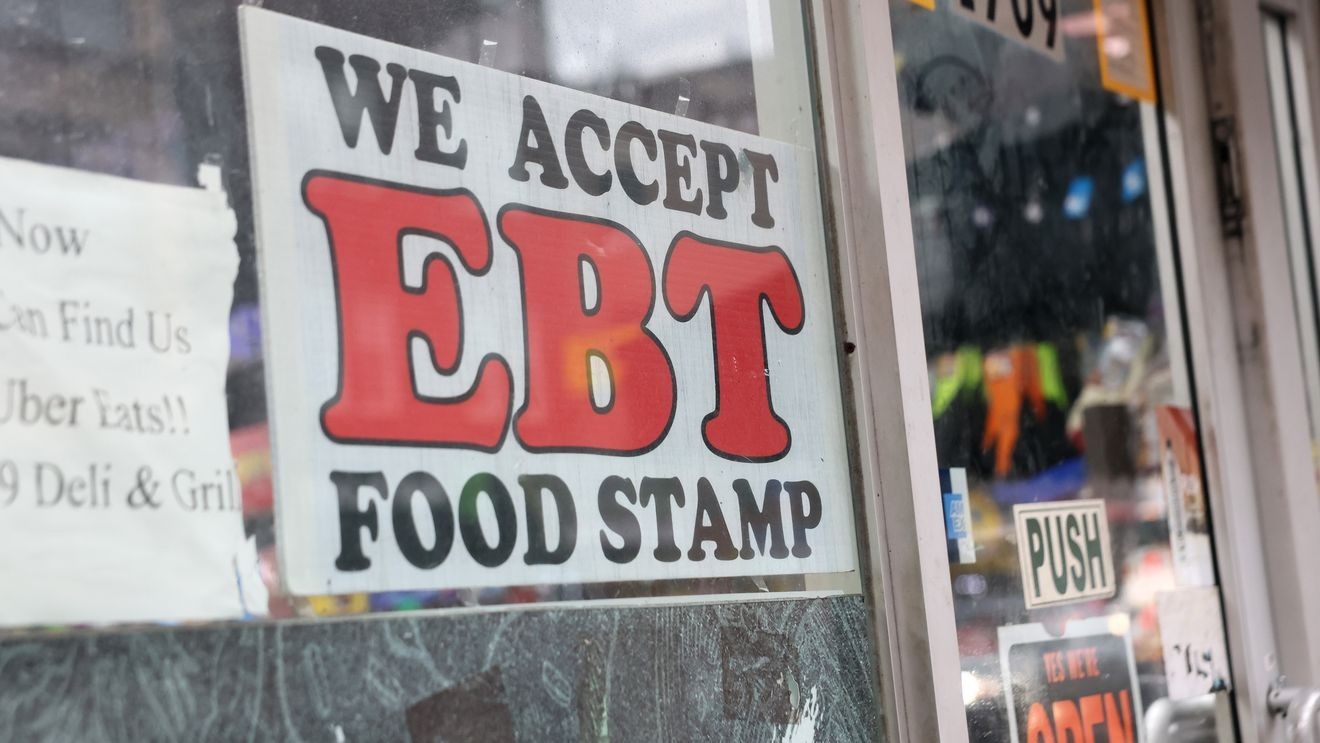
The U.S. Department of Agriculture has finalized new rules requiring stores that accept Supplemental Nutrition Assistance Program benefits to stock a wider variety of nutritious foods.
Under the new standards, SNAP-authorized retailers must carry seven varieties of food across four staple categories: protein, grains, dairy, and fruits and vegetables.
Officials say the rule increases access to healthier food options and raises requirements for perishable foods.
The updated standards also close loopholes that allowed some snack foods to count toward minimum stocking requirements, according to officials.
Officials say the changes double the number of staple food items retailers must carry.
Since the beginning of the Trump administration, the Food and Nutrition Service has taken action against nearly 3,200 retailers for failing to meet or maintain stocking standards, which can result in disqualification from accepting SNAP benefits.
“To turn the tide on our nation’s health crisis, we need to ensure our nutrition assistance programs emphasize real food first, and that’s exactly what these updates to SNAP retailer requirements will do,” said U.S. Secretary of Agriculture Brooke L. Rollins. “SNAP authorized retailers accept over $90 billion a year, or $236 million a day, in taxpayer dollars—USDA is making sure they’re actually in the business of selling food. And for those retailers who are the only food outpost for miles, I know you will be so excited to serve your customers and communities healthy food.”“This rule puts real food back at the center of SNAP,” said U.S. Department of Health and Human Services Secretary Robert F. Kennedy, Jr. “I thank Secretary Rollins for her leadership in advancing these commonsense reforms. It demands more from retailers and delivers better options for the families who depend on this program. This administration is committed to working across government to improve nutrition, strengthen accountability, and drive better health outcomes nationwide. This is how we Make America Healthy Again.”
The new requirements are set to take effect in fall 2026, and the USDA plans to issue additional guidance to retailers in the coming weeks.