





Find winning stocks in any market cycle. Join 7 million investors using Simply Wall St’s investing ideas for FREE.
Ulta Beauty, NasdaqGS:ULTA, has launched a nationwide delivery partnership with Uber Eats.
More than 1,500 Ulta stores are joining the Uber Eats marketplace, giving customers access to beauty and wellness products for on demand delivery across the U.S.
This move expands Ulta Beauty’s omnichannel reach and responds to growing demand for fast, app based shopping.
For investors watching NasdaqGS:ULTA, this partnership comes at a time when the stock trades at $526.53 and has returned 35.6% over the past year and 68.9% over five years. Ulta Beauty is adding another distribution channel alongside its existing stores and digital offerings, which could be relevant for how customers choose to shop across its ecosystem.
The Uber Eats tie up places Ulta Beauty directly in front of users who are accustomed to rapid delivery for food, groceries, and everyday items. For investors, the key question is how this wider access and convenience might influence customer behavior and support Ulta Beauty’s position in beauty and wellness retail over time.
Stay updated on the most important news stories for Ulta Beauty by adding it to your watchlist or portfolio. Alternatively, explore our Community to discover new perspectives on Ulta Beauty.
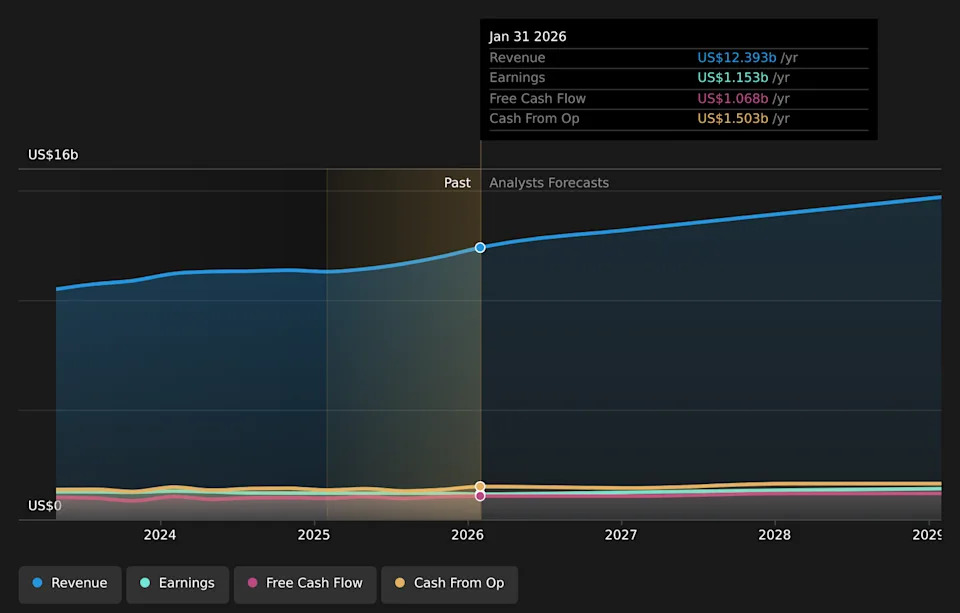 NasdaqGS:ULTA Earnings & Revenue Growth as at May 2026
2 things going right for Ulta Beauty that this headline doesn’t cover.
This partnership plugs Ulta products directly into a large on demand delivery network, which could matter for how customers split their beauty spending between Ulta, general e commerce players like Amazon, and rival beauty retailers such as Sephora and Sally Beauty. Uber Eats gains a new category, while Ulta extends its omnichannel reach without adding physical stores. For you as an investor, the key lens is whether on demand delivery simply shifts transactions away from Ulta’s own app and stores or helps capture incremental orders from convenience driven shoppers who might otherwise buy elsewhere. The move also sits alongside Ulta’s recent AI and data collaborations with Google and NielsenIQ, which are aimed at improving product discovery and merchandising decisions. Taken together, app based delivery, AI powered tools, and data partnerships point to a retailer trying to meet customers wherever they shop and to fine tune assortment and marketing across channels. The financial impact will depend on order frequency, average basket size, and economics per order relative to Ulta’s existing digital and in store sales.
How This Fits Into The Ulta Beauty Narrative
The Uber Eats partnership supports Ulta’s long term omnichannel focus by adding another way for loyalty members and new shoppers to access its assortment quickly.
If delivery margins are thinner than store or own app sales, a heavier mix into third party delivery could challenge the aim of keeping profitability aligned with growth initiatives.
Third party delivery data, such as order timing and product mix, may not yet be fully reflected in how investors think about Ulta’s customer insights and digital ecosystem.
Knowing what a company is worth starts with understanding its story. Check out one of the top narratives in the Simply Wall St Community for Ulta Beauty to help decide what it’s worth to you.
The Risks and Rewards Investors Should Consider
⚠️ Greater reliance on third party platforms like Uber Eats could compress margins if delivery and commission costs are high relative to in store purchases.
⚠️ Faster access to competing beauty options on food delivery and broad e commerce apps may increase competitive pressure from Amazon, Sephora, and Target’s beauty offerings.
🎁 The partnership broadens Ulta’s reach to time pressed customers who already use delivery apps regularly, potentially supporting sales across beauty and wellness categories.
🎁 Combined with AI powered tools and richer data partnerships, the added delivery channel may help Ulta fine tune marketing and assortment across its ecosystem.
What To Watch Going Forward
From here, keep an eye on whether Ulta or Uber share any data points on order frequency, average basket size, and category mix through Uber Eats, and whether management comments on how these deliveries interact with store traffic and Ulta’s own digital channels. Watch for signals on unit economics, such as whether on demand delivery is framed as margin accretive or mainly a customer acquisition and retention tool. It is also worth tracking how competitors like Sephora and Sally Beauty respond, for example with their own delivery partnerships or expanded same day options, and whether Ulta integrates Uber based orders more tightly with its loyalty program over time.
To ensure you’re always in the loop on how the latest news impacts the investment narrative for Ulta Beauty, head to the community page for Ulta Beauty to never miss an update on the top community narratives.
This article by Simply Wall St is general in nature. We provide commentary based on historical data and analyst forecasts only using an unbiased methodology and our articles are not intended to be financial advice. It does not constitute a recommendation to buy or sell any stock, and does not take account of your objectives, or your financial situation. We aim to bring you long-term focused analysis driven by fundamental data. Note that our analysis may not factor in the latest price-sensitive company announcements or qualitative material. Simply Wall St has no position in any stocks mentioned.
Companies discussed in this article include ULTA.
Have feedback on this article? Concerned about the content? Get in touch with us directly. Alternatively, email editorial-team@simplywallst.com