



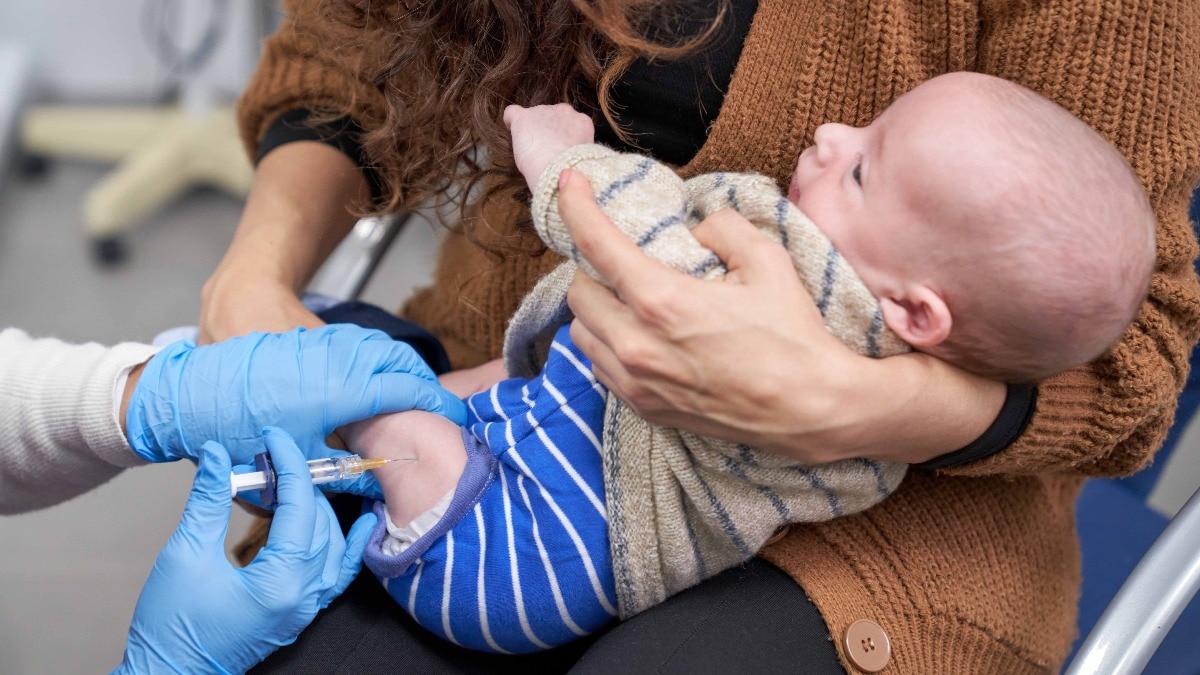
Doctors in the United States are raising alarm over a growing number of newborn babies developing dangerous internal bleeding after parents refused a routine Vitamin K shot given shortly after birth.
The concern comes after several infant deaths linked to Vitamin K Deficiency Bleeding (VKDB), a rare but potentially fatal condition that affects babies who do not have enough vitamin K to help their blood clot properly.
A seven-week-old baby in Maryland suffered seizures, a newborn in Kentucky became lethargic after vomiting, and another baby in Alabama stopped breathing for brief periods before dying, a recent ProPublica report revealed.
All of them had one thing in common: they had not received the vitamin K injection recommended after birth.
In India, a vitamin K injection is a standard part of newborn care in most hospitals and birthing centres.
The Health Ministry recommends giving prophylactic Vitamin K1 (Phytonadione) to all babies born in healthcare facilities to prevent VKDB.
Babies weighing more than 1,000 grams are usually given a 1 mg intramuscular injection, while smaller babies receive a 0.5 mg dose. The shot is ideally administered within the first six hours after birth, and generally within the first 24 hours.
WHY NEWBORN BABIES NEED VITAMIN K
Vitamin K helps the body produce clotting factors that stop bleeding.
But babies are naturally born with very low vitamin K stores because very little of the vitamin passes from the mother to the baby during pregnancy.
Breast milk also contains only small amounts.
This leaves newborns vulnerable to dangerous bleeding during the first few weeks and months of life.
“Babies are born with limited clotting factors that get used up very quickly. Vitamin K helps them make more clotting factors and prevents major bleeding episodes,” said Dr. Rahul Nagpal,
Without the injection, babies are far more likely to develop VKDB, which can lead to bleeding in the brain, intestines, or other organs.
Symptoms include unexplained bruising, vomiting blood, blood in stool, seizures, lethargy, or sudden collapse. In many cases, there may be no warning signs at all until severe bleeding begins.
WHAT’S THE SITUATION IN INDIA?
Unlike the US, where misinformation around newborn injections has been increasing, doctors say refusal of vitamin K shots is still relatively uncommon in India.
However, some babies still miss the injection because of home births, lack of awareness, or growing social media misinformation.
“Parental refusal is not yet a mainstream trend in India, but we are seeing some hesitancy influenced by online misinformation,” Dr. Nagpal said.
A 2021 analysis estimated vitamin K coverage at around 62%, meaning many newborns still do not receive the protective shot. This is because of healthcare access gaps rather than outright refusal.
In the US, misinformation has become a major reason for parents rejecting the injection. Some falsely believe the vitamin K shot is a vaccine, while others fear it could be linked to cancer despite studies repeatedly finding no such connection.
The injection has been recommended for newborns since 1961 by the American Academy of Pediatrics.
WHY MISSING THE SHOT CAN TURN DEADLY
Doctors warn that babies who miss the injection are dramatically more vulnerable to severe bleeding disorders.
Those who do not receive the shot are estimated to be 81 times more likely to develop VKDB during the first six months of life.
The condition can appear in three stages.
Early VKDB occurs within the first 24 hours and is often linked to medicines taken by the mother during pregnancy.
Classical VKDB usually appears between the second and seventh day after birth and may cause bleeding from the umbilical cord stump, skin, gut, or circumcision site.
The most dangerous form is late VKDB, which can occur from two weeks to six months after birth.
“Late VKDB is particularly serious because around 30 to 60% of these babies develop bleeding inside the brain,” Dr. Nagpal said.
He added, “It can present suddenly with seizures, vomiting, extreme sleepiness, pale skin, or collapse, and may lead to permanent brain injury or death.”
At a time when social media misinformation is influencing parenting decisions, doctors say evidence-based medical advice is crucial to avoiding preventable tragedies.
The vitamin K shot is considered one of the simplest and safest interventions in newborn care, capable of preventing life-threatening bleeding disorders with a single injection.
– Ends
Published By:
Daphne Clarance
Published On:
May 8, 2026 13:00 IST