



Do you buy organic? There was a time about 20 years ago when we almost felt guilty if we didn’t, but the cost of living crisis has led to many of us cancelling our veg boxes and meat subscriptions. Now all that is changing. In the past few years, organic food sales have been going up once more.
The whole organic market grew by nearly 9 per cent in the year to May 2025, according to the Soil Association, the charity and organic certification body that promotes nature-friendly farming. The cost of living crisis has meant people eat out less often, and instead focus on buying quality ingredients for cooking at home. I’ve noticed that at my local Tesco the dedicated organic aisle is back.
The organic sector is experiencing its biggest boom in two decades, says Rob Haward, chief executive of the organic vegetable box company Riverford, which recently recorded a 6 per cent increase in sales. “The organic market is seeing a real resurgence, and the main driver is health,” he says. “In a world that feels increasingly chaotic, organic offers something straightforward, with strict standards.”
Food newsletter
Restaurant reviews, insider insights and recipes from the best chefs in the business.
Sign up with one click
The use of the controversial weedkiller glyphosate on UK food crops made headlines this week when a number of campaign groups sent an open letter to the Department for Environment, Food and Rural Affairs (Defra). They are campaigning to stop glyphosate being sprayed on wheat, oats and other cereals shortly before harvest to desiccate them and make them easier to handle, despite the fact that it has been linked with cancer, genetic damage and hormonal disruption.
“No one wants a chemical linked to cancer in their sandwiches or breakfast cereal,” the Soil Association campaigns co-ordinator Cathy Cliff says. “The UK is already lagging behind Europe, which takes a much tougher stance on pesticides that pose a risk to human health.” The organisations hope that negotiations for a new trade deal with the EU may bring the UK into line with many other European nations which have banned its use since 2023.
Many consumers are opting for food that is free of such chemicals. Since for many people an entirely organic diet is out of the question and far too expensive, the decision is which bits of the weekly shop to prioritise. Dr Federica Amati, head nutritionist at the personalised nutrition company Zoe, says that she always buys organic steel-cut oats when she’s making porridge or overnight oats. “One thing the evidence is clear on: organic matters most for fruit, vegetables and cereals, where it meaningfully cuts pesticide residues and cadmium [a heavy metal used in some fertilisers].”
 Dr Federica AmatiDain Rhys Evans
It’s true that organic food comes at a higher cost, but Amati suggests focusing on the items you eat most often. “I invest a good portion of my income on food,” she says. “I do try to buy organic, although I’m not militant about it. I’d say it’s about 80 per cent. I get the things we eat most often: berries, salad, apples, broccoli.”
It’s not just fruits and vegetables — organic meat sales are also on the rise. Organic chicken sales are up 13 per cent year on year, according to the Soil Association, and products like milk and dairy alternatives are seeing growth in their organic section. Despite the cost, it’s not just middle-class midlifers who are driving the market. Gen Z shoppers are also keen; a recent poll found that 42 per cent of 18 to 24-year-olds buy organic at least once a month. Deciding to buy organic is a decision about taste and quality of ingredients, as well as nutritional benefits. Here’s what the foodies choose.
Prioritise organic for ‘dirty’ produce
Rick Toogood, chef-owner of the London restaurants Barnaby’s, Prawn on the Lawn and Little Prawn, says: “Across all of our restaurants we prioritise using the organic version of vegetables that usually use a lot of pesticides such as leafy vegetables like kale and cavolo nero.”
As an additional benefit, organic greens tend to taste better, says Toogood, which means you need to do very little to them. “We simply wilt them with some great quality EVOO [extra virgin olive oil], a white wine vinegar with a slight sweetness to it and Cornish sea salt.”
Fruits and vegetables with the highest pesticide residue are sometimes referred to as “the dirty dozen”. They are: strawberries; spinach; kale and leafy greens; grapes; peaches; pears; nectarines; apples; bell and hot peppers; cherries; blueberries and green beans.
Does organic food always taste better? The chef’s tomato test
Many foodies swear that organic foods can taste better by far. I must admit, my own reasons for shifting towards organic recently weren’t initially motivated by personal health or soil health but by a less worthy reason: cucumbers. I noticed an enormous difference in taste in organic cucumbers compared with conventionally grown ones, which led me down a path of discovering what other ingredients have a better flavour when organic.
“Organic and seasonal tend to go hand in hand,” says the Italian chef Francesco Mazzei, who buys all his produce from his local farmers’ market. “That’s when things taste really good. If you eat food that’s out of season it’s not fresh, it won’t have as many nutrients or as much flavour. Right now the organic, seasonal produce I’m loving is wild garlic, broad beans, peas, asparagus, strawberries. This is the best season of all if you ask me.”
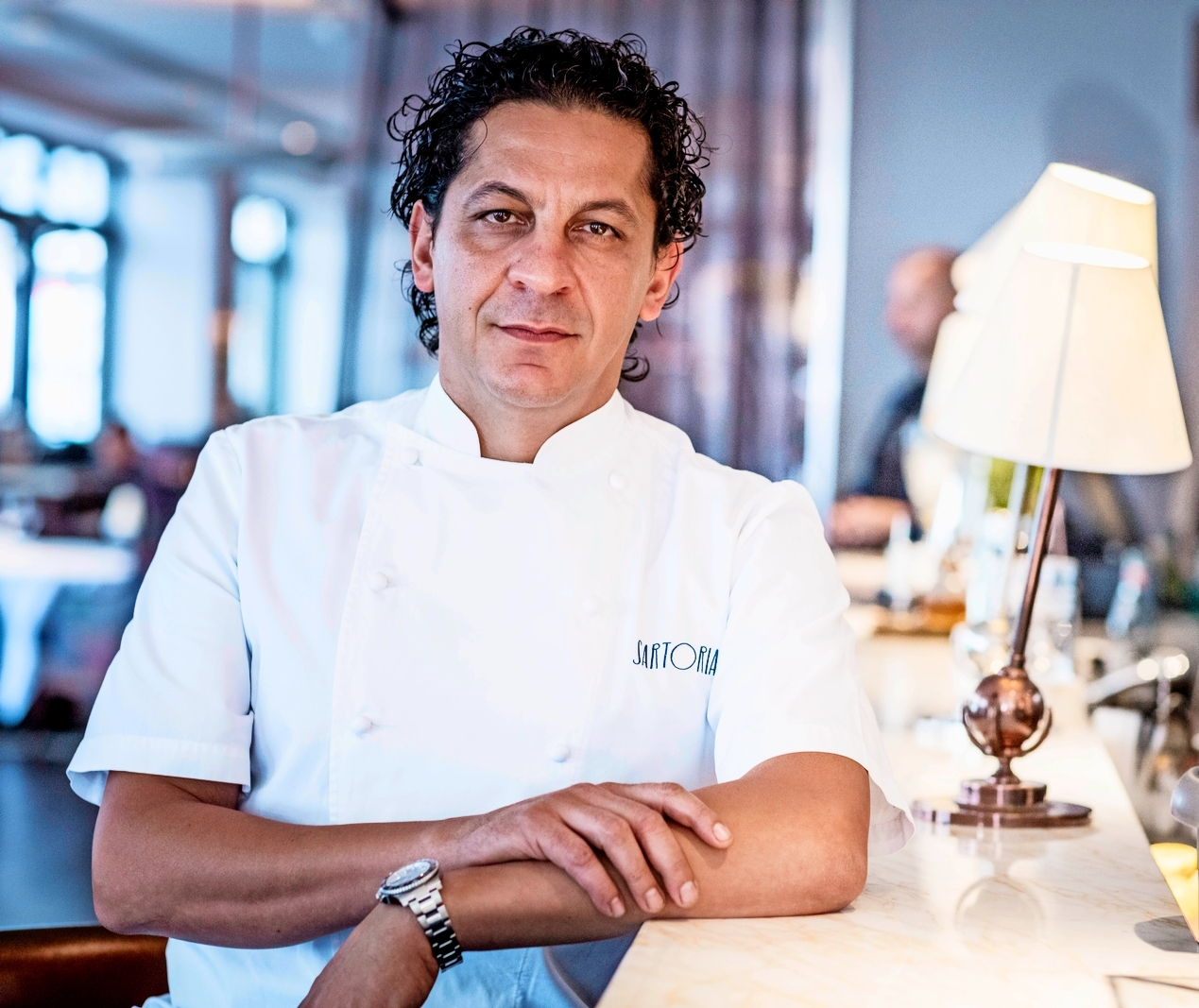 Francesco MazzeiThomas Alexander
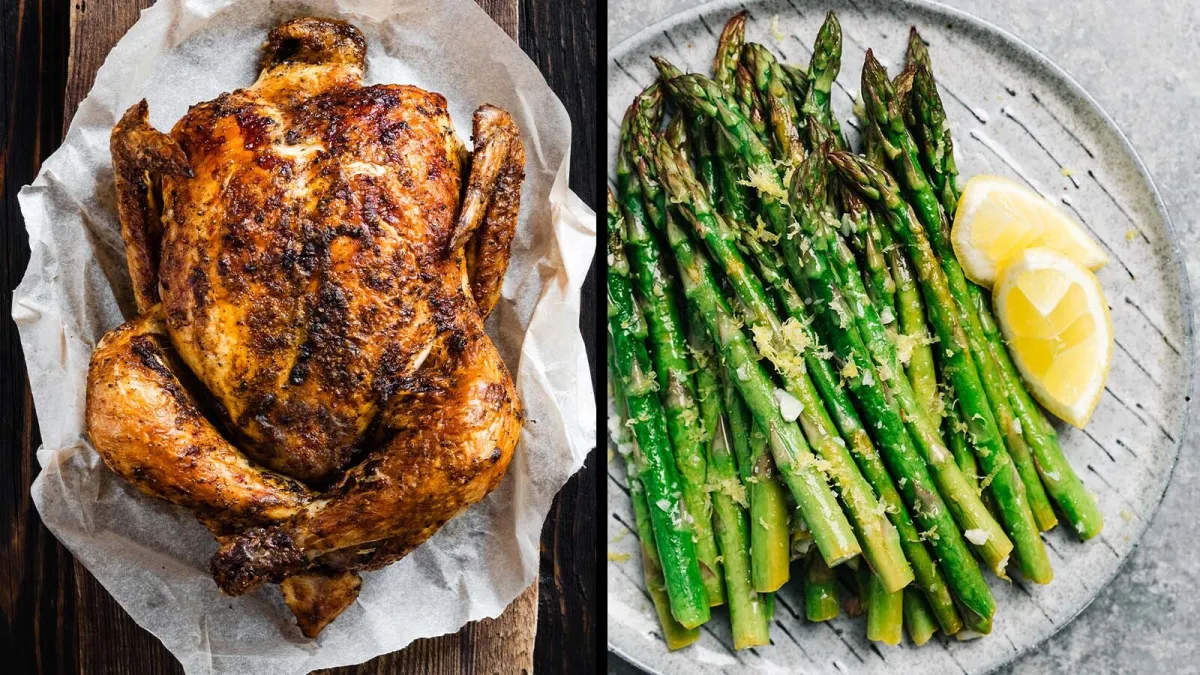
Flavour-wise, the biggest difference in organic versus conventionally farmed products can be tasted in chicken and tomatoes, according to Elliot Hashtroudi, head chef of Camille, a French bistro in Borough Market, London. “If you’re wondering if you can taste the difference, start with an organic corn-fed chicken or organic tomatoes,” says Hashtroudi, who only uses organic and sustainable meat and vegetables in his restaurant. “The difference is outstanding. Organic tomatoes actually taste like real tomatoes that burst with flavour and texture, not just red pops of water.
“The same can be said for chickens — not only can you see the colour difference but the meat is tender and packed with flavour. Using organic lets you understand how they should really taste.”
Bart Stratfold, the executive chef at the Michelin-starred Timberyard in Edinburgh notices the biggest difference with beans. “There’s such a purity and stark minimalism to the product that it’s super important to me they come from an organic source. Organic beans are more creamy and pillowy, with a depth of flavour that others don’t have.”
“Organic eggs are a staple for me,” Chris Shaw, head chef at Toklas in London, says. “The quality speaks for itself. They don’t need much at all, just a little salt. We prepare them boiled or scrambled, letting the flavour do the work.”
Buy organic flour (and not just for health reasons)
Mike Davies, founder and chef director of the Camberwell Arms in London, says his must-buy when it comes to organic produce is flour.
“We use flour for our focaccia which is stone-milled by Gilchesters Organics, and always a mix of organic heritage wheat varieties,” he says. “The combination of the wheat being produced by very low-intervention means, and then milled using stone milling, gives an incomparable level of expression to the bread. It gives a singular level of flavour to the bread, which after a long ferment tastes like nothing else.”
Should we buy organic tinned food?
Often when we think of organic we think of fresh fruit and veg, but pantry staples make a difference too. My favourite brand for tins of beans, coconut milk, nut butters and other staples is Biona, one of the first organic food brands in the UK. (Incidentally, I also love its very tasty slow-fermented rye bread.) The brand has been awarded a total of 32 Great Taste Awards.
For tinned tomatoes and passata, a good choice is Mr Organic. The tomatoes are grown at the brand’s farm in Pontinia, just south of Rome, sun-ripened and cooked within three hours of harvest.
For olive oil, my top recommendations are Fattoria La Vialla’s La Vialla Extra Virgin Olive Oil 2025, £15.15 per 500ml, lavialla.com; The Gay Farmer’s Early Harvest Picual, £24.95 per 500ml, thegayfarmer.com; and Oliiv’s Spring ’26 Collection from Puglia, £41.75 per 500ml, oliiv.co.
My top organic food shops online
If you don’t live near a farmers’ market, then for fruit and veggies I recommend delivery boxes such as Riverford (which most people have heard of) or Natoora. My personal favourite is the Italian food supplier Seasonitaly — the flavour of the fresh, organic and seasonal produce in its veg boxes is unmatched.
For jarred ingredients, EVOO, pasta and wine, my go-to is Fattoria La Vialla — a biodynamic Tuscan farm with the tastiest organic products.
The wine critic’s top organic bottles
Theoretically, organic wines are made from certified organic vineyards where grapes are grown without the use of synthetic herbicides, pesticides, fungicides and fertilisers, or indeed made without any chemical adjustments and additives. In practice, copper sulphate and sulphur are allowed, although organic wines contain about a third less of these than standard wines — handy if you happen to be sulphur sensitive, which lots of us are.
Clearly, it’s a good thing to go back to basics and shun agrochemicals and industrial farming, but not every organic wine’s a winner (and ignore the weasel-worded “natural wine” tag — it has no legal definition and just means a low-intervention wine). It’s often only the hot, dry, windy wine-producing regions of the world, with less disease pressure and scattered vineyards, that can pull this off. Like organic produce, expect to pay more for organic wines, with more robust reds generally a safer bet than whites and fizz. Here are five of my best buys.
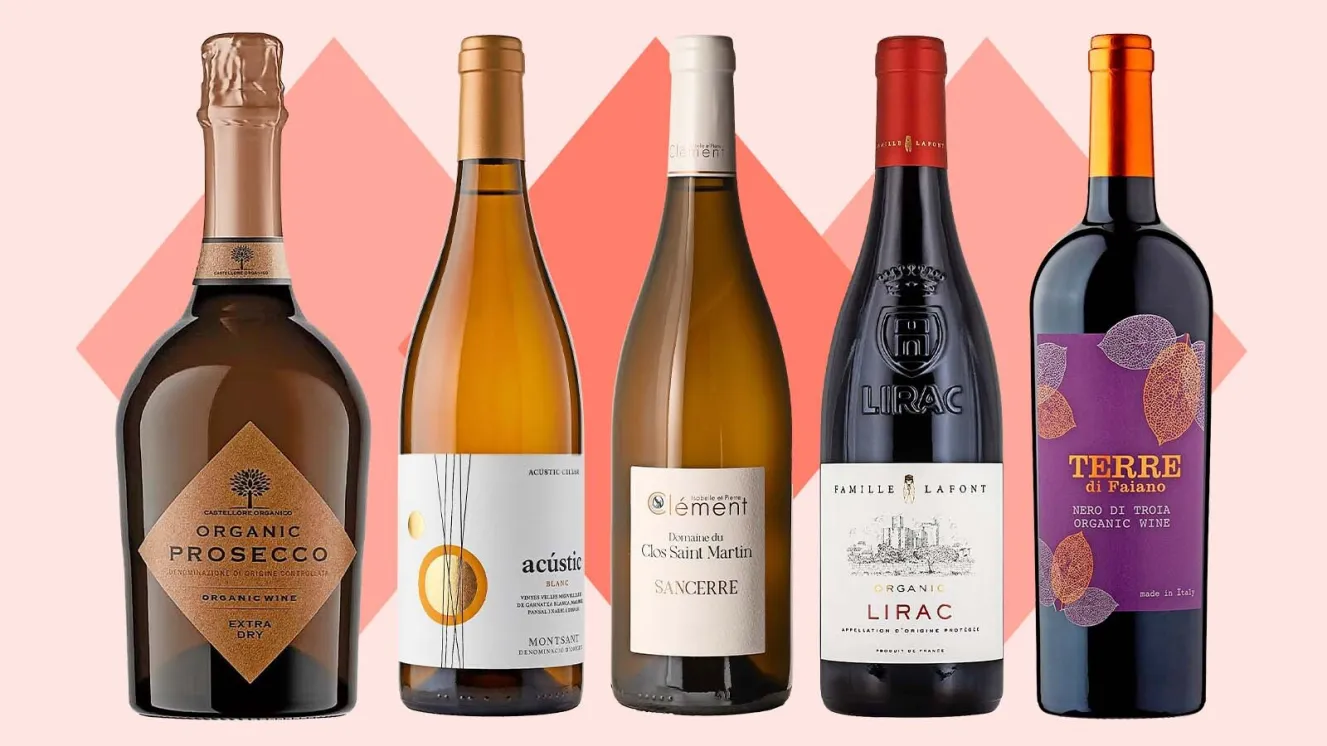
Fizz
Castellore Organic Extra Dry Prosecco, Italy
11 per cent, Aldi, £6.99
Organic prosecco has a tad more fruit than most and this light, appley, frothy pop has less sugar too.
White
2023 Acústic Blanc, Acústic Celler, Spain
15 per cent, leaandsandeman.co.uk, £23.25
An old friend, mostly grenache, bursting with bold, smoky stone fruit plus a long, exotic quince finish.
2024 Domaine du Clos Saint Martin Sancerre, France
12.5 per cent, Majestic, £28
Fifteen generations of winemaking expertise explain why this ripe, floral, fruity sancerre is the bee’s knees.
Red
2024 Famille Lafont Organic Lirac, France
14.5 per cent, Tesco, £14
With masses of robust, inky black fruit and a fine, herby finish, this vegan-friendly red rhône is worth £14.
2025 Terre di Faiano Nero di Troia, Italy
13 per cent, Tesco, £10.50
Puglia’s the place for big hearty reds including this ripe, tobacco leaf and mocha-scented charmer.