




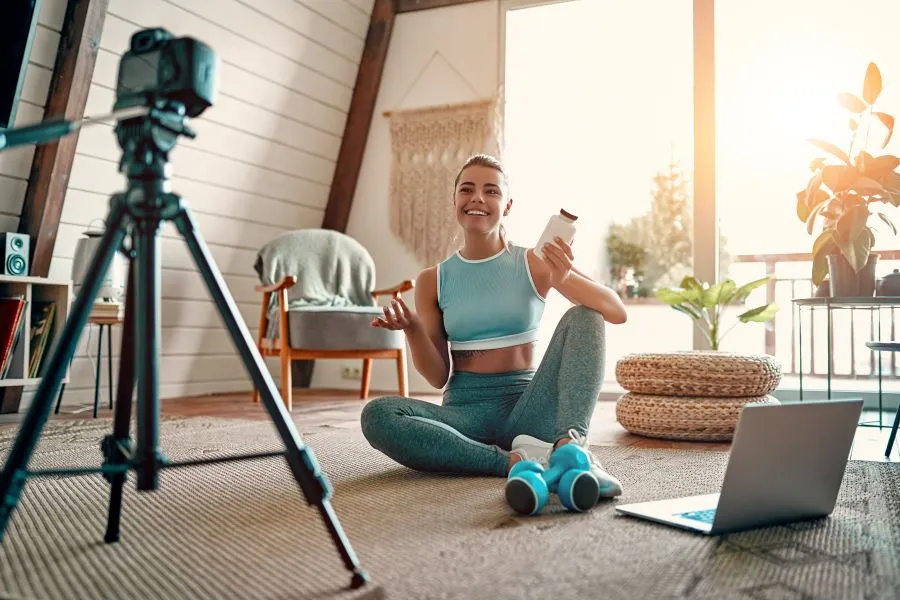
A study has revealed that “fitspiration,” the social media trend of motivational content around healthy diets and exercise, may bring unexpected negative impacts on the health and well-being of young adults.
The paper found that even short-term exposure can have negative consequences, such as reduced self-esteem, feeling unhappy about one’s looks, reinforcing unrealistic body standards, and causing unhealthy eating behavior. In severe cases, it may also lead to clinical eating disorders.
Nutrition Insight speaks with co-author of the paper, Dr. Valerie Gruest, Ph.D. candidate in Media, Technology and Society at Northwestern University, US, about the main nutritional trends on social media and how promoting a healthy eating and body ideal can be harmful for health.

“Social media has become a major space where nutritional trends are created, normalized, and rapidly distributed to large audiences. Within fitspiration content specifically, nutrition and dieting are often central themes, frequently framed as essential pathways to achieving the ‘ideal’ body or lifestyle.”
She says one of the most common trends is an emphasis on restrictive eating practices, such as heavy calorie monitoring, “clean eating,” elimination diets, and rigid food rules that categorize foods as either “good” or “bad.”
There’s also a strong focus on optimization and control: high-protein diets, low-carb approaches, meal-prepping culture, supplement use, and highly structured eating routines are commonly promoted within this content.
“What makes fitspiration particularly influential is that these nutritional messages are often paired with highly aspirational imagery and motivational language. So the dietary advice is not presented neutrally, it’s tied to ideas of discipline, success, attractiveness, and self-worth,” stresses Gruest.
“While some of these habits may appear health-oriented on the surface, the broader concern is that the messaging can encourage unhealthy relationships with food, guilt around eating, and overly restrictive behaviors, especially when consumed repeatedly or uncritically.”
Nutrition in fitspiration
The content on social media platforms is not typically produced by trained health or nutrition professionals. It is largely created and circulated by influencers, which means the focus tends to be on esthetics and quick outcomes rather than balanced nutritional adequacy or evidence-based dietary guidance.
 The content is mainly created and circulated by influencers, which means the focus tends to be on esthetics rather than balanced nutritional adequacy.A recent US survey has found that nearly half of citizens rely on unaccredited sources, social media, and AI-generated recommendations for nutrition advice rather than trained professionals. It flagged that consumers struggle to differentiate reliable data from misinformation.
“As a result, the conversation around essential nutrients is often absent,” says Gruest. “We rarely see attention to things like micronutrient balance, energy sufficiency, or individualized nutritional needs, especially in relation to performance, recovery, or long-term health. Instead, the emphasis is usually placed on simplification and control: cutting foods out, restricting intake, or following rigid ‘clean eating’ rules.”
In some cases, there is also a strong focus on products or strategies like supplements, high-protein regimens, or other performance- or weight-loss-oriented shortcuts, but these are often presented without context or professional guidance, she explains.
“The broader concern is that this can shift attention away from what nutrition actually is — something complex, individualized, and essential for both physical and mental functioning–and toward an overly esthetic or restrictive interpretation of ‘healthy eating.’”
She stresses the importance of promoting more evidence-based nutrition messaging online. “Ideally, we want to move toward content that reflects scientific understanding of dietary needs, supports sustainable eating patterns, and helps people build health and fitness routines that are actually beneficial in the long term, rather than purely appearance-driven.”
“A concerning pattern”
The paper has been published in Health Communications and analyzed 26 studies involving a total of 6,111 people aged 18–33.
The research team investigated data published between 2015 and 2023 in the US, Australia, Canada, Ireland, Italy, and New Zealand. The study participants were shown 10 to 100 images or videos portraying fitspiration, and their behavioral and psychological outcomes were then compared to those of people who were not shown this content.
The statistical analysis found that consuming fitspiration content led to poorer body image, more negative emotions, increased social comparison, and sometimes unrealistically strong diet and exercise motivation.
“While I expected some negative effects, I was struck by just how strong and consistent they were,” comments Gruest.
 Fitspiration content led to poorer body image, more negative emotions, increased social comparison, and sometimes unrealistically strong diet and exercise motivation.“The findings show a pretty concerning pattern, as this kind of exposure can harm both psychological well-being and health behaviors, which makes it all the more important that we keep examining its impact.”
At its core, fitspiration taps into something very human — the desire to improve ourselves, explains Gruest.
“That’s part of why it is so compelling: it speaks to motivation, aspiration, and the drive to become a ‘better’ version of who we are. The challenge is that social media often channels the drive toward very narrow, appearance-based ideals of what health and success should look like.”
What begins as “self-improvement” can shift toward more extreme forms of dieting and exercise, often framed as necessary to achieve those ideals. These trends can have a range of negative consequences.
Gruest explains that over time, this can contribute to more rigid and unhealthy relationships with food and exercise. So while fitspiration can feel motivating on the surface, it often embeds standards that don’t reflect a full or balanced view of well-being.
“That tension between genuine motivation and distorted ideals is what makes it so important to understand. It’s a reminder that the content we consume doesn’t just reflect how we think about nutrition and health; it actively shapes it.”
Long-term health effects
The study did not examine long-term health trajectories of sustained exposure to motivational content and behavior change. However, prior studies confirm that repeated exposure to appearance-focused ideals, combined with restrictive dieting behaviors, can increase the risk of developing disordered eating patterns, says Gruest.
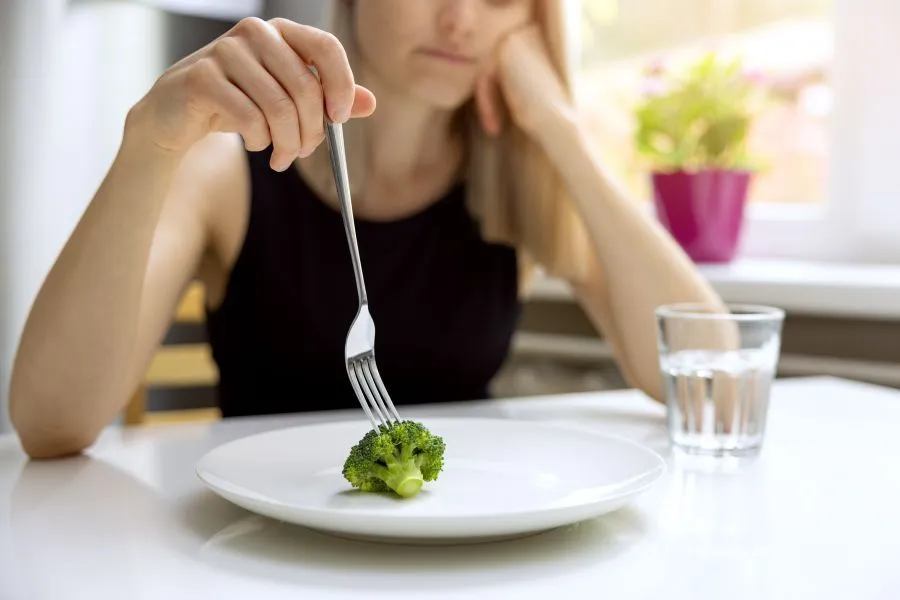 Over time, following these eating and exercise patterns can place significant strain on both physical and mental health.This can include chronic dieting, rigid food rules, episodes of binge-restrict cycles, and an unhealthy preoccupation with food and body control. Over time, these patterns can place significant strain on both physical and mental health.
“Research has also linked sustained body dissatisfaction and restrictive eating behaviors to increased risk for clinical eating disorders, which are serious mental health conditions associated with significant medical and psychological consequences,” she stresses.
“Importantly, while eating disorders are treatable, they can be severe, long-lasting, and require comprehensive care. Beyond diagnosed conditions, even subclinical patterns, such as persistent dieting or compulsive exercise, can negatively affect quality of life, mood, energy levels, and social functioning. So the concern is not only about extreme outcomes, but also about the more gradual ways these behaviors can shape everyday well-being over time.”
She adds that food and exercise trends on social media tend to be highly prescriptive. They often promote rigid “rules” around what to eat, when to eat, and how to exercise, framed as necessary for health or self-discipline.
“In some cases, this overlaps with what research has described as orthorexic tendencies — a fixation on ‘clean,’ ‘pure,’ or ‘perfect’ eating that can become psychologically and behaviorally restrictive, even when it is not formally diagnosed as an eating disorder. That is exactly why more inclusive and representative research in this space is so important moving forward,” she concludes.