


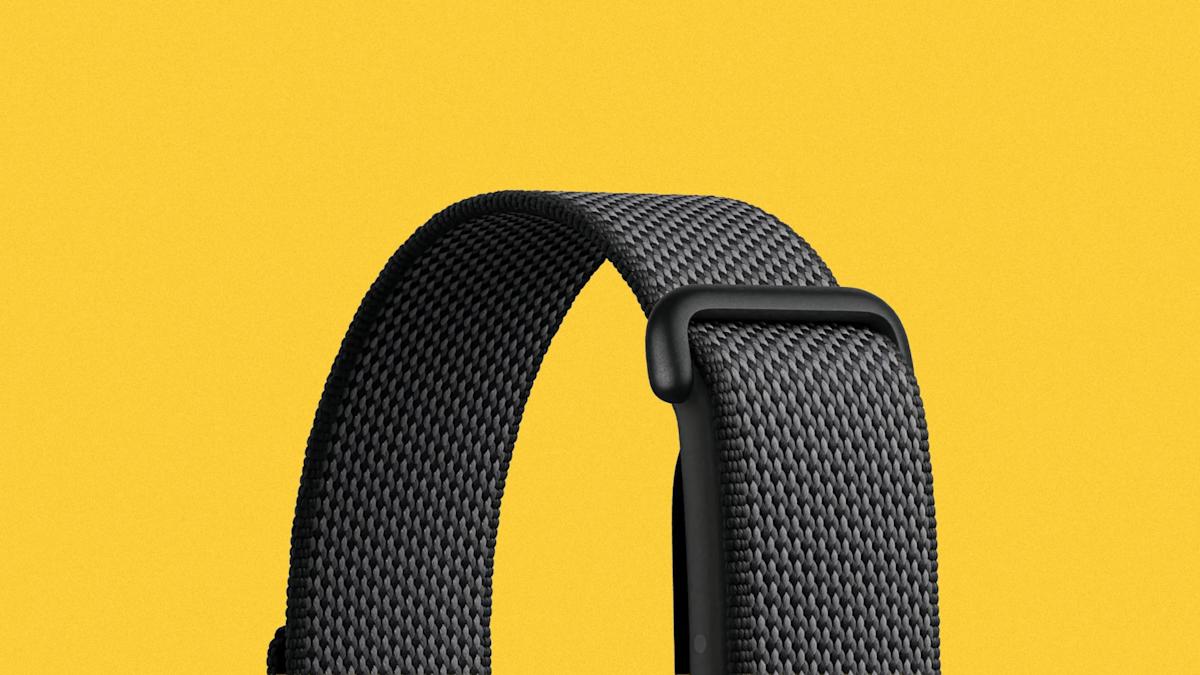
The Fitbit Air looks like a Whoop rival on paper, but its bigger significance may be what it says about growing consumer fatigue with smartwatches.
If you buy from a link, we may earn a commission. Learn more
For years, big tech has treated wearables with screens as an inevitability.
Every new fitness tracker became a little more like a smartwatch. And every smartwatch became a little more demanding of your regular attention, which, if we’re being honest, has felt like the industry’s true endgame for years.
Advertisement
Advertisement
But now, the pendulum might, just maybe, be swinging back towards its early roots, thanks, in part, to the brand that first made fitness trackers a thing nearly 20 years ago.
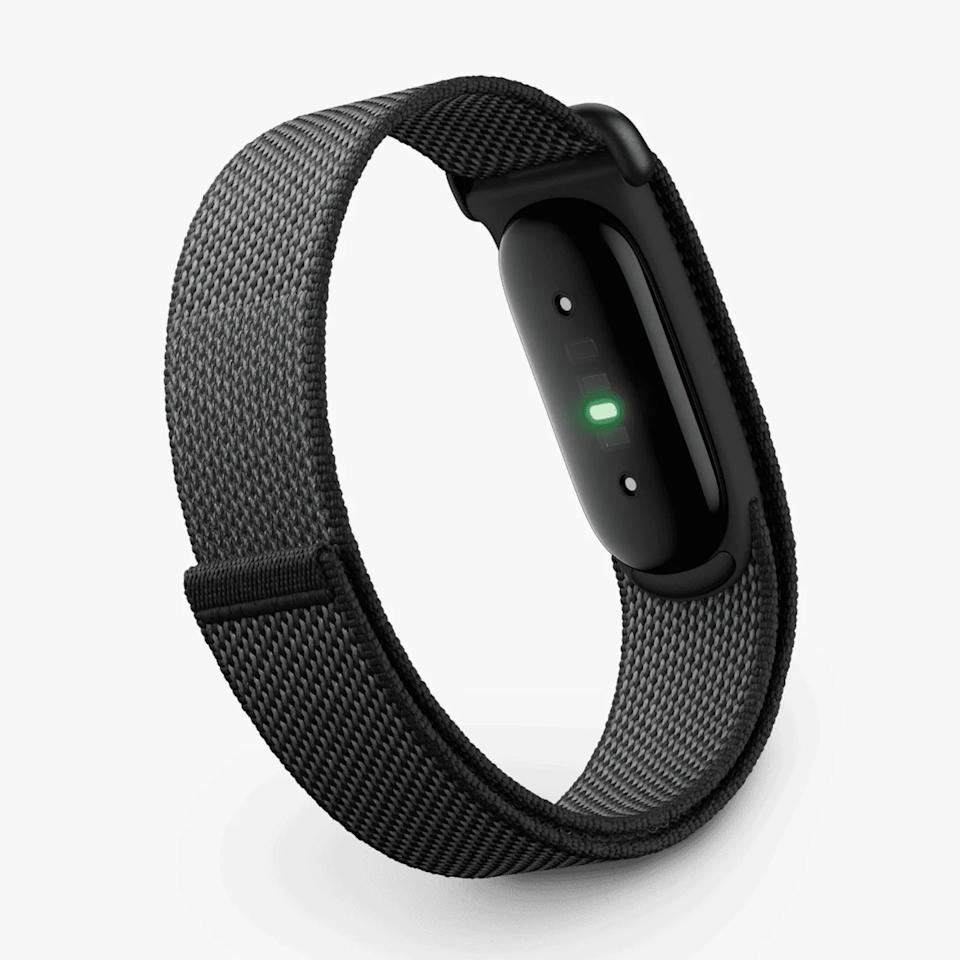
The Fitbit Air is the first new health tracking device from the now Google-owned wearable company in four years. – Credit: Google
Google’s newly announced Fitbit Air is a fully modernized $99 screenless device that strips the hardware side of the fitness and health-tracking equation down to its essentials: health tracking, battery life, and subtle design.
It can’t show texts or emails. It doesn’t mirror notifications. It can’t file your taxes. And these hard nos aren’t design limitations. They’re the biggest selling point.
What it does and doesn’t really owe to Whoop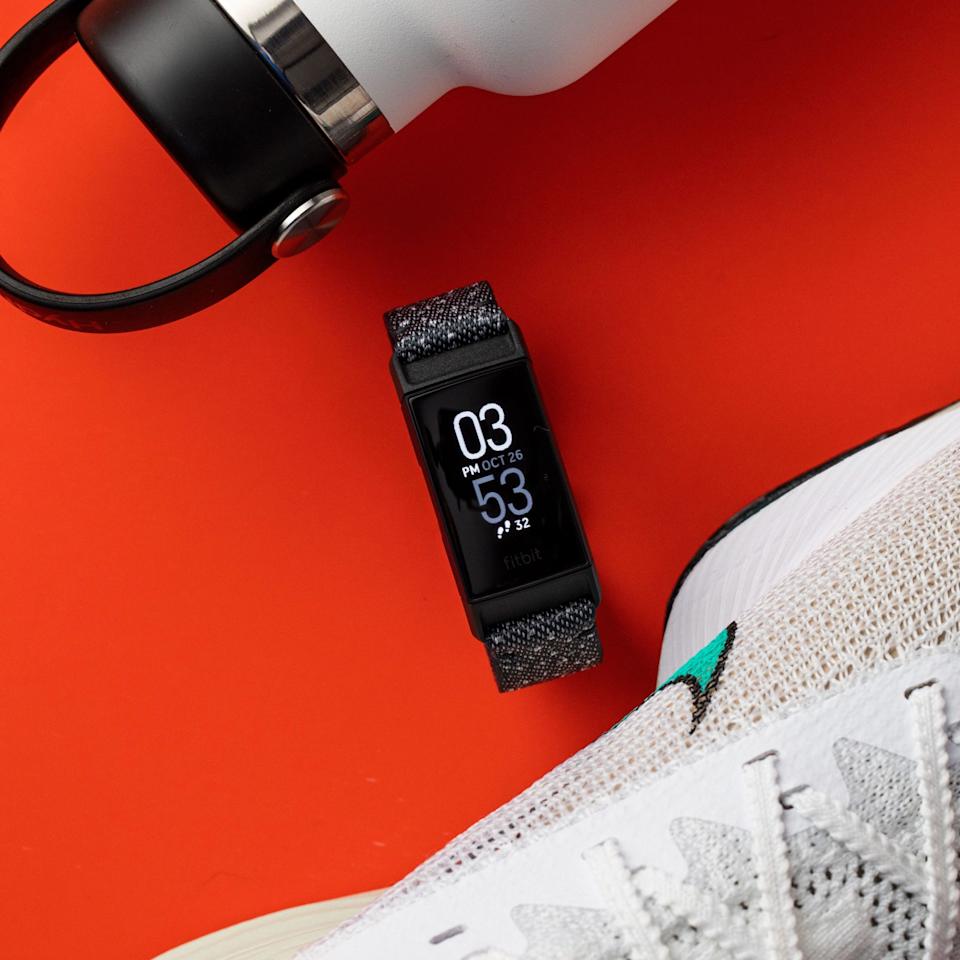
After pioneering the fitness-tracking category with a simple clip-on form factor, Fitbit released a range of new wearables that increasingly leaned on screens as the industry shifted towards smartwatches. The new Fitbit Air is a total about-face to this trend. – Credit: Gear Patrol Studios
Most coverage will understandably frame the Fitbit Air as a new rival to Whoop due to its similar form factor and purpose. But this take feels myopic on multiple fronts.
Whoop can’t take credit for inventing the dedicated fitness tracker or popularizing it.
Advertisement
Advertisement
The original Fitbit tracker launched in 2009 three years before Whoop was founded. The lightweight tracker was designed as a clip that hooked onto clothing or shoelaces and focused almost entirely on passive data collection, with a tiny LED display capable of little more than showing your daily step count.
Today, the first Fitbit looks almost primitive compared to modern wearables. But the company deserves enormous credit for jumpstarting the product category a full five years before the Apple Watch arrived and transformed fitness tracking into a far more screen-centric experience built around apps, notifications and constant interaction.
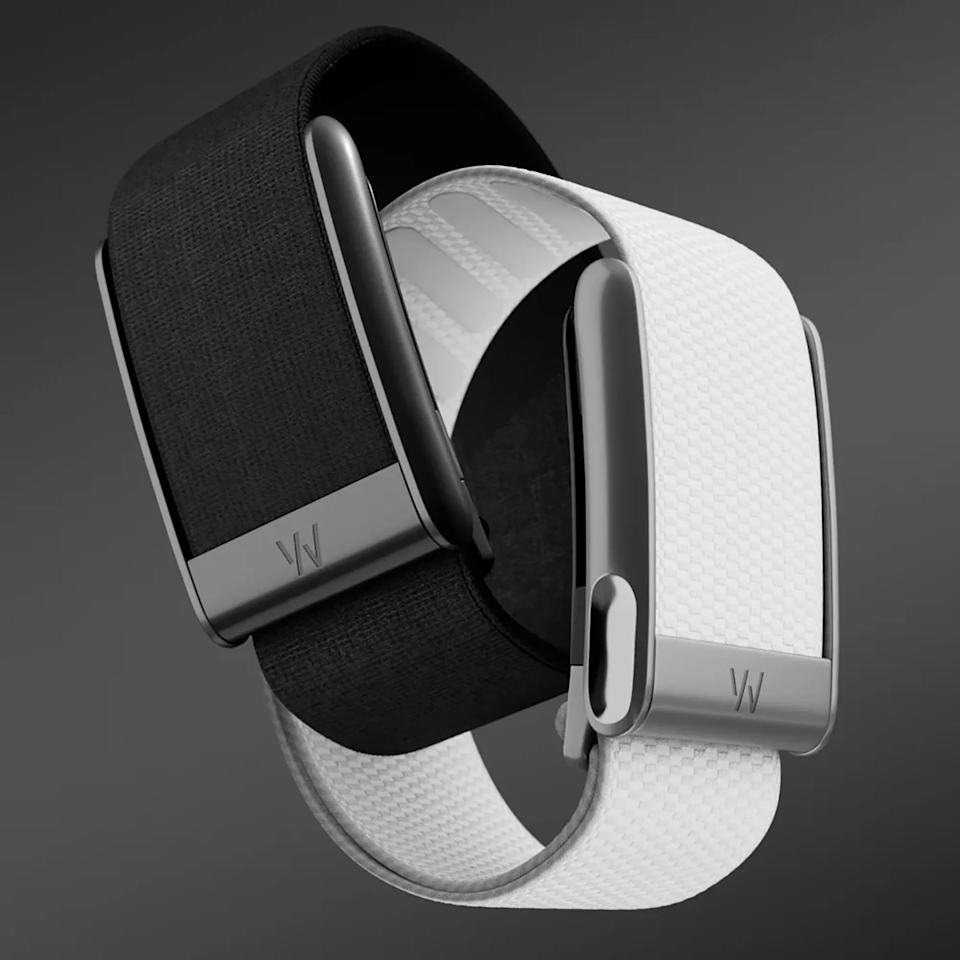
The Fitbit Air adopts the low-profile wearable approach popularized in part by Whoop (shown above), but pairs it with a simpler and cheaper experience. – Credit: Whoop
Advertisement
Advertisement
Fitbit also helped popularize one of the most frustratingly entrenched, misunderstood and parodied aspects of the modern wellness era: the famous 10,000-step goal.
As The Guardian reported years ago, the target itself was less rooted in rigorous medical science than many consumers realized, tracing back largely to a Japanese pedometer marketing campaign from the 1960s. While modern research still strongly supports the benefits of regular movement, the tech industry’s fixation on that exact number – and lack of attention to the role of rest and recovery – has increasingly come under scrutiny.
That combined history would make the Fitbit Air release feel oddly circular, if not for the impact that Whoop has had beyond wearable hardware design.
The plucky tech startup competing under the shadow of global tech titans proved to consumers that devices once dismissed as battery-powered step counters can serve as ultra-advanced health monitors, performance trackers, and coaches when paired with robust software.
Advertisement
Advertisement
And it’s continued, and undeniable success has also proven something else equally important.
After years of being bombarded with ever-larger displays and deeper app ecosystems, a growing number of consumers seem increasingly interested in wearable tech that quietly disappears into the background.
A new era for Fitbit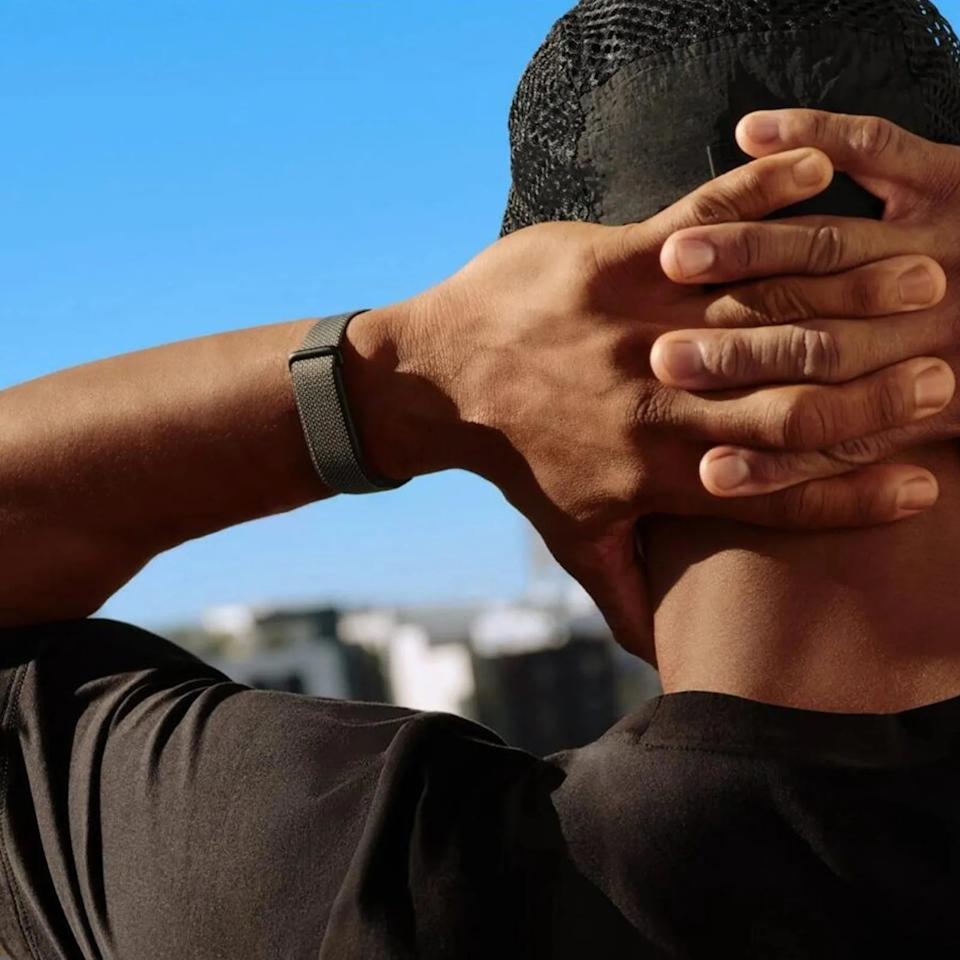
Fitbit’s original philosophy of passive health tracking returns in a far more sophisticated form with the Fitbit Air. – Credit: Google
After spending more than a decade chasing larger displays and honing the Pixel Watch and kid-focused wearables like the Ace, Google now appears to be steering the Fitbit team back toward the hardware philosophy that originally made the brand successful.
That shift feels notable because Fitbit’s future has looked increasingly uncertain since Google acquired the company in 2021.
Advertisement
Advertisement
As legacy Fitbit devices were gradually discontinued and Fitbit’s expertise became more deeply integrated into Google’s broader health and wellness ambitions, many consumers wondered whether the brand itself might slowly fade into the long list of Google acquisitions absorbed into a larger ecosystem.
Instead, the Fitbit Air marks the company’s first major new Fitbit hardware release in roughly four years and potentially a bigger return to form for the brand.
Simple and sleek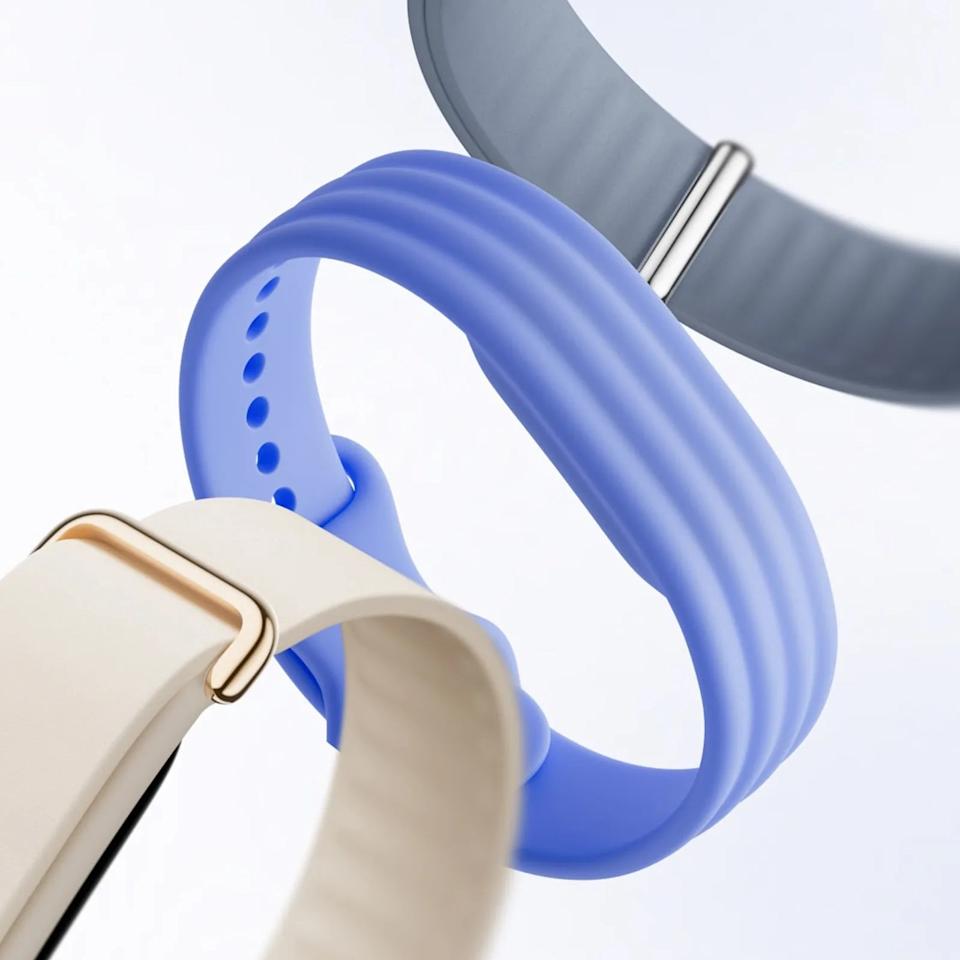
The new hardware combines Fitbit’s minimalist roots with Google’s newer AI-driven health ambitions. – Credit: Google
The new Fitbit Air is intentionally simple.
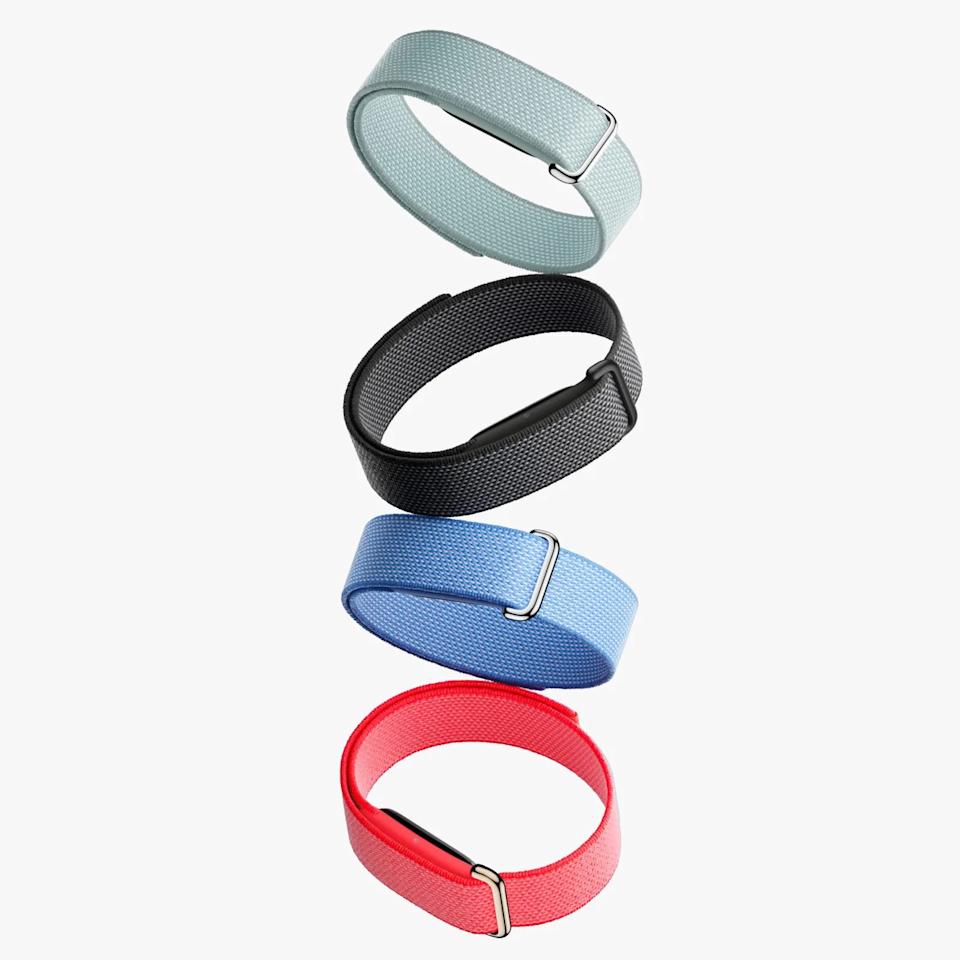
It consists of a lightweight, pebble-shaped tracker that easily swaps in and out of various interchangeable band styles, ranging from sportier woven straps to sleeker lifestyle options.
Google says the device is 20 percent lighter than the old Fitbit Luxe, offers up to seven days of battery life and automatically tracks workouts, sleep, heart rate, blood oxygen levels and recovery metrics.
Advertisement
Advertisement
Using the Air doesn’t happen on the device itself for the most part. Instead of interacting directly with the tracker, users primarily engage through the Google Health app.
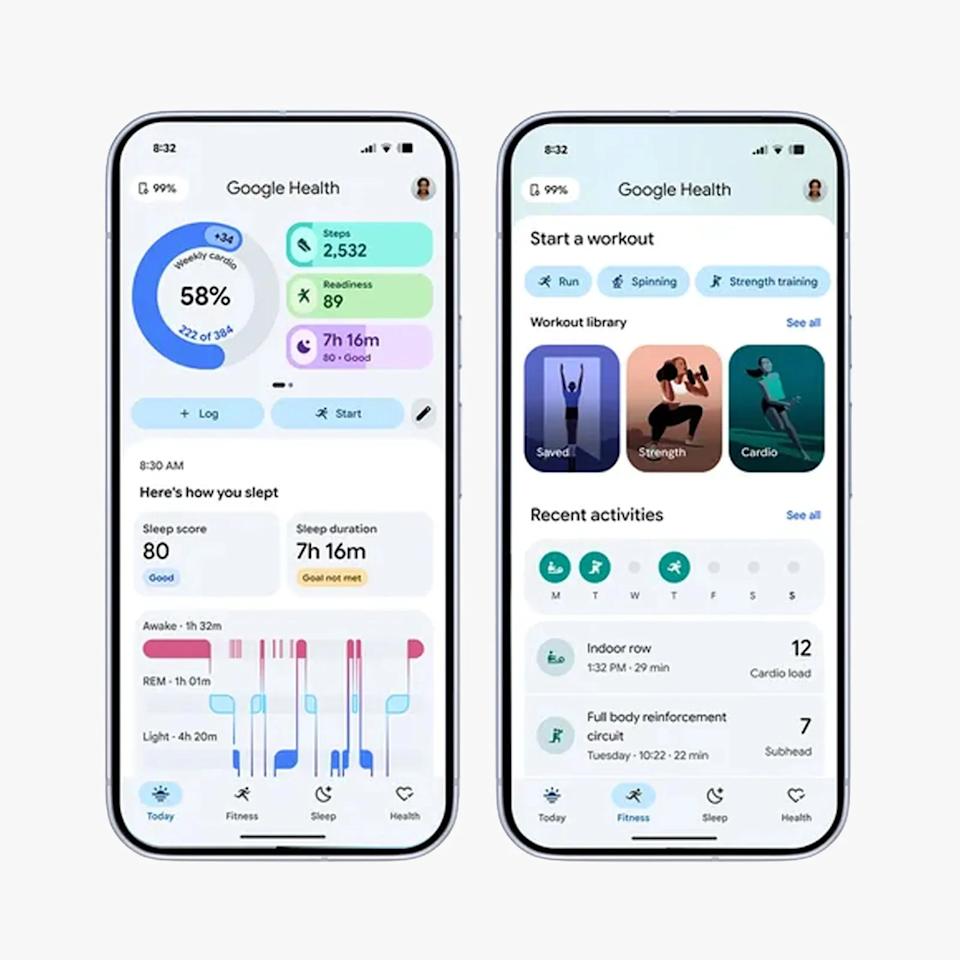
Standard wellness tracking is free, while Google Health Premium expands the experience with AI-driven coaching and personalized analysis for a monthly or annual fee. – Credit: Google
The standard experience includes core health tracking and wellness insights, while an optional Google Health Premium subscription, which costs $10 a month or $99 a year, can add deeper coaching tools and Gemini-powered AI insights designed to interpret long-term health patterns and habits.
Google is also positioning the app as something larger than a traditional fitness dashboard. Similar to Apple’s own Health platform, the company says users will eventually be able to integrate medical records, lab results and additional wellness data into a more unified health system
As is always the case when Google’s involved with personal data, the company’s increasingly unified health ecosystem could become either a major advantage or a major liability, depending on how consumers respond to deeper AI integration and data sharing concerns.
Far from a true Whoop dupe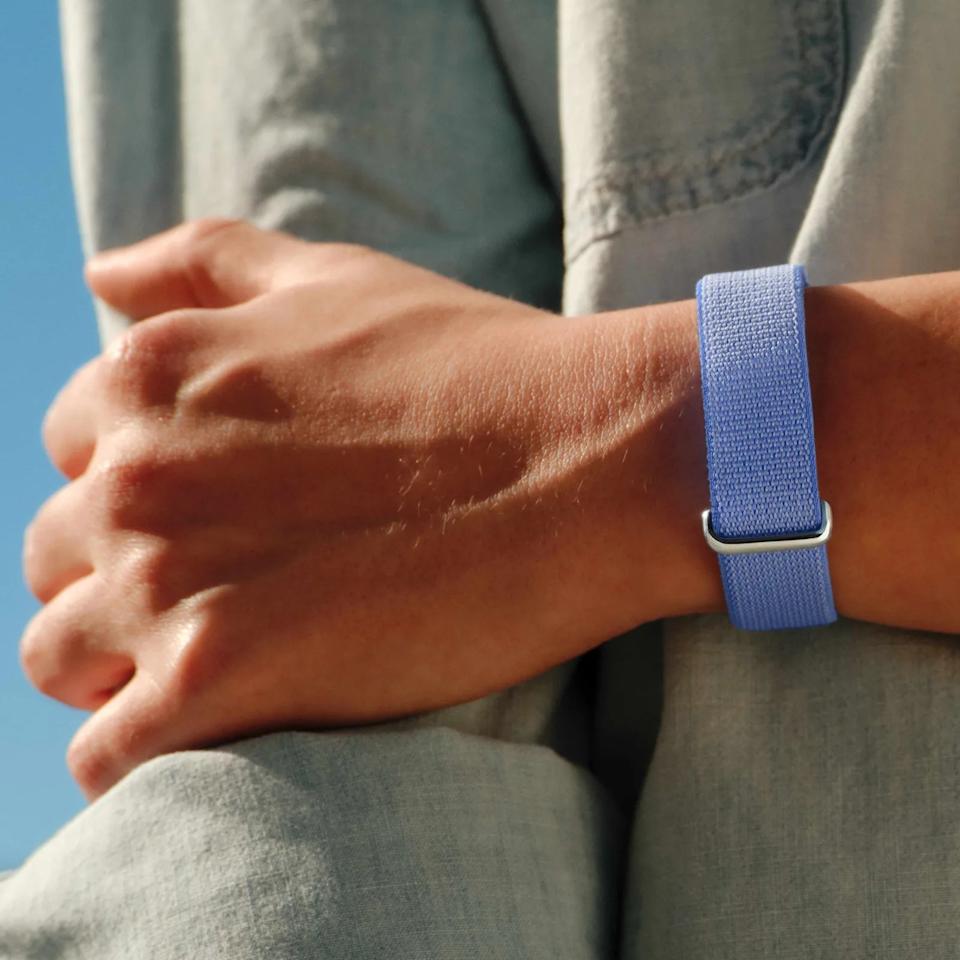
The Fitbit Air is noticeably thinner than the Whoop 5.0. It’s also significantly cheaper to puchase, especially for anyone hoping to use the device over the course of several years. – Credit: Google
Advertisement
Advertisement
Though they may look similar, the Fitbit Air is noticeably smaller than the Whoop 5.0.
Google says the Fitbit Air measures just 1.4 by 0.7 by 0.3 inches and weighs 12 grams with its band attached, while Whoop lists the 5.0 at 34.7 mm by 24 mm by 10.6 mm — roughly 1.37 by 0.94 by 0.42 inches — with a substantially thicker and wider footprint.
That Air’s weekish-long battery life is also half of the quoted 14-day max cited by Whoop.
But the Fitbit Air also enters the market at a dramatically lower price point of $100.
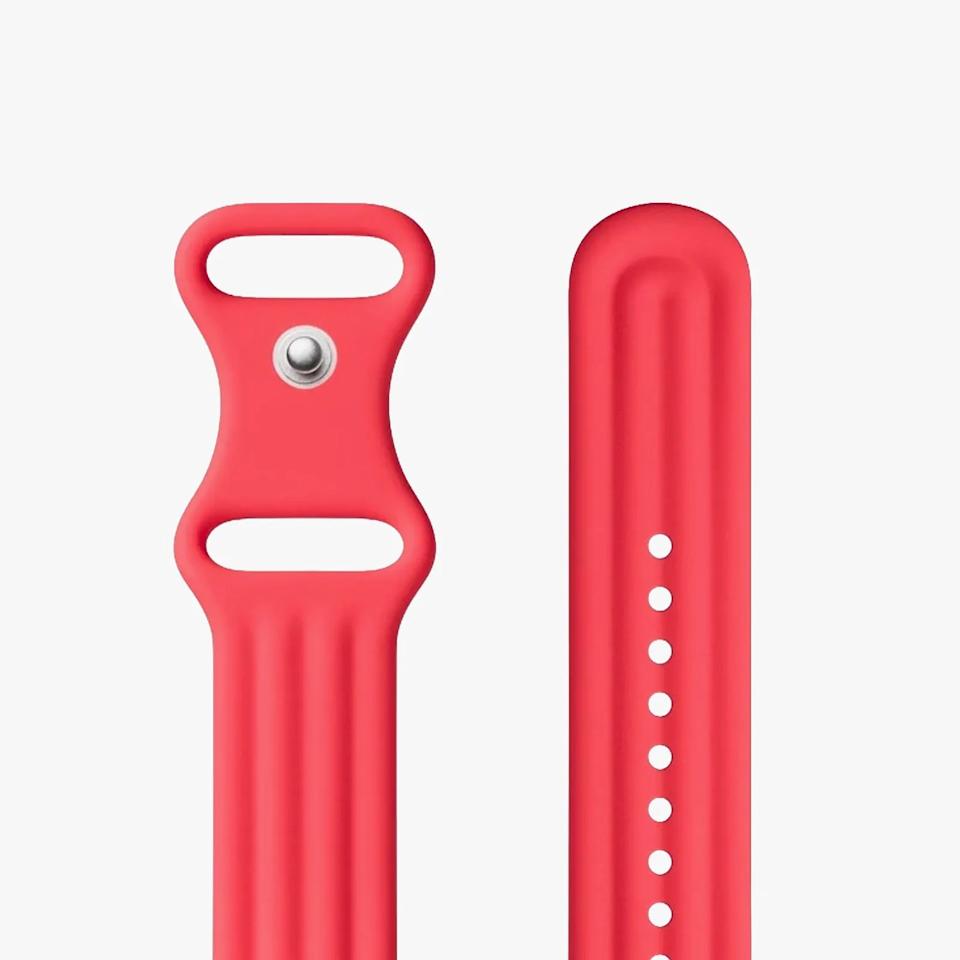
Google has designed a range of strap options to match owners’ lifestyles. – Credit: Google
For comparison, Whoop’s business model doesn’t sell trackers to consumers outright. Instead, users purchase annual subscriptions that include the wearable alongside access to the companion app. And the entry-level Whoop option costs $199 for 12 months of use.
Based on the dashboard and press information available about the Air so far, Fitbit doesn’t appear to be chasing the same hyper-optimized audience obsessed with strain scores, longevity metrics and recovery-maxing as the Whoop either.
Back to the future?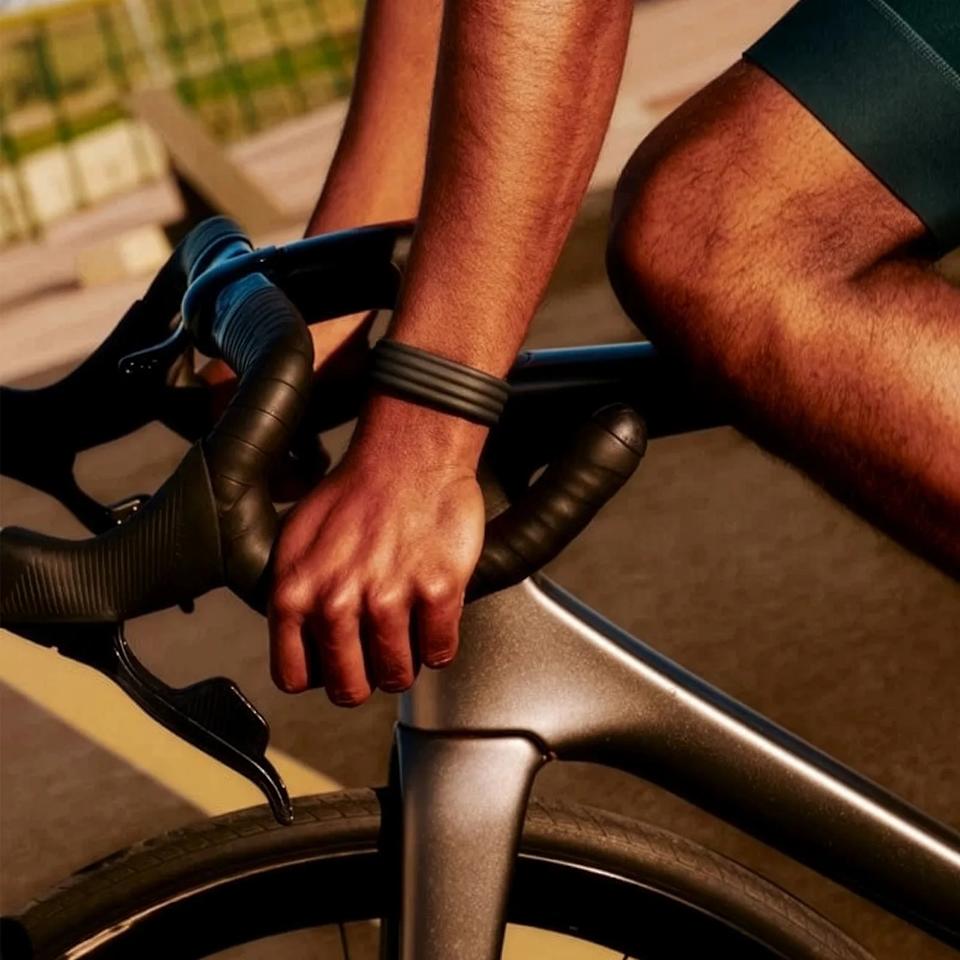
The new Fitbit Air suggests Google has finally reassessed what made Fitbit compelling in the first place. – Credit: Google
Scroll through Reddit discussions about why users gravitate toward Whoop or threads filled with watch enthusiasts embracing screenless trackers, and a recurring theme quickly emerges. Many people still want robust health data, but no longer want a smartwatch dominating their wrist or attention span.
Advertisement
Advertisement
It’s an opening in the wearable market that Apple, despite its continued dominance in smartwatches, has shown surprisingly little interest in pursuing. At the same time, Whoop has remained laser-focused on securing the respect of a more intense and demanding subsegment.
The Fitbit Air may not threaten Whoop’s hold on serious athletes just yet, especially given the latter’s deeper recovery ecosystem and coaching tools. Nor is it likely to convince masses of entrenched Apple Watch users to suddenly abandon their ecosystem.
But the device also doesn’t need to do either to become important.
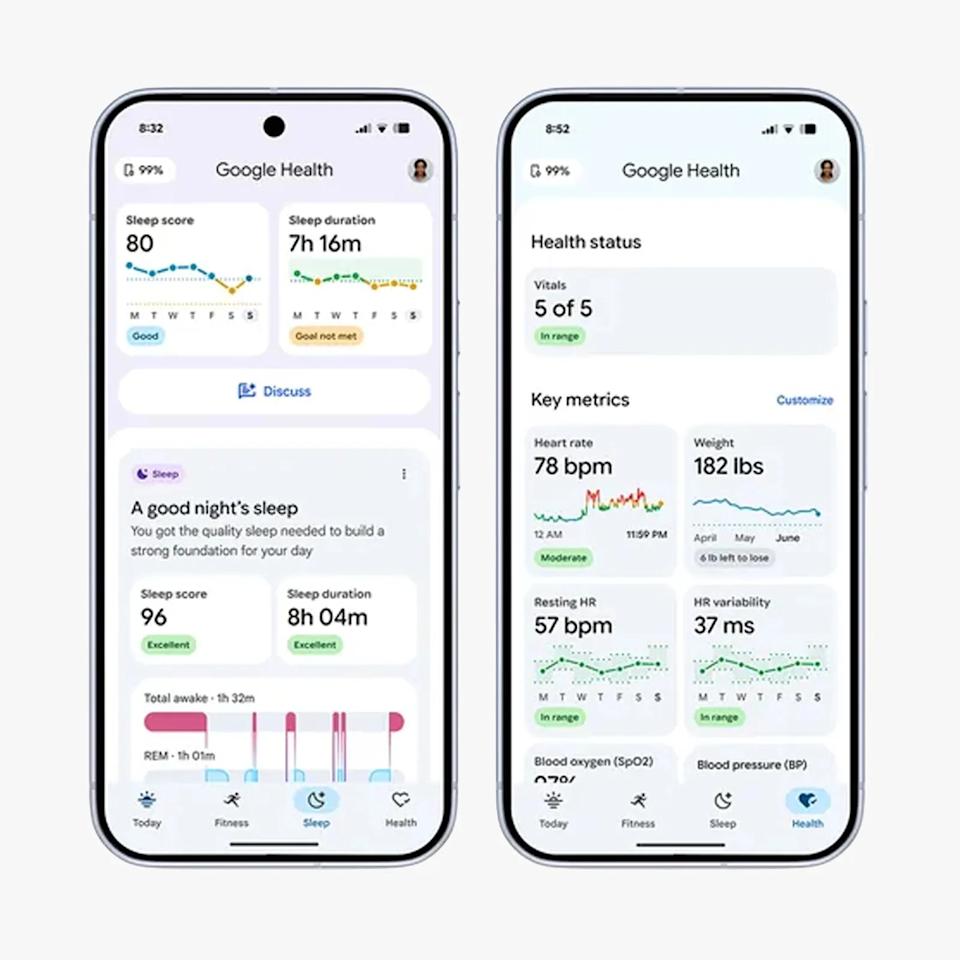
The new Google Health app begins rolling out on Android and iOS starting May 19. – Credit: Google
In the 17 years since Fitbit kicked off the wearable race, the industry has largely split into two directions, and the Fitbit Air feels like one of the first major reboots in years to seriously target the enormous middle ground sitting between those extremes.
Advertisement
Advertisement
The new Fitbit Air suggests Google has finally reassessed what made Fitbit compelling in the first place. Not as another screen competing for your attention, but as a simple piece of hardware quietly helping normalize the idea that everyday health data could be useful at scale.
Only now, the sensors, software and health ecosystem behind that original idea are dramatically more powerful than they were the first time around.
Availability and pricing
The Fitbit Air is available for preorder now, starting at $100, and includes a three-month trial of Google Health Premium.
The Stephen Curry special edition version costs $130.
Google says the Fitbit Air officially launches on May 26, while the new Google Health app begins rolling out on Android and iOS starting May 19.
 Google Fitbit AirAbout the Author: Ben Bowers is the Co-Founder and Chief Content Officer of Gear Patrol. Throughout his tenure in media, Ben has written and reported on everything from consumer tech to whiskey, watches, cars, camping, and personal style. These days, he gets to write less than he’d like to.
Want to stay up to date on the latest product news and releases? Add Gear Patrol as a preferred source to ensure our independent journalism makes it to the top of your Google search results.