




When I began exploring wellness strategies nine years ago, I looked for a remedy that gyms could not provide.
As a lifelong Hongkonger, I had envied the serenity of the elders moving through graceful qigong and tai chi sequences in parks at dawn. I wanted what they had; instead, I found frustration.
While English-language yoga studios thrived on every corner, finding the Chinese “internal” arts in English was nearly impossible.
I eventually discovered a teacher in a faded Sai Ying Pun walk-up who spoke limited English. During our first session, he mockingly waved his arms in feeble circles, mimicking the practitioners I’d seen in Central’s Botanical Gardens. “This thing you see people doing in the parks?” he said scathingly. “This is not tai chi!”
Today, while a handful of English-speaking instructors have emerged, the tradition remains largely inaccessible to expats and younger Chinese alike. Yoga still reigns supreme in Hong Kong, despite science finally validating the profound benefits of the ancient Chinese breath-movement traditions.
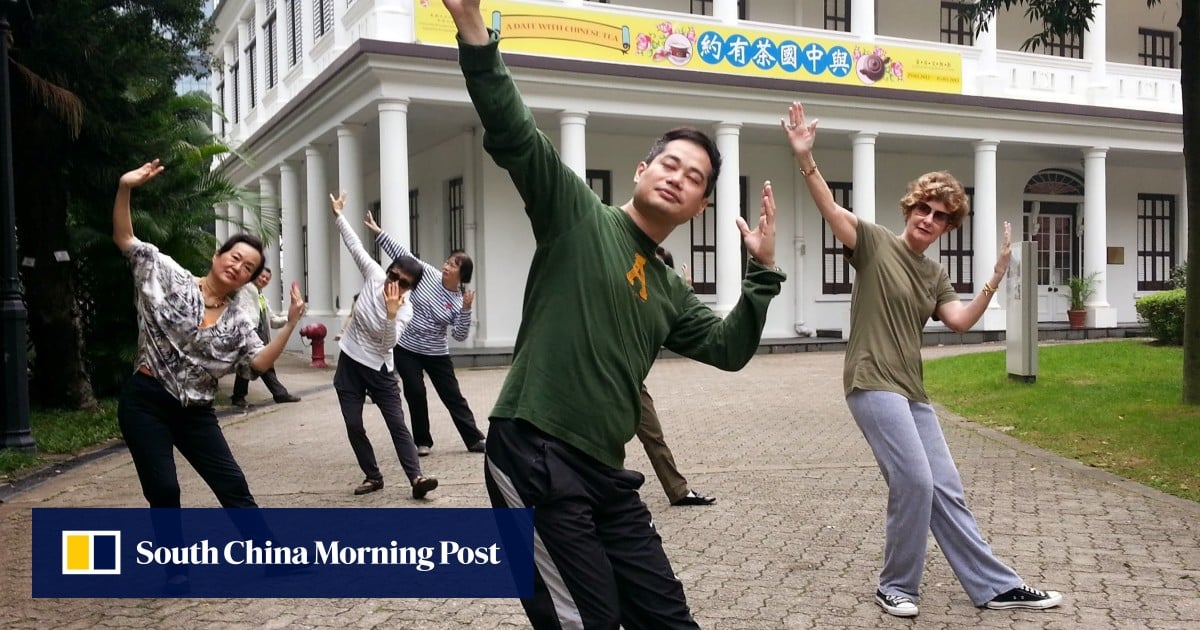
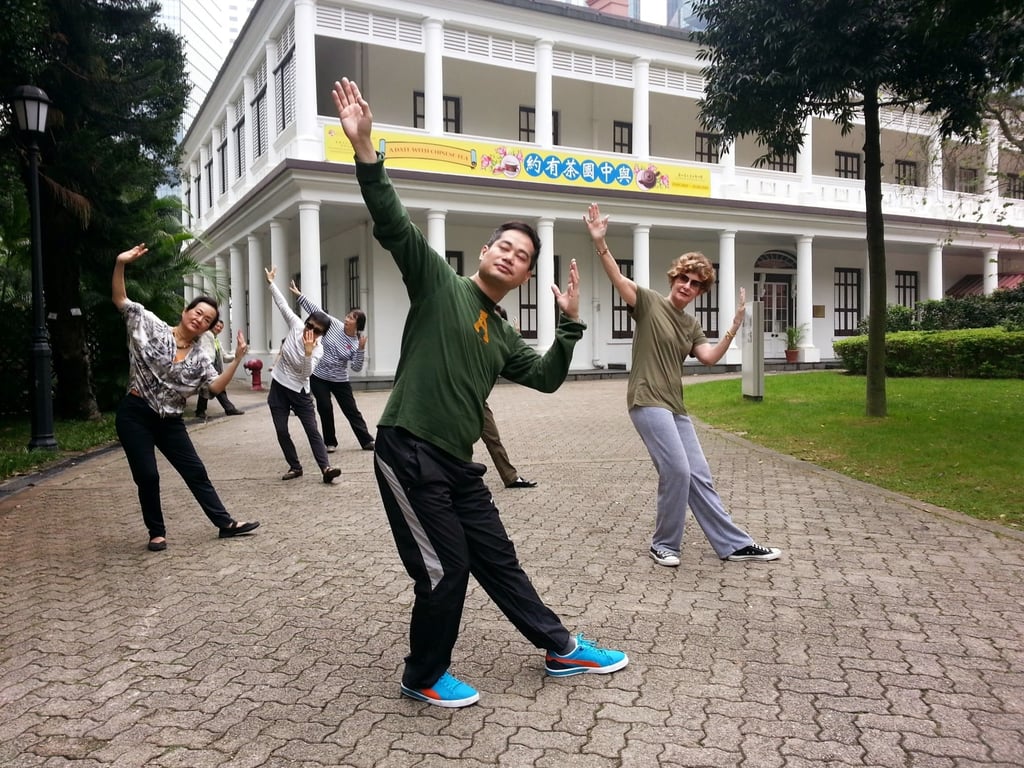 Qigong and tai chi practitioner Lawrence Tse (centre) leads a class in Hong Kong Park. Photo: Lawrence TseA rapidly ageing cityIn 2024, Hong Kong crossed the UN threshold for a “super-ageing society”: more than 20 per cent of the population is now aged 65 or older. By 2039, that is expected to rise to 31 per cent. Life expectancy sits at 84 for men and 88 for women, with few places offering better odds of surviving to 100.