



One day this past fall, I found myself wearing four different wearable wellness trackers at once. My running watch was strapped to my left wrist, and a Whoop was on my right. My Oura Ring was on my pointer finger, and my Lingo continuous glucose monitor was on the back of my arm. When I went to sleep, my Eight Sleep Pod and Ozlo sleepbuds joined in to track my breathing patterns, heart rate variability (HRV) and REM sleep.
With all of these devices combined, I was collecting data from my blood, my steps and even my breath, but I wasn’t using it for anything other than my own awareness. So I decided to take a step back and be more intentional. I set a 90-day goal to pare down the number of fitness trackers I wore and to then actually use the data to make meaningful changes to my health in three specific areas, the core components of longevity: stress, sleep and fitness.
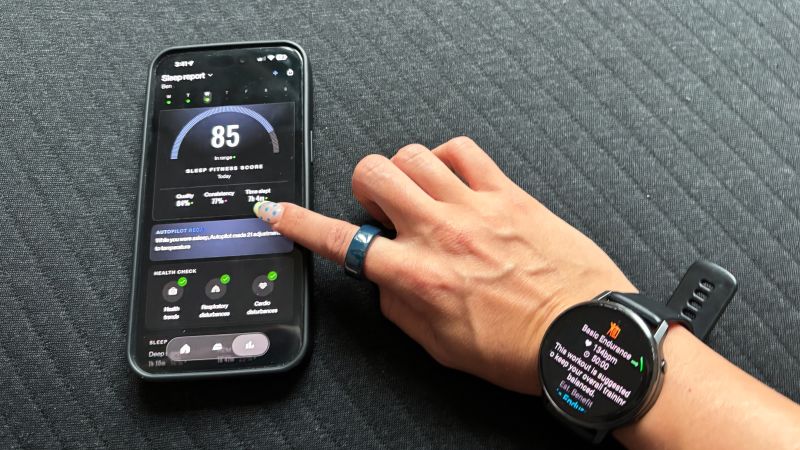
Through this journey, I relied on the Oura Ring 4 Ceramic, Garmin Venu 4 and Eight Sleep Pod 5 to help me become the best version of myself. Here’s what happened.
Longevity is currently a bit of a buzzword. While the dictionary definition refers to “a long duration of individual life,” the tech world sees it as a lifestyle built around “biohacking” our bodies to live forever. Personally, I see longevity as more of a marker of living comfortably in good health for as long as possible. At 30 years old, I have an autoimmune disease that eats away at my cartilage and causes arthritis and chronic fatigue. Instead of accepting defeat and succumbing to the couch, I hope to use new technology and data to help my body move (and stay moving) with minimal pain. Living for 100 years would be nice too, but that’s more of a secondary prize in my mind.
There are many niche metrics you can measure when tracking sleep, stress and fitness, so I narrowed down which data points to focus on for this 90-day challenge.
For sleep, I used the Eight Sleep pod to analyze my deep sleep data and energy levels. I chose deep sleep because this is the stage where your body rebuilds your immune system, releases growth hormones that restore muscle and bone tissue and stores memories, per the Cleveland Clinic. I have arthritis and had a string of colds this past fall, so I was willing to do anything to support my joints and immunity.
Before beginning this challenge, I was getting anywhere from four to six hours of sleep each night. I would wake up a few times to go to the bathroom, switch sleep positions or throw on some extra layers if I was chilly. This led to many drowsy mornings, anxiety and an overconsumption of coffee that brought about an endless cycle of bad sleep, moodiness and stress.
For fitness, I used my Garmin Venu 4 to track my VO₂ Max. “VO₂ Max is a marker for how much oxygen your body can use during intense exercise, which is a good indicator for your overall cardiovascular and metabolic fitness,” Kristina Centenari, a wellness expert and Nike running coach, said. “Keeping track of changes in VO2 Max over time can help show whether training is actually improving aerobic capacity versus just feeling hard.”
Most people have a VO₂ Max score between 20 and 60. A “good” VO₂ Max depends on your gender and age. For example, 42.4 is a good score for men between the ages of 40 and 49, and a 36.3 is a good score for women in that same age group, per Garmin. The University of Kansas Medical Center has a handy calculator in which you can input your age, score and sex and output a percentile rank that’s comparable to people of the same age and sex.
According to Harvard Medical School, a high VO₂ max “correlates to better physical fitness and is associated with a lower risk for cardiovascular disease and increased longevity.” Sedentary people lose cardiovascular capacity twice as fast as people who exercise consistently, per the American Heart Association. So, tracking this score and working to improve it is beneficial to long-term health.
To track my fitness, I also used Garmin’s race predictor in tandem with VO₂ Max measurements. During this challenge, I was training for a marathon, and it predicted I’d finish in three hours and 37 minutes. My starting VO₂ Max was a little below 52.
Lastly, for stress, I relied on Oura’s daytime stress feature, which measures heart rate, HRV, motion and temperature. “HRV reflects how well your nervous system is responding to stress,” Centenari said. “This matters because your body’s ability to handle and recover from stress largely determines how well it adapts to exercise. Higher or more stable HRV generally means your body is recovering and adapting well. Prolonged drops can mean you are overfatigued or under-recovered.”
The Oura Ring 4 Ceramic tracks how long your body is in a stressed state every day, so I decided to compare my average daily stress from the beginning to the end of this challenge. At the start, my daily average for stress was between two and six hours during the work week and below two hours on the weekends.
To make sure I was looking at my data properly, I also tapped wellness experts for their advice on which metrics to measure and which data to focus on. Then, they helped me make a plan to improve these metrics that was both attainable and uncomplicated. Below are three areas they said to focus on during this process.
Many wearables display readiness or sleep scores, which Centenari said are great tools for increasing activity levels. “This type of data can help address the common mistake of doing too much too soon,” she said. “You need progressive overload to see improvement, but it needs to be balanced with adequate recovery.”
So, if you’re in the middle of a training cycle or trying to form a new fitness routine, and your watch says your body is under too much strain, taking the day off could be more beneficial for your recovery than pushing through a workout.
Trust your body
While a readiness score can be helpful, the experts I spoke with cautioned against becoming too preoccupied with data and recommend listening to your body above all else. “This kind of self-awareness is a skill you have to keep practicing without outsourcing,” Centenari said. For example, some watches suggest working out each day, but if you feel sick, you should take the day off to beat the illness. If you’re feeling sluggish, you could turn a suggested hard run into a recovery jog or perhaps a walk so that you have a better chance of feeling back to your normal self sooner.
It’s never fun looking at your sleep stats and seeing that you only got four hours of shut-eye, nor is it ideal to fail a workout or receive an abysmal readiness score to start your day. While these daily stats are important, it’s better to focus on long-term metrics, Centenari said. She recommends looking at weekly or monthly patterns and focusing on those rather than isolated numbers.
With all this advice in mind, I was ready to track my sleep, stress and fitness to hopefully improve each metric and thus, my longevity.
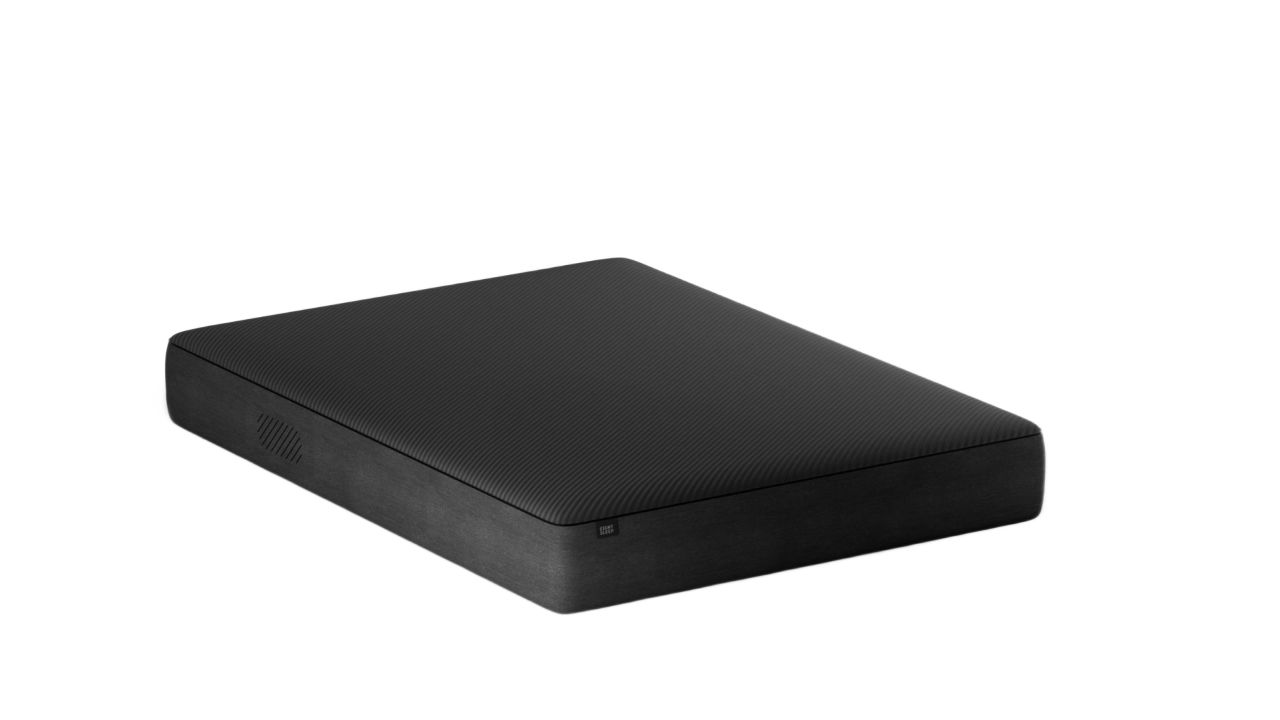
Eight Sleep’s Pod 5 is a sleep-tracking mattress cover that automatically adjusts its temperature to enhance your slumber. Its features include heart rate tracking and temperature control, and it offers thermal and vibrating alarms to help you wake more peacefully.
Better sleep yields a longer life. In fact, one recent study found that people with adequate sleep patterns (seven to eight hours of uninterrupted sleep a night) can live up to five years longer than those with suboptimal patterns.
At the beginning of this experiment, I was averaging around six hours of sleep per night at most. I often woke up several times a night, as well as did lots of tossing and turning, which disturbed my fiancé’s sleep too. I wanted to improve my sleep so that I could (hopefully) live longer and (hopefully) not ruin my relationship by keeping my partner up all night.
The Eight Sleep Pod 5 has more bells and whistles than I could imagine, but it boasted one very specific feature I knew I needed: temperature control. My partner and I have different thermostat preferences; he likes it chilly at 60 degrees F, and I prefer 70 degrees. This discrepancy has led to more bickering than I’d like to admit, as well as many instances of waking up at 3 a.m. to scour my dresser for more layers to survive the frozen tundra that is my room.
Pod 5 can divide the bed’s temperature into two zones, which allowed each of us to control our respective sides. What’s more, its Autopilot mode automatically adjusts temperatures as you move through different sleep stages such as REM and deep sleep. These changes are made as the Pod tracks your environment’s temperature, picks up on snoring and senses your body entering a new sleep cycle.
In addition to the mattress topper itself, the Pod 5 pairs with an app that displays body metrics, gives you daily sleep scores and contains a library of sleep-focused content. The pod itself is a pricy investment, and the app requires one of three memberships, which range from $17 to $33 a month on top of the price of the Pod. These memberships unlock different features, warranties and monitoring. I chose the Elite membership to ensure my Pod tracked cardiovascular and respiratory patterns because my partner and I both have asthma.
In the first few weeks of using the Pod, I didn’t notice any major changes. Per the Eight Sleep app, I was getting about four or five nights of quality sleep each week. But once I hit the one-month mark, I was getting high sleep scores every night (minus a few outliers here and there). I watched in real time how my deep sleep stage went from a sad 30 minutes a night to an efficient 60 minutes or more. This was huge news, as medical authorities such as Stony Brook Medicine recommend adults get 60 to 100 minutes of deep sleep for each eight-hour slumber. I found myself feeling more energetic, physically and mentally.
The Pod’s alarm system was also a game changer for my mornings. Instead of a rattling alarm, it can wake you with either vibration or temperature changes (you can choose the bed to warm or cool you to awaken your body). While I was skeptical of my response to this temperature-based wake-up call at first, it got me out of bed every time. The cold option was more effective for me—sometimes, the warm setting felt too cozy and led to a few more minutes in bed.
With the Eight Sleep, my rest was improving and so were my days. I no longer hit snooze a dozen times every morning. I actually started to enjoy my morning routine with the extra time I had. Going to bed feels easier too. I’m more comfortable sleeping at my preferred temperature, and while I still wake up occasionally to go to the bathroom or tend to my dog, my tossing and turning decreased.
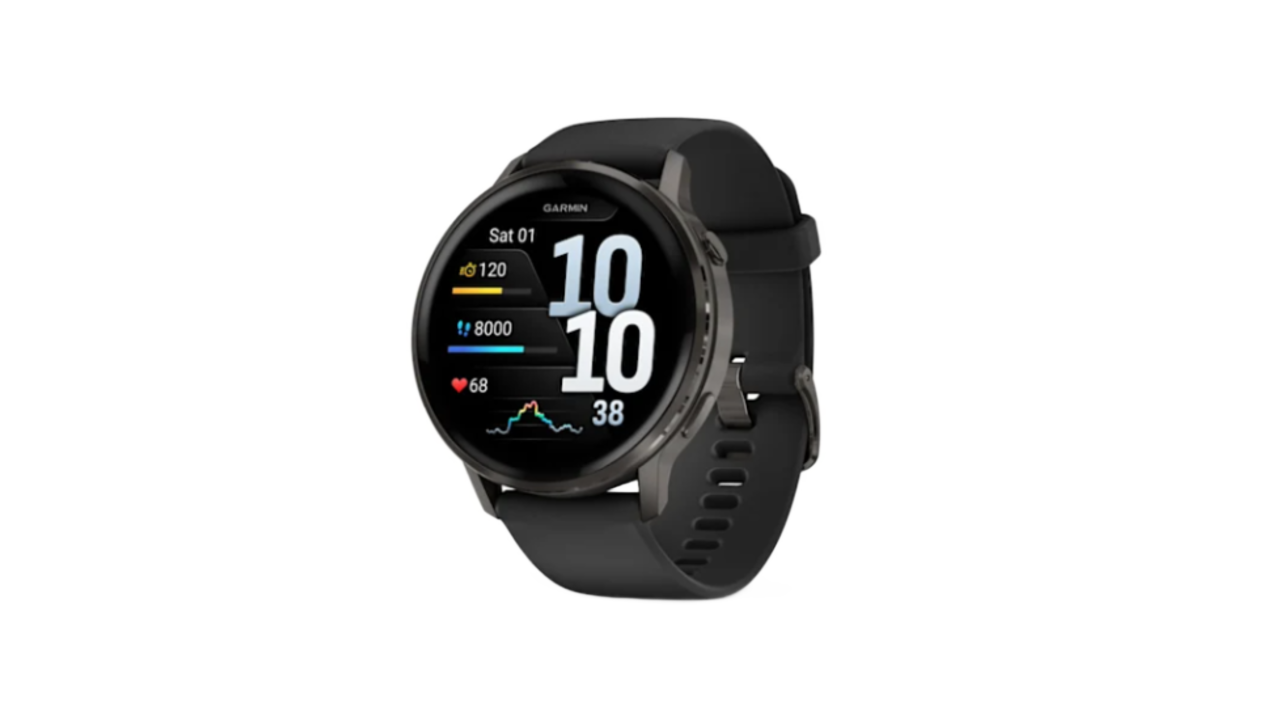
Runners, cyclists and swimmers will benefit the most from this sleek fitness tracker. It analyzes everything from training readiness to VO₂ Max and provides preprogrammed and AI-developed workouts and training plans to support your fitness goals.
I’ve been using Garmin watches for years. They’re my preferred smartwatch for running and marathon training, two things I’m almost always doing. I started testing this model last fall for our Innovation Awards, and while it didn’t have enough new features to be a winner, it became my favorite wearable. The touchscreen display is slim, smooth and functional, much like an Apple Watch, and the GPS is supremely accurate. I love the watch’s fitness programs and predictive data most, though.
During my 90-day challenge, I trained for the Boston Marathon and wanted to get a personal best time below three hours and 30 minutes. As a running coach, I make my own programs, but I wasn’t going to say no to extra help from Garmin’s AI-generated offerings. I used the watch to fill in my marathon plan and supplemented some of my typical workouts with its recommended ones. The running plan was sufficient — I filled in how many days I’d like to run each week and my goal time, and the watch curated a personalized strategy consisting of weight-lifting sessions, tempo workouts and long runs.
Throughout the training period, I checked in on VO₂ Max metrics and predicted my marathon time to see whether my fitness levels were improving. Each time I checked, I saw reassuring data trends that encouraged me to keep training hard. It was as much a mental assist as it was a physical one.
At the end of the challenge, I was predicted to run a three-hour, 25-minute marathon, and my VO₂ Max was a bit higher than 53. When the time came, I ran a three-hour, 29-minute marathon. This is incredibly exciting, especially because Boston hosts such a tough course. I credit this achievement to my own persistence and my watch, which was on my wrist for every run. The accurate pacing it displayed ensured that I was on par to hit my goal time.
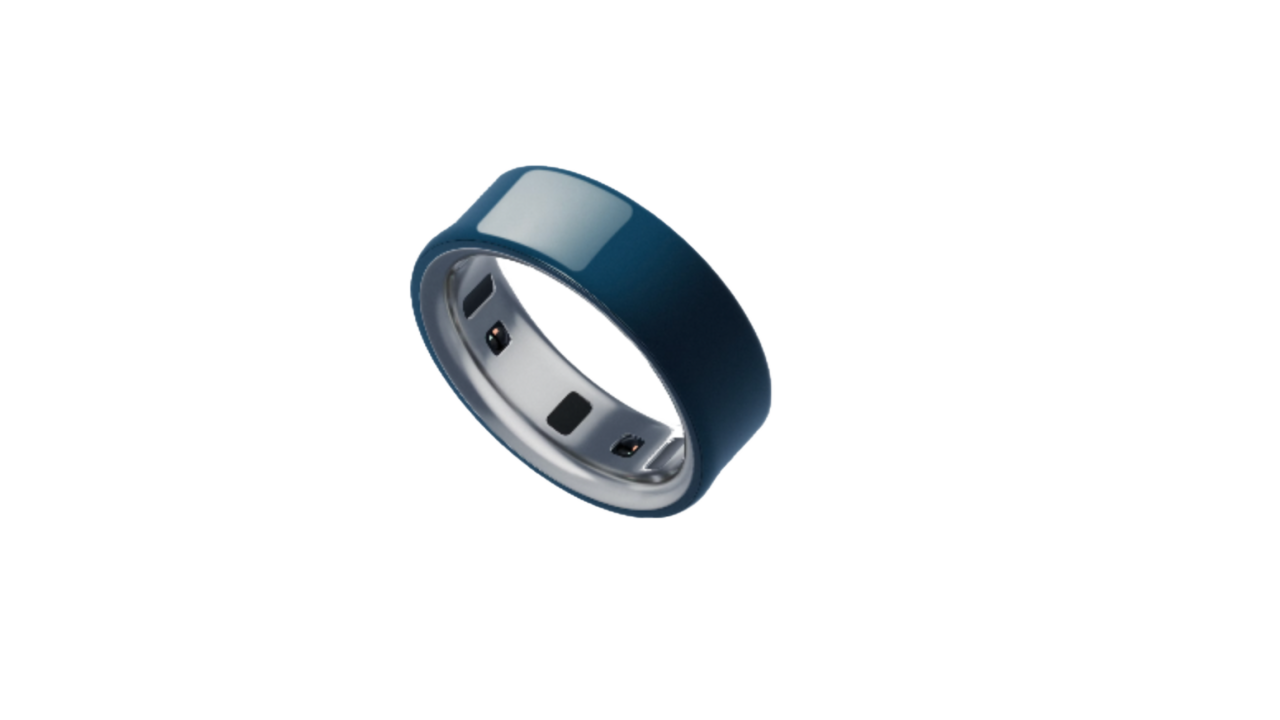
The Oura Ring 4 Ceramic is a more durable and aesthetic upgrade from the brand’s Oura Ring 3 and Oura Ring 4 titanium designs. It tracks the same 50 health metrics as the 3 and 4, but it’s made with a nearly indestructible zirconia ceramic finish that’s resistant to scratching, and it also comes in more fashion-forward hues such as Midnight Blue and Petal Pink. The sensors on the latest Oura model are also improved, to more accurately track health metrics such as stress levels and heart health, which you can view in the Oura app.
While the Oura Ceramic was great for providing long-term insights I could peek at on my phone, it was tough to use the wearable in real time, especially for tracking my stress. The ring obviously doesn’t have a screen to reference, so whenever I was feeling anxious or riled up, I couldn’t confirm these feelings by glancing at statistics. The app does display stress levels, and it updates every five minutes, but I used this data mostly at the end of the day or when checking my body scores from the day prior.
In real time, I followed Centenari’s advice and listened to my body. Whenever I felt my heart rate increase or my chest tighten due to a tense situation at home or at work, I made an effort to practice box breathing. This practice consists of inhaling, holding your breath and then exhaling and holding your breath for a count of four seconds each. I’d do this five to 10 times and would then check my app to see if it worked. There are, of course, many instances in life where you can’t fit in a breathwork session or can’t check your phone (such as during meetings, runs and commutes), so this practice was mostly done at home or at my desk.
While Oura’s stress data was impacted by what I like to call “good stress” (such as higher HRV metrics caused by tough workouts), I found that my marathon training didn’t impact my scores that much. For example, on the day of the marathon, I experienced 0 minutes of stress, even while I was pumped up with adrenaline and running for more than three hours. On other long-run days, I saw around an hour of stress even while most of these jaunts were closer to two or three hours. Conversely, on most work days, I experienced anywhere from two to six hours of high stress.
Overall, my stress levels stayed relatively the same from start to finish. My body spends much more time stressed out on workdays than it does on weekends, which I fear is normal for pretty much everyone. If anything, this challenge helped me be more mindful and increased my love of breathwork.
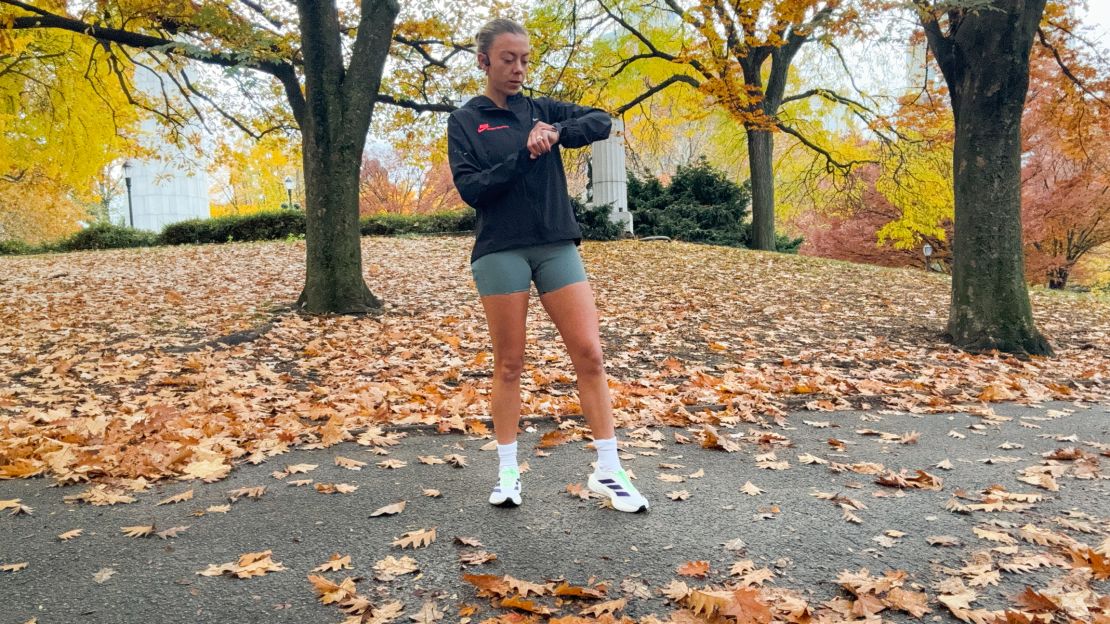
During this challenge, I found my sleep and fitness level improved, while my stress remained relatively the same.
I really credit my Eight Sleep Pod 5 with helping my sleep improve so much. I now regularly get between seven and eight hours every night and wake up better-rested and more energized thanks to its pleasant alarms and temperature controls. My partner and I love that we each have our own sleep settings so we don’t have to compromise on our preferences.
While my Garmin was beneficial for tracking workouts, fitness levels and readiness, I credit myself the most for my improved VO₂ Max and marathon time. After all, I was the one running and working out, not my watch. However, it was a helpful tool that helped keep me on track throughout training, and I recommend it to any fair-weather athlete out there like me.
As for my Oura Ring, I plan to keep using it. I’m resigned to the fact that work will pretty much always be stressful, as long as I care about my job. (Spoiler alert: I care very much.) I love the app’s settings and long-term data tracking, which have also helped me while reviewing things like glucose monitors. The graphs on the app are easy to reference, and a stylish ring’s convenience is hard to beat.
Overall, I learned that data can be most helpful when you pare down the stats you’re reviewing to a few specific metrics related to your goals. Cutting out the noise allowed me to focus on my sleep, stress and fitness levels in a way that was easier to analyze in a few seconds each morning and night, rather than trying to decipher data for hours less frequently.
If you, like me, are trying to improve your longevity metrics, I’d recommend focusing on a few areas of growth, determining which data support these markers and then give yourself the time required for genuine progress. Remember: Longevity is about your long-term self, so any meaningful strides you make will likely take more than a week to achieve. While data can assist, it’s up to you to make the changes necessary to see the results you want.
What are the benefits of wearing a smart watch, sleep tracker or fitness tracker?
Bryn Mota, the senior director of University Fitness Centers at Case Western Reserve University, said wearing something that tracks metrics such as your heart rate, steps or REM sleep can inspire you to improve your wellness habits. “Having access to real-time data of one’s true activity levels, water intake, sleep patterns, caloric burn and dietary habits can help users make better decisions or address current or potential concerns in a timely manner,” she said. “Wearables can motivate users with encouragement and goal tracking and can provide social support if they connect with others.”
Centenari said it’s also important to note that no consumer wearable is perfect. “The real value comes from seeing patterns over weeks rather than obsessing over individual nights or numbers,” she said. “This is how you get into a routine that sticks.”
Are there any negatives to relying on wearable technology to track health and fitness metrics?
“Wearables can become an unhealthy crutch, which could result in increased stress and anxiety, cause negative thoughts of oneself or lead to obsessive and unhealthy behavior,” Mota said. “It can also cause one to ignore the body’s cues and symptoms if they differ from the data.”
Centenari said she’s seen coaches and athletes fall into the trap of chasing the numbers their wearables display, rather than paying attention to how training actually affects their performance and adaptation over time. This chase can lead to injury, burnout or anxiety.
Which wellness tracker is best for sleep tracking?
While each of these trackers does a great job gathering sleep data, I relied the most on my Eight Sleep and Oura Ring for my sleep metrics.
Which health tracker is the most affordable?
Trackers are generally pricey. The Garmin Venu 4 is $550, the Oura Ring 4 Ceramic is $400 (and has a monthly $6 subscription) and the Eight Sleep Pod 5 starts at $2,699. Thankfully, each of these is HSA or FSA-eligible.
Are wearables compatible with iOS and Android phones?
Each of these trackers has an app that is compatible with iOS and Android phones, as well as Bluetooth connectivity.
For this article, we consulted the following experts to gain their professional insights:
Kristina Centenari, Nike running coach and wellness expert
Bryn Mota, senior director of University Fitness Centers at Case Western Reserve University
CNN Underscored editors and writers ensure every product included in an article is thoroughly vetted and something we ourselves would feel comfortable buying and using. Our team has many decades of collective experience researching, testing and recommending products across every category — from fashion and food, to home goods and health, to electronics and everything in between — and we’re committed to using that expertise to help you make the most of your money and live a better life.
CNN Underscored health and fitness editor Summer Cartwright is an RRCA-certified running coach who reviews wellness products for a living. She spent three months wearing and using the Garmin Venu 4, Oura Ring 4 Ceramic and Eight Sleep pod to determine if these longevity products could improve her stress, sleep and fitness.