




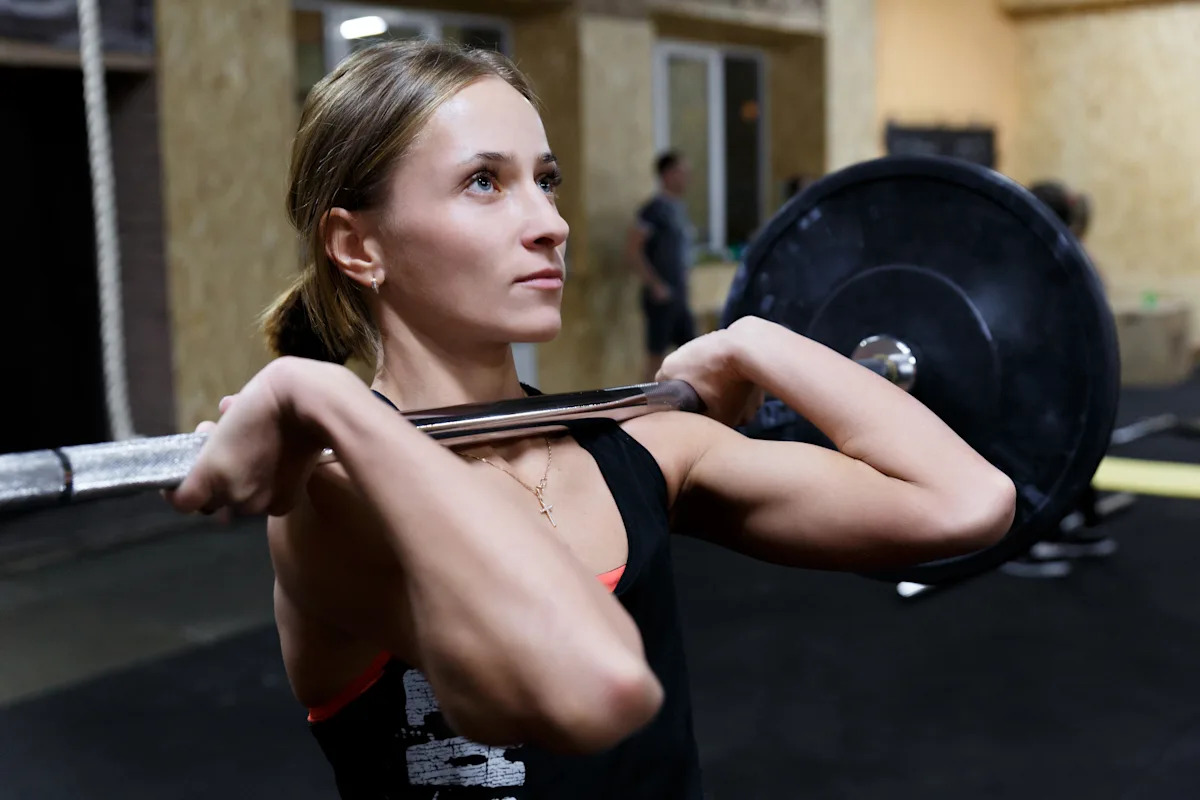
I didn’t come to strength training because I wanted visible abs or defined arms, although both are on my fitness wish list. I came to it out of necessity.
Last year, when my roommate/best friend Monica’s dog, Indigo, became partially paralyzed after an injury, daily life changed overnight. I was lifting a 70-pound pit bull into the car for trips to the vet, onto beds, and out to use the bathroom multiple times a day.
It didn’t take long to realize how physically demanding that kind of caregiving is — and how unprepared I was for it. That moment shifted how I thought about fitness. Strength wasn’t about aesthetics anymore. It was about capability.
It turns out that many Americans are having similar realizations.
A new wellness study conducted by Life Time, one of the nation’s top healthy lifestyle brands, found that strength training has overtaken traditional weight-loss goals, with 42.3% of respondents naming getting physically stronger as their top health priority for the year ahead.
Even more striking, 82% of respondents plan to focus more on overall health and wellbeing in the year ahead – a 7% increase from the previous year’s survey. It’s a sign that fitness priorities may be shifting away from aesthetics and toward longevity and quality of life.
“Strength training is the new weight loss. People are training more intentionally, to feel and perform better for longer – and pairing that with smarter recovery and objective health metrics,” said Danny King, Director of Recovery and Performance at Life Time.
Strength training is no longer optional — it’s foundational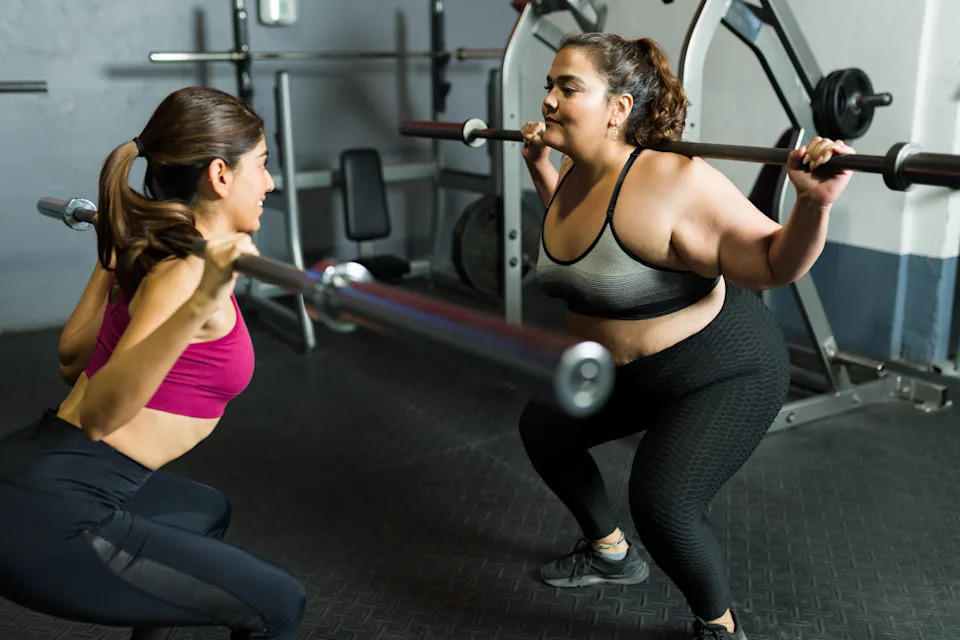
Strength training has become a core part of many people’s fitness routines, supporting muscle health, balance, and everyday movement.
(Shutterstock.com)
For years, fitness culture focused on cardio and weight loss. Now, especially with the prevalence of GLP-1s to keep the pounds off, the narrative has changed.
“Strength training is important to build and maintain lean muscle, improve bone health, and keep us mobile as we age,” says Lindsay Ogden, a Nutrition Coach, Personal Trainer, and Strength Coach. “It also improves joint function, reduces the risk of falls and injuries, and builds confidence.”
That shift makes sense in light of what scientists are uncovering about aging and movement: muscle mass isn’t just about how you look — it’s one of the strongest predictors of how well you age. Regular physical activity can significantly reduce the risk of mortality and chronic disease, with even modest activity leading to notable health benefits.
And strength training isn’t just a trend among gym regulars. International fitness organizations like the American College of Sports Medicine highlight that strength and functional movement — including balance, resistance training, and mobility — are core to long-term health and sustained independence.
Longevity is shaping how Americans think about fitness
The survey also found that longevity — the idea of sustained health over a lifetime rather than short bursts of results — ranked highly among respondents, with many saying it will define their health priorities for 2026.
Experts are now backing this trend, framing strength not as an aesthetic tool but as a way to extend functional years. Researchers have shown that brisk walking for more than 2 hours per day can increase life expectancy by more than 5 years, and even shorter amounts of movement can lead to substantial longevity gains.
That aligns with what trainers emphasize in everyday practice: strength supports daily life. From getting out of chairs to carrying groceries, pushing strollers, or — in my case — lifting a large dog, strength training builds the physical capacity we use every day.
Why functional strength matters more as we age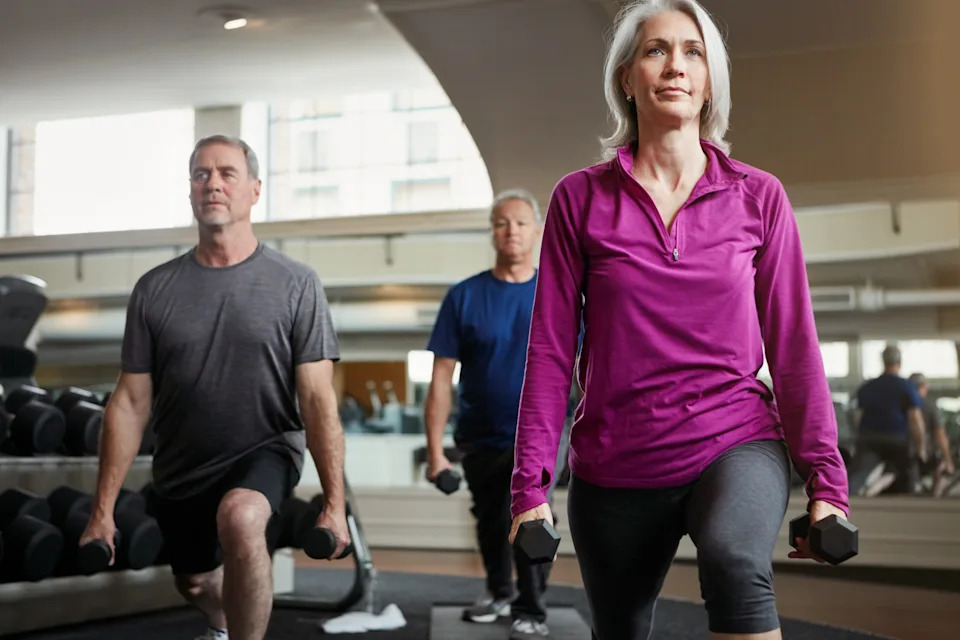
Functional strength exercises help support balance, stability, and confidence in daily activities as people age.
(Shutterstock.com)
One reason strength training is resonating right now is that more people are feeling the physical demands of daily life — not just workouts.
“Lifting groceries, carrying kids or pets, getting in and out of cars, or recovering from injuries all require a baseline level of strength that many people don’t realize they’ve lost until they need it,” says Joe Clark, a personal trainer with Life Time Chestnut Hill.
That’s especially true as muscle mass naturally declines with age. Without resistance training, adults can lose muscle and bone density each decade, increasing the risk of injury and limiting independence later in life. Strength training helps slow — and in many cases reverse — that decline by reinforcing the muscles and connective tissue we rely on every day.
This shift toward functional strength also reframes what “being fit” looks like. Instead of chasing extreme routines or aesthetic milestones, many people are focusing on feeling capable in their bodies — strong enough to move through life without hesitation or fear of injury.
That mindset makes fitness feel less like a short-term challenge and more like a long-term investment.
Sleep and stress are now part of the fitness conversation
The 2026 survey didn’t just highlight strength — it showed what else people care about. Nearly 69% of respondents said they would choose getting eight hours of sleep over unlimited snacks without weight gain.
That makes sense: quality sleep is strongly linked to better recovery, improved performance, and a healthier metabolism. Other research shows that strength training itself can improve sleep quality better than aerobic exercise in many adults.
Stress and emotional wellness also influence how well someone sticks to a program. Whether it’s workplace demands, family care, or personal challenges, movement that supports nervous system regulation — like intentional strength workouts or mindful walking — helps keep people on track.
Sleep and recovery don’t always come easily, especially during periods of high stress. That’s part of why magnesium benefits keep coming up in wellness conversations. In the Life Time survey, magnesium ranked among the top five supplements respondents said they regularly use, alongside protein, multivitamins, and vitamin D. Often associated with muscle relaxation and nervous system support, magnesium has become a common part of many people’s recovery routines.
AI, wearables, and wellness technology: helpful or hype?
One surprise finding from the Life Time survey was that AI is entering the wellness world, with more than a third of respondents already using AI tools for workouts or nutrition and another third curious to try.
Technology like wearable fitness trackers and readiness metrics are among the top predicted trends for 2026, according to research from the American College of Sports Medicine. Wearables now track everything from heart rate and sleep to recovery readiness and movement patterns — giving users actionable feedback that can reinforce consistency long term.
Used the right way, tech isn’t a replacement for real life. It’s another tool that can help you structure workouts, track progress, and make small behavior changes that add up.
Why consistency wins over intensity in fitness routines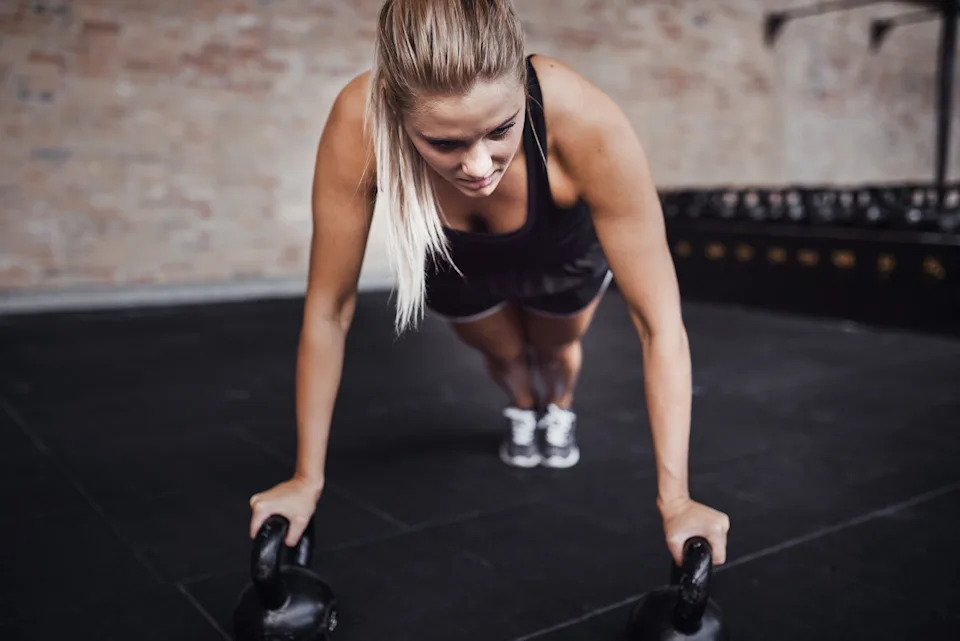
Consistency — not intensity — is what helps most people build strength and stick with fitness routines over time.
(Shutterstock.com)
If there’s one theme that everyone — from trainers to researchers — agrees on, it’s that consistency matters more than pushing too hard, too fast.
“Prioritize consistency over duration,” says Clark. “Aim for regular, manageable sessions rather than long, sporadic workouts. Treat your workouts like appointments in your calendar and make them non-negotiable.”
That advice is crucial, especially when strength goals are paired with broader wellness priorities like sleep, stress management, and sustainable habits. Small, consistent workouts done week after week yield bigger benefits over time than sporadic, high-intensity bursts that lead to burnout.
This philosophy shows up in trend forecasts, too. Wellness research highlights the rise of “functional fitness for life” — routines rooted in mobility, balance, strength, and everyday movement, not just flashy transformations.
Movement habits that support long-term health
Strength training may be the backbone, but most people are building routines that include multiple forms of movement. The survey found that 50.5% of respondents prefer working out solo, while 33.6% favor group fitness classes, suggesting flexibility and personal preference matter more than rigid formats.
Daily movement, recovery, and consistency are increasingly seen as just as important as formal workouts — reinforcing the idea that fitness isn’t confined to a single hour at the gym.
The cultural shift in wellness: from aesthetics to capability
Another interesting trend — one echoed in broad wellness reporting — is a cultural pivot away from purely aesthetic goals toward functional health and longevity. Strength and mobility are replacing thinness as markers of fitness success, and people increasingly want resilience and capacity over cosmetic change.
That shift matters because it reshapes how millions of people approach fitness.
“When the focus moves from ‘look better’ to ‘move better, live longer, feel goals bec’ goals become meaningful, and people are more likely to stick with them,” Clark says.
How to build a 2026 strength and wellness plan that lasts
Here’s a simple approach if you’re ready to make strength a priority:
Pair strength with mobility and balance work to support longevity.
Schedule strength workouts 2–4 times per week — consistency beats perfection.
Track sleep and recovery — your body gets stronger between workouts.
Use tech smartly (not obsessively) to reinforce patterns.
Make movement part of daily life — walk more, take stairs, keep moving.
A stronger year starts with strength that lasts
When I started thinking about strength, it was purely functional: getting through daily life without struggle. But what I learned — and what these 2026 trends underline — is that strength training is central to living well long term.
In a year where Americans say they want more than quick fixes — where health means longevity, balance, and purposeful movement — focusing on strength isn’t just smart, it’s essential.
Your body will thank you years from now.