




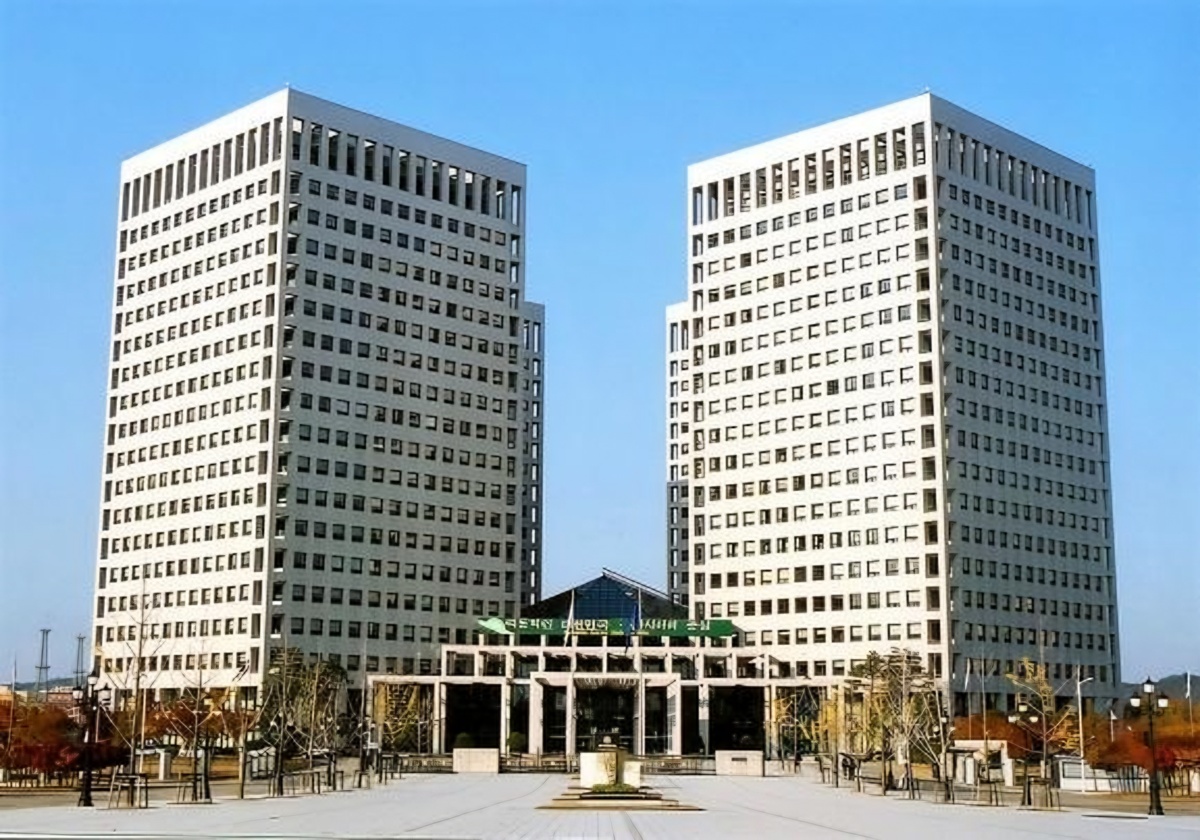

Ministry of Intellectual Property’s headquarters at Government Complex Daejeon / Yonhap
In a country where the national palate is increasingly viewed as a high-value export, Korea’s culinary innovations are moving from the dinner table to the patent office.
Over the last decade, the race to claim intellectual property in the food sector has surged, driven by a global obsession with K-food and a domestic pivot toward “functional” wellness, according to data released Sunday by the Ministry of Intellectual Property.
Between 2016 and 2025, more than 46,000 food-related patents were filed in Korea, with the pace accelerating to more than 5,000 applications annually over the last three years. The most aggressive growth has not been in traditional recipes, but in “health functional foods” — products designed to offer medicinal benefits beyond basic nutrition. This category saw a 3.3-fold increase in filings over the decade, growing at a compound annual rate of over 14 percent.
The drive is particularly focused on the body’s defenses. Patents for antioxidant and immunity-boosting technologies led the pack, followed closely by innovations in digestive health and cognitive enhancement. Red ginseng remains the undisputed king of this subsector; not only did it dominate patent materials, but it also anchored the market with a staggering 4.01 trillion won ($2.7 billion) in domestic sales in 2024.
Yet, the innovation boom also extends into more everyday categories like baked goods and condiments. As global consumers seek healthier alternatives, Korean bakers are filing patents for sugar-free and gluten-free formulations at an increasing pace. Meanwhile, the seasoning and spice industry — long the backbone of Korean cuisine — is being reengineered for international taste buds. Exports of condiments like gochujang (red pepper paste) and doenjang (fermented bean paste) hit a record $411.9 million in 2025, supported by new patents for globally adapted versions of these traditional pastes.
Perhaps most striking is who is doing the inventing. Unlike the tech or semiconductor sectors, where conglomerates and foreign entities dominate the patent landscape, Korea’s food innovation is a grassroots affair. Individuals and small and medium-sized enterprises account for 72.4 percent of all filings. While institutional giants like the Rural Development Administration and CJ CheilJedang lead the top tier of applicants, the data suggests that in Korea, the next big breakthrough in food is just as likely to come from a small laboratory or an ambitious entrepreneur as it is from a corporate boardroom.
This article was published with the assistance of generative AI and edited by The Korea Times.