




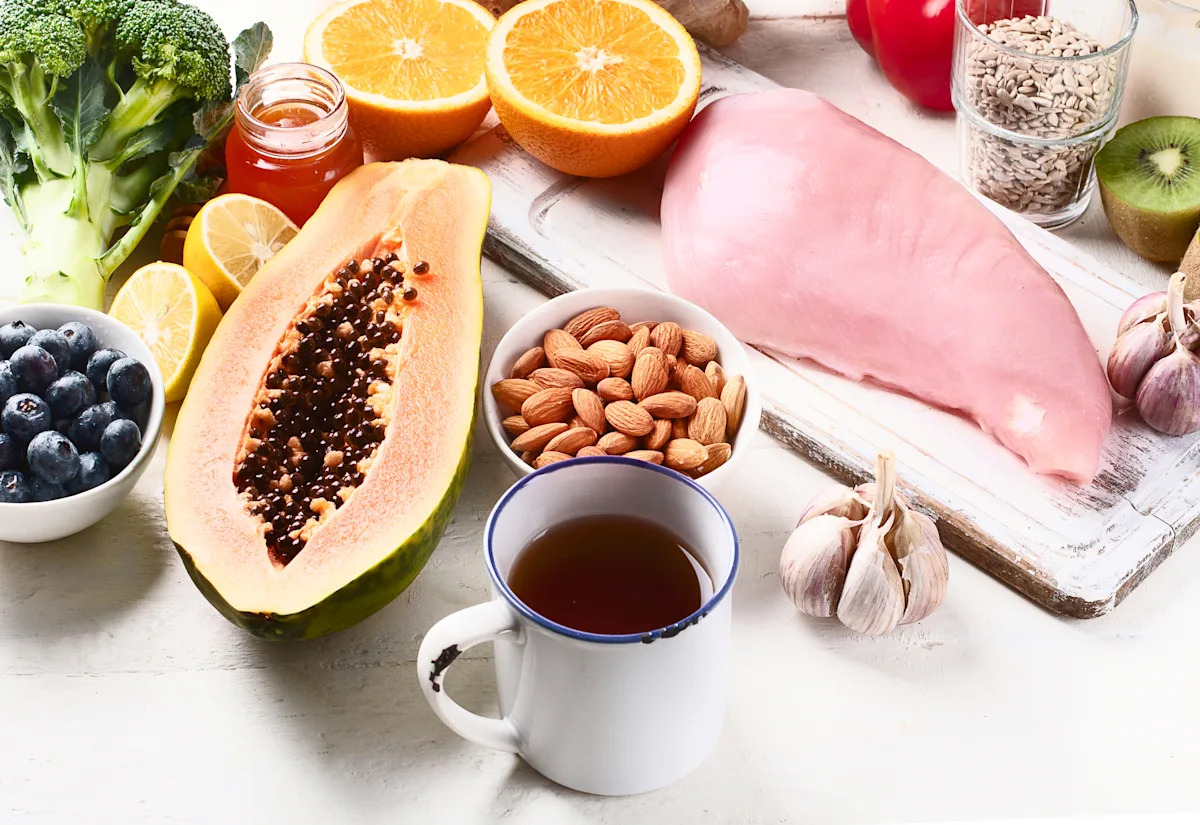
A strong immune system starts with what you eat, and a few smart additions to your routine can make a real difference. While some of these foods are trendy, they’re also backed by real nutrients that support immune function in a way your body actually uses. From vitamin-rich fruits to fermented staples that support gut health, each one plays a role. You don’t need to overhaul your entire diet to benefit. Adding just a few of these regularly can help your body stay ready for whatever comes your way.
Citrus Fruits
Citrus fruits such as oranges, lemons, and grapefruits are rich in vitamin C, a key nutrient that helps maintain the health of your immune system. Vitamin C supports the production of white blood cells, which play an important role in protecting your body from infections. These fruits are easy to incorporate into meals, whether you eat them fresh, juice them, or add their zest and juice to sauces, dressings, or marinades.
Garlic
Garlic is more than just a flavorful base for cooking. It contains a compound called allicin, which has been shown to support immune activity by enhancing the response of white blood cells. Freshly chopped garlic can be used in soups, sautés, sauces, and even raw if you want to maximize its potential benefits.
Ginger
Ginger is well known for its anti-inflammatory and antioxidant effects, which are both helpful for immune health. It can also support digestion and help soothe symptoms like congestion or sore throat. Use fresh ginger in tea, smoothies, stir-fries, or marinades to get both its flavor and its wellness benefits.
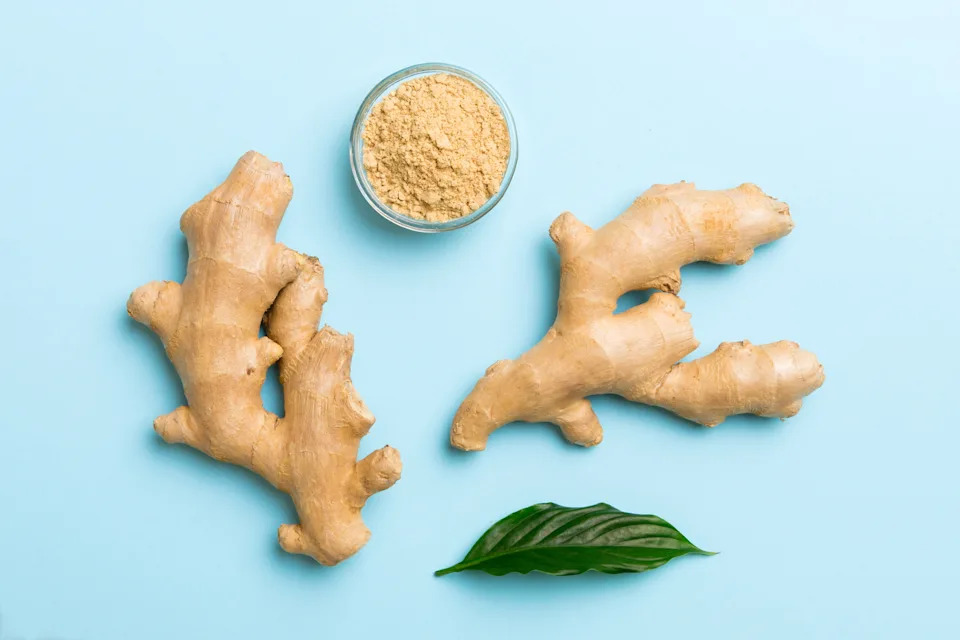
Raw ginger and ginger powder.
(Mykola Sosiukin via Getty Images)Kefir
Kefir is a fermented milk drink that contains live probiotics, which help support the health of your gut. Since a large portion of the immune system is connected to the gut, keeping your digestive system balanced is important. Drink kefir plain, blend it into smoothies, or use it in place of yogurt or buttermilk in recipes.
Turmeric
Turmeric contains curcumin, a compound known for its anti-inflammatory and immune-modulating properties. It has been studied for its ability to influence immune cell activity and reduce chronic inflammation. You can use turmeric in savory dishes like curries and stews or stir it into warm drinks and smoothies.
Green Tea
Green tea is rich in compounds like EGCG and flavonoids, which have been linked to improved immune function. It also contains L-theanine, an amino acid that supports the production of germ-fighting compounds in the body. Drinking green tea regularly, whether hot or iced, is an easy way to support your overall health.
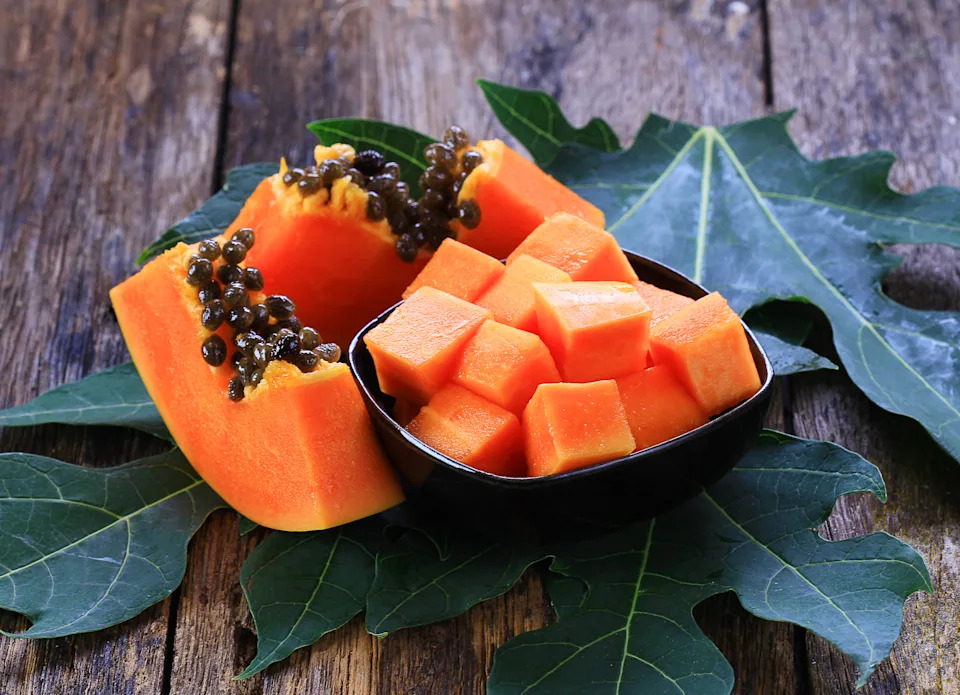
Sliced papaya.
(Piyanart Phila via Getty Images)Papaya
Papaya is naturally high in vitamin C and contains digestive enzymes such as papain, which may support both immunity and gut function. It also provides folate, potassium, and vitamin A, making it a nutrient-dense fruit worth adding to your routine. Enjoy it fresh, mix it into yogurt and smoothies, or use it in tropical fruit salads.
Sunflower Seeds
Sunflower seeds are a good source of vitamin E, which helps regulate immune function by acting as an antioxidant. They also contain selenium and zinc, both of which play important roles in immune defense. Add sunflower seeds to salads, yogurt bowls, oatmeal, or eat them by the handful for a convenient boost.
Kiwi
Kiwi delivers a strong dose of vitamin C, along with vitamin K, folate, and antioxidants that all work to support a healthy immune response. It’s also rich in fiber, which contributes to gut health and overall wellness. Slice it up for a snack, blend it into smoothies, or add it to breakfast bowls for extra nutrition.
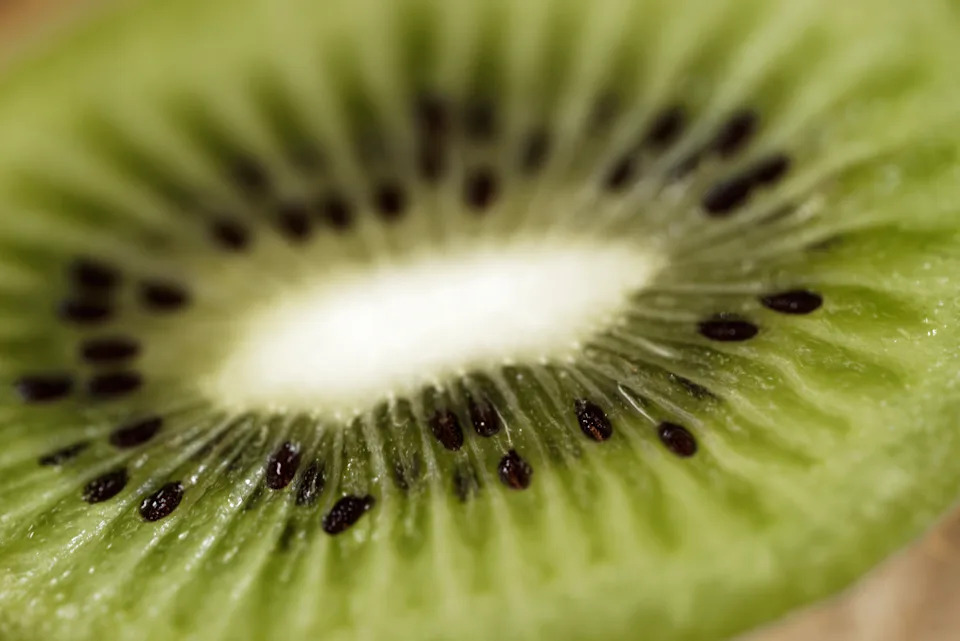
Close-up of a kiwi fruit.
(Oleksii Pyrogov via Getty Images)Miso
Miso is a fermented paste made from soybeans and is known for its probiotic content, which helps promote a healthy gut microbiome. Since gut health is closely tied to immune function, adding fermented foods like miso to your diet can be a smart move. Use it in soups, marinades, or mix it into sauces for a boost of flavor and function.
Elderberries
Elderberries are rich in antioxidants and vitamins that have been linked to immune health, especially during cold and flu season. They’ve been used in traditional remedies for centuries and are still popular today. You can make elderberry syrup at home, add dried elderberries to herbal tea, or look for quality supplements made from whole berries.