


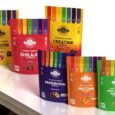


Brazil High Potency Zinc Supplement Market 2026 Analysis and Forecast to 2035
Executive Summary
Key Findings
The Brazilian high potency zinc supplement market is forecast to expand at a compound annual growth rate of 7–10% through 2035, driven by sustained immune health awareness and seasonal cold‑and‑flu demand. Volume may nearly double over the forecast horizon as penetration grows across income brackets.
Zinc gluconate and zinc picolinate together account for approximately 55–65% of volume, with picolinate growing 2–3 percentage points faster annually due to perceived superior bioavailability. Gummy and lozenge formats are capturing share from traditional tablets, especially among younger adults and caregivers.
Brazil remains structurally dependent on imported zinc raw materials – roughly 70–80% of active zinc ingredients (zinc oxide, gluconate, picolinate) are sourced from China, the United States, and Europe. Domestic contract‑manufacturing capacity exists but is limited for complex chelated and delayed‑release forms.
Market Trends
Preventative wellness routines are becoming mainstream; around 40–45% of Brazilian households now regularly purchase some form of immune‑support supplement, up from an estimated 25% pre‑pandemic. This structural shift supports steady year‑round baseline demand beyond the traditional winter peak.
Product innovation is accelerating toward multi‑functional combinations – zinc with vitamin C, vitamin D, or herbal adaptogens – that command a 30–50% price premium over standalone zinc. Gummy and chewable formats now represent 20–25% of new product introductions, up from 10% in 2020.
E‑commerce and direct‑to‑consumer (DTC) channels are growing at 20–25% annually, while mass‑market drugstores still hold around 55–60% of volume. Subscription models for monthly immune‑support packs are gaining traction among urban health‑conscious shoppers.
Key Challenges
Compliance with ANVISA’s dietary supplement regulations (RDC 243/2018 and updates) creates a 12‑18 month registration timeline for new products, slowing speed‑to‑market for international brands. Structure/function claims require dossier‑level evidence, limiting marketing flexibility compared to the US.
Raw material price volatility – zinc metal prices fluctuated 30–40% over the past three years – directly impacts cost of goods for domestic manufacturers who depend on imported intermediates. Retail price points are compressed by private‑label competition, squeezing margins.
Seasonal demand spikes (May–September) strain contract manufacturing and packaging lead times. Stock‑outs of lozenges and gummies during peak cold‑and‑flu weeks are common, eroding brand loyalty and pushing consumers toward available alternatives.
Market Overview
Brazil’s high potency zinc supplement market sits within the broader consumer‑health and FMCG landscape, where dietary supplements have become a staple of household preventative care. The product category is defined by supplements delivering 15–50 mg of elemental zinc per serving in bioavailable forms such as zinc gluconate, zinc picolinate, zinc citrate, and zinc acetate (for lozenges). Consumer awareness of zinc’s role in immune function, wound healing, and skin health has been permanently elevated by the COVID‑19 pandemic, shifting purchase behavior from episodic treatment to habitual daily use.
The market is young in product‑life‑cycle terms; penetration of high‑potency formulations (above 30 mg) has risen from an estimated 15% of all zinc supplements in 2020 to around 30% in 2025, indicating strong headroom for premiumization. Brazil’s large and increasingly urban population – over 210 million inhabitants – combined with a growing middle class and expanding private‑healthcare access creates a fertile demand environment. Portuguese‑language digital health content and social‑media influencer endorsements further accelerate adoption among millennials and Generation Z.
The category competes with other immune‑support nutrients (vitamin C, vitamin D, probiotics) but benefits from strong clinical evidence supporting zinc’s efficacy in shortening cold duration, which drives conversion among symptomatic buyers. The forecast horizon to 2035 will see demographic tailwinds from an aging population (13% aged 60+ in 2025, projected 18% by 2035) who seek nutritional support for age‑related immune decline.
Market Size and Growth
While precise market size figures are not publicly disclosed, the Brazilian high potency zinc supplement segment is estimated to represent 12–18% of the total dietary supplement market by value, with the broader supplement market growing at 6–9% annually. The zinc subcategory has outperformed the overall market by 2–3 percentage points in recent years, reflecting the sustained post‑pandemic immune focus. For the 2026–2035 period, a CAGR of 7–10% in constant price terms is reasonable, implying that market volume (measured in doses, not absolute units) could roughly double by 2035.
Growth is supported by a 0.5–1.0% annual increase in per‑capita consumption, as well as population growth and urbanization. The strongest expansion is expected in the online and specialty health‑food channels, which are growing from a smaller base but expanding at 20–25% annually. In contrast, the mass‑market drugstore channel, while dominant (55–60% of volume), is maturing and growing at 4–6% per year. These contrasting channel growth rates imply a structural shift in how Brazilian consumers discover and purchase high potency zinc supplements.
The premium segment – products priced above USD 0.20 per dose – is projected to increase its share from roughly 30% to 40–45% by 2035, driven by innovation in chelated forms and multi‑ingredient formulations. Private‑label and value brands will continue to serve price‑sensitive consumers, holding 25–30% of volume but declining in value share as incomes rise.
Demand by Segment and End Use
By product form, zinc gluconate remains the dominant type with an estimated 40–50% of volume, owing to its low cost, established efficacy, and wide availability in tablets and lozenges. Zinc picolinate and zinc citrate together account for 25–30% of volume, with picolinate showing faster growth (12–15% annually) among consumers seeking higher absorption. Zinc acetate lozenges, primarily used for cold‑symptom relief, hold a seasonal niche (5–8% of annual volume but spiking to 15–20% in winter).
Combination formulas – zinc paired with vitamin C, elderberry, or echinacea – represent a rapidly growing 20–25% share, attracting buyers who prefer a single‑dose immune solution. By application, general immune support is the largest end‑use segment (60–70% of volume), followed by cold‑and‑flu season purchases (20–25%) and specific health niches such as skin health and metabolic support (10–15%). End‑use sectors are dominated by consumer self‑care (household purchases) at 75–80%, with retail pharmacy and e‑commerce wellness accounting for the remainder.
Buyer groups break down into health‑conscious consumers (40–45%), preventative wellness shoppers (25–30%), symptomatic buyers (15–20%), and chronic condition managers (5–10%). The seasonal pattern is pronounced: demand in the second and third quarters (May–September) can be 30–50% higher than in the summer months, requiring supply chain planning and inventory management. Retail merchandisers and e‑commerce category managers increasingly allocate shelf and page space to zinc supplements year‑round, reflecting the transition from seasonal to habitual consumption.
Prices and Cost Drivers
Retail pricing in Brazil varies significantly by brand positioning, form, and channel. Value and private‑label products (store brands, generic drugstore labels) are priced in the range of BRL 0.25–0.50 per dose (USD 0.05–0.10), appealing to lower‑income households and bulk buyers. Mass‑market national brands (e.g., Centrum, Sundown, Nature’s Bounty) occupy the BRL 0.50–1.25 per dose band (USD 0.10–0.25), offering trusted quality and moderate innovation.
Specialty and natural‑channel products (organic, vegan, non‑GMO) command BRL 1.00–2.50 per dose (USD 0.20–0.50), while professional and practitioner‑brand zinc supplements (sold through health professionals or specialized clinics) reach BRL 2.50–5.00 per dose (USD 0.50–1.00). The most significant cost driver is the raw zinc compound: zinc picolinate and chelated forms cost 3–5 times more than zinc oxide or gluconate on a per‑milligram basis. Import duties (12–14% for most HS 293629 and 210690 categories) add to landed costs, as does the 9–12% ICMS state tax applied variably across Brazil.
Contract manufacturing costs for gummies and soft chews are 20–30% higher than for tablets due to specialized equipment and quality control. Packaging – child‑resistant bottles, desiccants, and labeling in Portuguese – adds another BRL 0.30–0.50 per unit. Currency depreciation (the BRL weakened approximately 20% against the USD between 2021 and 2025) exerts upward pressure on imported‑input prices, which manufacturers can only partially pass through to shelf prices because of private‑label competition. Branded products have managed to maintain margins by shifting toward premium formulations and larger bottle counts that lower per‑dose cost.
Suppliers, Manufacturers and Competition
The competitive landscape in Brazil is fragmented but is coalescing around a few archetypes. Mass‑market portfolio houses – large multinational or domestic pharma‑cosmetic groups – hold an estimated 35–45% of branded value. These include companies like Hypera (with brands such as Vitasay and several private‑label contracts), Mantecorp, and global players such as Bayer (One A Day, Redoxon) and Pfizer (Centrum). Specialty and natural‑food brands, both Brazilian (e.g., Mundo Verde private label, Jasmine) and international (Nature’s Bounty, Sundown, NOW Foods), account for 20–25% of value.
Digital‑native DTC wellness brands have emerged strongly in the past five years, capturing 10–15% of the high‑potency segment through subscription boxes, influencer partnerships, and Instagram‑friendly packaging. Practitioner and professional brands (e.g., Solgar, Thorne, Pure Encapsulations) serve a small but loyal 5–10% share via health‑professional recommendation and are less price‑sensitive. Private‑label specialists, including major drugstore chains (Droga Raia, Drogasil, Pague Menos) and supermarket banners, represent about 20–25% of volume and are expanding their premium private‑label offerings to compete with branded products.
Innovation‑led challengers – small Brazilian startups focused on gummy zinc or zinc + vitamin D combinations – are gaining shelf space but face high marketing costs and regulatory barriers. Overall, the top five suppliers control roughly 30–40% of the market, leaving the balance to mid‑sized and niche players. Competition is intensifying on formulation (bioavailability claims), format (gummy vs. tablet), and bundling (monthly subscription) rather than on price alone.
Domestic Production and Supply
Brazil possesses a well‑developed dietary supplement manufacturing base, concentrated in the states of São Paulo, Minas Gerais, and Paraná. Domestic producers include both large pharmaceutical/consumer‑health conglomerates (Hypera, EMS, Mantecorp, União Química) and mid‑sized nutritional supplement factories that operate primarily as contract manufacturers for brands and private‑label accounts. Total domestic production capacity for all solid‑dose zinc supplements (tablets, capsules, lozenges) is estimated at several hundred million doses per year, with capacity utilization in the 70–80% range outside peak season.
However, the production of advanced formats – gummies, soft chews, and delayed‑release capsules – is more constrained. Only a handful of Brazilian contract manufacturers have invested in the necessary enrobing and coating lines; lead times for gummy production can reach 12–16 weeks during high‑demand periods. Most domestic manufacturers rely on imported zinc raw materials. Zinc oxide, zinc gluconate, and zinc picolinate are not produced in commercially meaningful quantities within Brazil; domestic output is limited to a few chemical companies that repackage or formulate finished blends from imported powders.
The upstream zinc metal market in Brazil (zinc ore mining, refining) supplies galvanizing and alloy industries, not pharmaceutical‑grade zinc compounds. Therefore, the domestic supply chain adds value through formulation, blending, tableting, packaging, and distribution rather than raw‑material extraction. Quality compliance with ANVISA’s Good Manufacturing Practices is mandatory and enforced through periodic inspections; most large domestic facilities hold certifications that meet international standards (e.g., FDA GMP alignment).
Smaller manufacturers sometimes lack the capacity for rigorous incoming‑material testing, creating supply bottlenecks when global zinc prices surge. The seasonal demand spike from May to September regularly strains domestic production; manufacturers build inventory from February onward, but unpredictable swings in raw‑material lead times – especially for zinc picolinate sourced from China – can cause shortfalls.
Imports, Exports and Trade
Brazil is a net importer of high potency zinc supplement raw materials and a modest exporter of finished supplement products to neighboring MERCOSUR countries. For the 2026–2035 period, import dependence for active zinc ingredients is expected to remain high – in the range of 75–85% of total volume – as no economical domestic source of pharmaceutical‑grade zinc compounds exists. The primary import sources are China (zinc gluconate, zinc oxide), the United States (zinc picolinate, zinc citrate, chelated zinc), and Germany/Switzerland (specialty chelated zinc for premium brands).
The relevant HS classification is 293629 (zinc salts and derivatives of amino acids) for pure ingredients and 210690 (food supplements, not elsewhere specified) for finished multivitamin and combination products. Tariff rates for HS 293629 are typically 12–14% plus 10–12% ICMS state tax, while HS 210690 attracts a 14–16% import duty plus ICMS. Brazil has no anti‑dumping duties on zinc compounds, but sanitary registration requirements (ANVISA prior notification for each imported ingredient batch) add 4–8 weeks to clearance timelines.
On the export side, Brazilian manufacturers ship finished zinc supplements mainly to other Latin American markets – Argentina, Chile, Colombia, and Paraguay – where Brazilian brand recognition and MERCOSUR preferential tariff access (typically 0–4% duty) provide an advantage. Export volume is relatively small, perhaps 5–10% of domestic production, but is growing at 8–12% annually as Brazilian brands expand regionally.
Trade flows are also shaped by Brazil’s membership in MERCOSUR, which allows duty‑free movement of goods among member states; however, product registration must still be obtained in each country, limiting the speed of cross‑border expansion. The trade balance for zinc supplements (raw materials imported, finished goods exported) is therefore structurally negative, meaning the market relies on global supply chains for its core inputs. Exchange‑rate volatility directly impacts the cost of imported materials, and periods of BRL depreciation compress manufacturer margins unless offset by retail price increases.
Distribution Channels and Buyers
Distribution of high potency zinc supplements in Brazil follows a multi‑channel model, with drugstores (pharmacies) as the dominant touchpoint. Mass‑market drugstores, including the large chains Droga Raia, Drogasil, Pague Menos, and Panvel, hold an estimated 55–60% of volume and 50–55% of value, owing to their extensive physical presence (over 20,000 pharmacy points of sale nationally) and the convenience of scheduled purchases.
Specialty health‑food stores – such as Mundo Verde, Biow’s, and independent natural product retailers – account for 15–20% of volume, but command a higher value share (20–25%) due to premium product mixes and higher average transaction prices. E‑commerce and DTC channels (via Amazon Brazil, Mercado Libre, brand websites, and subscription platforms) are the fastest‑growing segment, capturing roughly 15–20% of volume currently and projected to reach 25–30% by 2035.
The online channel benefits from wider product assortment, detailed bioavailability information, and subscription auto‑replenishment, which aligns with the habitual consumption pattern. The practitioner channel (clinics, nutritionists, functional medicine doctors) accounts for 5–10% of volume but serves as an important influencer of brand choice, especially for premium and chelated forms.
Buyer groups reflect the channels: health‑conscious consumers and preventative wellness shoppers predominantly purchase via drugstores and online; symptomatic buyers tend to buy in drugstores at the first sign of a cold; chronic condition managers often use practitioner channels. Retail merchandisers allocate shelf space based on category growth rates, margin, and supplier trade terms; high potency zinc supplements have secured expanded shelf and end‑cap positions in 60–70% of drugstores since 2022. E‑commerce category managers emphasize search‑optimized listings, testimonials, and comparison charts to guide the educated buyer.
Replenishment cycles are varied: daily users repurchase every 30–60 days, while seasonal buyers may purchase only once or twice a year, creating a dual demand pattern that challenges inventory planning.
Regulations and Standards
The regulatory environment for high potency zinc supplements in Brazil is governed by the Brazilian Health Regulatory Agency (ANVISA). Dietary supplements fall under RDC 243/2018 (and its subsequent amendments), which sets requirements for safety, composition, labeling, and manufacturing. All supplements must be registered with ANVISA before commercialization; the registration process for a new product typically takes 12–18 months and requires submission of product specifications, stability data, and a complete list of ingredients with maximum daily doses.
Structure/function claims (e.g., “zinc contributes to normal immune function”) are permissible only if scientifically substantiated and approved as part of the registration dossier. The allowed daily maximum for zinc in supplements is set at 40 mg for adults, consistent with international tolerable upper intake levels; products offering 15–30 mg per dose (common for high potency) are well within limits. Good Manufacturing Practices (GMP) compliance is mandatory and subject to inspection.
ANVISA also enforces labeling rules: all ingredients must be listed in Portuguese using INCI or generic names, and warning statements about exceeding the recommended dose must appear if the product supplies more than 100% of the daily reference value. Brazil does not have a direct equivalent of California’s Proposition 65, but ANVISA maintains lists of prohibited contaminants and maximum residue limits for heavy metals (lead, cadmium, mercury, arsenic). International brands must also comply with Brazilian customs regulations for imported finished goods, including a Certificate of Free Sale from the country of origin.
For multi‑national manufacturers, harmonizing product formulations among Brazil, the US, and the EU is challenging because of different maximum dose levels and permitted excipients. The regulatory framework is stable but slow; reforms proposed in 2024 aim to reduce registration timelines to 6–9 months for low‑risk supplements, but implementation has not yet occurred. Overall, regulatory compliance acts as both a barrier to new entrants and a quality‑differentiator for established brands that have cleared the registration hurdle.
Market Forecast to 2035
Over the 2026–2035 forecast horizon, the Brazil high potency zinc supplement market is expected to experience sustained growth, driven by demographic, behavioral, and product‑innovation factors. The total volume (in doses) is projected to roughly double by 2035, implying a cumulative increase of 90–110% from the 2026 base. The CAGR of 7–10% reflects continued penetration among younger demographics and increased frequency of use among existing buyers.
Premium segments – especially zinc picolinate, chelated zinc, and multi‑function combinations – will grow faster than the average, at 10–13% annually, while value/private‑label zinc gluconate will lag at 4–6%. Gummy and lozenge formats will capture an increasing share, from around 20% currently to an estimated 35–40% of volume by 2035, as they appeal to children, the elderly, and adults who dislike swallowing tablets. The online channel will become the second‑largest distribution route, potentially capturing 25–30% of volume, as subscription models and digital health education deepen consumer engagement.
Import dependence for raw materials is expected to remain high, but domestic contract manufacturers will invest in expanded capacity for gummies and delayed‑release capsules, reducing lead‑time bottlenecks over the medium term. Regulatory changes, such as simplified registration for low‑risk supplements, could further accelerate new product introductions and competition. Macroeconomic factors – particularly Brazil’s GDP growth (projected at 1.5–2.5% annually), inflation convergence, and exchange‑rate stability – will influence consumer purchasing power and manufacturer margins.
The most significant risk to the forecast is a sustained period of currency depreciation, which would raise input costs and dampen growth in premium segments. Conversely, a structural shift toward preventative health spending could lift the baseline growth rate by 1–2 percentage points above current projections.
Market Opportunities
Several actionable opportunities exist for stakeholders in the Brazil high potency zinc supplement market. First, product innovation in delivery forms – specifically gummies with flavor‑masking technology and delayed‑release capsules for reduced gastrointestinal discomfort – can differentiate brands in a crowded market. Gummies currently address a younger and family‑oriented audience, but senior‑friendly formulations (easy chew, added vitamin D or B12) remain under‑served. Second, targeted health‑niche positioning offers room for specialization.
Zinc supplements marketed for skin health (acne, wound healing) or metabolic support (cellular function, antioxidant) can command a 30–50% price premium over general immune‑support products. Combining zinc with Brazilian native ingredients – such as acerola (vitamin C), açaí (antioxidants), or propolis (antimicrobial) – would create a unique domestic value proposition that resonates with local consumers and could also be exported. Third, the expansion of subscription and DTC models presents a strong growth avenue. Brazilian consumers are increasingly comfortable with auto‑replenishment for health products.
A subscription model that delivers zinc supplements before the cold‑and‑flu season begins, or a monthly pack that includes zinc plus vitamin C and D, could lock in customer loyalty and reduce purchase‑intent volatility. Fourth, partnering with healthcare practitioners – nutritionists, endocrinologists, geriatricians – to obtain professional endorsements can elevate a brand from commodity to trusted specialist. The practitioner channel is still under‑penetrated compared to mature markets (e.g., US, where it can account for 15–20% of premium supplement sales).
Finally, leveraging digital health education through Portuguese‑language content (blogs, YouTube, Instagram live sessions) that explains the science of zinc bioavailability, absorption, and seasonal immunity can drive consumer awareness and justify higher price points for premium chelated forms. As the market matures, brands that combine scientific credibility, format innovation, and convenient online distribution will be best positioned to capture the expanding premium tier.
High Reach / Scale
Focused / Niche
Value / Mainstream
Premium / Differentiated
Brand examples
Nature’s Bounty
Spring Valley
Scale + Value Leadership
Mass-Market Portfolio Houses
Value and Private-Label Specialists
Wins on reach, promo intensity, and shelf scale.
Brand examples
NOW Foods
Solgar
Scale + Premium Differentiation
Global Brand Owners and Category Leaders
Premium and Innovation-Led Challengers
Converts brand equity into price resilience and mix.
Brand examples
Amazon Elements
Kirkland Signature
Focused / Value Niches
Digital-Native DTC Wellness Brands
DTC and E-Commerce Native Brands
Plays where local execution or partner-led scale matters.
Brand examples
Thorne
Pure Encapsulations
Focused / Premium Growth Pockets
Practitioner/Professional Supplement Brands
Value and Private-Label Specialists
Typical white space for challengers and premium extensions.
Mass/Drug
Leading examples
Nature Made
CVS Health
Sundown Naturals
Commercial role depends on assortment width, retailer leverage, and route-to-market execution.
Specialty/Natural
Leading examples
Garden of Life
MegaFood
New Chapter
Wins where expertise, claims, and trust shape conversion.
Demand Reach
Targeted premium
Margin Quality
Higher / curated
Brand Control
Category-managed
Online/DTC
Leading examples
Ritual
Care/of
HUM Nutrition
Commercial role depends on assortment width, retailer leverage, and route-to-market execution.
Professional
Leading examples
Designs for Health
Metagenics
This channel usually matters for controlled launches, message consistency, and premium mix.
Mass Market / Drugstore
Core channel for high-frequency visibility, trial, and repeat purchase.
Demand Reach
Mass-market scale
Margin Quality
Balanced / branded
Brand Control
Retailer-influenced
This report is an independent strategic category study of the market for high potency zinc supplement in Brazil. It is designed for brand owners, general managers, category leaders, trade-marketing teams, e-commerce teams, retail partners, distributors, investors, and market entrants that need a clear read on where growth sits, which brands control the category, how pricing and promotion shape demand, and which channels matter most for scale and margin.
The framework is built for Dietary Supplement markets within consumer goods, where performance is driven by need states, shopper missions, brand hierarchies, price-pack architecture, retail execution, promotional intensity, and route-to-market control rather than by a narrow technical specification alone. It defines high potency zinc supplement as Consumer-facing dietary supplements with high zinc content, marketed for immune support, wellness, and specific health benefits, sold primarily through retail and e-commerce channels and maps the market through category boundaries, consumer segments, usage occasions, channel structure, brand and private-label positions, supply and availability logic, pricing and promotion mechanics, and country-level commercial roles. Historical analysis typically covers 2012 to 2025, with forward-looking scenarios through 2035.
What questions this report answers
This report is designed to answer the questions that matter most to brand, category, channel, and strategy teams in consumer-goods markets.
Where category growth and margin pools really sit: how large the market is, which segments are growing, and which parts of the category carry the strongest commercial upside.
What the category actually includes: where the scope boundary should be drawn relative to adjacent products, substitute baskets, and wider household or personal-care routines.
Which commercial segments matter most: how the category should be cut by format, need state, shopper occasion, price tier, pack architecture, channel, and brand position.
How shoppers enter, repeat, trade up, and switch: which need states and shopping missions create the strongest value pools, and what drives loyalty versus substitution.
Which brands control volume, premium mix, and shelf power: how branded players, challengers, and private label differ in scale, positioning, channel strength, and claims authority.
How pricing and promotion really work: how price ladders, pack-price logic, promotions, and channel margin structures shape revenue quality and competitive intensity.
How supply and route-to-market affect performance: where manufacturing, private label, fulfillment, replenishment, and on-shelf availability create advantage or risk.
Which countries and channels matter most for growth: where to build brand power, where to source or manufacture, and where the next wave of category expansion is likely to come from.
Where the best white-space opportunities are: which segments, countries, channels, and assortment gaps are most attractive for entry, expansion, or portfolio repositioning.
What this report is about
At its core, this report explains how the market for high potency zinc supplement actually works as a consumer category. It is built to show where demand comes from, which need states and shopper missions matter most, which brands and private-label players shape the category, which channels control visibility and conversion, and where pricing power, repeat purchase, and margin are actually created.
Rather than framing the category through narrow technical attributes, the study breaks it into decision-grade commercial layers: product format, benefit platform, shopper segment, purchase occasion, pack-price architecture, channel environment, promotional intensity, route-to-market control, and company archetype. It is therefore useful both for teams shaping portfolio strategy and for teams executing growth through Health-Conscious Consumers, Preventative Wellness Shoppers, Symptomatic Buyers (cold/flu), Chronic Condition Managers, Retail Merchandisers, and E-commerce Category Managers.
The report also clarifies how value pools differ across Immune system support, Shorten duration of common cold, General wellness and daily nutrition, Skin health support, and Metabolic function support, how premiumization and private label reshape category economics, how retail concentration and route-to-market design affect scale, and which countries matter most for brand building, sourcing, packaging, and channel expansion.
Research methodology and analytical framework
The report is based on an independent market-intelligence methodology that combines category reconstruction, public company evidence, retail and channel mapping, pricing review, and multi-layer triangulation. It is built for consumer categories where no single public dataset captures the real structure of demand, brand power, promotion, and channel control.
The evidence stack typically combines company disclosures, investor materials, brand and retailer product pages, e-commerce assortment checks, packaging and claims analysis, public pricing references, trade statistics where relevant, regulatory and labeling guidance, and observable route-to-market evidence from distributors, retailers, merchandisers, and marketplace ecosystems.
The analytical model then reconstructs the category across the layers that matter commercially: category scope, shopper need states, consumer segments, pack-price ladders, brand and private-label hierarchy, channel power, promotional intensity, route-to-market design, and country role differences.
Special attention is given to Seasonal cold/flu incidence, Heightened consumer focus on immune health, Preventative wellness trends, Aging population seeking nutritional support, and Influencer & professional endorsements. The objective is not only to size the market, but to explain where value pools sit, which segments drive mix and repeat purchase, which channels shape growth, and how leading brands defend or expand their positions across Health-Conscious Consumers, Preventative Wellness Shoppers, Symptomatic Buyers (cold/flu), Chronic Condition Managers, Retail Merchandisers, and E-commerce Category Managers.
The report does not rely on survey-based opinion as its core evidence base. Instead, it uses observable commercial signals and structured public evidence to build a decision-grade view for brand, category, retail, e-commerce, investment, and market-entry teams.
Commercial lenses used in this report
Need states, benefit platforms, and usage occasions: Immune system support, Shorten duration of common cold, General wellness and daily nutrition, Skin health support, and Metabolic function support
Shopper segments and category entry points: Consumer Self-Care, Retail Pharmacy, E-commerce Wellness, and Specialty Health Retail
Channel, retail, and route-to-market structure: Health-Conscious Consumers, Preventative Wellness Shoppers, Symptomatic Buyers (cold/flu), Chronic Condition Managers, Retail Merchandisers, and E-commerce Category Managers
Demand drivers, repeat-purchase logic, and premiumization signals: Seasonal cold/flu incidence, Heightened consumer focus on immune health, Preventative wellness trends, Aging population seeking nutritional support, and Influencer & professional endorsements
Price ladders, promo mechanics, and pack-price architecture: Value/Private Label ($0.05-$0.10 per dose), Mass-Market National Brands ($0.10-$0.25 per dose), Specialty & Natural Channel ($0.20-$0.50 per dose), and Professional/Practitioner Brands ($0.50+ per dose)
Supply, replenishment, and execution watchpoints: Quality & sourcing of bioavailable zinc forms, Contract manufacturing capacity for gummies/lozenges, Compliance with FDA GMP for dietary supplements, and Packaging lead times during seasonal demand spikes
Product scope
This report defines high potency zinc supplement as Consumer-facing dietary supplements with high zinc content, marketed for immune support, wellness, and specific health benefits, sold primarily through retail and e-commerce channels and treats it as a branded consumer category rather than as a narrow technical product class. The objective is to capture the real commercial market that category, brand, trade-marketing, and channel teams are managing.
Scope is determined by how the category is sold, merchandised, priced, and chosen in market. That means the report follows product formats, claims, price tiers, pack architecture, need states, and retail environments that shape Immune system support, Shorten duration of common cold, General wellness and daily nutrition, Skin health support, and Metabolic function support.
The study deliberately separates the category from adjacent baskets when they distort the economics or shopper logic of the market being measured. Typical exclusions therefore include Prescription zinc medications, Bulk industrial or chemical-grade zinc compounds, Zinc as a minor ingredient in multivitamins or meal replacements, Fortified foods and beverages, Topical zinc products (e.g., sunscreen, diaper cream), General multivitamins, Elderberry or vitamin C supplements, Probiotics, Herbal immune blends, Sports nutrition supplements, and Pharmaceutical cold/flu remedies.
Product-Specific Inclusions
Consumer-packaged high-dose zinc tablets, capsules, gummies, and lozenges
Standalone zinc supplements and zinc-focused combination formulas
Mass-market, specialty, and practitioner brands sold through retail channels
Products marketed for general wellness, immune support, and specific health applications
Product-Specific Exclusions and Boundaries
Prescription zinc medications
Bulk industrial or chemical-grade zinc compounds
Zinc as a minor ingredient in multivitamins or meal replacements
Fortified foods and beverages
Topical zinc products (e.g., sunscreen, diaper cream)
Adjacent Products Explicitly Excluded
General multivitamins
Elderberry or vitamin C supplements
Probiotics
Herbal immune blends
Sports nutrition supplements
Pharmaceutical cold/flu remedies
Geographic coverage
The report provides focused coverage of the Brazil market and positions Brazil within the wider global consumer-goods industry structure.
The geographic analysis explains local consumer demand conditions, brand and private-label balance, retail concentration, pricing tiers, import dependence, and the country’s strategic role in the wider category.
Geographic and Country-Role Logic
US: Largest market, trend-driven, strong DTC
EU: Stricter health claim regulation, pharmacy-driven
Asia-Pacific: Growing preventive health focus, traditional/modern blend
Emerging Markets: Price-sensitive, growing urban wellness demand
Who this report is for
This study is designed for strategic and commercial users across brand-led consumer categories, including:
general managers, brand leaders, and portfolio teams evaluating category attractiveness, pricing power, and whitespace;
category managers, trade-marketing teams, retail buyers, and e-commerce teams prioritizing assortment, promotion, and channel strategy;
insights, shopper-marketing, and innovation teams tracking need states, occasions, pack-price ladders, claims, and competitive messaging;
private-label and contract-manufacturing strategists assessing entry options, retailer leverage, and supply-side positioning;
distributors and route-to-market teams evaluating country and channel expansion priorities;
investors and strategy teams benchmarking competitive structure, premiumization, revenue quality, and margin logic.
Why this approach matters in consumer categories
In many brand-driven, channel-sensitive, and consumer-demand-led markets, official trade and production statistics are not sufficient on their own to describe the true market. Product boundaries may cut across multiple tariff codes, several product categories may be bundled into the same official classification, and a meaningful share of activity may take place through customized services, captive supply, platform relationships, or technically specialized channels that are not directly visible in standard statistical datasets.
For this reason, the report is designed as a modeled strategic market study. It uses official and public evidence wherever it is reliable and scope-compatible, but it does not force the market into a purely statistical framework when doing so would reduce analytical quality. Instead, it reconstructs the market through the logic of demand, supply, technology, country roles, and company behavior.
This makes the report particularly well suited to products that are innovation-intensive, technically differentiated, capacity-constrained, platform-dependent, or commercially structured around specialized buyer-supplier relationships rather than standardized commodity trade.
Typical outputs and analytical coverage
The report typically includes:
historical and forecast market size;
consumer-demand, shopper-mission, and need-state analysis;
category segmentation by format, benefit platform, channel, price tier, and pack architecture;
brand hierarchy, private-label pressure, and competitive-structure analysis;
route-to-market, retail, e-commerce, and availability logic;
pricing, promotion, trade-spend, and revenue-quality interpretation;
country role mapping for brand building, sourcing, and expansion;
major-brand and company archetypes;
strategic implications for brand owners, retailers, distributors, and investors.