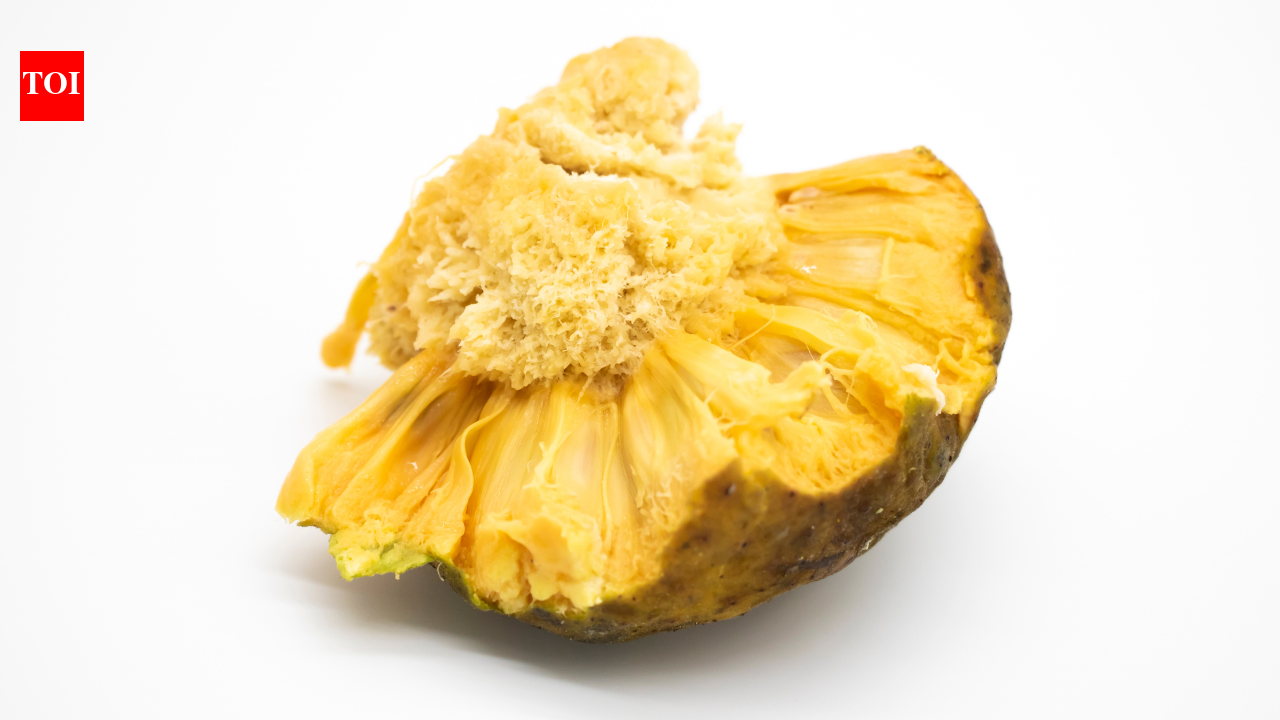
 For generations, forests and village backyards across parts of South Asia have quietly nurtured fruits that rarely make it to supermarkets. Many are known only within local communities, passed from one generation to another through recipes, home remedies, and memories.One such fruit is popularly called butter fruit in some regions, which is also known as barhar fruit. Belonging to the Artocarpus (jackfruit) family, this seasonal fruit is available only for a short period, usually during June and July.
A forgotten fruit that deserves another look
Butter fruit is not a globally recognised commercial fruit, and there is limited scientific literature dedicated solely to it. However, botanists recognise that several lesser-known Artocarpus species grow naturally across India, Bangladesh, Sri Lanka, and Southeast Asia.Experts working on agricultural biodiversity have repeatedly warned that many indigenous fruits are slowly disappearing as traditional orchards give way to urbanisation and monoculture farming.
Why nutrition experts find fruits like this interesting
One reason butter fruit attracts attention is its rich nutrient profile. According to Dr Amod Kumar’s discussion, the fruit is believed to contain exceptionally high amounts of vitamin C along with potassium and beneficial plant compounds.What science does support is the importance of the nutrients commonly associated with fruits like these.Vitamin CVitamin C helps maintain the immune system, supports wound healing, improves iron absorption, and plays an essential role in collagen formation.PotassiumPotassium is an essential mineral that helps regulate blood pressure, muscle function, nerve signalling, and fluid balance.Plant phytochemicalsMany colourful fruits naturally contain phytochemicals, including polyphenols and flavonoids, which act as antioxidants. These compounds help protect cells from oxidative stress.
The connection with healthy skin and joints
People often associate collagen supplements with youthful skin. In reality, the body makes its own collagen, provided it receives the nutrients needed for the process.Vitamin C is one of the most important nutrients involved in collagen production. Without enough vitamin C, collagen formation becomes impaired. That is why fruits naturally rich in vitamin C contribute to healthy skin, gums, bones, cartilage, and joints.This distinction is important because social media often blurs the difference between collagen-rich foods and collagen-supporting nutrients.
One important warning for people with kidney disease
Although potassium is beneficial for most healthy people, it is not suitable for everyone.People living with chronic kidney disease (CKD) may struggle to remove excess potassium from the body. High potassium levels can become dangerous and may affect heart rhythm.For this reason, anyone with kidney disease should speak with their doctor or renal dietitian before adding high-potassium foods to their regular diet.
Saving rare fruits is about more than food
Every fruit carries a story. Some tell the story of forests. Others remind families of childhood summers or recipes that rarely appear in cookbooks anymore.When traditional fruits disappear, something bigger disappears with them. Genetic diversity is lost. Local farmers lose unique crops. Wildlife loses food sources. Communities lose a piece of their cultural identity.Conservation does not always require expensive technology. Sometimes it begins with planting a native tree, protecting an old orchard, or choosing local seasonal fruits whenever they become available.