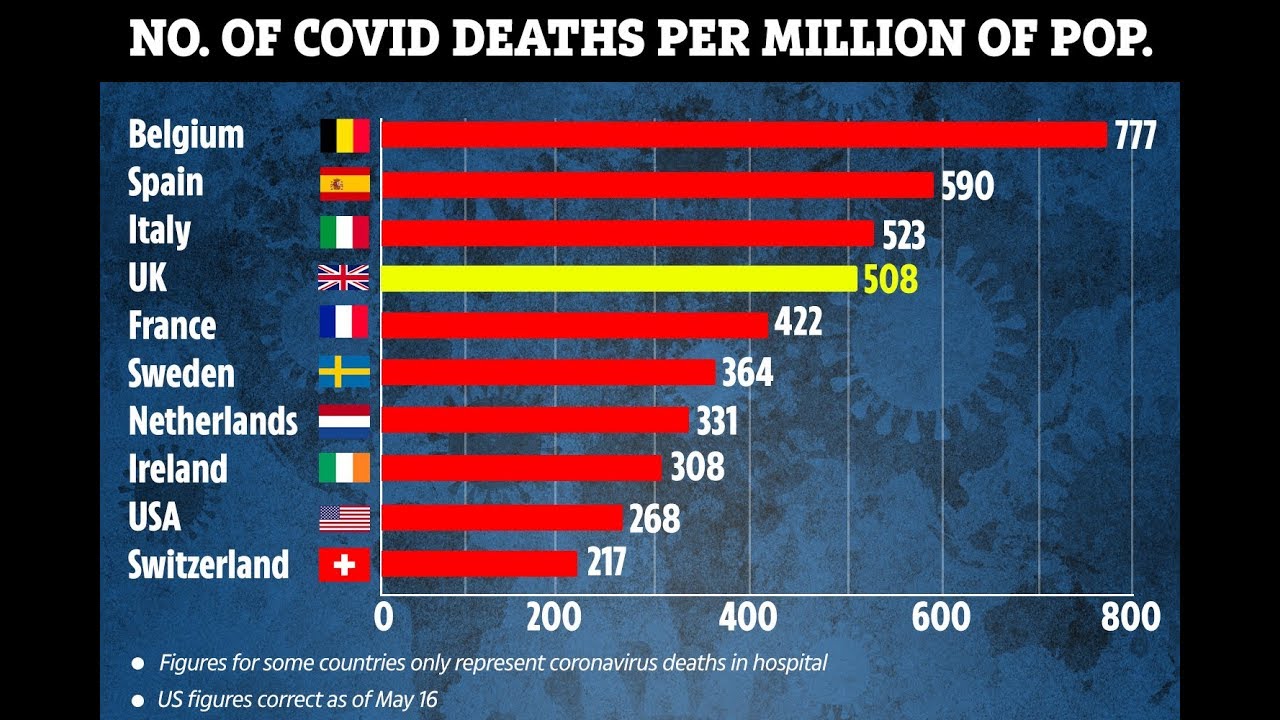
JUST one in 14 Swedes have coronavirus antibodies, a study has revealed, indicating the country’s ‘herd immunity’ policy has backfired. The Swedish study found just 7.3 per cent of people in the capital Stockholm had developed Covid-19 antibodies by late April. ⚠️ Read our coronavirus live blog for the latest news & updates The country’s controversial policy of not implementing a lockdown during the coronavirus outbreak was championed by Chief Epidemiologist Anders Tegnell, who recommended voluntary measures instead. Instead of restricting people’s movements and shutting down businesses and bars Sweden kept places open. The country’s death rates have been far higher than its Scandinavian counterparts but still lower than some European countries such as Britain, France and Italy, which implemented a lockdown at the height of the outbreak. Health authorities in Sweden now say the outbreak is slowing as the number of patients in intensive care has dropped by a third from a peak in late April. But over the past seven days Sweden has recorded the highest number of deaths per capita from Covid-19 in Europe. The study examined the potential of herd immunity to effectively stop the disease from spreading in the community. VOLUNTARY MEASURES TO TACKLE COVID-19 According to the Swedish Health Agency on Wednesday, the findings were roughly in line with models predicting a third of the Swedish capital’s population would have had the virus by now and where at least limited herd immunity could have been established. Tegnell said: “It is a little bit lower (than expected) but not remarkably lower, maybe one or a couple of percent. It squares pretty well with the models we have.” He had previously predicted Sweden would have herd immunity by May. The study examined around 1,100 tests from across the country but only figures from Stockholm were published. Health Agency officials stressed though that herd immunity was not a goal in itself but a strategy to slow the virus spreading enough so that health workers could cope, rather than suppress it completely. They added countries which had implemented a lockdown faced the potential for a second outbreak to flare up. The World Health Organisation (WHO) has warned against a herd immunity policy. It said last week studies from around the world had found antibodies in only 1-10 percent of the population, results in line with recent findings in Spain and France. Professor of Infectious Medicine at Uppsala University Bjorn Olsen has been a critic of Sweden’s response to the pandemic, calling it a “dangerous and unrealistic” approach to dealing with Covid-19. ‘DANGEROUS AND UNREALISTIC’ He said after the findings had been released: “I think herd immunity is a long way off, if we ever reach it.” Coronavirus testing in Sweden has largely been restricted to hospitalised cases and health care workers with weekly testing running at less than a third of the government’s target of 100,000, well below that of m