The most important thing to keep in mind is the right nutrition and the right training pattern.
What Is a Dietary Supplement?
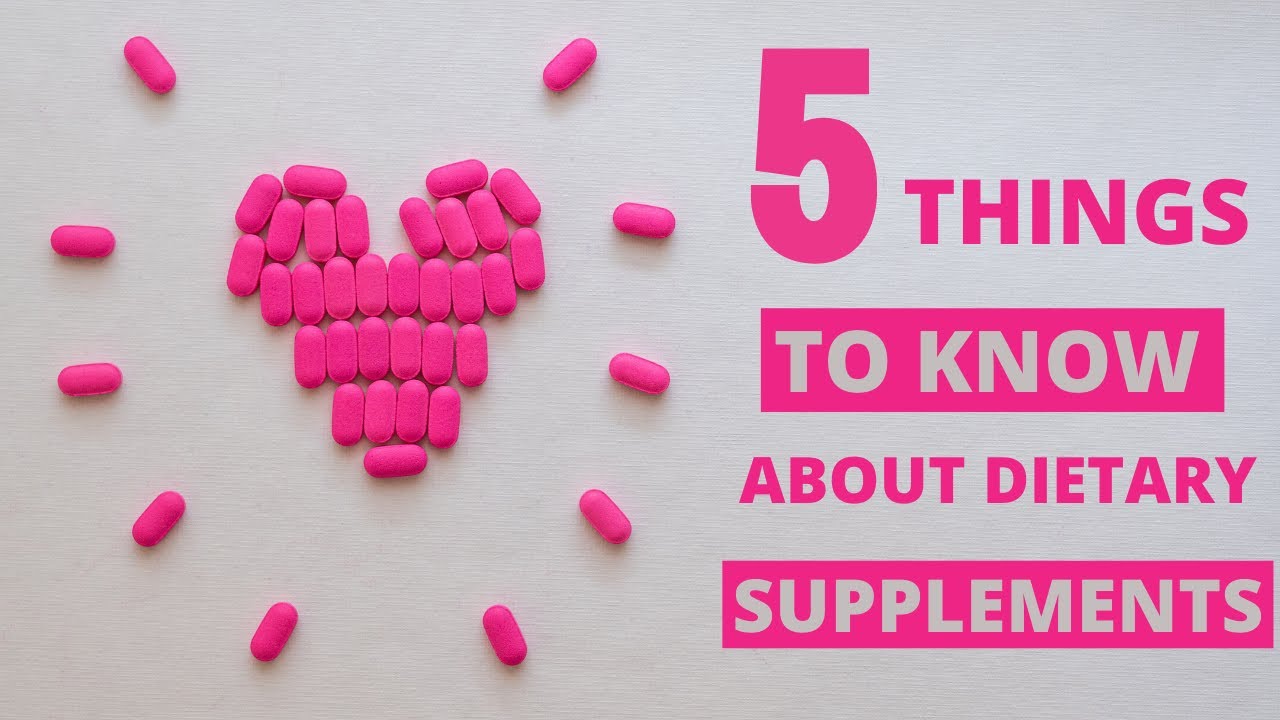
Dietary supplements are substances you might use to add nutrients to your diet or to lower your risk of health problems, like osteoporosis or arthritis. Dietary supplements come in the form of pills, capsules, powders, gel tabs, extracts, or liquids. They might contain vitamins, minerals, fiber, amino acids, herbs or other plants, or enzymes. Sometimes, the ingredients in dietary supplements are added to foods, including drinks. A doctor’s prescription is not needed to buy dietary supplements.
Source – NCCIH
DISCLAIMER – The Content is not intended to be a substitute for professional medical advice, diagnosis, or treatment. Always seek the advice of your physician or a qualified health provider with any questions you may have regarding a medical condition.
Instagram –
Facebook –
The Healing Hand is NOT a licensed medical professional. It is an informational resource to help people better their lives. It is not meant to substitute professional, personalized medical care. If you have an emergency, please dial 911 or see your primary care provider.
Should I Take a Dietary Supplement?
Eating a variety of healthy foods is the best way to get the nutrients you need. However, some people don’t get enough vitamins and minerals from their daily diet, and their doctors may recommend a supplement. Dietary supplements may provide nutrients that might be missing from your daily diet.
Talk with your doctor before taking any supplements. Some supplements can change how medicines you may already be taking will work. If your doctor recommends a dietary supplement for you, make sure you’re getting the brand recommended by the doctor and that you take it as directed.
Do you wonder if you need a dietary supplement? Maybe you do, but usually not. Ask yourself why you think you might want to take a dietary supplement. Are you concerned about getting enough nutrients? Is a friend, a neighbor, or someone on a commercial suggesting you take one? Some ads for dietary supplements in magazines, online, or on TV seem to promise that these supplements will make you feel better, keep you from getting sick, or even help you live longer. Often, there is little, if any, good scientific research supporting these claims. Supplements may cost a lot, could be harmful, or simply might not be helpful. Talk to your doctor or a registered dietitian for advice.
What If I’m Over 50?
People over age 50 may need more of some vitamins and minerals than younger adults do. Your doctor or a dietitian can tell you whether you need to change your diet or take a vitamin or mineral supplement to get enough of these:
Calcium. Calcium works with vitamin D to keep bones strong at all ages. Bone loss can lead to fractures in both older women and men. Calcium is found in milk and milk products (fat-free or low-fat is best), canned fish with soft bones, dark-green leafy vegetables like kale, and foods with calcium added, like breakfast cereals.
Vitamin D. Most people’s bodies make enough vitamin D if they are in the sun for 15 to 30 minutes at least twice a week. But, if you are older, you may not be able to get enough vitamin D that way. Try adding vitamin D-fortified milk and milk products, vitamin D-fortified cereals, and fatty fish to your diet, and/or use a vitamin D supplement.
Vitamin B6. This vitamin is needed to form red blood cells. It is found in potatoes, bananas, chicken breasts, and fortified cereals.
Vitamin B12.Vitamin B12 helps keep your red blood cells and nerves healthy. While older adults need just as much vitamin B12 as other adults, some have trouble absorbing the vitamin naturally found in food. If you have this problem, your doctor may recommend that you eat foods like fortified cereals that have this vitamin added, or use a B12 supplement.