
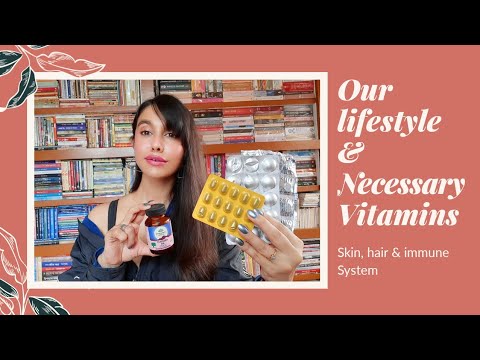
Our Lifestyle And Necessary Vitamins:
Sadly, too many of us don’t eat enough of the fresh fruits, vegetables and other foods we need to keep ourselves healthy year-round. You can’t just eat an orange or grapefruit and expect one quick burst of vitamin C to prevent a cold. A truly healthy immune system depends on a balanced mix of vitamins and minerals over time, plus normal sleep patterns and a hefty dose of exercise.
With some exceptions, it’s best to get your vitamins and minerals from your food rather than in pill form. Here are some tips for getting the top vitamins and minerals your immune system needs to perform.
Vitamin C :
You probably know about vitamin C’s connection to the immune system, but did you know you can get it from much more than just citrus fruits? Leafy green vegetables such as spinach and kale, bell peppers, brussels sprouts, strawberries and papaya are also excellent sources. In fact, vitamin C is in so many foods that most people may not need to take supplements unless a doctor advises it.
Vitamin E:
Like vitamin C, vitamin E can be a powerful antioxidant that helps your body fight off infection. Almonds, peanuts, hazelnuts and sunflower seeds are all high in vitamin E. So are spinach and broccoli if you prefer to increase your intake through meals rather than snacks.
This important vitamin — part of nearly 200 biochemical reactions in your body — is critical in how your immune system functions. Foods high in vitamin B6 include bananas, lean chicken breast, cold-water fish such as tuna, baked potatoes and chickpeas. Bring on the hummus!
Vitamin A
For vitamin A, go colorful. Foods that are high in colorful compounds called carotenoids — carrots, sweet potatoes, pumpkin, cantaloupe and squash — are all great options. The body turns these carotenoids into vitamin A, and they have an antioxidant effect to help strengthen the immune system against infection.
Vitamin D
As mentioned above, it’s best to get most of your vitamins from food, but vitamin D may be the exception to that rule. You can increase your intake through foods such as fatty fish (salmon, mackerel, tuna and sardines) and fortified foods such as milk, orange juice and cereals. Many people have a hard time absorbing vitamin D from food, so if you have a vitamin D deficiency, talk to your doctor about supplements.
Vitamin K
is found in the following foods:
Green leafy vegetables, such as kale, spinach, turnip greens, collards, Swiss chard, mustard greens, parsley, romaine, and green leaf lettuce.
Vegetables such as Brussels sprouts, broccoli, cauliflower, and cabbage.
Fish, liver, meat, eggs, and cereals (contain smaller amounts)
Omega 3 fatty acids:
Beauty comes from the inside – which means that a regular intake of nutrient-dense foods is required to achieve optimal skin health
Omega-3 fatty acids influence the gut-skin axis – one of the most critical factors affecting skin vitality
Emotional stress can create unfavorable changes in skin quality, but can be combatted by certain dietary and lifestyle choices..
Disclaimer:
All the supplements are recommended to me by a doctor. I strongly suggest and recommend to consult and take the approval of your doctor before taking any supplements.
#immunesystem #vitamins #necessaryvitamins #srabantibanerjee
Instagram:
Facebook:
Twitter: Take a look at Srabanti Banerjee (@SrabantiBanerje):