
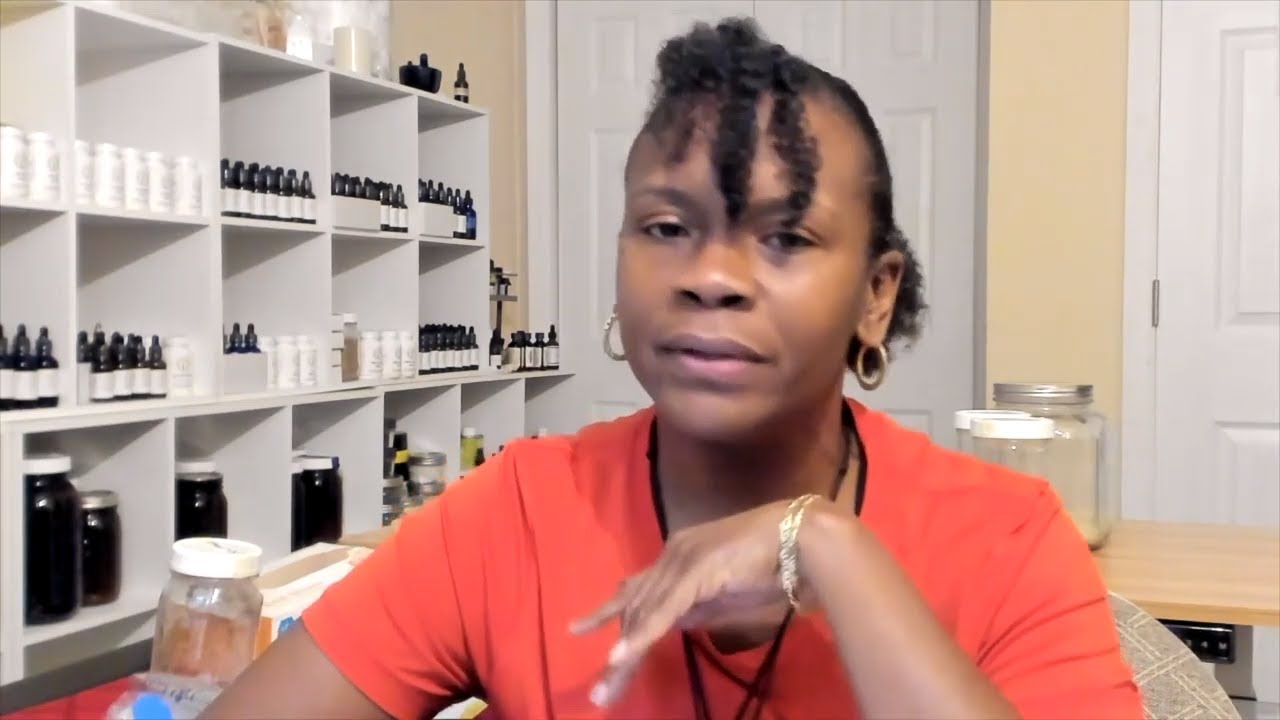
Thoughts About This Virus, Vitamin D And Our Current Lives
For more information: website
Courses
Facebook Herbalist Viola
Instagram __verywisealternatives
#thougjtaboutthisvirus #herbalistviola #verywisealternatives
Does vitamin D protect against COVID-19?
There is some evidence to suggest that vitamin D might help protect against becoming infected with, and developing serious symptoms of, COVID-19. We know, for example, that people with low vitamin D levels may be more susceptible to upper respiratory tract infections. One meta-analysis found that people who took vitamin D supplements, particularly those who had low vitamin D levels, were less likely to develop acute respiratory tract infections than those who didn’t.
Vitamin D may protect against COVID-19 in two ways. First, it may help boost our bodies’ natural defense against viruses and bacteria. Second, it may help prevent an exaggerated inflammatory response, which has been shown to contribute to severe illness in some people with COVID-19.
Our bodies make vitamin D when exposed to sunshine. Five to 10 minutes of sun exposure on some or most days of the week to the arms, legs, or back without sunscreen will enable you to make enough of the vitamin. Good food sources of vitamin D include fatty fish (such as tuna, mackerel, and salmon), foods fortified with vitamin D (such as dairy products, soy milk, and cereals), cheese, and egg yolks.
The recommended dietary dose of vitamin D is 600 IU each day for adults 70 and younger and 800 IU each day for adults over 70. A daily supplement containing 1,000 to 2,000 IU of vitamin D is likely safe for most people. For adults, the risk of harmful effects increases above 4,000 IU per day.