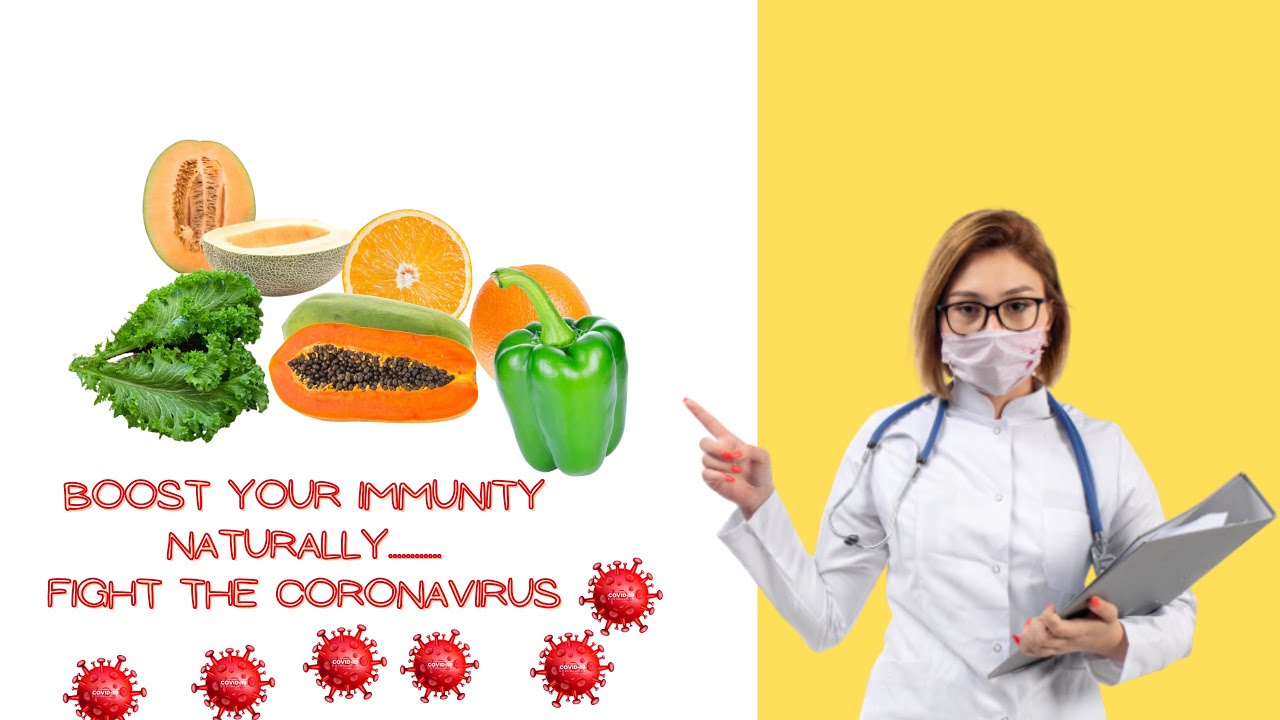
Boost your immunity naturally to fight the coronavirus .There are foods that boost your immunity or immune system for example vegetables containing Isothiocyanates or ICTs ,zinc ,mushroom and also another source is vitamin d which is mainly sunlight.To fight the Covid-19 naturally requires these foods so that the immune system may be strong enough to counter the virus.Food supplements for immunity are good but they are expensive to purchase and therefore people choose to prevent Covid-19 naturally by using foods mentioned in the video above at low costs.Food that boost your immune system are important covid-19 updates that cannot be ignored.
Follow us on Facebook:
Follow us on Twitter:
DO NOT CLICK:
Learn Spanish for free:
Terms used in this video and immune system constituents:
Chemotaxis:The movement of a cell towards a chemical attractant.
Neutrophils cells : phagocytose and kill microorganisms by releasing antimicrobial compounds (e.g. defensins ).
Eosinophils cells: provide immunity against parasites.
Phagocytosis: Defence mechanism by which body cells consume and destroy foreign materials, ‘cell eating’.
Pathogen:Micro-organism capable of causing disease.
Basophils cells: are also involved in allergic reactions and are able to release histamine, which helps to trigger inflammation ( swelling), and hepari, which prevents blood from clotting.
Granulocytes: are phagocytes, that is they are able to ingest foreign cells such as bacteria, viruses and other parasites.Granulocytes are so called because these cells have granules of enzymes which help to digest the invading microbes.Granulocytes account for about 60% of our white blood cells. There are three different forms of granulocytes: Neutrophils, Eosinophils,Basophils.
Monocytes can develop into two types of cell:
1. Dendritic cells are antigen-presenting cells which are able to mark out cells that are antigens (foreign bodies) that need to be destroyed by lymphocytes.
2. Macrophages are phagocyte cells which are larger and live longer than neutrophils. Macrophages are also able to act as antigen-presenting cells.
Lymphocytes : Are cells which help to regulate the body’s immune system.The main types of lymphocytes are:
1. B lymphocytes (B cells).
2. T lymphocytes (T cells).
B lymphocytes: Are able to release antibodies which are Y shaped proteins that bind to infected microbes or cells of the body that have become infected. Antibodies can either neutralize the target microbe or can mark it out for attack by T lymphocytes.
T lymphocytes:There are a number of different T lymphocytes:
1. Helper T cells release a protein called cytokines which help to further direct the response of other white blood cells.
2.Cytotoxic T cells (also known as natural killer T cells) are able to release molecules which kill viruses such as the coronavirus and other antigens.
3. Memory T cells will be present after the body has fought off an infection and help the body to deal more easily with any future infection of the same type.Regulatory T cells (also known as suppressor T cells) help to regulate other T cells to prevent them targeting the body’s own cells.
Granulocyte:General term for a white blood cell without cytoplasmic granules.
Inflammation:Non-specific tissue response to damage.
Immunity: Body defence mechanisms against a specific disease.
Microbe: Micro-organism, e.g. a fungus, bacterium or virus.
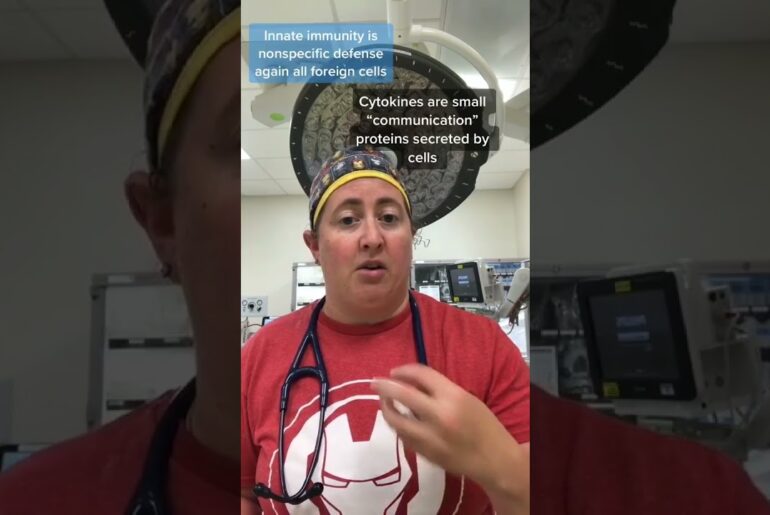
Innate immune system: Is inborn and operates throughout life .
Adaptive immune system: Changes in response to the pathogens it encounters.
CD4 cells (also known as CD4+ T cells): Are white blood cells that fight infection. CD4 cell count is an indicator of immune function in patients living with HIV and one of the key determinants for the need of opportunistic infection (OI) prophylaxis. CD4 cell counts are obtained from blood work as part of laboratory monitoring for HIV infection.
Isothiocyanates: are sulfur-containing phytochemicals with the general formula R-NCS. Different molecules belong to this group. Isothiocyanates occur naturally as glucosinolate conjugates in cruciferous vegetables. Isothiocyanates are also responsible for the typical flavor of these vegetables.