All about Vitamin C
Vitamin C, also known as ascorbic acid, is a water-soluble nutrient found in some foods. In the body, it acts as an antioxidant, helping to protect cells from the damage caused by free radicals. The body also needs vitamin C to make collagen, a protein required to help wounds heal. In addition, vitamin C improves the absorption of iron from plant-based foods and helps the immune system work properly to protect the body from disease.
The amount of vitamin C you need each day depends on your age. Average daily recommended dose is 75mg in women and 90mg in men. It increases in pregnancy, post surgeries, smokers etc. The importance of vit C was first realised more than 250 years ago when shortage of it was discovered to be the cause of scurvey. Its deficiency can lead to other symptoms too including bleeding gums, frequent bruising and infections, poor wound healing and even anemia.
Unfortunately, Humans cannot synthesize vitamin c and it has to be taken from the diet. Vitamin C can actually be synthesized by the large majority of vertebrate and invertebrate species. During the course of evolution, humans evolved with not being able to synthesize vit C on their own. It is believed to be due to mutations in the gene which codes for enzyme
L-gulono-γ-lactone oxidase (GLO)
responsible for catalyzing the last step of vitamin C biosynthesis.
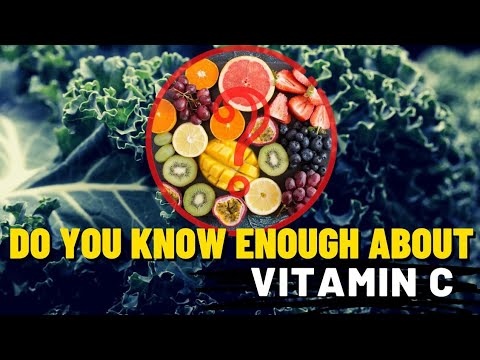
But, the human daily recommended intake for vitamin c is the highest among all vitamins Hence vitamin C should be adequately supplied from sources that include fruits and vegetables. Top 10 fruits and vegetables with highest content of vitamin C are:
1.Guava
2.Bellpaper
3.Kiwi
4.Strawberry
5.Oranges
6.Papaya
7.Broccoli
8.Tomatoes,
9.Kale
10.Snow peas
#VitaminC
#Facts
#VitCrichfoods