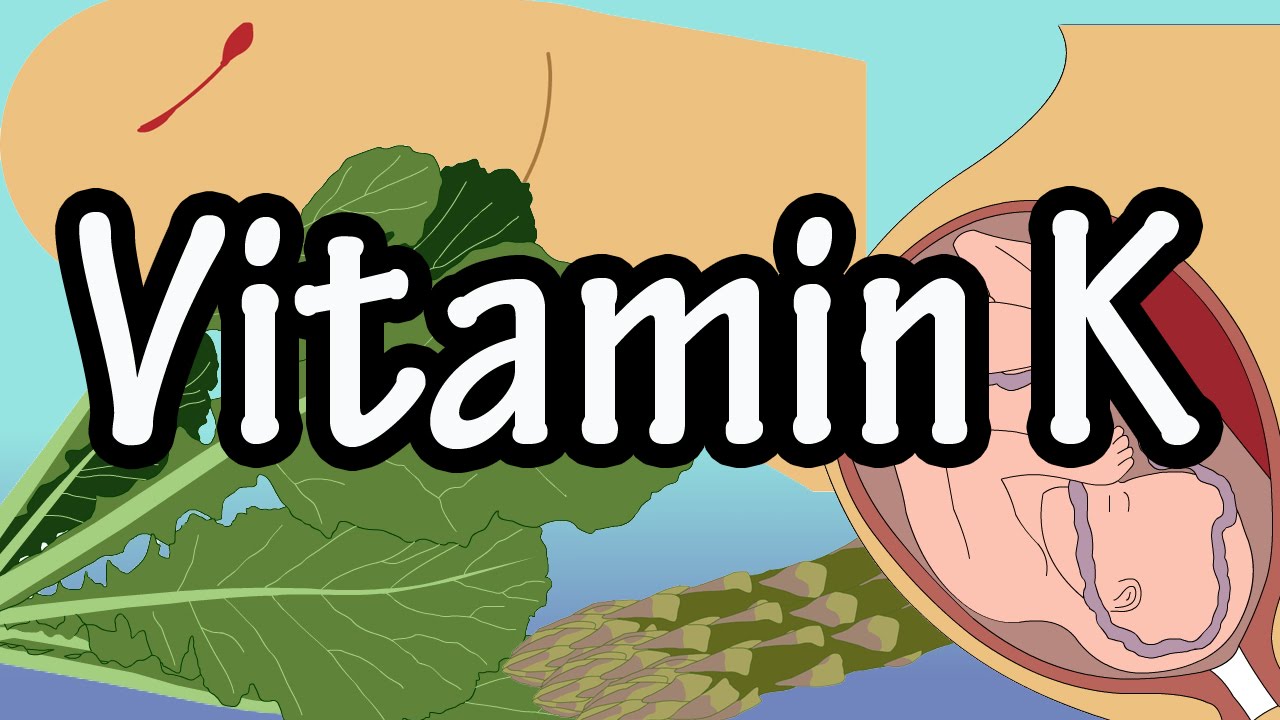
In this video I discuss Vitamin K. Some of its functions in the body, foods rich in Vitamin K, some of the effects of deficiency and daily recommendations.
Transcript
Vitamin K is a fat soluble vitamin and is important for blood clotting functions and strong bones.
Foods high in Vitamin K include, green leafy vegetables, asparagus, and olive oil.
Deficiency and toxicity are rare. Deficiency is usually only a concern for individuals on blood thinners as it reduces absorption of vitamin K and in newborns since Vitamin K does not cross the placenta and breast milk does not provide any significant amount. Newborns are usually given a shot of vitamin K to reduce any risks.
The recommended amount of vitamin K to be consumed daily is 90 mcg in women and 120 micrograms in men. For instance, 1/3 cup of cooked kale provides 353 mcg of Vitamin K. In fact, One serving of several types of leafy greens will provide the RDA.
Vitamin K is a 1 on our rating scale, most people do get enough of it in their diet
As mentioned toxicity is not a concern with food consumption. Toxicity does not occur without doses in excess of 1000 times over the RDA.