Welcome to Lifewell Seniors – Your Guide to Healthy Aging!
SENIORS, If Your Legs Feel Weak, Eat This One Food to Stay Strong: Seniors Wellness Tips. SENIORS, YOUR MUSCLES Are Disappearing Without THIS One Food
Top 5 Foods to Prevent Leg Cramps in Seniors Strengthen Your Legs: Seniors Wellness Tips
TOPIC DETAIL:
1 ⚠5 POWERFUL Foods to STRENGTHEN Your LEGS and PROTECT Your JOINTS
2 6 golden habits for healthy aging discover them now! Health in old age.
3 If You’re WORRIED About MEMORY DECLINE, Here’s HOW to Keep Your Mind SHARP for YEARS!
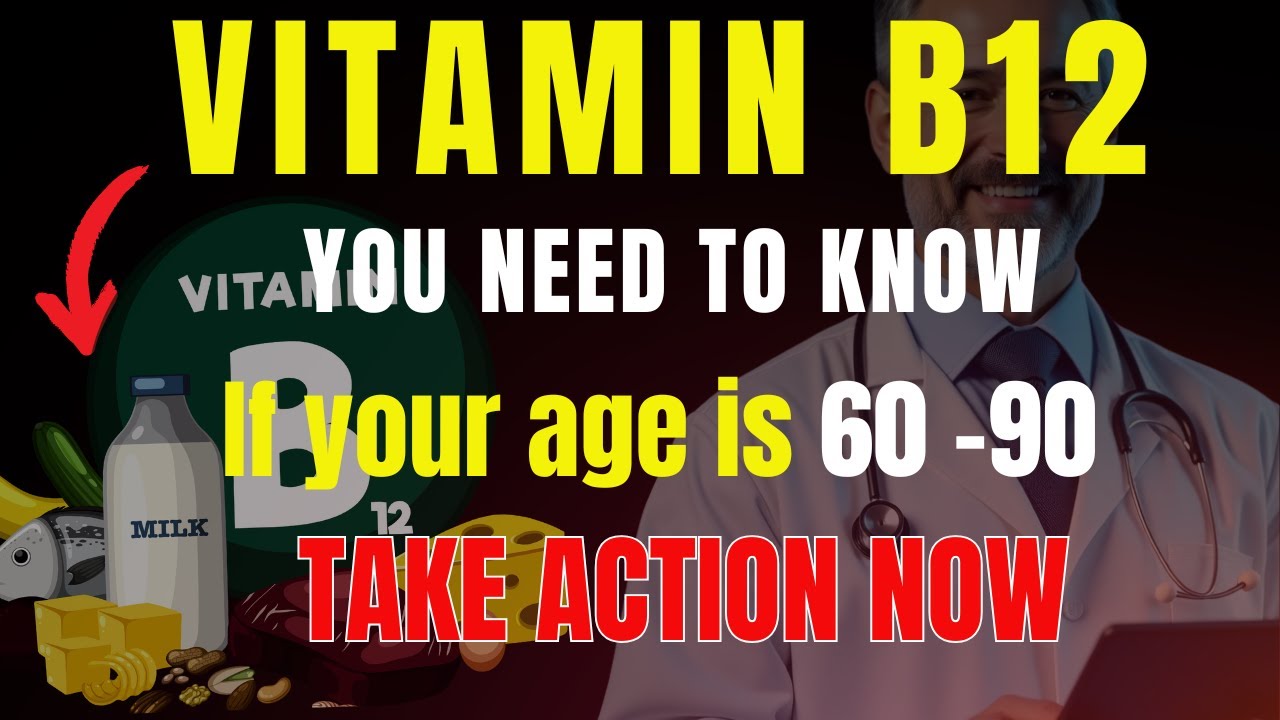
4 The HIDDEN DANGER of Aging Why VITAMIN B12 Matters More Than You Think
5 7 Signs That Predict How Long You Will Live After 70s Scientifically Proven!
Lifewell Seniors is your trusted companion for better health, vitality, and longevity. We believe that small, smart choices in diet and lifestyle can lead to big improvements in your well-being.
Here, you’ll find expert-backed videos on the best foods for senior health, simple habits to prevent common issues, and practical tips to stay active and independent. Our mission is to provide clear, science-based insights to help you take control of your health and live life to the fullest.
#seniorhealth #lifewellseniors #aihealth #seniorwellness #aivoice #healthyaging
🌟 Music Credits:
“Spring of Deception” by Density & Time
Licensed under Creative Commons Attribution (CC BY 4.0)
https://creativecommons.org/licenses/by/4.0/
🎬 Provided by: YouTube Audio Library
————————————————-
👉🏼 We will reply to every comment!
THANK YOU FOR YOUR WONDERFUL SUPPORT!
⚠️ Disclaimer:
The information in this video is generated by AI for educational purposes only and should not be considered medical advice. All characters and voices are fictional.
The content provided in these videos is based on personal experiences and is for informational purposes only. These videos are not intended to diagnose, treat, or cure any medical condition. Any health-related concerns or medical advice should always be discussed with a licensed healthcare provider or physician. Please consult with a doctor before making any changes to your health routine.
———————————————————————-
© Copyright by LifeWell Seniors Production
© Copyright all rights reserved
⚠ Copyright notes: Any unauthorized use of our VIDEO, SCRIPT, or THUMBNAIL will be reported for “Content Misuse.” We are committed to creating original, high-quality videos
How to predict your longevity? Seven signs you need to watch after 70. Have you ever wondered how much longer you might live after turning 70? Time seems to pass faster as we age, doesn’t it? Each year becomes more precious. But what if I told you that your body is already giving you clues about how much longer you might live? Yes, your body is telling you subtle signals that could reveal a lot about your longevity. And they’re not just guesses. These clues are backed by science. They’re real. scientifically proven signs that can predict how long you’ll live. And here’s the best part. By recognizing these signs, you can make small but impactful changes in your lifestyle that could actually help you live longer and most importantly live better. Intrigued? I hope so, because in today’s video, we’re diving into seven of these life-changing signs. These aren’t just things people say. These signs come from years of research and observations of people who’ve lived long, healthy lives. By the end of this video, you’ll know exactly what to look for in your own body, and you’ll also walk away with practical sciencebacked steps to improve these signs. It’s all about taking action now to enhance your health and boost your chances of living a longer, healthier life. Whether you’re already in your 70s, getting closer to that milestone, or you just want to prepare for the future, this video is perfect for you. We’ll cover everything you need to know and I’ll make sure you leave with tools to take care of yourself and feel your best as you age. Now, I’d love to hear from you before we dive in. What’s one thing you’ve done recently to stay healthy as you age? Drop a comment below and let me know your thoughts and experiences are always welcome here. And while you’re at it, don’t forget to hit that subscribe button and turn on notifications. This way, you’ll never miss out on our health boosting tips and insights that are designed to help you live your best life. All right, let’s get into it. The first sign that can predict how long you’ll live after 70 is something incredibly simple yet powerful. Your walking speed. Now, you might be thinking, “Walking? Really?” But trust me, your walking pace isn’t just about how fast you get from point A to point B. It’s about much more than that. In fact, walking speed is actually one of the strongest predictors of longevity. And it’s not just a random guess. It’s backed by science. Studies show that people who maintain a steady, brisk walking pace in their 70s and beyond tend to live longer than those who slow down significantly. Walking speed is directly linked to overall health. It reflects your muscle strength, cardiovascular function, and even your brain health. Think about it this way. Your legs are the foundation of your body. When they start to weaken, everything else follows. Let me tell you a story about two people, Joe and Frank. Both are 75 years old. Joe walks every morning keeping a steady pace. He doesn’t struggle when crossing the street or climbing stairs, and his movements are fluid and confident. Frank, on the other hand, used to be active but has slowed down over the past few years. He struggles to keep up with others, takes frequent breaks, and sometimes even feels unsteady on his feet. Now, while Joe’s pace suggests that his body is still functioning well, Frank slowing down might be a warning sign that his health is deteriorating. But here’s the good news. Walking speed is something you can improve. The more you walk, the stronger your legs will stay. If you’ve noticed that you’re slowing down, don’t ignore it. Start making small efforts to build strength, like taking more walks, using light weights, or even doing simple leg exercises. I’m telling you, how fast you move through life can tell you a lot about how long you’ll keep moving at all. So, pay attention to your pace. It’s one of the easiest and most effective ways to check in on your longevity. Now, I’m curious. Have you noticed a change in your walking speed over the past few years? Let me know in the comments below. I’d love to hear your thoughts and experiences with this. All right, moving on to the second sign. The strength of your grip can say a lot more about your future than you might think. Yes, that handshake of yours, it’s not just a social cue. It’s actually a clear indicator of your overall vitality. Believe it or not, grip strength is one of the most reliable signs of health in older adults. A firm, steady grip suggests strong muscles, good circulation, and a well functioning nervous system. On the flip side, a weak or declining grip can be a warning sign of muscle loss, frailty, and even a higher risk of health complications. Let’s look at another example. Robert and Walter, both 78 years old. Robert has always had a firm handshake. He stayed active, done light weightlifting, and never had trouble opening jars or carrying groceries. But Walter, well, he started noticing that simple tasks like twisting the cap off a bottle or holding onto a heavy bag feel harder than they used to. He just brushes it off as part of aging. But what he doesn’t realize is that his declining grip strength is actually a sign of muscle loss, which could make him more prone to falls, injuries, and even shorter life expectancy. The truth is, your hands are a direct reflection of your overall muscle health. If your grip is weakening, chances are your muscles are too. But here’s the good news. You can rebuild grip strength. Simple exercises like squeezing a tennis ball, using hand grippers, or even carrying light weights can help keep your muscles strong and your grip firm. So, take a moment and test your grip. Is your handshake as firm as it used to be? Do everyday tasks feel harder to do? If you’re still watching and finding these insights valuable, go ahead and comment number two below to let me know you’re here. Don’t forget to subscribe and hit the bell for more tips to keep you healthy and strong. Grip strength, balance, and more. Now that we’ve covered walking speed and grip strength, let’s move on to the third sign, your ability to stand on one leg. It may sound simple, but balancing on one leg is one of the most reliable indicators of how well your body is aging, especially when it comes to your muscle strength and brain function. Researchers have found that people who struggle with balance are more likely to experience falls, injuries, and even cognitive decline. The good news is balance is something you can improve. And the earlier you work on it, the better. So, let’s break it down. Balance doesn’t just depend on your legs. It also relies on your nervous system and brain function. That’s why good balance is an indicator of overall health. Strong legs, a sharp nervous system, and a healthy brain all work together to keep you steady on your feet. If you’ve noticed that you’ve been stumbling more often, needing to grab onto something for support, or feeling unsteady when you turn quickly, that could be a sign that your coordination and strength are declining. Take Carol and Nancy for example. Both are in their early 70s. Carol has always been active. She walks everyday, does yoga, and can easily stand on one leg for several seconds without wobbling. Nancy, on the other hand, hasn’t paid much attention to her balance. When she tries to stand on one leg, she immediately starts tipping over and has to grab onto something to steady herself. What Nancy doesn’t realize is that this loss of balance is a warning sign that her muscle strength, coordination, and even brain function may be slipping. Balance isn’t just a matter of convenience. It can be a matter of life and death, especially if you suffer a fall. Falls can lead to broken bones, a loss of independence, and long recovery times. But the good news is that you can work on improving your balance at any age. Simple exercises like standing on one foot for a few seconds each day, walking heel to toe, or even practicing tai chi can help you regain stability and reduce the risk of falling. So, if you can take a moment right now and test your balance, try standing on one foot for 10 seconds. Can you do it without wobbling? If not, don’t worry. The more you practice, the better you’ll get. I’d love to know, how’s your balance been recently? Drop a comment below and share your experience. Maybe you’ve noticed you’re more steady on your feet than ever before, or perhaps you’ve had some struggles with balance. Either way, your story can help others. So, don’t hesitate to share. Next, let’s talk about something that’s often overlooked, but plays a major role in longevity, your sleep patterns. Yes, how well you sleep says a lot about how long you might live. Sleep is not just for resting. It’s when your body heals, repairs itself, and strengthens your immune system. It’s also when your brain clears out toxins, including the ones linked to Alzheimer’s disease. Poor sleep is not only linked to feeling tired the next day. It’s also tied to a higher risk of memory loss, heart disease, and even shortened lifespan. Let’s consider two people, Henry and Bill, both in their mid70s. Henry has a consistent sleep schedule. He goes to bed at the same time each night, sleeps around 7 hours, and wakes up feeling refreshed. Bill, on the other hand, struggles with sleep. He tosses and turns throughout the night, wakes up multiple times, and sometimes even has trouble falling back to sleep. Over time, Henry stays sharp, energized, and in good health, while Bill experiences brain fog, fatigue during the day, and even some health issues, all because of his poor sleep. If you’re someone who wakes up multiple times during the night, finds it hard to stay asleep, or feels exhausted even after spending hours in bed, don’t ignore it. Your body is trying to tell you something. Sleep quality can be influenced by many factors such as stress, poor diet, lack of physical activity, or even underlying health conditions like sleep apneoa. But the good news is that sleep can be improved. Simple changes like reducing screen time before bed, sticking to a regular sleep schedule, and avoiding heavy meals late at night can help you improve your sleep quality. If sleep is something you’ve been struggling with, I want to hear from you. Have you found any tips or tricks that have helped you sleep better? Drop a comment below and share your experiences could help someone else who’s also dealing with the same challenges. And if you haven’t already, hit the subscribe button and turn on the notification bell. That way, you’ll never miss another health tip that could make a big difference in your life. Now, let’s move on to the fourth sign, which is all about your appetite and eating habits. As we age, it’s normal for our appetite to change. But did you know that your eating habits can tell you a lot about how long you might live? A healthy appetite and balanced diet are essential for maintaining strong muscles, a healthy immune system, and sustained energy levels. On the other hand, a sudden loss of appetite or poor eating habits can signal underlying health problems and even accelerate the aging process. Let me introduce you to Margaret and Susan. Both are 74 years old. Margaret enjoys her meals, eats a variety of whole foods, and maintains a steady weight. She looks forward to preparing her meals, and she feels energized throughout the day. On the other hand, Susan has started to lose interest in food. She skips meals, relies on processed foods, and has lost weight without trying. What she doesn’t realize is that this decline in appetite isn’t just a small change. It’s a red flag that her body might not be absorbing nutrients properly. This could lead to muscle weakness. A slowed metabolism, and a weakened immune system. A decrease in appetite can also be linked to conditions like digestive issues, hormonal changes, or even early signs of cognitive decline. If you’ve noticed changes in your eating habits, whether you feel full too quickly, have lost interest in food, or have unintentionally lost weight, it’s important to take action. Don’t just brush it off. Eating well after 70 isn’t just about staying full. It’s about giving your body the nutrients it needs to function properly. Have you noticed any changes in your appetite or eating habits? Drop a comment below and let me know. And remember, eating a balanced diet is key to staying healthy and strong, especially as you age. Managing stress, handling challenges, and building connections. All right, now that we’ve covered walking speed, grip strength, balance, and sleep patterns, let’s move on to the fifth sign, your ability to handle stress. How you manage stress as you age can say a lot about how long you’ll live and perhaps more importantly how well you’ll live. Chronic stress isn’t just uncomfortable. It has real tangible effects on your body. It weakens your immune system, raises your risk of heart disease, and can even accelerate aging. When you’re stressed, your body produces hormones like cortisol, which can have a negative impact on various parts of your body, from your brain to your muscles. Over time, this constant state of stress can lead to higher blood pressure, digestive issues, and even problems with memory and focus. Let’s take a look at two people, John and Richard. Both are 76 years old, but they deal with stress very differently. Jon faces challenges just like anyone else. Whether it’s unexpected expenses, health scares, or family issues, but he’s learned to handle these challenges with a calm, steady approach. He practices deep breathing, stays socially engaged, and doesn’t let stress take over. Richard, on the other hand, constantly worries about things outside of his control. He feels overwhelmed by small frustrations, and he often finds himself stuck in negative thought patterns. Over time, this constant stress takes a toll on his body. His blood pressure rises, his sleep suffers, and his energy levels drop. The difference between Jon and Richard. Jon has learned to manage stress while Richard has let it control him. And believe it or not, this can make a huge difference in their long-term health and longevity. Finding ways to manage stress, whether through mindfulness, regular exercise, deep breathing, or even laughter, can add years to your life. In fact, people who can manage stress effectively, tend to stay healthier, more active, and mentally sharp into their later years. So, how do you handle stress? Do you find yourself stressing out over little things or do you have strategies to stay calm when life gets tough? Share your thoughts in the comments below. I’d love to hear what works for you when it comes to managing stress. If you haven’t subscribed yet, be sure to do so now and hit the notification bell so you never miss our tips for staying healthy and stress-free. Now, let’s move on to the sixth sign, your social connections. You might not realize it, but the strength of your relationships can actually predict how long you’ll live. It’s true. Studies have consistently shown that people who have strong social ties, whether through friendships, family, or community involvement, tend to live longer, healthier lives. On the other hand, loneliness has been linked to higher risks of heart disease, depression, cognitive decline, and even early mortality. Let’s think about two women, Alana and Barbara. Both are 78 years old. Alana has an active social life. She stays in touch with her old friends, participates in a local book club, and spends time with her family. She looks forward to conversations, laughs often, and feels a sense of connection with the people around her. Barbara, however, spends most of her time alone. She has lost touch with many of her friends over the years, and although she has family, she rarely reaches out. As the months pass, she starts feeling isolated. Her mood declines, and her health begins to suffer. Human connection isn’t just about emotional support. It directly impacts your physical health. When you interact with others, your brain stays active, your stress levels drop, and your body releases chemicals that promote overall well-being. That sense of belonging, that sense of being connected to others is essential for maintaining good health. In fact, the more social engagement you have, the better you’ll feel both mentally and physically. So, how connected do you feel right now? Are you actively nurturing your relationships? Or have you been feeling a bit isolated? It’s never too late to start making connections. Whether it’s by reaching out to an old friend, joining a new group, or simply making more time for your family. If you’re already part of a strong community, that’s wonderful. Keep it up and consider how you can deepen those connections. If you’ve noticed that you’ve been spending more time alone, it might be time to take action. Remember, even small steps can make a big difference in your health and happiness. So, what’s your social life like? Drop a comment below and let me know how you stay connected with others. Have you noticed a difference in your health when you’re more socially engaged? I’d love to hear your stories. And don’t forget to hit that subscribe button and turn on the notifications so you can keep receiving helpful tips to stay healthy and connected. Finally, the seventh and last sign we’re going to discuss today is your sense of purpose. This one might surprise you, but having a sense of purpose as you age is one of the most important factors in predicting how long you’ll live. People who have a strong sense of purpose tend to live longer, healthier lives, and they’re less likely to develop serious health conditions like heart disease or dementia. Think about it. When you have a reason to get out of bed in the morning, you’re more likely to stay active, stay engaged, and take better care of yourself. Your sense of purpose could come from many sources. Whether it’s taking care of your loved ones, volunteering in your community, pursuing a passion, or simply making a difference in the lives of others. Whatever it is, a sense of purpose gives you something to look forward to and adds meaning to your daily routine. If you’re feeling a little lost or like you’re lacking direction, it’s never too late to find your sense of purpose. Start by thinking about what brings you joy and fulfillment. Is there a hobby you’ve always wanted to try? Or maybe there’s a cause that’s close to your heart that you can get involved with. Don’t underestimate the power of having something to live for. It’s one of the most powerful predictors of longevity. So, what gives you a sense of purpose? What drives you to get up every day and live your best life? Drop a comment below and share your thoughts. I’m sure your story will inspire others to find their own sense of purpose. And of course, don’t forget to subscribe and hit the notification bell so you can stay informed about all the best tips for a long and healthy life. Appetite, stress, and your mental health. Now, let’s continue with the next sign, your appetite, and eating habits. Believe it or not, the way you eat after 70 is one of the strongest indicators of how long you might live. A healthy appetite and a balanced diet are essential for maintaining muscle strength, a resilient immune system, and high energy levels. On the other hand, a sudden loss of appetite or poor eating habits can signal underlying health issues and even accelerate the aging process. Let me tell you about two women, Margaret and Susan. Both are 74 years old. Margaret enjoys her meals, eating a variety of fresh whole foods, and maintains a steady weight. She looks forward to preparing her meals, and she feels energized throughout the day. On the other hand, Susan has started to notice that she isn’t as hungry as she used to be. She skips meals, relies on processed foods, and has lost weight unintentionally over the past year. What Susan doesn’t realize is that her declining appetite isn’t just a small change. It’s a red flag. Her body may not be absorbing nutrients properly, which could weaken her muscles, slow down her metabolism, and even affect her immune system. A decrease in appetite is often linked to underlying health concerns such as digestive issues, hormonal changes, or even early signs of cognitive decline. If you’ve noticed changes in your eating habits, whether it’s feeling full too quickly, having a lack of interest in food, or experiencing unexpected weight loss, it’s important to take action. Eating well after 70 isn’t just about staying full. It’s about giving your body the nutrients it needs to function properly. A balanced diet with enough protein, fiber, and healthy fats helps to keep your muscles strong and your body energized. If you’ve noticed a shrinking appetite, don’t ignore it. Your body could be sending you a message that something needs attention. Let me know. Have you noticed any changes in your eating habits recently? Are you getting enough nutrients to stay strong and healthy? Share your thoughts in the comments below. And if you’re new to the channel, don’t forget to subscribe and turn on the notification bell so you won’t miss out on more helpful tips and insights. Moving on, let’s talk about another crucial sign. How you handle stress. This is something that many people don’t realize is such a big factor in how long they live, but it absolutely is. Chronic stress doesn’t just affect your mood. It weakens your immune system, raises your risk of heart disease, and accelerates aging. The longer you stay stressed, the more it takes a toll on your body. It increases inflammation, damages your cells, and even messes with your mental clarity. Let’s look at two individuals, Jon and Richard, both 76 years old. Jon faces challenges just like anyone else. Unexpected expenses, health scares, family issues, but he has learned to handle stress with a calm and steady approach. He practices deep breathing, stays socially engaged, and doesn’t let stress control him. On the other hand, Richard constantly worries about things outside of his control, feels overwhelmed by small frustrations, and gets stuck in negative thought patterns. Over time, Richard’s constant stress has led to high blood pressure, poor sleep, and declining energy levels. John, however, doesn’t let stress take over. He adapts, finds solutions, and moves forward. This is the key difference. How you manage stress directly impacts how well and how long you’ll live. Stress management techniques like mindfulness, deep breathing, regular exercise, or even laughter can significantly improve your health and well-being. Think about your own life when challenges arise. Do you stress out or do you stay calm and find solutions? I’d love to know how you manage stress. Drop a comment below and share your tips or struggles with stress management. Remember, the more you engage with us, the more we can help one another in this community. Now, before we go on to our next sign, make sure you like this video if you found the information valuable so far. And if you haven’t subscribed yet, please hit that subscribe button and turn on the notifications so you don’t miss any future content that could improve your health and longevity. All right, let’s continue with our final sign for today. Your social connections. Now, this might sound like something small, but let me tell you, it’s not. The strength of your relationships is actually one of the clearest indicators of how long you might live. People who have strong social ties, whether through friendships, family, or community involvement, tend to live longer and healthier lives. Loneliness, on the other hand, has been linked to higher risks of heart disease, depression, cognitive decline, and even early mortality. Let’s think about Alana and Barbara. Both are 78 years old. Alana has a strong social circle. She stays in touch with old friends, participates in a local book club, and spends a lot of time with her family. She looks forward to the conversations, laughs often, and enjoys a sense of connection to the people around her. Barbara, on the other hand, spends most of her time alone. She’s lost touch with many of her friends over the years, and although she has family, she doesn’t reach out to them often. As the months go by, Barbara starts to feel isolated. her mood declines and her health begins to suffer. Human connection is more than just emotional support. It directly impacts your physical health. When you stay connected with others, your brain stays active, your stress levels drop, and your body releases chemicals that promote overall well-being. A sense of belonging and maintaining strong relationships is crucial to living a longer and healthier life. So, how connected do you feel right now? Are you making enough time for the people in your life? Or do you feel like you’re spending more time alone? Let me know in the comments if you’ve noticed the positive impact that social connections have on your health. I’d love to hear your thoughts. Also, if you’re enjoying this video and the insights shared, make sure to subscribe and hit the notification bell so you never miss another tip on how to live a healthier and longer life. And of course, if you found this video helpful, don’t forget to like it. It helps us bring you more content that can make a real difference. Wrapping it up in final thoughts on longevity. As we come to the final part of today’s video, let’s take a moment to reflect on everything we’ve covered so far. We’ve discussed the seven signs that can predict how long you might live after 70. From walking speed and grip strength to managing stress, maintaining a sense of purpose, and nurturing your social connections, we’ve seen how these small but significant aspects of life can have a huge impact on your long-term health and well-being. Now, I want to emphasize something really important. Longevity isn’t just about the number of years you have left. It’s about the quality of those years. It’s about staying active, staying engaged, and living a life that feels full, meaningful, and vibrant. You don’t have to wait for a perfect time to make changes. The sooner you start, the more empowered you’ll feel in taking control of your health, your happiness, and your future. Whether you’re walking a bit slower than you used to, feeling stressed more often, or noticing changes in your appetite, these are all signs your body is giving you. And just like we’ve discussed, you can make adjustments. Start with small steps like incorporating more movement into your daily routine, finding new ways to stay connected with loved ones, or practicing stress management techniques. Each change you make can have a profound effect on your life. And the best part is it’s never too late to start. Remember, your body is incredibly resilient. With the right habits, you can restore balance, build strength, and improve your overall health as you age. Don’t wait for tomorrow to begin taking better care of yourself. Start today. Whether it’s improving your diet, finding new ways to stay active, or simply reaching out to reconnect with someone, you have the power to shape your future, no matter your age. Before we wrap up, I want to hear from you. What’s one thing you’re going to do today to improve your health and longevity? Maybe you’re going to take a walk every morning, start eating more fruits and veggies, or call a friend you’ve been meaning to catch up with. Share your thoughts in the comments below. Your experiences can help inspire others. And I love hearing how these tips are making a difference in your lives. And as always, if you found this video helpful, please like it, subscribe, and turn on notifications so you never miss out on more valuable insights to help you live a longer, healthier, and happier life. Your support means so much, and it allows us to keep creating content that helps people like you. Lastly, remember that you are never alone on this journey. Whether you’re 70, 80, or even older, the fact that you’re here, watching, learning, and striving to improve your health says a lot about the commitment you have to your own well-being. Keep pushing forward and know that the small changes you make today can lead to big results tomorrow. Thank you so much for watching today’s video. We look forward to seeing you in the next one, and we’re so grateful to have you as part of our community. Take care of yourselves and remember, you’ve got this. Welcome back. I’m so glad you’re here today because we’re about to tackle one of the most important topics when it comes to our seniors, memory decline. Have you noticed your elderly loved one becoming more forgetful? Or have you started to forget things yourself? Is it just the natural process of aging? Or is it a sign of something more serious? Well, stick around because today we’re going to break it all down. We’ll explore the causes, the warning signs, and more importantly, the practical effective ways to improve memory health and keep our mind sharp as we age. Memory plays such a big role in our lives, doesn’t it? It affects everything we do, from how we interact with loved ones to how we manage our daily activities. But as we grow older, it’s completely normal to experience changes in our cognitive abilities. Some of these changes are part of the aging process, but others could signal something more serious like Alzheimer’s or dementia. So, how do we know when to worry? And how can we stay proactive about protecting our memory? That’s exactly what we’re diving into today. By the end of this episode, you’ll not only understand the science behind memory decline, but also get actionable tips that can help keep the brain sharp and functioning at its best. You don’t want to miss out, so make sure to stay tuned. Memory decline refers to the gradual loss of the ability to recall information, recognize familiar faces, or even remember how to perform basic tasks. It’s important to remember that a certain amount of forgetfulness is a normal part of aging. We all forget things from time to time, where we left our keys, what we were about to do, or even the name of someone we just met. However, there’s a difference between normal aging and something more serious like Alzheimer’s disease or other forms of dementia. A study by the National Institute on Aging, NIA, shows that on average, memory can start to decline in individuals over the age of 60. This decline is typically mild at first, but can increase over time. A small percentage of older adults, however, may develop conditions that cause more severe cognitive impairments like Alzheimer’s or other forms of dementia, which are serious medical concerns requiring early intervention. As we age, our brain cells naturally shrink and the blood flow to the brain decreases. This can result in slower processing times, which is why we might find ourselves forgetting things more often. But that doesn’t mean we’re completely helpless. There’s a lot we can do to keep our brains sharp and functioning well as we age. And that’s exactly what we’ll explore today. If you’re noticing changes in your memory or the memory of a loved one, don’t ignore it. Early detection is key. Recognizing early signs of memory decline can help improve quality of life and prevent serious complications down the line. Stay alert to the warning signs. So what causes memory decline in older adults? There are several factors at play and they can be categorized into physical and psychological causes. As we age, our brain undergoes certain physical changes. For example, the hippocampus, the part of the brain responsible for forming and storing new memories, begins to shrink. Studies, including those from the American Academy of Neurology, have shown that this natural shrinkage of the hippocampus starts in the 40s and accelerates with age. Additionally, there is a decrease in the levels of certain neurotransmitters, which are chemicals that help the brain communicate. These natural changes in the brain can result in slower memory recall. But that’s not all. There are also more serious medical conditions that can contribute to memory decline, such as Alzheimer’s disease and dementia. Alzheimer’s, for example, is a progressive disease that severely impairs memory and cognitive function, and it tends to worsen over time. According to the Alzheimer’s Association, Alzheimer’s affects over 5 million Americans, and it is the sixth leading cause of death in the United States. Research published in the journal of clinical psychiatry also points to other factors such as vascular damage where issues like high blood pressure, strokes, or even small blockages in blood vessels can impair brain function. This type of damage, sometimes referred to as vascular dementia, can contribute to cognitive decline. It’s not just physical changes that contribute to memory decline. Psychological factors like stress, anxiety, and depression can also have a significant impact on how well our memory functions. When we’re stressed, our body produces a hormone called cortisol, which can damage the hippocampus and affect our ability to remember things. A study conducted by researchers at Harvard University found that chronic stress can shrink the hippocampus. And this shrinkage is directly linked to poor memory and increased susceptibility to memory loss diseases like Alzheimer’s. Sleep deprivation can also play a role in memory issues. We all know that a good night’s sleep is essential for physical health, but it’s equally important for brain health. During sleep, the brain consolidates memories, which is why lack of sleep can lead to poor memory recall. According to the sleep foundation, chronic sleep deprivation, particularly in older adults, leads to impaired memory and the inability to retain new information. If you find this video helpful, share it with your friends and family. You never know who might need this information to help recognize the early signs of memory decline. Awareness is the first step in taking better care of our loved ones. Now, let’s talk about the early warning signs of memory decline. It’s important to understand what to look for so that we can take proactive steps to address the issue before it gets worse. Keep in mind, just because someone forgets something here and there doesn’t mean they have a serious memory problem. However, if you notice a pattern of memory lapses, it could be time to seek help. Everyone forgets things from time to time. But if it becomes frequent and starts affecting daily life, like forgetting names, important dates, or recent events, it may indicate early memory problems. Memory issues can also affect someone’s ability to follow a recipe, make decisions, or even carry out simple routines. If they’re struggling with tasks they’ve always done without thinking, it could be a sign of early cognitive decline. Disorientation is another sign. If your loved one is regularly confused about time, place, or even people, it could point to a memory problem. This is especially true if they’re forgetting where they are or who they’re with. Repeating questions is also a big red flag. If your loved one keeps asking the same questions over and over again or has trouble recalling the answers they’ve been given, that could indicate a memory problem. Research from John’s Hopkins University indicates that this type of memory issue is commonly seen in individuals with early stages of dementia. Join the discussion below. Have you or your loved ones noticed any of these signs? Share your experience in the comments below. Your insights could help others who are facing similar challenges. We’re all in this together. Now that we understand the causes and signs of memory decline, let’s talk about what we can do to maintain and even improve memory as we age. The good news is there are plenty of ways to boost brain function and keep memory sharp. A healthy diet plays a huge role in brain health. Certain nutrients can help improve cognitive function and protect against memory decline. Omega-3 fatty acids, antioxidants, and vitamin C and E are especially important. Omega-3 fatty acids are crucial for brain function and can be found in fatty fish like salmon, walnuts, and flax seeds. These healthy fats help improve brain function and memory. A study conducted by Harvard Medical School found that seniors who consumed omega-3s regularly performed better on memory tests than those who didn’t. Antioxidants found in foods like blueberries, dark chocolate, and leafy greens are known to protect the brain from oxidative stress and inflammation. Research from the University of Cincinnati shows that antioxidants can improve memory recall and protect the brain from oxidative stress. These vitamins found in citrus fruits, nuts, and seeds help support cognitive health and slow age related decline. A study in the Journal of Alzheimer’s disease found that regular consumption of vitamin E could help delay the onset of Alzheimer’s in patients. Physical activity isn’t just good for the body, it’s great for the brain, too. Exercise boosts blood flow to the brain, helps create new brain cells, and improves memory function. Research from the Mayo Clinic suggests that seniors who engage in regular aerobic exercise like walking or cycling experience a slower rate of cognitive decline compared to those who remain sedentary. Aerobic exercise activities like walking, swimming, or cycling can help maintain memory function and prevent cognitive decline. According to the Journal of Aging and Physical Activity, seniors who exercise regularly have a higher volume of brain gray matter, which is responsible for memory, emotions, and decision-making. MindBody exercises like yoga, tai chi, and dancing have been shown to improve brain connectivity and reduce cognitive decline. A study from the University of California found that seniors who practiced yoga showed significant improvements in memory and cognitive performance. Just like physical exercise, mental exercise is crucial for keeping the brain sharp. Crossword puzzles, sudoku, reading, and even learning a new skill can help improve cognitive function and prevent memory loss. Research published in neurossychology showed that seniors who engage in cognitive exercises like memory games experience improvements in both short-term and long-term memory. If you found this episode helpful, don’t forget to hit the subscribe button. Share this podcast with your friends and family and leave us a comment below. We’d love to hear your thoughts and any questions you have. Thanks for tuning in and remember, the key to a sharp mind is in your hands. See, your legs weaken first. Eat these five foods to keep them strong. Have you ever noticed that it’s getting a little harder to stand up from your favorite chair? Or that climbing the stairs feels like more of a workout than it used to? Maybe your knees ache after a short walk, or you feel like your legs are just tired all the time. It’s frustrating, right? These are signs that many of us start to experience as we age, and they often go unnoticed until they start to really affect our daily lives. But here’s the thing. Weak legs are one of the first signs of aging. And while it’s easy to brush it off as just getting older, the truth is, you don’t have to accept this decline. There are things you can do right now to keep your legs strong, reduce pain, and maintain your independence for years to come. So, why do our legs weaken in the first place? Why is it that as we age, we start feeling like our legs aren’t as strong and that they can’t keep up with us the way they used to? Well, the answer lies in muscle loss and joint deterioration. As we get older, our bodies naturally lose muscle mass, a condition called sarcopenia. In fact, after the age of 30, we begin losing about 3 to 5% of our muscle mass every decade. And as our muscles weaken, the joints in our legs, like the knees and hips, begin to feel the strain. But here’s the good news. You can fight back. You can take control of your health and make simple changes today that will keep your legs strong, healthy, and pain-free for years. It’s not just about accepting aches and pains. It’s about making the choice to nourish your legs and take care of them starting right now. And it all starts with what you eat. Now, you may be wondering, can what I eat really make a difference in how my legs feel? The answer is a resounding yes. The right foods can provide the nutrients your body needs to strengthen your muscles, reduce inflammation, and keep your joints healthy. It’s not just about eating for energy. It’s about eating for joint health, muscle repair, and pain relief. So, if you’re tired of feeling like your legs are holding you back, if you want to stop feeling stiff, weak, or in pain every time you try to move, then stay with me. By the end of this video, you’ll have the knowledge to transform your leg health starting today. The sooner you start, the stronger your legs will be. Don’t wait until the pain gets worse. Let’s take action now. Today, we’re going to talk about five foods that can make all the difference in keeping your legs strong and pain-free. These foods don’t just support your legs. They can actually help reverse some of the damage that’s already been done. Before we dive into the specifics, think about this for a moment. Imagine waking up everyday feeling strong, standing up without hesitation, and walking with ease. Imagine being able to climb stairs without that familiar ache in your knees or feeling energized after a walk instead of fatigued. That’s what we’re working toward today. So stay with me because by the end of this video, you’ll have the knowledge to take control of your leg health and start strengthening your legs immediately. Let’s take a closer look at food number one. Food number one, salmon. Rich in omega-3 fatty acids. Now that you’re ready to take action and protect your legs, let’s dive into food number one that can make a real difference. Salmon. You might already know that salmon is a delicious and healthy choice. But let me tell you why it’s one of the best foods to keep your legs strong and pain-free. Salmon is packed with omega-3 fatty acids, which play a critical role in supporting joint health, reducing inflammation, and maintaining muscle function. These essential fats are not only good for your heart, but they also have a powerful effect on joint lubrication and muscle recovery. Both key factors in keeping your legs strong. How omega-3s benefit your joints and muscles. Let’s break it down. Omega-3 fatty acids are known to reduce inflammation throughout the body, especially in the joints. If you’ve been dealing with knee pain, joint stiffness, or swelling, omega-3s can help bring relief by targeting and reducing that inflammation. Research shows that omega-3s help protect cartilage in the joints and even reduce pain from arthritis or age related wear and tear. According to a study published in the American Journal of Clinical Nutrition, participants who consumed omega-3 rich foods reported significant reductions in joint pain and swelling. For example, a study from Harvard Medical School found that omega-3s reduce C reactive protein CRP levels, which is a marker of inflammation. Lowering CRP levels can help reduce the inflammation that causes joint pain and stiffness. So, by eating more salmon, you’re providing your legs with the nutrients they need to fight off inflammation and stay flexible and strong. In addition to joint protection, omega-3s are also fantastic for muscle repair. As we age, we naturally lose muscle mass, a condition known as sarcopenia. Omega-3 fatty acids help stimulate muscle protein synthesis, which is the process your body uses to repair and build muscle. This means that eating salmon regularly can support muscle recovery and help maintain muscle strength, especially in your legs. In fact, a study published in the American Journal of Physiology found that omega-3 supplementation significantly increased muscle protein synthesis in older adults, helping to prevent the muscle loss associated with aging. This research highlights the role that omega-3s play in preserving muscle strength, which is essential for maintaining leg mobility and reducing the risk of falls. Improved blood circulation and muscle function. It doesn’t stop there. Salmon also promotes better blood circulation. This is essential for maintaining healthy muscles because good circulation helps deliver oxygen and nutrients to your muscles, allowing them to perform at their best. So, if you’re someone who has noticed fatigue in your legs after walking or standing for a while, adding salmon to your meals will improve your blood flow and help your legs feel more energized and less fatigued. Research from the University of Maryland Medical Center has shown that omega-3 fatty acids can increase nitric oxide levels, which helps blood vessels dilate and improves blood flow. Better blood circulation means that the muscles in your legs receive more of the nutrients they need to stay strong and function properly. How to incorporate salmon into your diet. Here are some simple ways to get more salmon into your diet. Grilled salmon. A classic quick way to prepare salmon. Simply season with salt, pepper, and your favorite herbs. Then grill it for 5 to 7 minutes on each side. It’s a delicious and nutritious option for any meal. Salmon salad. For a lighter option, top a salad with grilled or canned salmon. Add some leafy greens, tomatoes, and a light vinegrett dressing for a healthy, joint friendly meal. This is an easy, no fuss meal packed with healthy fats and nutrients. Salmon and vegetables. Bake salmon with a mix of your favorite veggies like broccoli, sweet potatoes, or asparagus. Not only does this combination provide omega-3s, but it also gives you other important nutrients for leg strength. Salmon poke bowl, a trendy and delicious option. Combine raw salmon with rice, avocado, and vegetables for a satisfying, nutritious meal. Whether you’re grilling, baking, or mixing it into a salad, salmon is an easy and delicious way to nourish your legs and protect your joints from the effects of aging. The proof is in the science. It’s not just theory. There is plenty of scientific evidence to back up the benefits of omega-3s for joint and muscle health. For instance, a study in the Journal of Rheumatology found that individuals with rheumatoid arthritis who consumed more omega-3s had significant reductions in joint pain and stiffness. This shows that omega-3s, like those found in salmon, play a critical role in joint health. Furthermore, research from the National Institutes of Health suggests that omega-3s can help to slow down muscle wasting. This is incredibly important as we age because maintaining muscle mass is essential for mobility and preventing falls. Salmon is a superfood for your legs, offering powerful benefits for both your joints and muscles. By eating salmon regularly, you’re not only helping to reduce inflammation in your joints, but also supporting the repair and maintenance of muscle mass. Salmon provides the nutrients your legs need to stay strong, flexible, and free from pain. So, if you want to keep your legs in the best shape possible, consider adding salmon to your weekly meals. It’s a tasty and nutrient-packed option that supports leg health and reduces the risk of joint pain and muscle weakness. Food number two, leafy greens. Packed with vitamin K. Now that you’ve learned how salmon can be a gamecher for your legs, let’s move on to food number two, leafy greens. This food is one of the most powerful allies you can have when it comes to maintaining strong legs and healthy joints. But why are leafy greens so important for your leg health? Leafy greens such as spinach, kale, collard greens, and Swiss chard are packed with essential nutrients that can significantly benefit your bones and joints. Specifically, they are rich in vitamin K, which is crucial for maintaining bone density and supporting joint function. In fact, the calcium binding properties of vitamin K are fundamental for bone health, and they play a vital role in ensuring that your bones remain strong and healthy as you age. Vitamin K and its impact on bone health. One of the primary reasons to include leafy greens in your diet is their high vitamin K content. Vitamin K helps the body absorb calcium, which is a critical component of bone strength. Without enough vitamin K, calcium may not be properly utilized, and your bones can become weak and more susceptible to fractures and breaks. A study published in the American Journal of Clinical Nutrition found that higher vitamin K intake is associated with greater bone mineral density. This is especially important for seniors who may experience a decline in bone density as they age. By consuming leafy greens regularly, you can significantly reduce the risk of fractures and support the long-term health of your bones. Leafy greens and joint protection. In addition to strengthening bones, leafy greens also help reduce inflammation in the body, which can relieve pain in the joints, particularly in the knees and hips. Chronic inflammation is one of the leading causes of arthritis and joint pain, especially as we get older. The antioxidants found in leafy greens, including vitamin C and flavonoids, help combat this inflammation and provide relief from discomfort. For example, spinach contains corsetin, a flavonoid known for its powerful anti-inflammatory effects. Corsetin has been shown to help reduce pain and joints, especially in those suffering from osteoarthritis, a common condition in older adults. Kale, on the other hand, is not only rich in vitamin K, but also contains betaarotene, which your body converts into vitamin A, which helps reduce oxidative stress and inflammation in the body. Antioxidants in leafy greens. Leafy greens are full of antioxidants which help fight oxidative stress, a factor that contributes to joint degeneration. When the body is under oxidative stress, it can lead to inflammation, cartilage damage, and muscle weakness. By consuming antioxidant rich leafy greens, you are essentially helping your body combat free radicals and preserve joint health. A study published in oxidative medicine and cellular longevity found that antioxidants help reduce cartilage degradation in individuals suffering from joint pain and they play a major role in preserving muscle function. This is especially important for seniors who often experience joint stiffness and limited mobility. Leafy greens provide your body with the nutrients it needs to keep your joints flexible and your muscles strong. How to incorporate leafy greens into your diet. Now, I know what you might be thinking. How do I get more leafy greens into my meals? Don’t worry, I’ve got you covered. Here are some simple and delicious ways to include more leafy greens in your diet. Green smoothies. One of the easiest ways to get a good serving of leafy greens is by blending them into smoothies. Spinach, kale, and Swiss chard can be easily mixed with fruits like bananas, berries, and apples. This makes for a refreshing and nutrient-packed breakfast or snack. Salads. A classic way to enjoy leafy greens. You can make a big salad using kale, spinach, arugula, and other greens, and top it off with olive oil, vinegar, nuts, and seeds for added texture and flavor. Leafy greens in soups. Add greens like spinach, collarded greens, or kale to soups or stews. They will soften up and blend perfectly with the other ingredients while adding extra nutrition. Sauteed greens. You can also soautay greens with garlic, olive oil, and some lemon juice for a simple, flavorful side dish. This makes an easy and delicious addition to any meal. Incorporate into dishes. Add leafy greens to your favorite dishes like stir fries, omelets, pasta dishes, and grain bowls. They mix well with almost anything and are a great way to boost the nutritional value of your meals. The benefits of leafy greens for leg health are not just anecdotal. They are well supported by science. A study published in the journal of nutrition found that higher intake of leafy greens, particularly those rich in vitamin K, is associated with a lower risk of developing neosteoarthritis. Another study from the American Journal of Clinical Nutrition found that participants who regularly consumed leafy greens had stronger bones and better joint function compared to those who didn’t eat as many vegetables. Leafy greens not only protect your bones and joints, but also provide your body with the essential vitamins and minerals it needs to keep your legs strong. The combination of vitamin K, magnesium, fiber, and antioxidants makes them a vital part of your diet, especially as you age. Leafy greens are a superfood for your legs, providing a wide range of benefits from strengthening your bones to protecting your joints and reducing inflammation. These vegetables should be a staple in your diet to maintain leg health and prevent discomfort or pain in your knees, hips, and other joints. By incorporating leafy greens into your meals every day, you’ll be taking a huge step toward maintaining strong legs and preventing future joint issues. Whether you prefer them in a salad, a smoothie, or a warm side dish, the important thing is to make them a regular part of your diet. Food number three, sweet potatoes rich in betaarotin. Now that you’ve learned about the benefits of salmon and leafy greens, let’s move on to food number three. And this one is delicious and versatile. Sweet potatoes. Not only are sweet potatoes a tasty addition to your meals, but they are also packed with nutrients that help keep your legs strong, reduce joint pain, and improve overall muscle function. Let’s dive into why this humble vegetable should be a part of your diet. Sweet potatoes are rich in beta carotene, which is a powerful antioxidant that your body converts into vitamin A. Vitamin A is essential for cell growth, tissue repair, and immune function, which are all critical for maintaining the health of your legs. Specifically, vitamin A plays a key role in promoting muscle health and joint repair, which is important as we age and our bodies naturally experience wear and tear. As we age, our muscles naturally weaken and lose mass, a condition called sarcopenia. This process starts around the age of 30 and accelerates in later years. However, beta carotene found in sweet potatoes helps combat this by promoting the regeneration of muscle cells. According to research published in the American Journal of Clinical Nutrition, beta carotene is known to boost muscle repair by promoting cellular regeneration. By eating foods rich in beta carotene like sweet potatoes, you are giving your muscles the nutrients they need to stay strong, recover faster, and perform at their best. Sweet potatoes also contain high levels of potassium, a mineral that is essential for muscle function. Potassium helps regulate muscle contractions, which is important for preventing muscle cramps and fatigue, two common issues as we age. If you’ve ever experienced leg cramps or noticed your muscles feeling weak or sore after walking or standing for a while, sweet potatoes can help provide the necessary minerals to alleviate that discomfort. In addition to their benefits for muscles, sweet potatoes are also great for joint health. They are naturally anti-inflammatory, which is crucial for anyone dealing with joint pain, particularly in the knees, hips, or ankles. Chronic inflammation is a major factor in osteoarthritis, rheumatoid arthritis, and other joint related conditions. The antioxidants in sweet potatoes, including betaarotene, help reduce inflammation in the body and prevent cartilage damage. For example, research published in the journal of nutritional biochemistry, showed that foods rich in betaarotene, like sweet potatoes, have anti-inflammatory properties that can significantly reduce joint pain and protect against cartilage breakdown. By including sweet potatoes in your diet, you are helping to maintain joint flexibility and reduce swelling in areas like your knees. Additionally, the fiber in sweet potatoes helps to regulate blood sugar levels, which contributes to overall health. Consuming high-fiber foods like sweet potatoes can help you maintain a healthy weight, which is another important factor in reducing the strain on your joints and keeping your legs strong. Sweet potatoes are not only nutritious, but they are also incredibly versatile and easy to cook. There are many ways to enjoy them in your meals, whether you prefer them sweet or savory. Here are a few ideas. Roasted sweet potatoes. One of the simplest ways to prepare sweet potatoes is by roasting them. Simply peel and cube the potatoes. Toss them with olive oil, salt, and pepper, and roast at 400° F, 200° C for 25 to 30 minutes, or until tender. You can also add some garlic, rosemary, or thyme for extra flavor. Sweet potato mash. Sweet potato mash is a comforting and nutrient-packed dish. Simply boil or bake sweet potatoes until soft, then mash them with a bit of butter, salt, and pepper. For added creaminess, you can mix in a little milk or Greek yogurt. Sweet potato fries. For a healthy snack or side dish, slice sweet potatoes into thin strips. Season with olive oil, salt, and your favorite spices and bake them in the oven until crispy. Sweet potato soup. Sweet potatoes also work beautifully in soups. You can combine them with carrots, onions, and vegetable stock to create a hearty, creamy soup that’s rich in nutrients. Sweet potato salad. Roasted sweet potatoes can also be used in a salad. Toss them with leafy greens, nuts, seeds, and a tangy dressing for a fresh and healthy dish. The benefits of sweet potatoes for leg health are supported by science. A study published in the American Journal of Clinical Nutrition found that betaarotene is essential for muscle function and recovery, particularly in seniors. The research showed that consuming foods high in betaarotene can improve muscle performance and reduce the risk of muscle weakness in older adults. Additionally, a study from the National Institute of Health highlighted that potassium richch foods like sweet potatoes help reduce the occurrence of muscle cramps and promote better muscle function. Potassium is essential for regulating the balance of fluids and electrolytes in your muscles, ensuring they function optimally. Food number four, berries. High in antioxidants. As we continue our journey towards stronger legs, let’s talk about food number four. And I bet you’ll love it because it’s not only tasty but packed with powerful nutrients. Berries, yes, I’m talking about blueberries, strawberries, raspberries, and blackberries are nature’s little powerhouse when it comes to promoting leg health. You may already know that berries are packed with antioxidants, but let’s dive deeper into why they’re so essential for your legs. What makes berries so special? Antioxidants. These little nutrients are known for their ability to fight oxidative stress in the body, a key factor that contributes to joint degeneration and inflammation. As we age, our bodies produce more free radicals, which can damage our cells, tissues, and joints. This damage can lead to joint pain, stiffness, and conditions like osteoarthritis. Here’s where antioxidants come into play. They neutralize free radicals, preventing them from causing harm. Berries are rich in antioxidants like flavonoids and vitamin C which work together to reduce inflammation and promote joint health. For example, blueberries are packed with anthocyanins, a type of flavonoid that has been shown to reduce inflammation and protect joint tissues. Research published in the Journal of Nutritional Biochemistry shows that anthocyanins help reduce joint pain and swelling, making blueberries an excellent choice if you’re dealing with stiff, achy knees or hips. In addition to fighting inflammation, the antioxidants in berries are also important for maintaining collagen production, which is essential for cartilage in your joints. Cartilage helps cushion your joints and allows for smooth movement. So, the stronger and healthier your cartilage, the better your legs will function. Vitamin C, which is abundant in strawberries, raspberries, and blackberries, plays a crucial role in collagen synthesis. This vitamin helps your body produce collagen, which strengthens the tissues in your joints and protects them from damage. If you’ve noticed that your knees feel creaky or that you have trouble moving without discomfort, the collagen boost from vitamin C rich berries can help support healthy cartilage and reduce that grinding feeling in your joints. As mentioned, inflammation is the root cause of many joint problems, especially in the knees and hips. So, what’s the best way to combat it? Anti-inflammatory foods, and that’s exactly what berries are. Their potent antioxidants help reduce the production of inflammatory markers like C reactive protein CRP which is linked to conditions such as arthritis and joint pain. A study in the American Journal of Clinical Nutrition found that individuals who consumed more antioxidant-rich foods like berries experienced less pain and swelling in their joints. In fact, the study showed that eating berries regularly led to improved flexibility and mobility in people suffering from knee osteoarthritis. But it’s not just about reducing pain. Berries also promote better circulation, which is key for delivering oxygen and nutrients to your muscles and joints. Improved circulation means more efficient recovery and better muscle function, both of which are vital for leg health. Now that you know why berries are so beneficial for your legs, let’s talk about how to get more of them into your diet. The great thing about berries is that they’re versatile, delicious, and easy to add to your meals. Here are some simple ideas. Smoothies. One of the quickest and easiest ways to enjoy berries is by tossing them into a smoothie. Combine a handful of blueberries or strawberries with some spinach for an extra boost of greens, banana, and almond milk for a refreshing and nutrient-packed drink. Berry parfait. Layer your favorite berries with Greek yogurt and a drizzle of honey or maple syrup for a simple and delicious snack. You can also add some granola for crunch and extra fiber. Add to oatmeal. Top your morning oatmeal with a handful of raspberries or strawberries for a burst of sweetness and nutrition. The antioxidants in the berries will help protect your joints while you start your day. Berry salad. Toss a handful of mixed berries into your salad for a colorful antioxidant-rich addition. Pair them with spinach or arugula and a light vinegrett for a perfect combination of flavor and nutrients. Frozen berries. If you’re craving something cold, freeze your berries and enjoy them as a snack or add them to water or sparkling water for a refreshing, healthy drink. The benefits of berries for leg health are supported by numerous studies. Research has shown that antioxidant- richch foods like berries can significantly reduce oxidative stress, which is known to damage joint tissues. In fact, studies have found that eating a diet rich in antioxidants from fruits and vegetables, particularly berries, is associated with a lower risk of developing joint conditions such as osteoarthritis. One study from Harvard Medical School found that participants who regularly consumed blueberries and other berries had significantly less joint pain and better mobility than those who didn’t include berries in their diet. The study confirmed that the antioxidants in berries play a key role in reducing inflammation and protecting joints from degeneration. Berries are an amazing food for your legs and overall joint health. Packed with antioxidants, vitamin C, and anti-inflammatory properties, they help reduce inflammation, boost collagen production, and protect cartilage in your joints. Whether you’re looking to relieve joint pain, improve mobility, or just keep your legs strong and healthy, berries are a must- have addition to your diet. They’re not just delicious, but also a powerful weapon against joint pain, helping you maintain flexibility, strength, and overall leg health. So, make sure to add a variety of berries to your meals and snacks every day to take full advantage of their health benefits. Food number five, almonds. Rich in magnesium. And now we’ve reached food number five, almonds. These crunchy, delicious nuts aren’t just a snack. They are a powerhouse of magnesium and a secret weapon for maintaining strong legs, healthy muscles, and functional joints. You may already know that almonds are a great source of healthy fats, but today we’re going to dive deep into why almonds are such a vital addition to your diet if you want to keep your legs strong and painfree as you age. So, what makes almonds so special for your leg health? Magnesium, one of the key nutrients found in almonds plays an essential role in muscle function and joint health. Let’s break down the powerful benefits of magnesium and why it’s a must have nutrient for your legs. As we age, it becomes even more important to maintain muscle strength, especially in the legs. Why? Because strong muscles support healthy joints and prevent fall rellated injuries. Magnesium is essential for muscle function, and almonds are one of the best natural sources of this mineral. Magnesium plays a crucial role in muscle contraction and relaxation. When you don’t get enough magnesium, your muscles can become tense and prone to cramping, especially in the legs. You may have experienced this feeling waking up in the middle of the night with a leg cramp or feeling a tightness in your calves after standing for a long period. Magnesium helps regulate muscle contractions, ensuring that your muscles work smoothly and efficiently without spasms. A study published in the Journal of Clinical Medicine found that increasing magnesium intake can significantly reduce the frequency and severity of leg cramps in older adults. So, if leg cramps are something you struggle with, incorporating almonds into your diet is a great way to alleviate the discomfort and keep your muscles functioning properly. In addition to its role in muscle function, magnesium is also crucial for bone health. It works handinhand with calcium to maintain bone density and prevent conditions like osteoporosis, which can lead to weaker bones and more frequent fractures as we age. According to the National Institutes of Health, magnesium helps in the regulation of calcium, ensuring that calcium is properly absorbed into the bones rather than accumulating in soft tissues where it could cause problems. By consuming almonds, which are rich in magnesium, you are helping to strengthen your bones and maintain a healthy bone density, which is key to keeping your legs strong and resilient. Magnesium also has significant benefits for joint health. Just like the other foods we’ve talked about, almonds have anti-inflammatory properties that can help reduce joint pain and stiffness. Chronic inflammation is one of the leading causes of joint degeneration, and magnesium has been shown to help combat this by reducing inflammation and improving circulation. A study published in magnesium research found that magnesium supplementation significantly reduced inflammation markers in individuals with joint pain and arthritis. By adding almonds to your diet, you’re helping your body combat the inflammation that can lead to knee pain, hip discomfort, and other joint related issues. Now, let’s talk about how to get the most out of almonds. Almonds are easy to incorporate into your diet. Whether you enjoy them as a snack or add them to meals, here are some simple ideas for adding more almonds to your daily routine. Almonds as a snack. One of the easiest ways to enjoy almonds is simply by eating them as a snack. A small handful, about 23 almonds, contains approximately 80 mg of magnesium, providing a significant portion of your daily magnesium needs. You can keep almonds in your bag or on your desk as a quick, healthy snack throughout the day. Almond butter. For a delicious twist, try almond butter. Spread it on toast, add it to smoothies, or use it as a dip for fruits like apples or pears. Almond butter is a great source of both healthy fats and magnesium. Almond milk. If you prefer plant-based milk, almond milk is a great alternative to dairy. You can enjoy it with your morning cereal, use it in smoothies, or even drink it on its own. Almond toppings. Add chopped almonds to salads, yogurt, or oatmeal for a crunch that adds both flavor and nutrition. Almonds can also be sprinkled on top of roasted vegetables, or included in your favorite baked goods for extra magnesium. Homemade granola. Make your own healthy granola by mixing oats, almonds, and other seeds or dried fruits. This is a great breakfast or snack that’s packed with energy and magnesium. Let’s quickly recap everything we’ve covered. Salmon packed with omega-3s, which help reduce inflammation, protect joints, and maintain muscle strength. Leafy greens, full of vitamin K and antioxidants, which strengthen bones, reduce inflammation, and protect joints. Sweet potatoes rich in beta carotene and potassium providing essential nutrients to boost muscle function and protect joints. Berries loaded with antioxidants and vitamin C, reducing oxidative stress, fighting inflammation, and supporting cartilage health. Almonds high in magnesium, which helps with muscle function, reduces cramps, and strengthens bones. By incorporating these foods into your daily diet, you’re building the foundation to protect your legs, improve joint health, and maintain muscle strength. Whether you’re dealing with weak legs, knee pain, or stiffness, these foods are key to feeling better and staying active. Now, you might be wondering, “How soon will I start seeing results?” The answer is, it depends on how consistently you make these changes in your diet and lifestyle. But the more you nourish your body with these foods, the quicker you’ll begin to notice improvements in how you feel. Whether it’s less joint pain, more energy, or simply moving more freely, small changes today can lead to big results tomorrow. But don’t stop there. Staying active is just as important as eating the right foods. Incorporate simple exercises into your routine to strengthen your legs, improve your balance, and keep your muscles and joints in top condition. Remember, the sooner you start, the stronger your legs will be. Don’t wait until the pain gets worse or your mobility decreases. Take control of your health today. Make these five foods a part of your daily routine, and give your body the nourishment it needs to stay strong, healthy, and pain-free. If you found this video helpful, please like and subscribe for more health tips and advice. Share this video with your friends and family and let’s work together to spread the knowledge of how to keep our legs strong and healthy as we age. I’d love to hear from you. What foods do you already eat to keep your legs strong? Have you tried any of the foods we’ve discussed today? Drop a comment below and let’s start a conversation about how we can all take better care of our legs. Remember, it’s never too late to make a change. Start today and give your legs the care and attention they deserve. Thank you for watching and I’ll see you in the next video. Vitamin B12 deficiency in aging, causes, symptoms, and treatment. Have you ever felt more tired than usual or found yourself forgetting things that you used to remember easily? Maybe you’ve chocked it up to aging or stress. But here’s the thing, it could actually be a vitamin B12 deficiency. And you might be surprised to learn just how many people over the age of 50 face this issue, often without even realizing it. If you’re finding that your energy levels are slipping, your memory isn’t what it used to be, or you’re dealing with tingling or numbness in your hands and feet, it might not just be a normal part of getting older, it could be a deficiency in one of the most important vitamins for your overall health, vitamin B12. In today’s video, we’re diving deep into this topic. We’ll explore why vitamin B12 is crucial, how a deficiency develops, and most importantly, what you can do to fix it. So, if you or someone you know is experiencing any of these symptoms, keep watching. Now, let’s talk about vitamin B12. This vitamin plays a vital role in many bodily functions, especially when it comes to keeping your nerve cells healthy, helping with red blood cell production, and supporting brain function. Without enough of it, your body can start to feel out of sync, and you might notice your energy and focus slipping. Unfortunately, this isn’t a problem that only affects older adults, but the likelihood of deficiency increases as we age. The reason for this is simple. As we get older, our bodies don’t absorb nutrients as well as they used to. For example, our stomachs produce less acid, which is needed to break down and absorb vitamin B12 from food. Additionally, medications that are commonly prescribed to older adults, such as those for heartburn or diabetes, can interfere with how well the body takes in vitamin B12. So, it’s not just a matter of getting enough B12 in your diet. Sometimes, your body’s ability to absorb it becomes impaired. You might be asking yourself, “How do I even know if I have a vitamin B12 deficiency?” Well, the symptoms can be sneaky. Early signs include feeling unusually tired, weak, or even lightaded. It can affect your memory, too, making it harder to concentrate or recall things you used to remember easily. And in more severe cases, it can cause nerve problems like numbness or tingling in the hands and feet. Unfortunately, these symptoms are often dismissed as just part of getting older, which is why so many people go untreated. So, how can you protect yourself from a vitamin B12 deficiency? Or better yet, how can you treat it if you already have it? Well, the good news is that vitamin B12 deficiency is preventable and treatable. It’s all about knowing what to look for and taking action early. In today’s video, we’re going to break down the causes behind vitamin B12 deficiency, how to spot the symptoms, and explore the different ways you can treat and prevent it. Whether through diet changes, supplements, or injections, there’s a solution out there for everyone. But before we get started, I want to ask you to do something real quick. If you find this video helpful or interesting, please don’t forget to hit that like button and share it with someone who could benefit from this information. And while you’re at it, make sure to subscribe to the channel and click on that notification bell so you won’t miss any future videos on keeping your body healthy and your mind sharp as you age. We’re here to help you stay informed and take control of your health every step of the way. Now, let’s jump right into the science behind why vitamin B12 is so important, how it affects your body, and the many ways you can improve your B12 levels. Stay tuned, and don’t forget to leave a comment below if you’ve had any experience with vitamin B12 deficiency or if you have any questions about today’s topic. We’d love to hear from you and help you on your health journey. What is vitamin B12 and why does it matter? Before we dive into the causes and symptoms, let’s first understand why vitamin B12 is so important, especially as we get older. Vitamin B12, also known as cobalamin, is a water-soluble vitamin that plays a critical role in the formation of red blood cells, DNA synthesis, and the health of the nervous system. It helps keep our brain sharp, our energy levels high, and our overall health in check. As we age, our bodies naturally experience some changes that can make it harder to absorb nutrients, including vitamin B12. This can lead to deficiency, which in turn can cause a range of health problems. If you’re already feeling a little tired or have trouble remembering things, don’t just chalk it up to old age. It might be a vitamin B12 deficiency. Drop a comment below if you’ve experienced any of the symptoms or if you have any questions about how vitamin B12 plays a role in your health. Causes of vitamin B12 deficiency in aging. Now, let’s talk about the causes of vitamin B12 deficiency, especially in older adults. There are several factors at play here, and they often overlap. Decreased stomach acid production. As we age, the production of stomach acid naturally decreases. According to the National Institutes of Health, NIH, stomach acid is essential for releasing vitamin B12 from food. So with less acid, our body has a harder time absorbing this important vitamin. This can lead to a deficiency, especially in older adults who might already be dealing with other digestive issues. Changes in the gut’s health. The gastrointestinal tract, responsible for absorbing most of our nutrients, can weaken as we age. This results in poor absorption of vitamin B12. Conditions like atrophic gastritis where the stomach lining becomes inflamed and thinner can also contribute to a reduction in B12 absorption. Medications and medical conditions. Certain medications that are commonly prescribed to older adults can interfere with B12 absorption. For example, proton pump inhibitors PPIs which are often used to treat acid reflux and metformin used in diabetes management can impair B12 absorption. Mayo Clinic. In addition, gastrointestinal surgeries, Crohn’s disease, and celiac disease may further hinder the body’s ability to absorb B12 properly. Dietary factors. Another significant factor is diet. While B12 is found naturally in animal products like meat, poultry, eggs, and dairy, older adults who follow a vegetarian or vegan diet might be at higher risk. Additionally, people who struggle with chewing or have a decreased appetite due to age may not consume enough vitamin B12 rich foods. Let me know in the comments if you think any of these causes might apply to you or a loved one. Symptoms of vitamin B12 deficiency in aging. The symptoms of vitamin B12 deficiency can vary widely and they often go unnoticed because they can be mistaken for typical signs of aging. Let’s go over some of the most common symptoms you should watch out for. Fatigue and weakness. Vitamin B12 is crucial for the production of red blood cells, which are responsible for carrying oxygen throughout the body. Without enough B12, you may start to feel unusually tired or weak. This is one of the first signs of a deficiency. A study published in the Journal of the American Geriatric Society noted that fatigue was a prevalent symptom among older adults with B12 deficiency, Green and Allen, 2018. Cognitive decline and memory issues. A deficiency in B12 can also affect cognitive function. This might include difficulty concentrating, forgetfulness, and confusion. In severe cases, vitamin B12 deficiency can contribute to dementia-like symptoms. According to research in the journal of Alzheimer’s disease, B12 deficiency has been linked to cognitive decline in older adults. Read at al 2016. So, if you’re noticing memory problems, it might not just be aging. It could be B12 related, numbness, and tingling in the hands and feet. Another classic sign of vitamin B12 deficiency is numbness or tingling in the hands, feet or legs. This happens because B12 is essential for the proper functioning of the nerves. When levels are low, nerve function can be impaired leading to this strange sensation. Mood changes and depression. Vitamin B12 plays a role in the production of neurotransmitters that regulate mood. A deficiency in B12 can lead to feelings of irritability, anxiety, and depression. In fact, a study in the American Journal of Clinical Nutrition found a clear association between low B12 levels and depressive symptoms in older adults. Copenet al 2013. Pale or jaundice skin. Finally, one of the more visible signs of a vitamin B12 deficiency is pale or yellowish skin known as jaundice. This is because B12 is necessary for the production of red blood cells. Without enough, the body can’t make enough healthy cells leading to anemia and the characteristic pale or yellowish appearance. Have you experienced any of these symptoms? Drop a comment and let us know your thoughts. Treatment for vitamin B12 deficiency and aging. The good news is that vitamin B12 deficiency is treatable and with the right treatment, you can feel better again. There are several options available depending on the severity of the deficiency and the underlying cause. Dietary changes. For mild cases of vitamin B12 deficiency, simply changing your diet can be effective. Increasing the intake of B12- richch foods like meats, fish, eggs, and dairy products can help restore levels. If you’re vegetarian or vegan, look for fortified foods like plant-based milk, breakfast cereals, or nutritional yeast. Vitamin B12 supplements. For many people, B12 supplements are an effective and easy way to raise their levels. These are available in several forms, tablets, capsules, sublingual, under the tongue, or liquids. The NIH suggests that these supplements are usually well absorbed, even in people with reduced stomach acid. B12 injections. For those with severe deficiency or absorption issues, B12 injections might be necessary. These injections are given directly into the bloodstream, bypassing the digestive system. Initial treatments often involve regular injections, which may be tapered down once B12 levels normalize. Monitoring and follow-up. After starting treatment, it’s essential to regularly monitor vitamin B12 levels to ensure they stay within a healthy range. Routine blood tests can help catch any potential issues before they become severe. Have you considered taking B12 supplements or injections? Feel free to share your experiences or ask any questions in the comments. Prevention of vitamin B12 deficiency in aging. While it’s great that vitamin B12 deficiency is treatable, prevention is always better than cure. There are steps you can take now to reduce the risk of deficiency in the future. Ensure adequate intake of B12 rich foods. A diet that includes adequate amounts of meat, poultry, fish, eggs, and dairy is essential. For vegetarians and vegans, look for fortified foods or supplements to ensure you’re getting enough B12. Consult with your health care provider. If you’re at risk for vitamin B12 deficiency, talk to your doctor. They can assess your levels and recommend supplements if necessary. Stay active and healthy. Maintaining an active lifestyle, including regular checkups, and a healthy diet will help prevent many health issues, including B12 deficiency. Conclusion: Vitamin B12 deficiency is a common but often overlooked issue in older adults. Understanding the causes, symptoms, and treatment options can help you take control of your health. If you think you or a loved one may be suffering from a deficiency, consult with your health care provider for testing and appropriate treatment. And remember, prevention is key. So, be sure to maintain a diet rich in B12 and stay on top of your health. Don’t forget to hit that subscribe button and turn on notifications so you never miss a health boosting tip. Stay informed, stay healthy, and we’ll see you in the next episode. Vitamin B12 deficiency in aging causes, symptoms, and treatment. Have you ever felt more tired than usual or found yourself forgetting things that you used to remember easily? Maybe you’ve chocked it up to aging or stress. But here’s the thing, it could actually be a vitamin B12 deficiency. And you might be surprised to learn just how many people over the age of 50 face this issue, often without even realizing it. If you’re finding that your energy levels are slipping, your memory isn’t what it used to be, or you’re dealing with tingling or numbness in your hands and feet, it might not just be a normal part of getting older. It could be a deficiency in one of the most important vitamins for your overall health, vitamin B12. In today’s video, we’re diving deep into this topic. We’ll explore why vitamin B12 is crucial, how a deficiency develops, and most importantly, what you can do to fix it. So, if you or someone you know is experiencing any of these symptoms, keep watching. Now, let’s talk about vitamin B12. This vitamin plays a vital role in many bodily functions, especially when it comes to keeping your nerve cells healthy, helping with red blood cell production, and supporting brain function. Without enough of it, your body can start to feel out of sync, and you might notice your energy and focus slipping. Unfortunately, this isn’t a problem that only affects older adults, but the likelihood of deficiency increases as we age. The reason for this is simple. As we get older, our bodies don’t absorb nutrients as well as they used to. For example, our stomachs produce less acid, which is needed to break down and absorb vitamin B12 from food. Additionally, medications that are commonly prescribed to older adults, such as those for heartburn or diabetes, can interfere with how well the body takes in vitamin B12. So, it’s not just a matter of getting enough B12 in your diet. Sometimes, your body’s ability to absorb it becomes impaired. You might be asking yourself, “How do I even know if I have a vitamin B12 deficiency?” Well, the symptoms can be sneaky. Early signs include feeling unusually tired, weak, or even lightaded. It can affect your memory, too, making it harder to concentrate or recall things you used to remember easily. And in more severe cases, it can cause nerve problems like numbness or tingling in the hands and feet. Unfortunately, these symptoms are often dismissed as just part of getting older, which is why so many people go untreated. So, how can you protect yourself from a vitamin B12 deficiency? Or better yet, how can you treat it if you already have it? Well, the good news is that vitamin B12 deficiency is preventable and treatable. It’s all about knowing what to look for and taking action early. In today’s video, we’re going to break down the causes behind vitamin B12 deficiency, how to spot the symptoms, and explore the different ways you can treat and prevent it. Whether through diet changes, supplements, or injections, there’s a solution out there for everyone. But before we get started, I want to ask you to do something real quick. If you find this video helpful or interesting, please don’t forget to hit that like button and share it with someone who could benefit from this information. And while you’re at it, make sure to subscribe to the channel and click on that notification bell so you won’t miss any future videos on keeping your body healthy and your mind sharp as you age. We’re here to help you stay informed and take control of your health every step of the way. Now, let’s jump right into the science behind why vitamin B12 is so important, how it affects your body, and the many ways you can improve your B12 levels. Stay tuned, and don’t forget to leave a comment below if you’ve had any experience with vitamin B12 deficiency or if you have any questions about today’s topic. We’d love to hear from you and help you on your health journey. What is vitamin B12 and why does it matter? Before we dive into the causes and symptoms, let’s first understand why vitamin B12 is so important, especially as we get older. Vitamin B12, also known as cobalamin, is a water-soluble vitamin that plays a critical role in the formation of red blood cells, DNA synthesis, and the health of the nervous system. It helps keep our brain sharp, our energy levels high, and our overall health in check. As we age, our bodies naturally experience some changes that can make it harder to absorb nutrients, including vitamin B12. This can lead to deficiency, which in turn can cause a range of health problems. If you’re already feeling a little tired or have trouble remembering things, don’t just chalk it up to old age. It might be a vitamin B12 deficiency. Drop a comment below if you’ve experienced any of the symptoms or if you have any questions about how vitamin B12 plays a role in your health. Causes of vitamin B12 deficiency in aging. Now, let’s talk about the causes of vitamin B12 deficiency, especially in older adults. There are several factors at play here, and they often overlap. Decreased stomach acid production. As we age, the production of stomach acid naturally decreases. According to the National Institutes of Health, NIH, stomach acid is essential for releasing vitamin B12 from food. So with less acid, our body has a harder time absorbing this important vitamin. This can lead to a deficiency, especially in older adults who might already be dealing with other digestive issues. Changes in the gut’s health. The gastrointestinal tract, responsible for absorbing most of our nutrients, can weaken as we age. This results in poor absorption of vitamin B12. Conditions like atrophic gastritis where the stomach lining becomes inflamed and thinner can also contribute to a reduction in B12 absorption. Medications and medical conditions. Certain medications that are commonly prescribed to older adults can interfere with B12 absorption. For example, proton pump inhibitors PPIs which are often used to treat acid reflux and metformin used in diabetes management can impair B12 absorption. Mayo Clinic. In addition, gastrointestinal surgeries, Crohn’s disease, and celiac disease may further hinder the body’s ability to absorb B12 properly. Dietary factors. Another significant factor is diet. While B12 is found naturally in animal products like meat, poultry, eggs, and dairy, older adults who follow a vegetarian or vegan diet might be at higher risk. Additionally, people who struggle with chewing or have a decreased appetite due to age may not consume enough vitamin B12 rich foods. Let me know in the comments if you think any of these causes might apply to you or a loved one. Symptoms of vitamin B12 deficiency in aging. The symptoms of vitamin B12 deficiency can vary widely and they often go unnoticed because they can be mistaken for typical signs of aging. Let’s go over some of the most common symptoms you should watch out for. Fatigue and weakness. Vitamin B12 is crucial for the production of red blood cells, which are responsible for carrying oxygen throughout the body. Without enough B12, you may start to feel unusually tired or weak. This is one of the first signs of a deficiency. A study published in the Journal of the American Geriatric Society noted that fatigue was a prevalent symptom among older adults with B12 deficiency, Green and Allen, 2018. Cognitive decline and memory issues. A deficiency in B12 can also affect cognitive function. This might include difficulty concentrating, forgetfulness, and confusion. In severe cases, vitamin B12 deficiency can contribute to dementia-like symptoms. According to research in the journal of Alzheimer’s disease, B12 deficiency has been linked to cognitive decline in older adults. Read at al 2016. So, if you’re noticing memory problems, it might not just be aging, it could be B12 related, numbness, and tingling in the hands and feet. Another classic sign of vitamin B12 deficiency is numbness or tingling in the hands, feet or legs. This happens because B12 is essential for the proper functioning of the nerves. When levels are low, nerve function can be impaired leading to this strange sensation. Mood changes and depression. Vitamin B12 plays a role in the production of neurotransmitters that regulate mood. A deficiency in B12 can lead to feelings of irritability, anxiety, and depression. In fact, a study in the American Journal of Clinical Nutrition found a clear association between low B12 levels and depressive symptoms in older adults. Copenet al 2013. Pale or jaundice skin. Finally, one of the more visible signs of a vitamin B12 deficiency is pale or yellowish skin known as jaundice. This is because B12 is necessary for the production of red blood cells. Without enough, the body can’t make enough healthy cells leading to anemia and the characteristic pale or yellowish appearance. Have you experienced any of these symptoms? Drop a comment and let us know your thoughts. Treatment for vitamin B12 deficiency and aging. The good news is that vitamin B12 deficiency is treatable and with the right treatment, you can feel better again. There are several options available depending on the severity of the deficiency and the underlying cause. Dietary changes. For mild cases of vitamin B12 deficiency, simply changing your diet can be effective. Increasing the intake of B12- richch foods like meats, fish, eggs, and dairy products can help restore levels. If you’re vegetarian or vegan, look for fortified foods like plant-based milk, breakfast cereals, or nutritional yeast. Vitamin B12 supplements. For many people, B12 supplements are an effective and easy way to raise their levels. These are available in several forms, tablets, capsules, sublingual, under the tongue, or liquids. The NIH suggests that these supplements are usually well absorbed. Even in people with reduced stomach acid, B12 injections. For those with severe deficiency or absorption issues, B12 injections might be necessary. These injections are given directly into the bloodstream, bypassing the digestive system. Initial treatments often involve regular injections, which may be tapered down once B12 levels normalize. Monitoring and follow-up. After starting treatment, it’s essential to regularly monitor vitamin B12 levels to ensure they stay within a healthy range. Routine blood tests can help catch any potential issues before they become severe. Have you considered taking B12 supplements or injections? Feel free to share your experiences or ask any questions in the comments. Prevention of vitamin B12 deficiency in aging. While it’s great that vitamin B12 deficiency is treatable, prevention is always better than cure. There are steps you can take now to reduce the risk of deficiency in the future. Ensure adequate intake of B12 rich foods. A diet that includes adequate amounts of meat, poultry, fish, eggs, and dairy is essential. For vegetarians and vegans, look for fortified foods or supplements to ensure you’re getting enough B12. Consult with your health care provider. If you’re at risk for vitamin B12 deficiency, talk to your doctor. They can assess your levels and recommend supplements if necessary. Stay active and healthy. Maintaining an active lifestyle, including regular checkups, and a healthy diet will help prevent many health issues, including B12 deficiency. Conclusion: Vitamin B12 deficiency is a common but often overlooked issue in older adults. Understanding the causes, symptoms, and treatment options can help you take control of your health. If you think you or a loved one may be suffering from a deficiency, consult with your health care provider for testing and appropriate treatment. And remember, prevention is key. So, be sure to maintain a diet rich in B12 and stay on top of your health. Don’t forget to hit that subscribe button and turn on notifications so you never miss a health boosting tip. Stay informed, stay healthy, and we’ll see you in the next episode. Your legs weaken first. Eat these five foods to keep them strong. Have you ever noticed that it’s getting a little harder to stand up from your favorite chair? Or that climbing the stairs feels like more of a workout than it used to? Maybe your knees ache after a short walk or you feel like your legs are just tired all the time. It’s frustrating, right? These are signs that many of us start to experience as we age. And they often go unnoticed until they start to really affect our daily lives. But here’s the thing. Weak legs are one of the first signs of aging. And while it’s easy to brush it off as just getting older, the truth is you don’t have to accept this decline. There are things you can do right now to keep your legs strong, reduce pain, and maintain your independence for years to come. So, why do our legs weaken in the first place? Why is it that as we age, we start feeling like our legs aren’t as strong, and that they can’t keep up with us the way they used to? Well, the answer lies in muscle loss and joint deterioration. As we get older, our bodies naturally lose muscle mass, a condition called sarcopenia. In fact, after the age of 30, we begin losing about 3 to 5% of our muscle mass every decade. And as our muscles weaken, the joints in our legs, like the knees and hips, begin to feel the strain. But here’s the good news. You can fight back. You can take control of your health and make simple changes today that will keep your legs strong, healthy, and painfree for years. It’s not just about accepting aches and pains. It’s about making the choice to nourish your legs and take care of them starting right now. And it all starts with what you eat. Now, you may be wondering, can what I eat really make a difference in how my legs feel? The answer is a resounding yes. The right foods can provide the nutrients your body needs to strengthen your muscles, reduce inflammation, and keep your joints healthy. It’s not just about eating for energy. It’s about eating for joint health, muscle repair, and pain relief. So, if you’re tired of feeling like your legs are holding you back, if you want to stop feeling stiff, weak, or in pain every time you try to move, then stay with me. By the end of this video, you’ll have the knowledge to transform your leg health starting today. The sooner you start, the stronger your legs will be. Don’t wait until the pain gets worse. Let’s take action now. Today, we’re going to talk about five foods that can make all the difference in keeping your legs strong and pain-free. These foods don’t just support your legs. They can actually help reverse some of the damage that’s already been done. Before we dive into the specifics, think about this for a moment. Imagine waking up every day feeling strong, standing up without hesitation, and walking with ease. Imagine being able to climb stairs without that familiar ache in your knees, or feeling energized after a walk instead of fatigued. That’s what we’re working toward today. So stay with me because by the end of this video, you’ll have the knowledge to take control of your leg health and start strengthening your legs immediately. Let’s take a closer look at food number one. Food number one, salmon. Rich in omega-3 fatty acids. Now that you’re ready to take action and protect your legs, let’s dive into food number one that can make a real difference. Salmon. You might already know that salmon is a delicious and healthy choice, but let me tell you why it’s one of the best foods to keep your legs strong and painfree. Salmon is packed with omega-3 fatty acids, which play a critical role in supporting joint health, reducing inflammation, and maintaining muscle function. These essential fats are not only good for your heart, but they also have a powerful effect on joint lubrication and muscle recovery, both key factors in keeping your legs strong. How omega-3s benefit your joints and muscles? Let’s break it down. Omega-3 fatty acids are known to reduce inflammation throughout the body, especially in the joints. If you’ve been dealing with knee pain, joint stiffness, or swelling, omega-3s can help bring relief by targeting and reducing that inflammation. Research shows that omega-3s help protect cartilage in the joints and even reduce pain from arthritis or age related wear and tear. According to a study published in the American Journal of Clinical Nutrition, participants who consumed omega-3 rich foods reported significant reductions in joint pain and swelling. For example, a study from Harvard Medical School found that omega-3s reduce C reactive protein CRP levels, which is a marker of inflammation. Lowering CRP levels can help reduce the inflammation that causes joint pain and stiffness. So, by eating more salmon, you’re providing your legs with the nutrients they need to fight off inflammation and stay flexible and strong. In addition to joint protection, omega-3s are also fantastic for muscle repair. As we age, we naturally lose muscle mass, a condition known as sarcopenia. Omega-3 fatty acids help stimulate muscle protein synthesis, which is the process your body uses to repair and build muscle. This means that eating salmon regularly can support muscle recovery and help maintain muscle strength, especially in your legs. In fact, a study published in the American Journal of Physiology found that omega-3 supplementation significantly increased muscle protein synthesis in older adults, helping to prevent the muscle loss associated with aging. This research highlights the role that omega-3s play in preserving muscle strength, which is essential for maintaining leg mobility and reducing the risk of falls. Improved blood circulation and muscle function. It doesn’t stop there. Salmon also promotes better blood circulation. This is essential for maintaining healthy muscles because good circulation helps deliver oxygen and nutrients to your muscles, allowing them to perform at their best. So, if you’re someone who has noticed fatigue in your legs after walking or standing for a while, adding salmon to your meals will improve your blood flow and help your legs feel more energized and less fatigued. Research from the University of Maryland Medical Center has shown that omega-3 fatty acids can increase nitric oxide levels, which helps blood vessels dilate and improves blood flow. Better blood circulation means that the muscles in your legs receive more of the nutrients they need to stay strong and function properly. How to incorporate salmon into your diet. Here are some simple ways to get more salmon into your diet. Grilled salmon. A classic quick way to prepare salmon. Simply season with salt, pepper, and your favorite herbs. Then grill it for 5 to 7 minutes on each side. It’s a delicious and nutritious option for any meal. Salmon salad. For a lighter option, top a salad with grilled or canned salmon. Add some leafy greens, tomatoes, and a light vinegrett dressing for a healthy, joint friendly meal. This is an easy, no fuss meal packed with healthy fats and nutrients. Salmon and vegetables. Bake salmon with a mix of your favorite veggies like broccoli, sweet potatoes, or asparagus. Not only does this combination provide omega-3s, but it also gives you other important nutrients for leg strength. Salmon poke bowl, a trendy and delicious option. Combine raw salmon with rice, avocado, and vegetables for a satisfying, nutritious meal. Whether you’re grilling, baking, or mixing it into a salad, salmon is an easy and delicious way to nourish your legs and protect your joints from the effects of aging. The proof is in the science. It’s not just theory. There is plenty of scientific evidence to back up the benefits of omega-3s for joint and muscle health. For instance, a study in the Journal of Rheumatology found that individuals with rheumatoid arthritis who consumed more omega-3s had significant reductions in joint pain and stiffness. This shows that omega-3s, like those found in salmon, play a critical role in joint health. Furthermore, research from the National Institutes of Health suggests that omega-3s can help to slow down muscle wasting. This is incredibly important as we age because maintaining muscle mass is essential for mobility and preventing falls. Salmon is a superfood for your legs, offering powerful benefits for both your joints and muscles. By eating salmon regularly, you’re not only helping to reduce inflammation in your joints, but also supporting the repair and maintenance of muscle mass. Salmon provides the nutrients your legs need to stay strong, flexible, and free from pain. So, if you want to keep your legs in the best shape possible, consider adding salmon to your weekly meals. It’s a tasty and nutrient-packed option that supports leg health and reduces the risk of joint pain and muscle weakness. Food number two, leafy greens. Packed with vitamin K. Now that you’ve learned how salmon can be a gamecher for your legs, let’s move on to food number two, leafy greens. This food is one of the most powerful allies you can have when it comes to maintaining strong legs and healthy joints. But why are leafy greens so important for your leg health? Leafy greens such as spinach, kale, collard greens, and Swiss chard are packed with essential nutrients that can significantly benefit your bones and joints. Specifically, they are rich in vitamin K, which is crucial for maintaining bone density and supporting joint function. In fact, the calcium binding properties of vitamin K are fundamental for bone health, and they play a vital role in ensuring that your bones remain strong and healthy as you age. Vitamin K and its impact on bone health. One of the primary reasons to include leafy greens in your diet is their high vitamin K content. Vitamin K helps the body absorb calcium, which is a critical component of bone strength. Without enough vitamin K, calcium may not be properly utilized, and your bones can become weak and more susceptible to fractures and breaks. A study published in the American Journal of Clinical Nutrition found that higher vitamin K intake is associated with greater bone mineral density. This is especially important for seniors who may experience a decline in bone density as they age. By consuming leafy greens regularly, you can significantly reduce the risk of fractures and support the long-term health of your bones. Leafy greens and joint protection. In addition to strengthening bones, leafy greens also help reduce inflammation in the body, which can relieve pain in the joints, particularly in the knees and hips. Chronic inflammation is one of the leading causes of arthritis and joint pain, especially as we get older. The antioxidants found in leafy greens, including vitamin C and flavonoids, help combat this inflammation and provide relief from discomfort. For example, spinach contains corsetin, a flavonoid known for its powerful anti-inflammatory effects. Corsetin has been shown to help reduce pain and joints, especially in those suffering from osteoarthritis, a common condition in older adults. Kale, on the other hand, is not only rich in vitamin K, but also contains betaarotene, which your body converts into vitamin A, which helps reduce oxidative stress and inflammation in the body. Antioxidants in leafy greens. Leafy greens are full of antioxidants which help fight oxidative stress, a factor that contributes to joint degeneration. When the body is under oxidative stress, it can lead to inflammation, cartilage damage, and muscle weakness. By consuming antioxidant-rich leafy greens, you are essentially helping your body combat free radicals and preserve joint health. A study published in oxidative medicine and cellular longevity found that antioxidants help reduce cartilage degradation in individuals suffering from joint pain and they play a major role in preserving muscle function. This is especially important for seniors who often experience joint stiffness and limited mobility. Leafy greens provide your body with the nutrients it needs to keep your joints flexible and your muscles strong. How to incorporate leafy greens into your diet. Now, I know what you might be thinking. How do I get more leafy greens into my meals? Don’t worry, I’ve got you covered. Here are some simple and delicious ways to include more leafy greens in your diet. Green smoothies. One of the easiest ways to get a good serving of leafy greens is by blending them into smoothies. Spinach, kale, and Swiss chard can be easily mixed with fruits like bananas, berries, and apples. This makes for a refreshing and nutrient-packed breakfast or snack. Salads. A classic way to enjoy leafy greens. You can make a big salad using kale, spinach, arugula, and other greens, and top it off with olive oil, vinegar, nuts, and seeds for added texture and flavor. Leafy greens in soups. Add greens like spinach, collarded greens, or kale to soups or stews. They will soften up and blend perfectly with the other ingredients while adding extra nutrition. Sauteed greens. You can also soautay greens with garlic, olive oil, and some lemon juice for a simple, flavorful side dish. This makes an easy and delicious addition to any meal. Incorporate into dishes. Add leafy greens to your favorite dishes like stir fries, omelets, pasta dishes, and grain bowls. They mix well with almost anything and are a great way to boost the nutritional value of your meals. The benefits of leafy greens for leg health are not just anecdotal. They are well supported by science. A study published in the journal of nutrition found that higher intake of leafy greens, particularly those rich in vitamin K, is associated with a lower risk of developing neostarthritis. Another study from the American Journal of Clinical Nutrition found that participants who regularly consumed leafy greens had stronger bones and better joint function compared to those who didn’t eat as many vegetables. Leafy greens not only protect your bones and joints, but also provide your body with the essential vitamins and minerals it needs to keep your legs strong. The combination of vitamin K, magnesium, fiber, and antioxidants makes them a vital part of your diet, especially as you age. Leafy greens are a superfood for your legs, providing a wide range of benefits from strengthening your bones to protecting your joints and reducing inflammation. These vegetables should be a staple in your diet to maintain leg health and prevent discomfort or pain in your knees, hips, and other joints. By incorporating leafy greens into your meals every day, you’ll be taking a huge step toward maintaining strong legs and preventing future joint issues. Whether you prefer them in a salad, a smoothie, or a warm side dish, the important thing is to make them a regular part of your diet. Food number three, sweet potatoes, rich in betaarotin. Now that you’ve learned about the benefits of salmon and leafy greens, let’s move on to food number three. And this one is delicious and versatile. Sweet potatoes. Not only are sweet potatoes a tasty addition to your meals, but they are also packed with nutrients that help keep your legs strong, reduce joint pain, and improve overall muscle function. Let’s dive into why this humble vegetable should be a part of your diet. Sweet potatoes are rich in beta carotene which is a powerful antioxidant that your body converts into vitamin A. Vitamin A is essential for cell growth, tissue repair, and immune function which are all critical for maintaining the health of your legs. Specifically, vitamin A plays a key role in promoting muscle health and joint repair, which is important as we age and our bodies naturally experience wear and tear. As we age, our muscles naturally weaken and lose mass, a condition called sarcopenia. This process starts around the age of 30 and accelerates in later years. However, betaarotene found in sweet potatoes helps combat this by promoting the regeneration of muscle cells. According to research published in the American Journal of Clinical Nutrition, beta carotene is known to boost muscle repair by promoting cellular regeneration. By eating foods rich in beta carotene like sweet potatoes, you are giving your muscles the nutrients they need to stay strong, recover faster, and perform at their best. Sweet potatoes also contain high levels of potassium, a mineral that is essential for muscle function. Potassium helps regulate muscle contractions, which is important for preventing muscle cramps and fatigue, two common issues as we age. If you’ve ever experienced leg cramps or noticed your muscles feeling weak or sore after walking or standing for a while, sweet potatoes can help provide the necessary minerals to alleviate that discomfort. In addition to their benefits for muscles, sweet potatoes are also great for joint health. They are naturally anti-inflammatory, which is crucial for anyone dealing with joint pain, particularly in the knees, hips, or ankles. Chronic inflammation is a major factor in osteoarthritis, rheumatoid arthritis, and other joint related conditions. The antioxidants in sweet potatoes, including betaarotene, help reduce inflammation in the body and prevent cartilage damage. For example, research published in the journal of nutritional biochemistry, showed that foods rich in betaarotene, like sweet potatoes, have anti-inflammatory properties that can significantly reduce joint pain and protect against cartilage breakdown. By including sweet potatoes in your diet, you are helping to maintain joint flexibility and reduce swelling in areas like your knees. Additionally, the fiber in sweet potatoes helps to regulate blood sugar levels, which contributes to overall health. Consuming high-fiber foods like sweet potatoes can help you maintain a healthy weight, which is another important factor in reducing the strain on your joints and keeping your legs strong. Sweet potatoes are not only nutritious, but they are also incredibly versatile and easy to cook. There are many ways to enjoy them in your meals, whether you prefer them sweet or savory. Here are a few ideas. Roasted sweet potatoes. One of the simplest ways to prepare sweet potatoes is by roasting them. Simply peel and cube the potatoes. Toss them with olive oil, salt, and pepper, and roast at 400° F, 200° C for 25 to 30 minutes, or until tender. You can also add some garlic, rosemary, or thyme for extra flavor. Sweet potato mash. Sweet potato mash is a comforting and nutrient-packed dish. Simply boil or bake sweet potatoes until soft, then mash them with a bit of butter, salt, and pepper. For added creaminess, you can mix in a little milk or Greek yogurt. Sweet potato fries. For a healthy snack or side dish, slice sweet potatoes into thin strips. Season with olive oil, salt, and your favorite spices, and bake them in the oven until crispy. Sweet potato soup. Sweet potatoes also work beautifully in soups. You can combine them with carrots, onions, and vegetable stock to create a hearty, creamy soup that’s rich in nutrients. Sweet potato salad. Roasted sweet potatoes can also be used in a salad. Toss them with leafy greens, nuts, seeds, and a tangy dressing for a fresh and healthy dish. The benefits of sweet potatoes for leg health are supported by science. A study published in the American Journal of Clinical Nutrition found that betaarotene is essential for muscle function and recovery, particularly in seniors. The research showed that consuming foods high in betaarotene can improve muscle performance and reduce the risk of muscle weakness in older adults. Additionally, a study from the National Institute of Health highlighted that potassium richch foods like sweet potatoes help reduce the occurrence of muscle cramps and promote better muscle function. Potassium is essential for regulating the balance of fluids and electrolytes in your muscles, ensuring they function optimally. Food number four, berries. High in antioxidants. As we continue our journey towards stronger legs, let’s talk about food number four. And I bet you’ll love it because it’s not only tasty but packed with powerful nutrients. Berries, yes, I’m talking about blueberries, strawberries, raspberries, and blackberries are nature’s little powerhouse when it comes to promoting leg health. You may already know that berries are packed with antioxidants, but let’s dive deeper into why they’re so essential for your legs. What makes berries so special? Antioxidants. These little nutrients are known for their ability to fight oxidative stress in the body, a key factor that contributes to joint degeneration and inflammation. As we age, our bodies produce more free radicals, which can damage our cells, tissues, and joints. This damage can lead to joint pain, stiffness, and conditions like osteoarthritis. Here’s where antioxidants come into play. They neutralize free radicals, preventing them from causing harm. Berries are rich in antioxidants like flavonoids and vitamin C which work together to reduce inflammation and promote joint health. For example, blueberries are packed with anthocyanins, a type of flavonoid that has been shown to reduce inflammation and protect joint tissues. Research published in the Journal of Nutritional Biochemistry shows that anthocyanins help reduce joint pain and swelling, making blueberries an excellent choice if you’re dealing with stiff, achy knees or hips. In addition to fighting inflammation, the antioxidants in berries are also important for maintaining collagen production, which is essential for cartilage in your joints. Cartilage helps cushion your joints and allows for smooth movement. So, the stronger and healthier your cartilage, the better your legs will function. Vitamin C, which is abundant in strawberries, raspberries, and blackberries, plays a crucial role in collagen synthesis. This vitamin helps your body produce collagen, which strengthens the tissues in your joints and protects them from damage. If you’ve noticed that your knees feel creaky or that you have trouble moving without discomfort, the collagen boost from vitamin C rich berries can help support healthy cartilage and reduce that grinding feeling in your joints. As mentioned, inflammation is the root cause of many joint problems, especially in the knees and hips. So, what’s the best way to combat it? Anti-inflammatory foods, and that’s exactly what berries are. Their potent antioxidants help reduce the production of inflammatory markers like C reactive protein CRP which is linked to conditions such as arthritis and joint pain. A study in the American Journal of Clinical Nutrition found that individuals who consumed more antioxidant-rich foods like berries experienced less pain and swelling in their joints. In fact, the study showed that eating berries regularly led to improved flexibility and mobility in people suffering from knee osteoarthritis. But it’s not just about reducing pain. Berries also promote better circulation, which is key for delivering oxygen and nutrients to your muscles and joints. Improved circulation means more efficient recovery and better muscle function, both of which are vital for leg health. Now that you know why berries are so beneficial for your legs, let’s talk about how to get more of them into your diet. The great thing about berries is that they’re versatile, delicious, and easy to add to your meals. Here are some simple ideas. Smoothies. One of the quickest and easiest ways to enjoy berries is by tossing them into a smoothie. Combine a handful of blueberries or strawberries with some spinach for an extra boost of greens, banana, and almond milk for a refreshing and nutrient-packed drink. Berry parfait. Layer your favorite berries with Greek yogurt and a drizzle of honey or maple syrup for a simple and delicious snack. You can also add some granola for crunch and extra fiber. Add to oatmeal. Top your morning oatmeal with a handful of raspberries or strawberries for a burst of sweetness and nutrition. The antioxidants in the berries will help protect your joints while you start your day. Berry salad. Toss a handful of mixed berries into your salad for a colorful, antioxidant rich addition. Pair them with spinach or arugula and a light vinegrett for a perfect combination of flavor and nutrients. Frozen berries. If you’re craving something cold, freeze your berries and enjoy them as a snack or add them to water or sparkling water for a refreshing, healthy drink. The benefits of berries for leg health are supported by numerous studies. Research has shown that antioxidant- richch foods like berries can significantly reduce oxidative stress, which is known to damage joint tissues. In fact, studies have found that eating a diet rich in antioxidants from fruits and vegetables, particularly berries, is associated with a lower risk of developing joint conditions such as osteoarthritis. One study from Harvard Medical School found that participants who regularly consumed blueberries and other berries had significantly less joint pain and better mobility than those who didn’t include berries in their diet. The study confirmed that the antioxidants in berries play a key role in reducing inflammation and protecting joints from degeneration. Berries are an amazing food for your legs and overall joint health. Packed with antioxidants, vitamin C, and anti-inflammatory properties, they help reduce inflammation, boost collagen production, and protect cartilage in your joints. Whether you’re looking to relieve joint pain, improve mobility, or just keep your legs strong and healthy, berries are a must- have addition to your diet. They’re not just delicious, but also a powerful weapon against joint pain, helping you maintain flexibility, strength, and overall leg health. So, make sure to add a variety of berries to your meals and snacks every day to take full advantage of their health benefits. Food number five, almonds. Rich in magnesium. And now we’ve reached food number five, almonds. These crunchy, delicious nuts aren’t just a snack. They are a powerhouse of magnesium and a secret weapon for maintaining strong legs, healthy muscles, and functional joints. You may already know that almonds are a great source of healthy fats. But today, we’re going to dive deep into why almonds are such a vital addition to your diet if you want to keep your legs strong and painfree as you age. So, what makes almonds so special for your leg health? Magnesium, one of the key nutrients found in almonds, plays an essential role in muscle function and joint health. Let’s break down the powerful benefits of magnesium and why it’s a must have nutrient for your legs. As we age, it becomes even more important to maintain muscle strength, especially in the legs. Why? Because strong muscles support healthy joints and prevent fall- rellated injuries. Magnesium is essential for muscle function, and almonds are one of the best natural sources of this mineral. Magnesium plays a crucial role in muscle contraction and relaxation. When you don’t get enough magnesium, your muscles can become tense and prone to cramping, especially in the legs. You may have experienced this feeling waking up in the middle of the night with a leg cramp or feeling a tightness in your calves after standing for a long period. Magnesium helps regulate muscle contractions, ensuring that your muscles work smoothly and efficiently without spasms. A study published in the Journal of Clinical Medicine found that increasing magnesium intake can significantly reduce the frequency and severity of leg cramps in older adults. So, if leg cramps are something you struggle with, incorporating almonds into your diet is a great way to alleviate that discomfort and keep your muscles functioning properly. In addition to its role in muscle function, magnesium is also crucial for bone health. It works handinhand with calcium to maintain bone density and prevent conditions like osteoporosis, which can lead to weaker bones and more frequent fractures as we age. According to the National Institutes of Health, magnesium helps in the regulation of calcium, ensuring that calcium is properly absorbed into the bones rather than accumulating in soft tissues where it could cause problems. By consuming almonds, which are rich in magnesium, you are helping to strengthen your bones and maintain a healthy bone density, which is key to keeping your legs strong and resilient. Magnesium also has significant benefits for joint health. Just like the other foods we’ve talked about, almonds have anti-inflammatory properties that can help reduce joint pain and stiffness, chronic inflammation is one of the leading causes of joint degeneration, and magnesium has been shown to help combat this by reducing inflammation and improving circulation. A study published in magnesium research found that magnesium supplementation significantly reduced inflammation markers in individuals with joint pain and arthritis. By adding almonds to your diet, you’re helping your body combat the inflammation that can lead to knee pain, hip discomfort, and other joint related issues. Now, let’s talk about how to get the most out of almonds. Almonds are easy to incorporate into your diet, whether you enjoy them as a snack or add them to meals. Here are some simple ideas for adding more almonds to your daily routine. Almonds as a snack. One of the easiest ways to enjoy almonds is simply by eating them as a snack. A small handful, about 23 almonds, contains approximately 80 mg of magnesium, providing a significant portion of your daily magnesium needs. You can keep almonds in your bag or on your desk as a quick, healthy snack throughout the day. Almond butter. For a delicious twist, try almond butter. Spread it on toast, add it to smoothies, or use it as a dip for fruits like apples or pears. Almond butter is a great source of both healthy fats and magnesium. Almond milk. If you prefer plant-based milk, almond milk is a great alternative to dairy. You can enjoy it with your morning cereal, use it in smoothies, or even drink it on its own. Almond toppings. Add chopped almonds to salads, yogurt, or oatmeal for a crunch that adds both flavor and nutrition. Almonds can also be sprinkled on top of roasted vegetables, or included in your favorite baked goods for extra magnesium. Homemade granola. Make your own healthy granola by mixing oats, almonds, and other seeds or dried fruits. This is a great breakfast or snack that’s packed with energy and magnesium. Let’s quickly recap everything we’ve covered. Salmon packed with omega-3s, which help reduce inflammation, protect joints, and maintain muscle strength. Leafy greens, full of vitamin K and antioxidants, which strengthen bones, reduce inflammation, and protect joints. Sweet potatoes rich in beta carotene and potassium providing essential nutrients to boost muscle function.