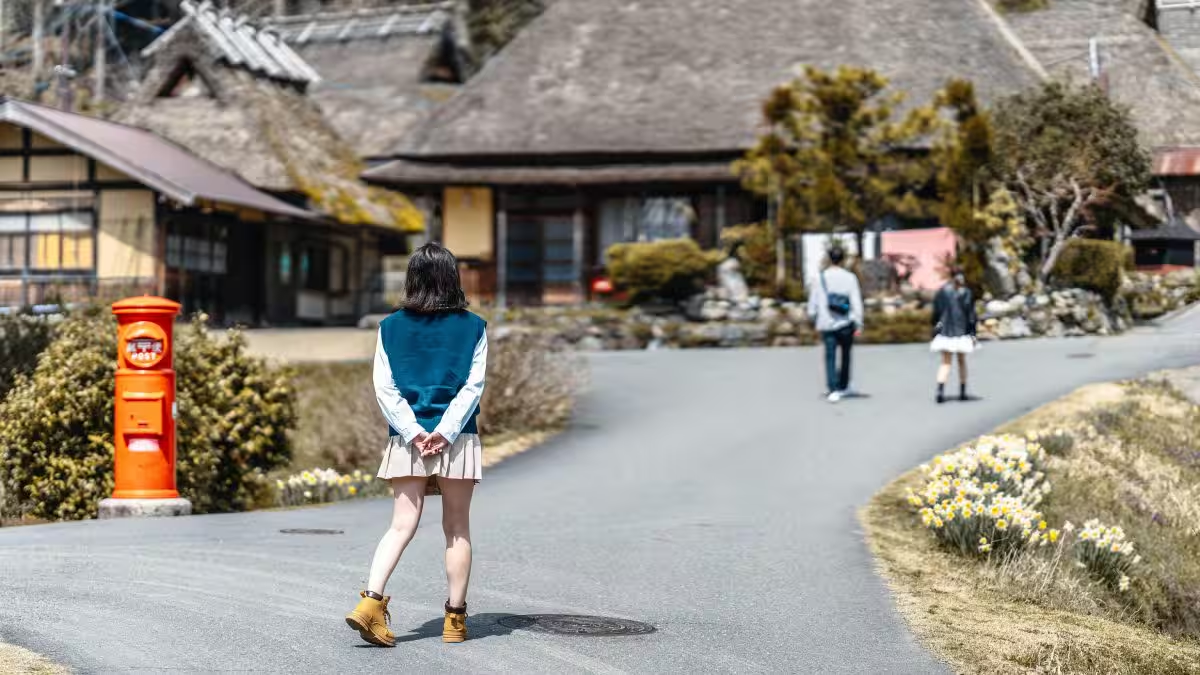
From better posture to improved metabolism, the Japanese walking method is gaining global attention as a low-impact, high-benefit fitness routine rooted in mindfulness and longevity.
In a world of high-intensity workouts and expensive gym routines, a quieter trend is taking over: Japanese walking.
At first glance, it looks like… well, walking. But look closer, and it becomes clear this is a far more intentional practice. It blends posture, breath, rhythm, and mindfulness into something that feels closer to a full-body workout than a casual stroll.
It starts with posture, not pace
Unlike regular walking, this method focuses on alignment first. The spine is kept long, the core engaged, and the pelvis slightly tucked. The goal is simple: reduce strain on joints while activating more muscles with every step.
It turns walking into a form of functional training: subtle, but effective over time. Rooted in traditional movement patterns, the technique, often linked to the Namba style, minimises excessive torso twisting and encourages a mid-foot strike.
STORY CONTINUES BELOW THIS AD
The result is a smoother, more energy-efficient stride. Walkers report being able to move faster and longer without the fatigue typically associated with brisk walking or jogging.
A workout that also calms the mind
The practice draws from Shinrin-yoku, emphasising a strong mind-body connection. Breathing is synchronised with movement, creating a rhythm that feels almost meditative.
This has a measurable effect: slower breathing patterns are linked to reduced cortisol levels, helping lower stress while you move.
Low impact, high reward
One of the biggest draws of Japanese walking is its metabolic efficiency. By alternating between brisk and moderate intervals, it can elevate heart rate and improve cardiovascular health, similar to light jogging, but without the same stress on the knees. This makes it especially appealing for those looking for sustainable, long-term fitness habits.
Japan’s reputation for longevity is well documented, and this walking style reflects that philosophy. It prioritises consistency over intensity, focusing on keeping joints mobile and muscles engaged over decades, not just months.
Engaging the whole body
There is also a surprising emphasis on upper-body movement. Arms are bent at roughly 90 degrees and swing with purpose, helping drive momentum and engage the back and shoulder muscles.
It is a small adjustment that significantly increases calorie burn and overall efficiency.
Perhaps the biggest reason for its popularity is accessibility. There is no equipment, no membership, and no learning curve that feels intimidating. All it takes is a pair of supportive shoes and a shift in how you walk.
More than exercise, it’s a lifestyle
Beyond fitness, Japanese walking taps into broader lifestyle shifts. It encourages walking after meals to aid digestion and regulate blood sugar, promotes social walking groups for accountability, and aligns with more eco-conscious ways of moving through cities.
In a time when wellness often feels complicated and expensive, this trend offers something refreshingly simple.
The appeal of Japanese walking lies in what it rejects as much as what it offers. It moves away from burnout, performance pressure, and optimisation culture, and instead focuses on sustainability.
Follow Firstpost on Google for the latest lifestyle updates including stories on travel and tourism, culture, health, and more. Stay informed with in-depth coverage of global developments, right from geopolitics and diplomacy to major world news with the latest perspectives, only on Firstpost.HomeLifestyleThis viral Japanese walking trend promises fitness with zero strainEnd of Article