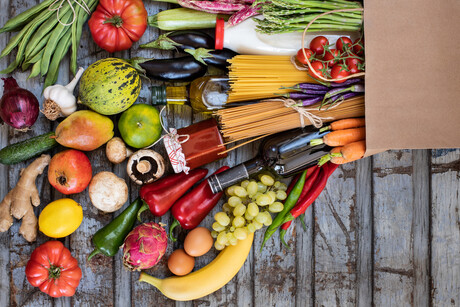
ROANOKE, Va. (WDBJ) – Fiber is primarily found in plant-based foods like fruits, vegetables, whole grains and legumes. It is known to aid digestion, but it also has a host of other benefits.
“Fiber provides prebiotics, and prebiotics feed the good gut bacteria in our stomach to help them grow and flourish,” said Julia Zumpano, a registered dietitian with Cleveland Clinic.
Zumpano said gut health is more important now than ever, and fiber is a key component of that. She calls it the “it” nutrient of the year.
How to increase fiber intake
If you’re going to increase your fiber intake, take it slow to avoid stomach distress. Begin by being mindful about how many plant-based foods you’re eating in a day.
“We usually say try to include 1 to 2 fiber-rich foods with each meal,” Zumpano said.
For breakfast, Zumpano said that could include Greek yogurt with berries topped with nuts and flaxseed, or some eggs with veggies scrambled in. She said a fiber-rich lunch could include a salad or a veggie soup. Dinner can be some sort of protein with a whole-grain and whatever veggie side you enjoy.
There are fiber supplements that can provide some benefit as well, but Zumpano said it’s best to get the nutrient through your diet, if possible. Fiber-rich foods can help keep you full, slow down the rate of glucose absorption in the bloodstream and help to manage weight and cholesterol.
“There’s so many other benefits of fiber, so if you’re consistently aiming to meet your fiber needs through your diet, you’re only going to maximize those benefits,” Zumpano said.
Zumpano said there are long-term benefits of dietary fiber as well. She said it also lowers risk of certain cancers, especially colorectal cancer, by keeping bowels regular and clean.
Copyright 2026 WDBJ. All rights reserved.