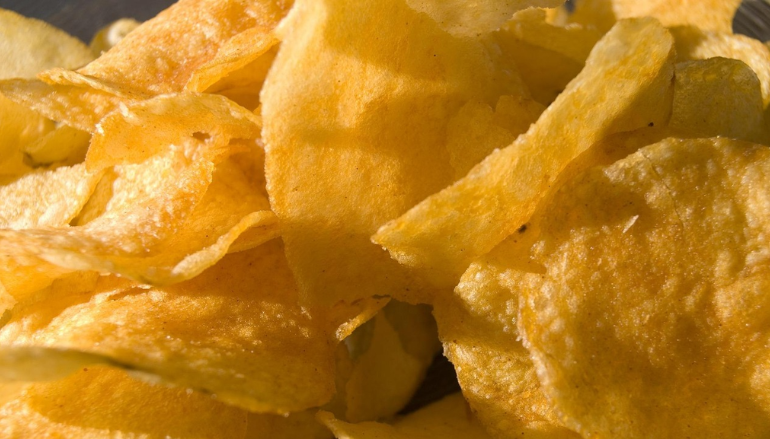
My plane landed at 1 a.m. on a recent morning — and in full disclosure, I wrote this soon after on another flight while eating a bag of Sun Chips, a salad, and brownie (or two) after speaking most of the day. I’m pretty committed to fueling with a protein, veggie, and fruit at every meal, but am also guilty of stress eating — especially if chocolate or ice cream is available and sleep is short.
Science shows I’m not alone. The stress response is among the most influential biological triggers of emotional eating behavior, according to a recent study. Stress results in elevated cortisol secretion, which in turn increases appetite, especially for energy-dense, high-sugar, and high-fat foods.
The American Psychological Association Stress survey reports that 38 percent of adults say they have overeaten or eaten unhealthy foods in the past month because of stress, with 49 percent reporting these eating behaviors weekly or more. Thirty percent of adults reported skipping a meal due to stress, with 41 percent reported doing so weekly or more.
 Image by r.classen, Shutterstock
Just like with cattle, stress changes our eating patterns — and nutrition impacts how we handle stress. It can be a vicious cycle. The difference is that we have tools to monitor the stress of our cattle more than we do ourselves — and likely work harder to be sure cows have the right nutrition. But how about your own ration? If you’re like many in agriculture, your own nutrition falls far down the list — and the cows consume more balanced than you.
The signs of stress are there if we look for them. I start forgetting more, sleeping less, feeling shakier, or just worn out. The signal for Logan Williams in Canada is when she stops taking care of herself. “It starts with not washing my face, then it sometimes leads to me to stop doing anything to care for myself. Sometimes it’s because I don’t have the capacity to do anything more than care for my kids and do my job.”
Logan says that her skipping face washing can progress quickly to becomes skipping meals or eating terribly.
“To bring myself back, I force myself to do two things — wash my face, even if it’s just a few swipes with a wipe, and eat a good breakfast — protein, healthy fat, smart carb. My brain can make Greek yogurt, frozen berries, and hemp hearts or nuts from muscle memory; I don’t need to make any decisions to do it, I’ve eaten that enough to know it’ll work. Usually those two things get me on a better path,” she says. “I’m unsure why it works — if my body recognizes me investing in myself or if those two things just make me feel better. Either way, it usually works or does well enough to make me recognize I need to check in with a counselor.”
Nutrition can actually change your brain, your ability to handle stress, and your long-term resilience.
“Mood changes happen in the gray matter. It’s not just the what we eat, it’s the how,” says Leslie Bonci, a Registered Dietitian Nutritionist (RDN) — one of the best in the business. She’s a nationally recognized sports nutritionist who has worked with a variety professional athletes, including a lengthy tenure with the Kansas City Chiefs. She also has spent enough time around farmers and agriculture to understand the environment in which we work.
Bonci highlights how hunger, poor fuel (like refined carbs/sugars), and lack of key nutrients (protein, selenium, complex carbs, vitamins) disrupt mental balance, leading to mood swings, irritability, and fatigue — while a balanced diet with whole foods supports stable energy and better emotional well-being. She’ll offer up specific ideas for your own ration in my next column, including four practical tips.
 Image by Danny E Hooks, Shutterstock
Farmer Justin Jamison describes his nutrition journey. “I was overweight, had high blood pressure, high cholesterol, brain fog, the works. My wife is a P.A. and had just completed a Masters in Nutrition and was starting a new nutrition-focused wellness clinic. I have a fair amount of livestock experience and always thought it funny that we obsess about the nutrition of our cows’ ration and don’t think a second about our own.”
Jamison asked his wife if he could be her first patient.
“After some blood work to better understand my overall health and nutrition, she introduced me to an advanced nutrition tracking app Chronometer, and she adjusted the targets for daily energy, protein, carbs, fat, and micronutrients needed to meet my goals,” he says. “After nine months of managing my daily ‘ration’ as well as incorporating moderate daily exercise I dramatically improved my health: I lost 40 pounds, have no high blood pressure, no high cholesterol, no brain fog.”
At 51, Jamison feels healthier than when he was in his 20s.
Amino Acids aren’t just essential for cattle — they help humans better handle stress. “Dietary protein plays a key role in mental health by supplying essential amino acids (e.g., tryptophan, phenylalanine, and tyrosine) that are critical for neurotransmitter synthesis, including serotonin and dopamine. These neurotransmitters regulate mood, cognition, and emotional stability, and imbalances have been linked to various mental disorders,” according to the paper Restoring a Health Relationship with Food by Decoupling Stress and Eating in the National Library of Medicine.
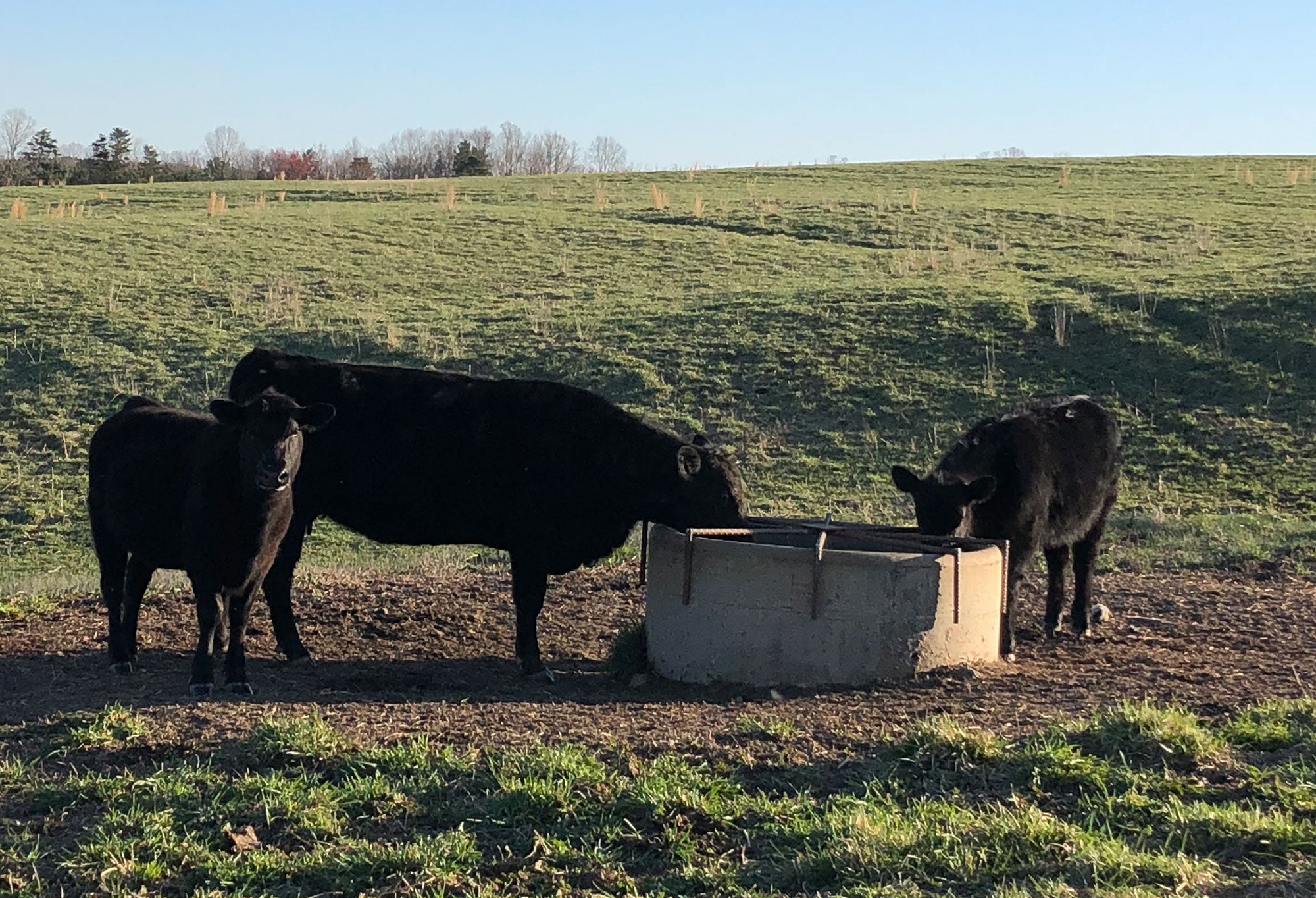 Image by Callie Burnett
Exercise physiologist Sarah Zastrow changed her life when she discovered one of the precursors to dopamine is incomplete protein.
“Our body can synthesize it from nearly any food that we eat,” she says. “We crave sugar because it gives us a spike and blood sugar, and we can use the ingredients for lack of a better word, to create dopamine. One of the precursors to serotonin is complete protein, for example, meat animal products, or soy. This doesn’t give us the blood sugar spike or the rush of dopamine — but it gives us serotonin, which is what we need to feel better about ourselves, our lives and regulates our stress, mental health etc. Skip the sugar, opt for protein. I ‘knew’ that from a muscle perspective, but I didn’t know it from a mental health perspective.”
Sarah isn’t alone; most of us look at food for fuel, comfort, celebration, and family tradition. Many don’t put a lot of thought into and would prefer to not worry about what we’re eating. Yet the latest research makes it clear that our food intake directly impacts our mental health, resilience, decision-making and stress levels.
What if you considered your own nutrition as frequently as we monitor nutrition in our herd? You don’t need to strive for the perfect diet, but make the small changes to help your brain.
Michele Payn speaks and writes to help the people of agriculture have tough conversations about managing stress, connecting with consumers, and making sense of science. Learn more about her stress management journal at causematters.com or follow @mpaynspeaker on social media.
Sponsored Content on AGDaily