




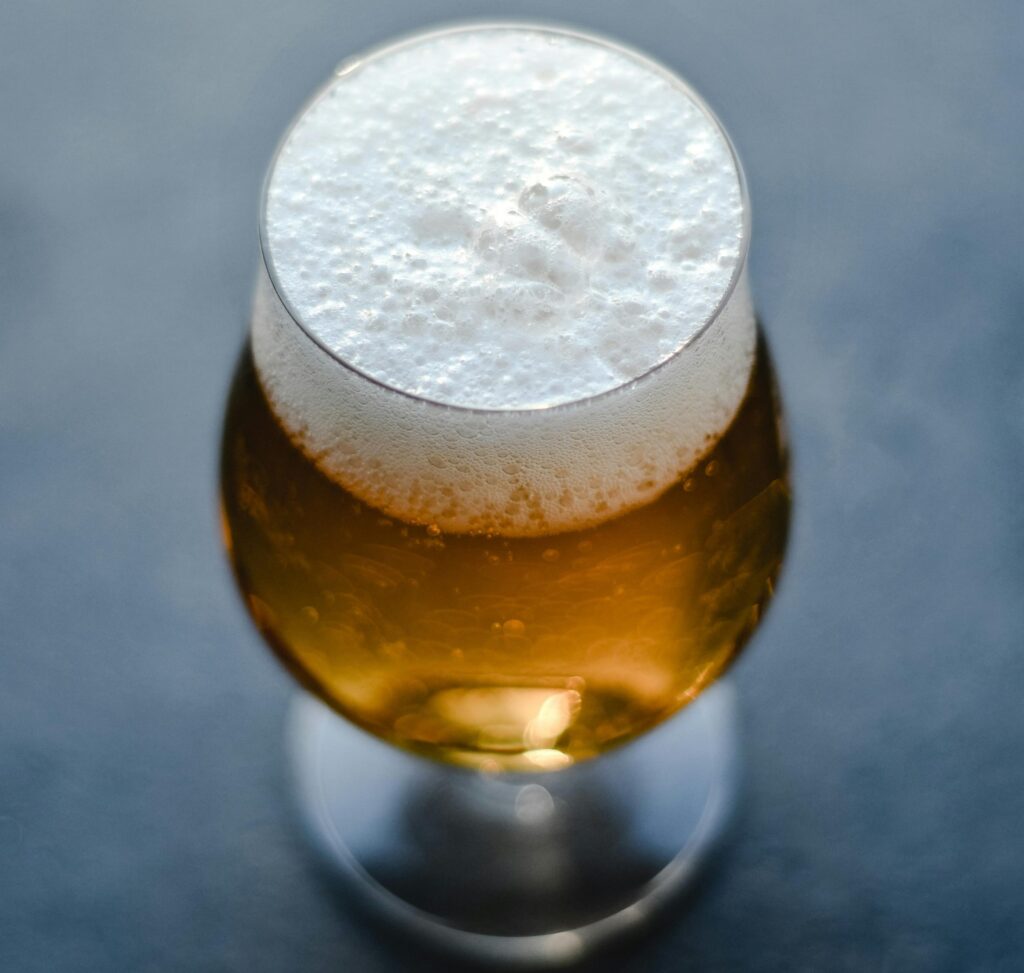
A scientific study, which tested 65 different beers bought from local supermarkets in Germany, found which beer styles were rich in vitamin B content. db reports.
Vitamin B6, which is good for the brain, blood and immune system and can be found in a wide variety of foods. Historically, good sources of B6 outlined have been considered to be meat, fish, oats, potatoes and chickpeas, but B6 can also be found in the beer we drink.
Scientists in Germany recently published findings showing that those ingredients typically found in beer – barley, wheat and brewer’s yeast – continue to be good sources of high vitamin B6.
Bock it to me
One style of beer in particular, most notably bock, showed the highest levels of the vitamin. Bock is a traditional style of lager and can often range from being copper to some being extremely dark in colour, and traditionally offer up toasty flavours and caramel notes. Looking at the other beers tested, following bock, other lager styles such as pilsners and helles could also offer up good levels, then next in line dark lagers, then wheat beers and, finally, beers made with rice as part of the grain mix were also showing amounts.
The researchers highlighted how they had wanted to understand what potentially healthy properties beer had and also find out if those properties translate to non-alcoholic formats – a view offered by the suggestion that non-alcoholic beer should be considered a functional drink.
Initially, researchers weren’t convinced that many of the nutrients found in beer might become reduced and affected by the process of removing the alcohol to create non-alcoholic products. Despite their initial reservations, the tests showed that there was no significant difference in the vitamin B6 content of non-alcoholic beer and alcoholic beer.
NAs showing promise
In fact, the scientists found that non-alcoholic beers that had their alcohol removed after full fermentation actually had higher B6 levels than non-alcoholic beers that contained yeasts that produce less alcohol, showing that the method of de-alcoholisation was a highly important factor for brewers to consider.
Looking at the research, an average lager was showing the scientists that it provided 20% of recommended dietary allowance for vitamin B6. While one of the non-alcoholic lagers they tested provided nearly 59%.
This is good news for anyone who’s low in vitamin B6, a deficiency that has broadly been considered to increase a person’s risk of cardiovascular disease, depression, diabetes and generalised inflammation as well as some cancers.
Men need about 1.4mg a day and women 1.2mg of vitamin B6, according to the NHS. The research highlighted that a litre of beer can contain anywhere between 0.3mg and 1mg of vitamin B6.
Study author Prof Michael Rychlik said that the findings were useful “only for consumers who want to optimise their vitamin intake”.
To find out more about lager styles and what to expect or look for when selecting them, read more from db on 20 different styles of lager and how to identify them.
Related news
Beer Hour: Mark Wingfield Digby
Heineken reports revenue growth as premium beers drive performance