




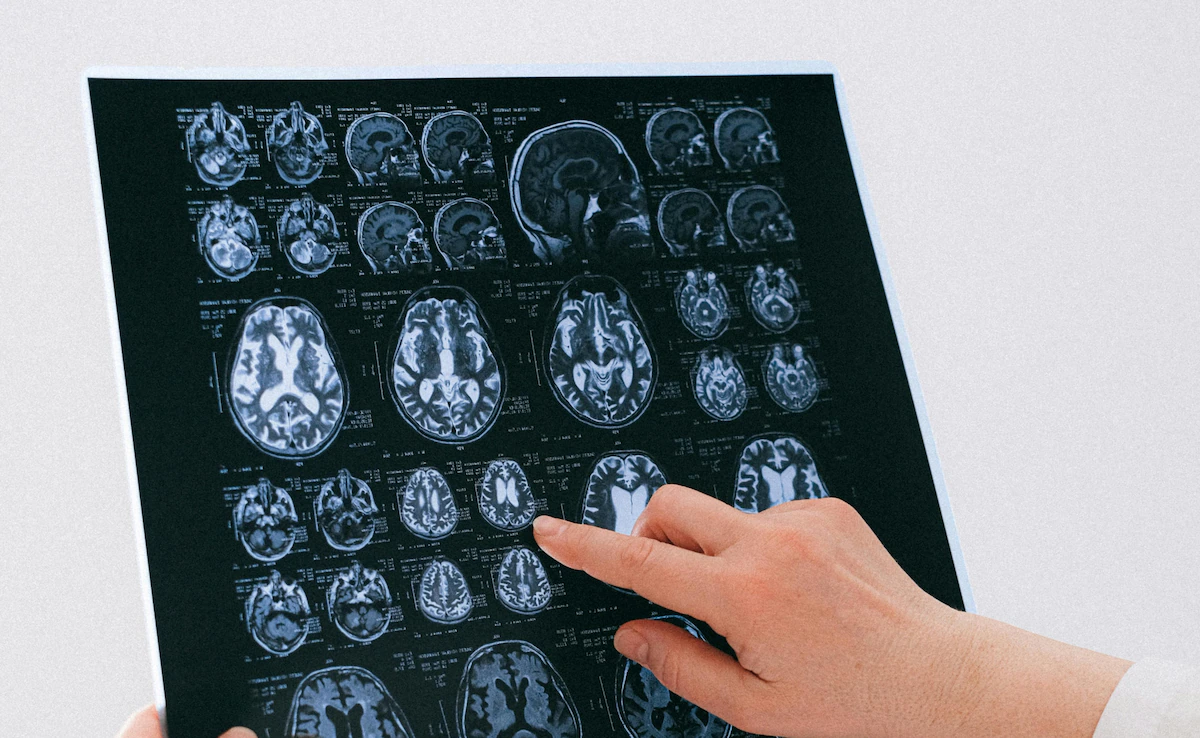
Deficiency of vitamin D can lead to a variety of health issues. The most well-known consequences include an increased risk of bone disorders such as rickets in children and osteomalacia and osteoporosis in adults. However, vitamin D deficiency is also linked to several chronic diseases and conditions, including cardiovascular disease, certain cancers, and autoimmune diseases. Recent studies have suggested a potential connection between vitamin D deficiency and an increased risk of Alzheimer’s disease and other forms of dementia.
A study published in the journal Neurology investigated the relationship between vitamin D levels in the blood and the risk of developing dementia and Alzheimer’s disease in older adults. The researchers found that individuals with very low vitamin D levels were much more likely to develop dementia or Alzheimer’s disease compared to those with normal levels.
The findings revealed that participants who were moderately deficient in vitamin D had a 53% increased risk of developing dementia. Additionally, those who were severely deficient had a 125% increased risk (more than double the risk) compared to those with adequate levels.
The results were similar for Alzheimer’s disease specifically. Moderate deficiency was linked to a 69% increased risk, while severe deficiency was linked to a 122% increased risk. While this study shows a strong link, it doesn’t prove that vitamin D deficiency causes dementia directly. However, it highlights vitamin D as a potential target for prevention.
Vitamin D receptors are found in many brain regions, and it is thought that adequate levels of vitamin D may play a protective role by supporting brain health, reducing inflammation, and protecting against the buildup of amyloid plaques, which are associated with Alzheimer’s disease.
Since vitamin D is easy to get through sunlight, certain foods, or supplements, the study also suggests that maintaining healthy levels might be a simple way to help protect brain health as you age.
Tips to maintain healthy vitamin D levels:
1. Sun exposure: The body produces vitamin D when the skin is exposed to sunlight. Aim for about 15-30 minutes of sun exposure several times a week, depending on your skin type, location, and the season.
2. Diet: Incorporate foods rich in vitamin D into your diet. These include fatty fish like salmon, mackerel, and sardines, fortified dairy products, egg yolks, and mushrooms exposed to UV light.
3. Supplements: If you have limited sun exposure or dietary intake, consider vitamin D supplements. However, it is essential to consult a doctor before adding supplements to your routine.
4. Regular check-ups: Get your vitamin D levels checked, especially if you have a higher risk of deficiency due to factors such as age, skin pigmentation, or chronic health conditions.
By understanding the importance of vitamin D and how to maintain adequate levels, you can significantly contribute to your overall health and potentially reduce the risk of certain health conditions, including Alzheimer’s disease.
Disclaimer: This content including advice provides generic information only. It is in no way a substitute for a qualified medical opinion. Always consult a specialist or your own doctor for more information. NDTV does not claim responsibility for this information.