





Medically reviewed by Kayla Girgen, RD
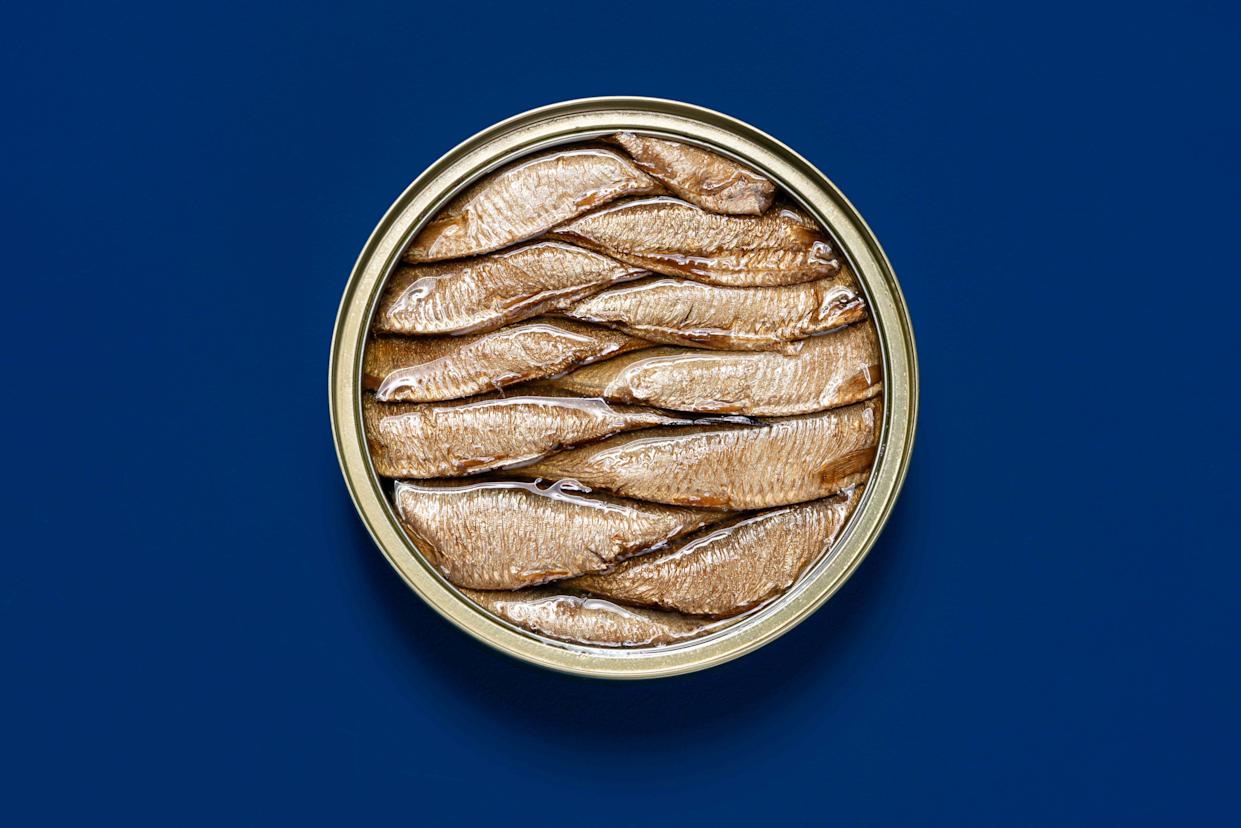
A can of sardines can offer 22% of the Daily Value of vitamin D.
Credit: MirageC / Getty Images
Vitamin D is an important nutrient for bone health and immunity. You can get some of it through your diet.
Fish is known for being a solid source of dietary vitamin D.
Rainbow trout, salmon, and sardines are some of the common types of fish that provide a significant Daily Value of vitamin D.
Vitamin D is a fat-soluble vitamin your body can make itself when exposed to the sun. However, 22% of adults in the United States are moderately deficient in the vitamin, suggesting the importance of dietary intake as well. Fatty fish are one of the most reliable and concentrated dietary sources of vitamin D. Here are some commonly consumed fish that can provide high amounts of vitamin D per serving.
1. Rainbow Trout
Credit: Zoryana Ivchenko / Getty Images
Vitamin D content: 645 International Units (IU), 81% of the Daily Value (DV)
Serving size: 3 ounces (oz), cooked using dry heat
In addition to vitamin D, rainbow trout is rich in omega-3 fatty acids, vitamin B12, and selenium, which can improve heart health, cognitive function, and immunity.
2. Salmon
Credit: Vladimir Mironov / Getty Images
Vitamin D content: 570 IUs, 72% of the DV
Serving size: 3 oz, cooked, sockeye variety
Salmon’s vitamin D content can vary widely based on the type of salmon and how it’s prepared. Canned pink salmon, which is a more accessible and affordable variety, contains about 493 IU of vitamin D per 3-ounce serving.
Canned salmon is often packed with bones intact, which are soft and edible and can provide an additional source of dietary calcium. Salmon also contains an antioxidant pigment called astaxanthin, which can help protect against cardiovascular, neurodegenerative, and immune-related conditions.
3. Swordfish
Credit: Cris Cantón / Getty Images
Vitamin D content: 566 IU, 71% of the DV
Serving size: 3 oz, cooked using dry heat
As predators, swordfish accumulate nutrients from the prey they consume over their lifetimes, resulting in high nutrient concentrations. In addition to vitamin D, swordfish is a good source of vitamin B12, which supports DNA synthesis and fatty acid metabolism.
However, swordfish contains higher levels of mercury than most other fish. Mercury is a metal that can cause several health problems, including damage to the nervous system, kidneys, and skin. For this reason, it’s recommended that people who are pregnant or breastfeeding, as well as young children, avoid swordfish.
4. Mackerel
Credit: Vladimir Mironov / Getty Images
Vitamin D content: 547 IU, 69% of the DV
Serving size: 3 oz, raw, Atlantic variety
Mackerel has high levels of fat-soluble vitamins. Mackerel is also rich in omega-3 fatty acids and vitamin B12, which help in cognitive and neurological function.
There are several types of mackerel. Atlantic mackerel contains lower levels of mercury compared to larger mackerel species, such as the king mackerel. This makes the Atlantic mackerel a better option for a wider group of people.
5. Sardines
Credit: Karl Tapales / Getty Images
Vitamin D content: 178 IU, 22% of the DV
Serving size: One 3.75-oz can
Eaten whole, including the bones, sardines provide not just vitamin D but also calcium, omega-3 fatty acids, vitamin B12, and protein.
Sardines are considered a lower-mercury seafood. They are classified as a “best choice” under joint guidance from the U.S. Food and Drug Administration and the Environmental Protection Agency, making them suitable for consumption two to three times per week, including by children and pregnant people.
6. Herring
Credit: AndreySt / Getty Images
Vitamin D content: 158 IU, 20% of the DV
Serving size: 1 cup, pickled, Atlantic variety
Atlantic herring is a small fatty fish. It has a higher amount of vitamin D when pickled. When served raw, 3 ounces of boneless raw herring have 142 IU.
Being a small schooling fish, herring accumulates substantially less mercury than larger predatory species. This makes it a suitable option for regular consumption, even for pregnant people.
Vitamin D Benefits
Vitamin D plays several essential roles in your body. It plays a part in doing the following:
Promotes calcium absorption in the gastrointestinal tract
Improves the immune system
Reduces cardiovascular risk factors, including elevated blood pressure and adverse lipid profiles
Research has also suggested associations between vitamin D and reduced risks of dementia, certain cancers, and adverse pregnancy outcomes, but more studies are needed to confirm these findings.
Read the original article on Health