




After three years of writing about sleep, I’ve finally been swept up by the magnesium craze and its promise of promoting deep sleep. But does it have the edge over sleep-enhancing glycine?
Magnesium surged in popularity thanks to the viral sleepy girl mocktail, and I use magnesium patches and gummies every night in an attempt to boost my deep sleep. However, after examining the ingredients label, I found my gummies also use glycine to “support relaxation”.
You may like
Key takeaways: Glycine vs magnesium at a glanceMagnesium and glycine are supplements that have been shown to improve sleep quality and sleep onset latency.There is stronger evidence that magnesium can increase time spent in deep sleep, but results vary depending on your body’s pre-existing magnesium levels.While there is a lack of objective evidence to suggest glycine can specifically increase deep sleep, it may be more helpful than magnesium for falling asleep faster and reducing morning grogginess.To improve your sleep quality, take magnesium and glycine an hour before bedtime. Magnesium can be taken with food to reduce digestion issues, while glycine is more efficient when taken in powder form and mixed with water.How does glycine improve sleep?
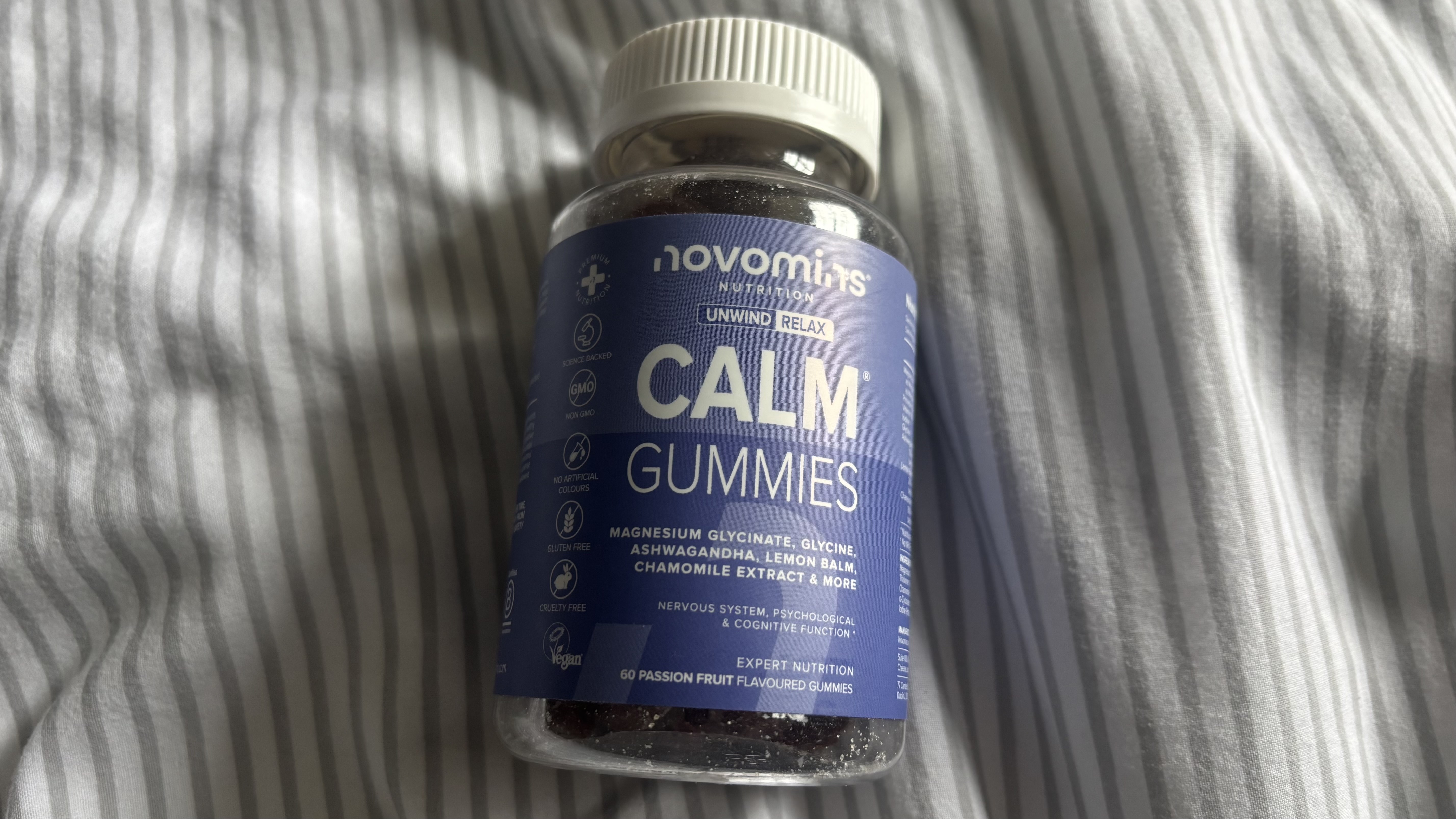
My gummies contain both 350mg of glycine (Image credit: Future)
The gummies I take in the evening are designed to promote relaxation and “promote a balanced sense of well-being”. Their key ingredient? Glycine. But what is glycine and can it actually help you sleep?
“Glycine is an amino acid, a building block of protein that also acts on the brain,” explains Dr. Sarah Jamison, a board-certified doctor and Health Expert on the Vitamin Shoppe’s Wellness Council.
Dr. Raj Dasgupta, a board-certified doctor, also points out that glycine’s effects on the body have been shown to improve subjective sleep quality and “next-day alertness”.
“It is used for sleep because it may promote a drop in core body temperature and support a calmer state in the central nervous system, both of which are favorable for sleep onset,” he explains.
How does magnesium improve sleep?

Magnesium is the key ingredient in my sleep patches. (Image credit: Future)
Magnesium is a popular sleep aid, and I’ve been using magnesium supplements every night in the form of gummies and sleep patches.
According to both Dr Jamison and Dr Dasgupta, the use of magnesium to promote sleep is well founded and science backed.
“Magnesium is an essential mineral that helps regulate the chemicals our brain naturally produces to help us sleep,” explains Dr Jamison.
What to read next
“It’s used because studies link higher magnesium levels with better sleep quality, longer duration, and faster sleep onset,” she adds.
Dr. Dasgupta also highlights the role of magnesium in stress regulation, with a 2020 review finding that magnesium stabilizes our nervous systems.
“People use it for sleep because it has a calming effect on the nervous system and may help reduce physical tension and nighttime awakenings,” he tells me.
Magnesium vs glycine: Which is better for deep sleep?
Before we explore the pros and cons of glycine versus magnesium, it’s important to note that more research needs to be conducted on the effects both have on deep sleep.
“Neither supplement reliably and strongly increases slow-wave sleep in a clinically dramatic way,” warns Dr. Dasgupta.
However, glycine and magnesium do show promise in promoting deep sleep. Here’s a breakdown of their respective pros and cons…
Glycine: Pros and cons
While he acknowledges that evidence is “very limited”, Dr Raj Dasgupta argues that glycine has a “small edge” based on current data.
“Glycine has slightly more direct support for improving sleep quality and sleep onset, with some studies suggesting modest improvements in perceived sleep depth,” he says.
Meanwhile, Dr Jamison says that, while glycine hasn’t objectively been shown to increase deep sleep specifically, it does helps with falling asleep and overall sleep quality.
“If your issue is falling asleep or feeling groggy the next day, glycine might be more helpful,” she advises.
Magnesium: Pros and cons
Magnesium is a clear winner for Dr Jamison, who says that magnesium has “the edge” if the goal is achieving deeper sleep.
“If we’re talking specifically about deep sleep, magnesium actually has better evidence showing it can increase deep sleep time and improve sleep quality.”
On the other hand, Dr Dasgupta says that, while magnesium have been proven to improve sleep indirectly in those who have a magnesium deficiency, research has shown that it won’t supercharge the sleep of those who already have enough magnesium.
“In patients who are deficient, correcting magnesium levels can noticeably improve sleep quality, but effects in people with normal levels are usually more subtle.”
How to take magnesium for sleep
While I take magnesium in the form of gummies and patches, those are far from magnesium’s only forms.
Magnesium is available in plenty of formulations: tablets, capsules, powders, topical solutions, sprays, and even hot chocolate.
However, Dr Dasgupta pints out that choosing the type of magnesium is more important than the dosage form.
Magensium supplements come in three main types: magnesium glycinate, citrate, oxide, and threonate.
“For sleep, magnesium glycinate is usually preferred because it is better absorbed and tends to be gentler on the stomach, while citrate can also help but is more likely to cause a laxative effect,” he warns.

Magnesium comes in many forms, such as this mushroom hot chocolate. (Image credit: Future)
As for the timing of taking magnesium, Dr Dasgupta recommends taking it in the evening with a snack (as “people tolerate it best” when it’s with food) or at bedtime.
Dr Jamison agrees with the latter time. “If being used for sleep, the recommended timing is typically one hour before bed,” she suggests.
With dosing, Dr. Jamison strongly recommends speaking to a healthcare professional before taking magnesium.
“It’s best to speak to your doctor to know exactly what dosing is correct for you, especially because dosing for magnesium can vary,” she tells me.
How to take glycine for sleep
While glycine also comes in many modes, including powders, capsules, and the gummies that I’m using, Dr Dasgupta says you should choose a form based on the efficiency of its dosage.
“Glycine is most commonly available as a powder or capsule, but powder is usually preferred because effective sleep doses are relatively high,” he says.
“Capsules are more convenient but often require several pills to reach an effective dose,” he adds.

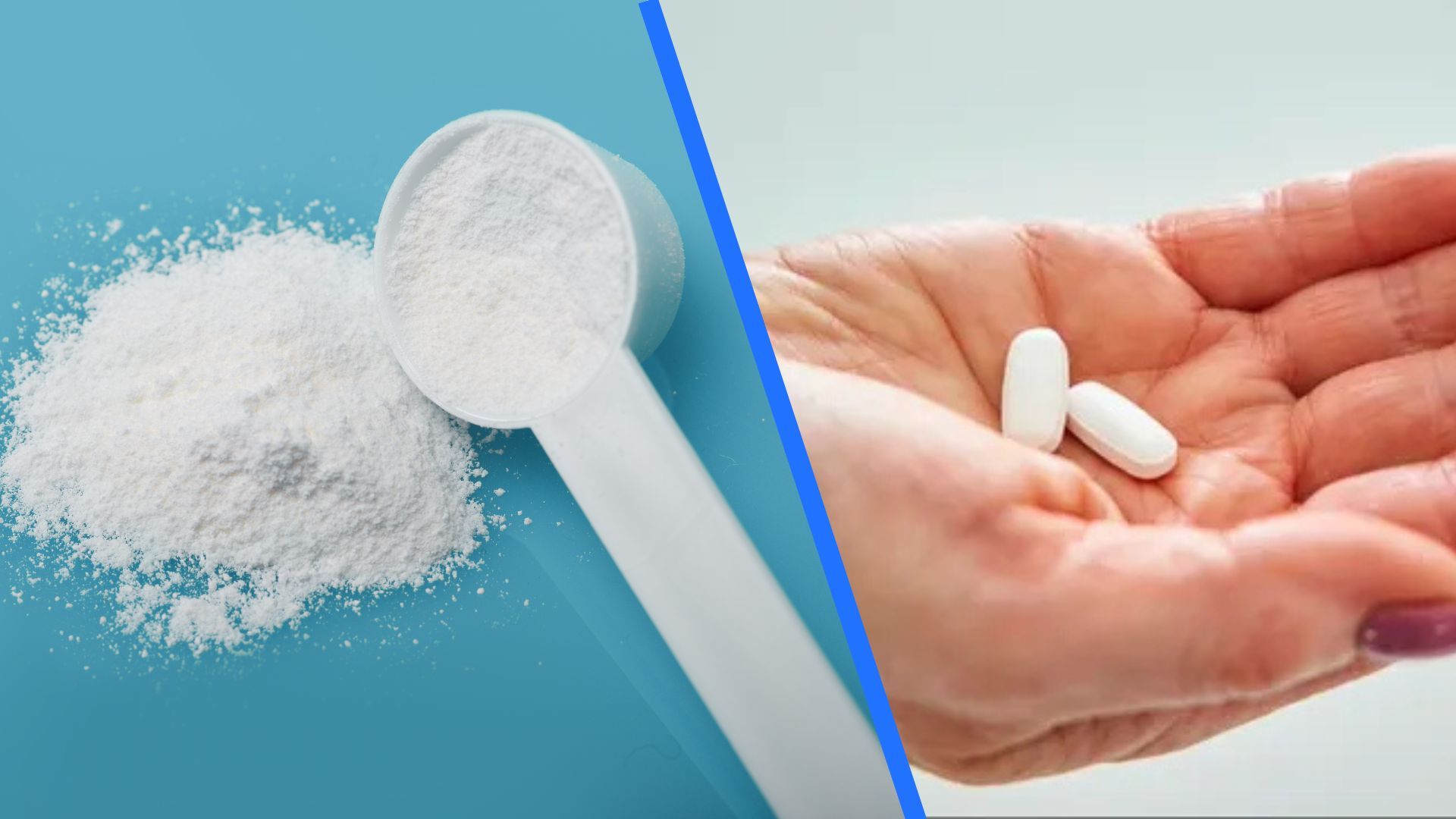
Both glycine and magnesium should be taken around 60 minutes before bedtime. (Image credit: Getty Images)
However, Dr. Jamison also points out that the right dosage and form can vary from individual to individual, even if the recommended dose for a healthy adult is around 3g of glycine
“Since everyone has their own unique medical history and needs, it’s best to speak to your healthcare provider regarding the mode and dose that is best for you,” she advises.
Meanwhile, both doctors agree that it’s best to take glycine at a maximum of an hour before bedtime for best results.
“It is usually taken about 30 to 60 minutes before bed and mixed with water,” recommends Dr Dasgupta.
So, whichever one I choose as my nightstand staple, both magnesium and glycine seem to be great additions to my nighttime routine either way.