




In a world that is becoming increasingly centered around our screens, finding ways to switch off and disconnect is more valuable than ever. In today’s world, outdoor spaces have become integral to our mental health, offering us, quite literally, a chance to get out and touch grass. It makes sense, then, that so many of us have begun viewing our gardens as a kind of retreat. And what better way to create this retreat-like feeling than with an outdoor sauna?
I don’t know when it happened, but at some point over the past year, I became a sauna obsessive. Much like many other young city-dwellers, I’ve embraced this wellness trend with open arms. It’s the ultimate wind-down activity, a time to do nothing but sit and sweat it out. And I’m not the only one who thinks so; in fact, data shows a 60% surge in home sauna sales between 2024 and 2025. And, our favorite way to bring this trend home is undoubtedly with a chic, outdoor sauna.
“A garden sauna creates a dedicated space that is separate from the house, which is part of its appeal. It allows you to fully disconnect, even if you are only stepping a few meters from your back door,” explains Maarja Solida, from Iglucraft. Here’s everything you need to know about outdoor saunas and why we love them.
Article continues below
You may like
Why Are Outdoor Saunas Trending?

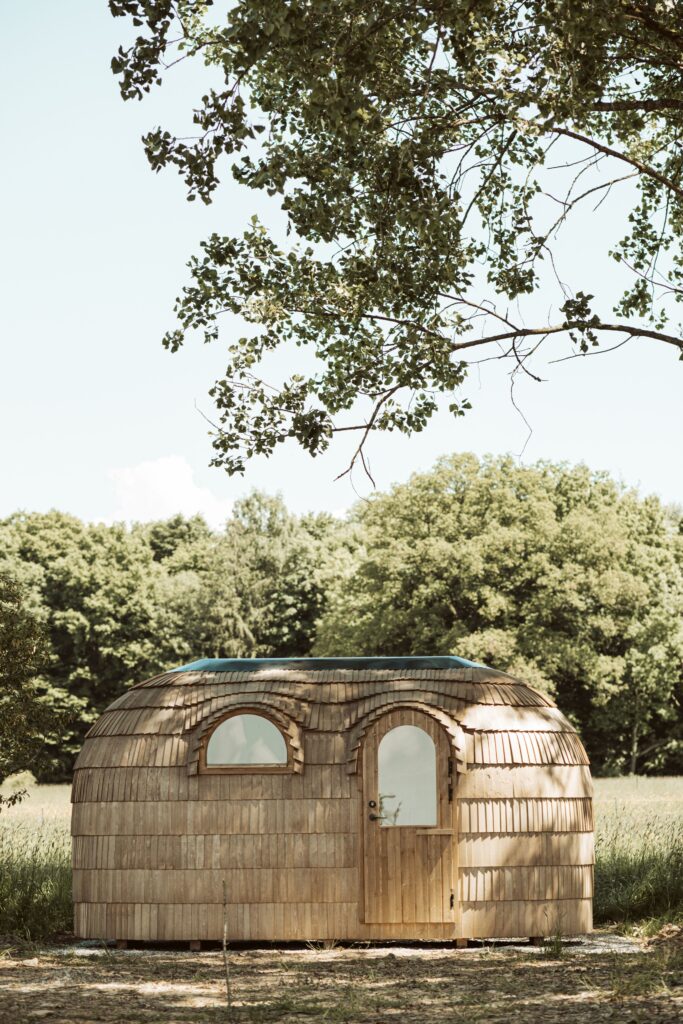
“What sets the Iglucraft Sauna apart is its distinctive curved form. It is not just a design detail; it changes the entire experience. Steam rises and moves fluidly within the space, drifting up and then softly circulating back down, rather than collecting in corners. Because there are no hard angles, the heat distributes evenly throughout, creating a more balanced, enveloping warmth that feels comfortable from every seat,” explains Maarja.
(Image credit: Iglu Craft)
Now, while this wellness trend may only have taken off recently in the UK, as ever, we’re late to the party. Like, 10,000 years late. Well before they became a staple in luxury gyms and trendy members’ clubs, countries across the globe were using some form of this sweaty detox. And while several cultures have their own versions, for the classic sauna we’re most familiar with, we have the Finnish to thank. In Finland, a sauna is not a luxury; it’s an essential, and can be found in almost every home in the country. But in the UK, where it can be tricky to find space to store all your clothes in your home, let alone squeeze in a home sauna, the outdoor sauna has become a far more popular option.
Ever since lockdown, people have been increasingly interested in the idea of home wellness and self-care. Spare rooms were transformed into yoga studios, and many a garden shed was rebranded as a ‘wellness room‘. This shift in attitude has made wellness feel more accessible. “A sauna used to feel like something reserved for a luxury spa or hotel, whereas now people want to build those routines into everyday life,” says Keith Whoriskey, from Heracles Wellness. We’re searching for ways to build a home that supports a healthy lifestyle, and are actively designing our spaces around these habits.
This sits alongside a changing attitude towards our outdoor spaces. As Maarja describes it, “Gardens are no longer just functional but designed as extensions of the home.” People are increasingly interested in adopting a more fluid, indoor-outdoor living style, paying as much care and attention to designing their outdoor spaces as they do their interiors. “A sauna fits naturally into that, offering a private, design-led alternative to the traditional spa experience,” says Maarja, “A sauna offers a ritual, something that encourages you to slow down, switch off and step away from screens.”
Unlike so many other outdoor features, this is something that you’ll benefit from all year-round, giving your garden a purpose and function beyond the summer months. “A sauna gives the space a clear function,” says Jake Newport, CEO of Finnmark Sauna, “It creates a reason to step outside in the evening or in winter, which most gardens don’t offer on their own. Over time, that’s what turns it into something people use consistently.”
The degree of separation from your home also allows you to create this feeling of escapism, a spot for you and your family to remove yourself from the stress of everyday life, and reconnect with one another. “Whether it’s your wife, your kids, or just a bit of time on your own, there’s something brilliant about stepping into the sauna for 15 to 20 minutes and shutting out the outside world,” says Keith.
There’s also something quite visually striking about a lone sauna, surrounded by nature. From the inside, too, it allows the mind to wander, soaking up the surrounding nature while inside the warmth. And, upon exit, you’ll be immediately met with the cool, fresh air, a welcome contrast to the heat of the sauna (and far less painful than the popular cold plunge).
And of course, there’s plenty of research to prove the numerous health benefits, both physically and mentally, of regular sauna use. “Physically, it can support circulation, aid muscle recovery, and promote relaxation after exercise. The heat encourages sweating, which helps the body release toxins and can leave skin feeling clearer,” explains Maarja. “Mentally, it offers a moment of stillness, reducing stress and helping to improve sleep. Perhaps most importantly, it creates a routine, a simple, repeatable ritual that encourages you to pause, reset, and take time for yourself.” One of the many outdoor offline rituals we’re on board with.
What to read next
Jake Newport
CEO of Finnmark Sauna
Finnmark Sauna exists due to the co-founder’s (brothers Jake and Max Newport – lovingly nicknamed “The Sauna Twins”) frustration that so few saunas outside of Finland gave credence to the authentic Nordic sauna experience. Every Bespoke Sauna Project is designed and crafted at Finnmark’s Headquarters in Spennymoor, Durham.
Everything You Need to Know Before Investing in an Outdoor Sauna
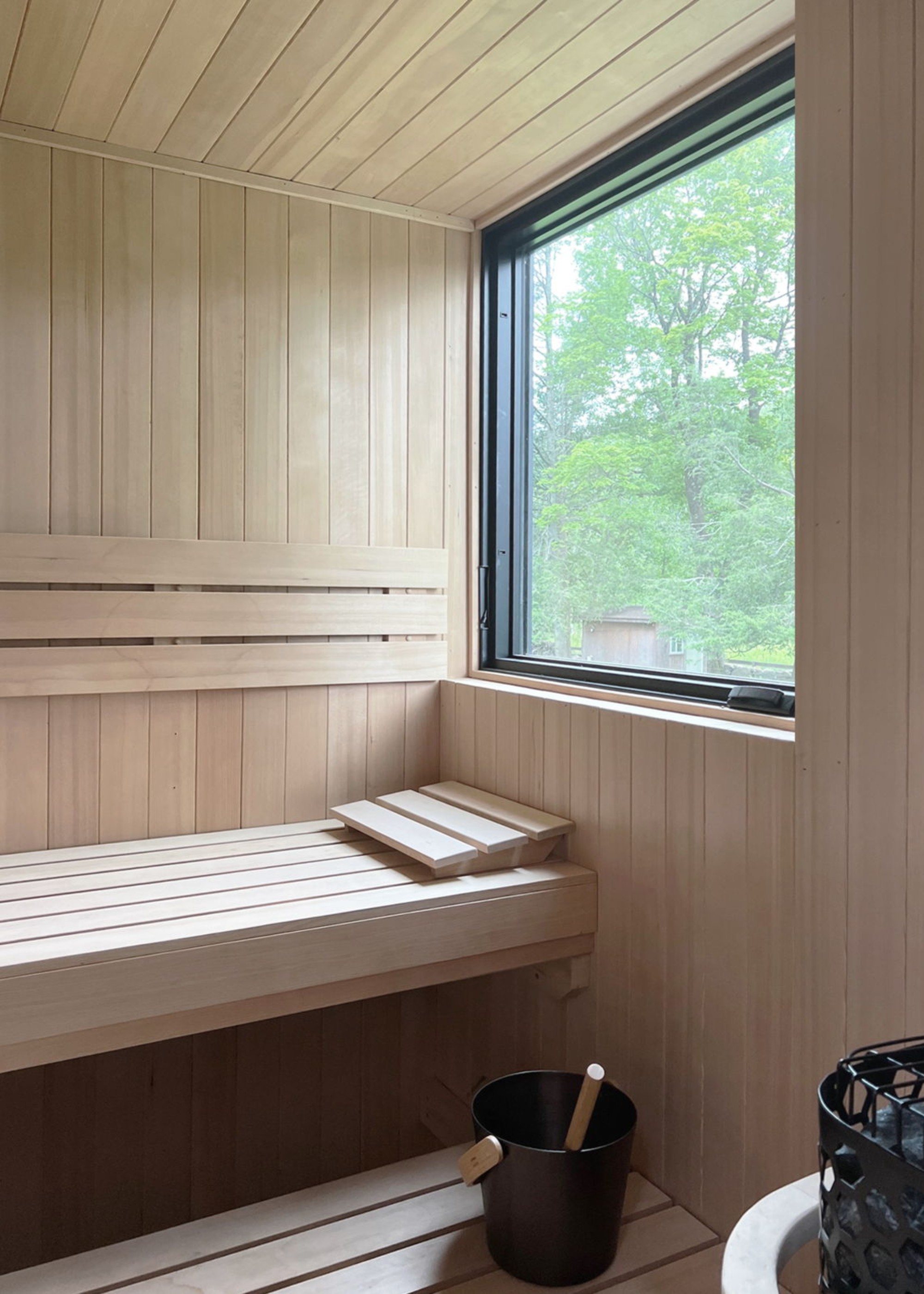
The right positioning can elevate your sauna experience to new heights.
(Image credit: Naho Kubota. Design: Worrell Yeung)
As much as we could all benefit from the addition of an outdoor sauna, not every modern garden is equally suited to housing one. So, before you make your purchase, spend some time considering whether it would actually work in your space. As Keith says, “The practical side matters more than people first realize.”
It’s all too easy to fixate on the benefits of this kind of home feature, without stopping to consider whether your garden is even suitable for one, so make sure you’ve covered all the practical bases. First off, as Maarja notes, “Access to power is essential,” and, she adds, “in some cases groundwork may be required to create a stable, level base.” Equally important is drainage and ventilation, both of which are crucial for a long-lasting, functional sauna.
Outlining the most important considerations, Keith says, “You need to think about access, the base, the available space, and the power supply if you’re going electric. One of the biggest issues we see is people falling in love with the idea of a sauna before properly thinking through how it’s actually going to get into the garden and what groundwork is needed.”
In some areas, you’ll have to deal with the additional complication of planning permission. As Maarja explains, “From a planning perspective, many garden saunas fall within permitted development, but it is always worth checking local regulations, particularly if you are in a conservation area.”
Once you’ve ensured your garden is properly equipped for a sauna, you’ll want to begin thinking about where to position it. This may sound simple, but, as Maarja says, “Positioning is key.” Think about the view you want from your sauna, as well as the privacy, and how it will respond to the space around it. “The best installations usually work so well because the surrounding area has been thought through too, not just the sauna itself,” says Keith.
Positioning won’t just affect the look of your sauna; it will shape how usable it is, too. “If it feels exposed or awkward to reach, it tends not to become part of a regular routine,” says Jake. This is particularly pertinent in climates like the UK, where rainfall is all too common. Consider the route from your back door to your sauna, and plan around what is most accessible and convenient for you.
“It’s also important to think about what sits around the sauna,” adds Jake. “Where do you cool down, where do you sit, and where do things like towels or shoes go. Those details aren’t always obvious at the start, but they have a big impact on how usable the space feels day to day.”
How to Pick the Right Sauna for You
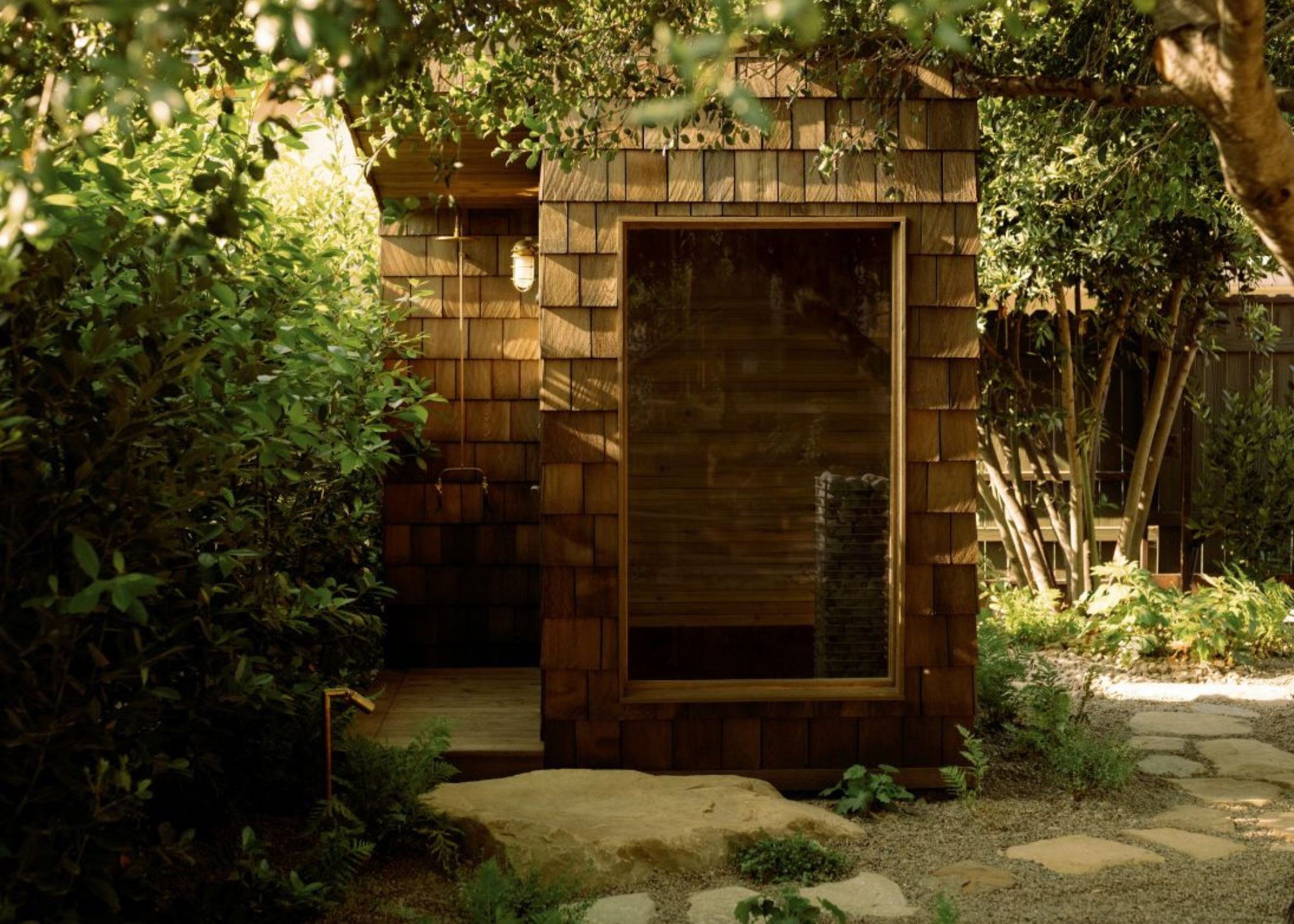
Find a sauna design that feels cohesive with your landscaping, for a more elegant finish.
(Image credit: ORCA)
Choosing the right sauna for you is not as simple as it sounds. As you’ll quickly come to discover, sauna is somewhat of an umbrella term, with numerous different categories and styles sitting within it.
The main distinction between these styles is the method with which they deliver heat. “The most common options are infrared, traditional electric heaters, and wood-fired stoves, and each gives a very different experience,” says Keith.
Each of these methods will provide a distinct experience, with varying degrees of intensity and types of heating. Ultimately, this decision will be a personal one, and should reflect your own preferences.
For that classic, intensely sweaty sauna experience, Maarja says, “Traditional wood-fired or electric saunas offer higher temperatures and a more intense, authentic feel.”
Wood-fired saunas are the most traditional, authentic option, but, Keith adds, “They do require more time, effort, and patience to get up to temperature.” Instead, for those after that intense experience, without the faff, Keith recommends an electric model. “You still get that proper hot sauna experience, but without the wait and maintenance that comes with wood-fired models,” he says.
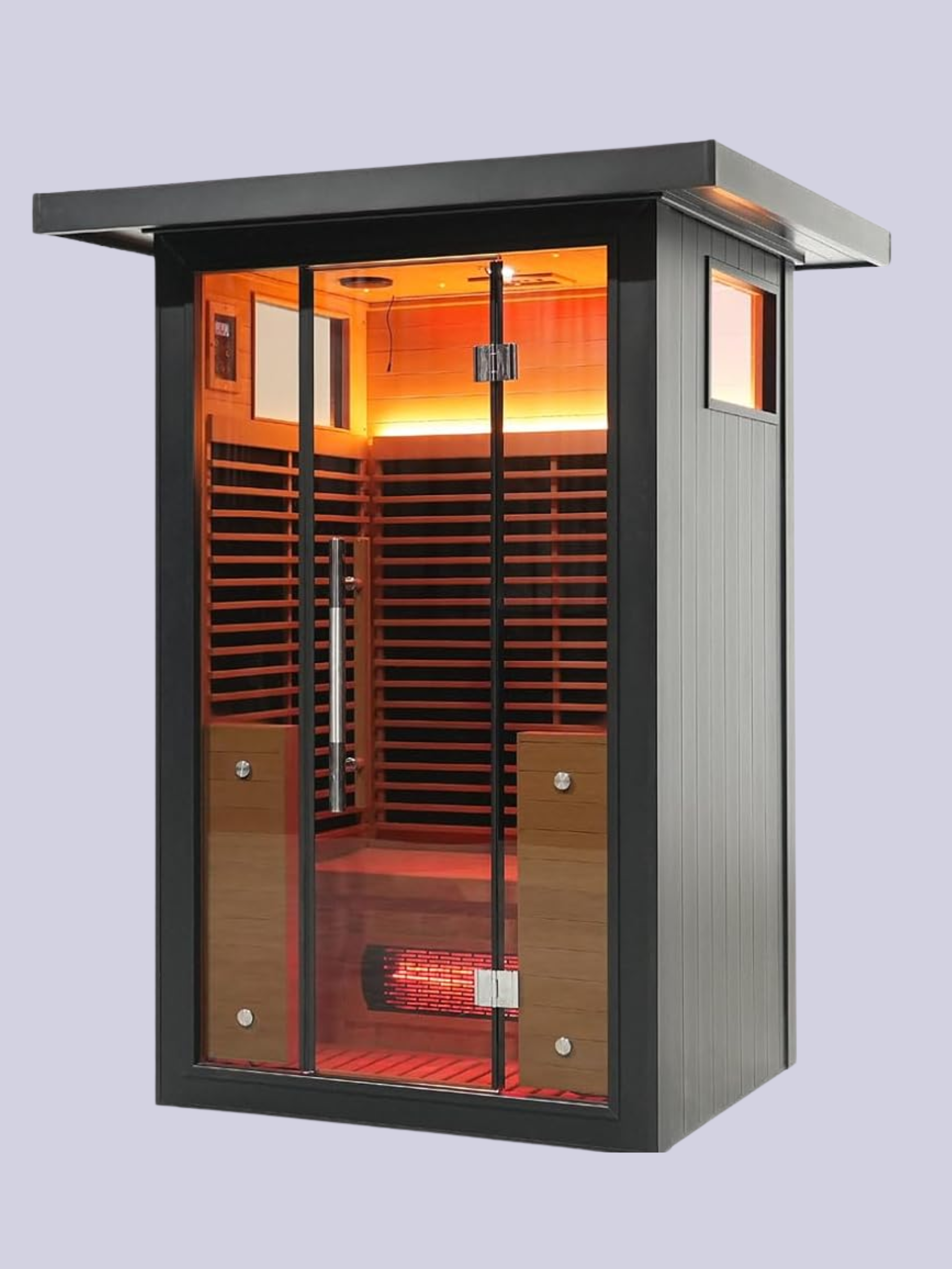
For those in search of something slightly more tame, with a more manageable, comfortable heat, infrared is the way to go. Powered by radiant heat panels and generally running at a far lower temperature, these designs emit a breathable, dry heat that penetrates deeper, making it particularly helpful for muscle recovery and pain management. However, not all are as convinced. According to Chris, infrared is “a different category of experience altogether, and there is nowhere near the same depth of evidence behind many of the health claims often used to market it.”
Trends aside, the sauna you choose should feel reflective of your preferences and lifestyle; as Maarja says, “Ultimately, the best sauna is one that feels like a natural extension of your home and lifestyle, both in how it looks and how it makes you feel.”
amocane
Amocane Outdoor Infrared Sauna With Wifi Control
If you can’t handle the intensity of a traditional sauna, opt for an infrared model instead.
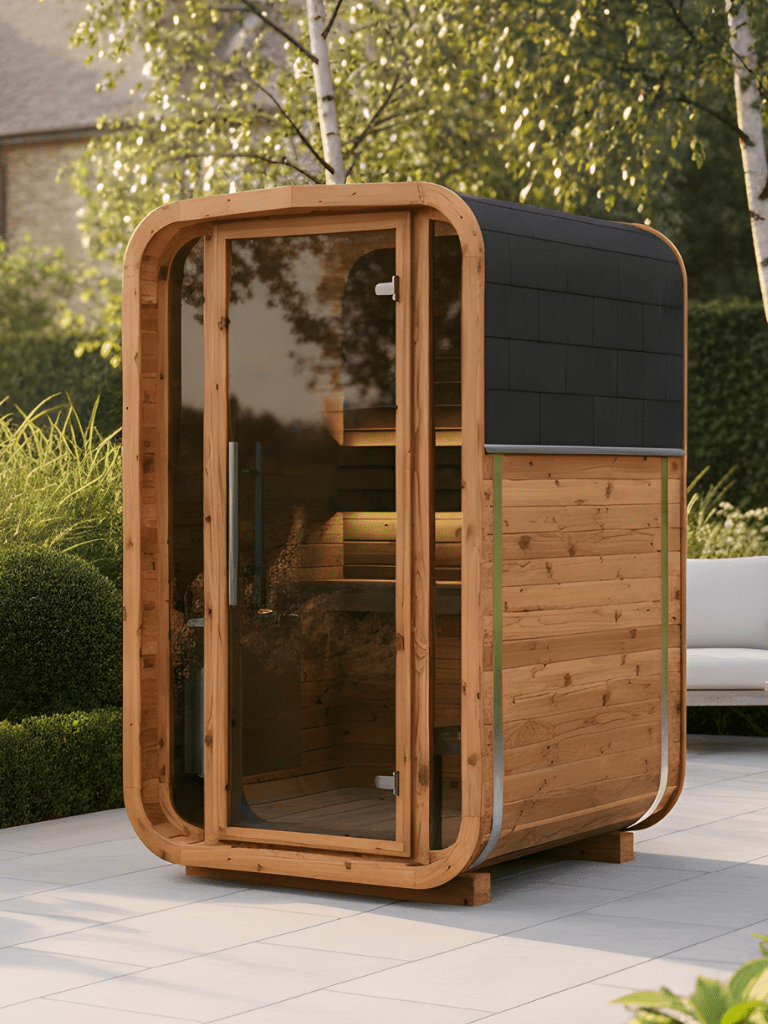
Outdoor Cube Sauna (2 Person) – No Heater
The Cube Sauna by Finnmark is space-efficient, stylish, and built to withstand the British weather.
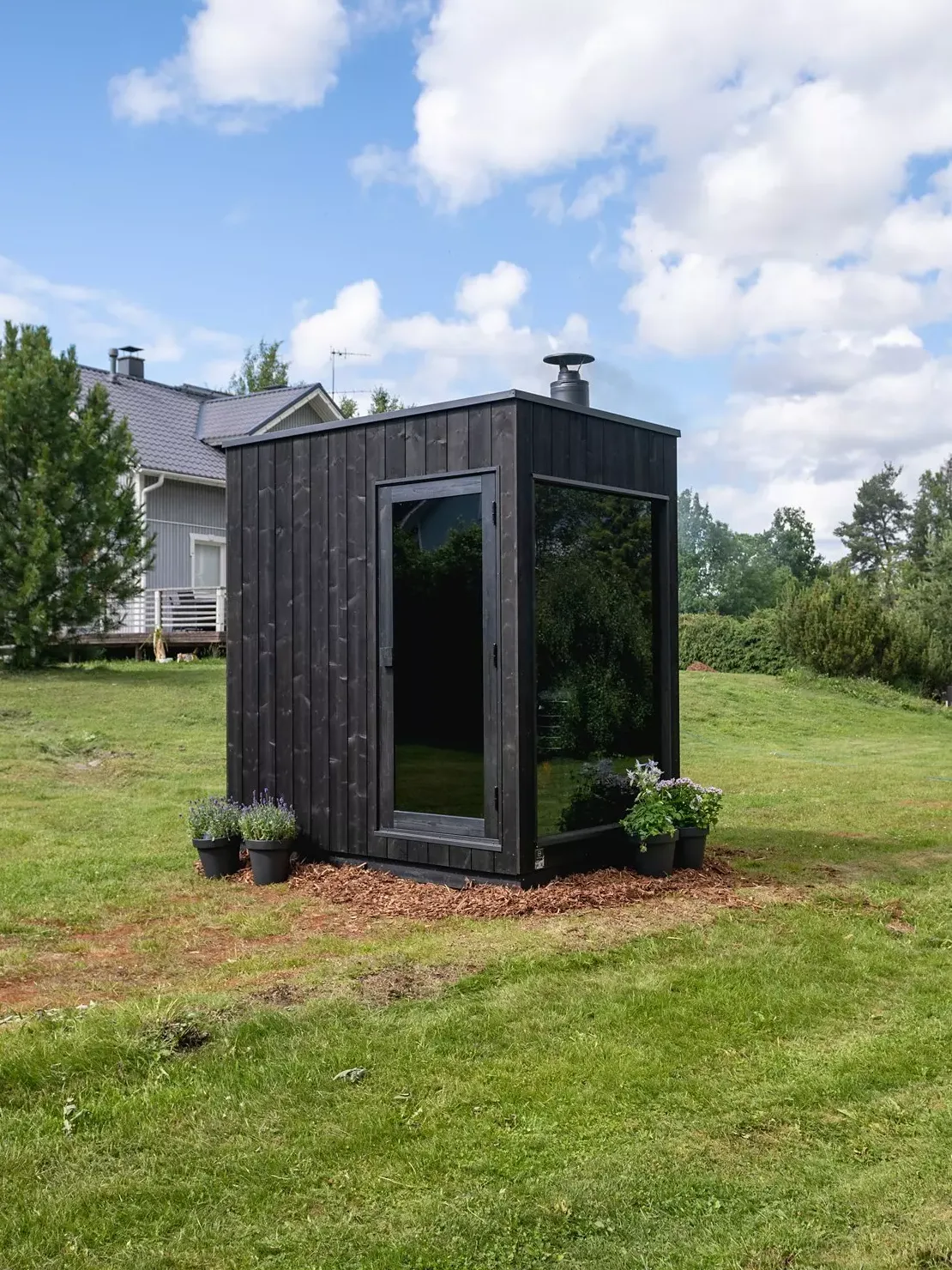
Kirami
Kirami Finvision Wood-Fired Misty Sauna
If you want to squeeze a sauna in your small garden, opt for a petite model like this.
An outdoor sauna is sure to be one of the hottest garden trends of 2026, with benefits that will never go out of style.
For more design ideas and inspiration for your garden and beyond, subscribe to our newsletter, and all the latest will be delivered straight to your inbox.