




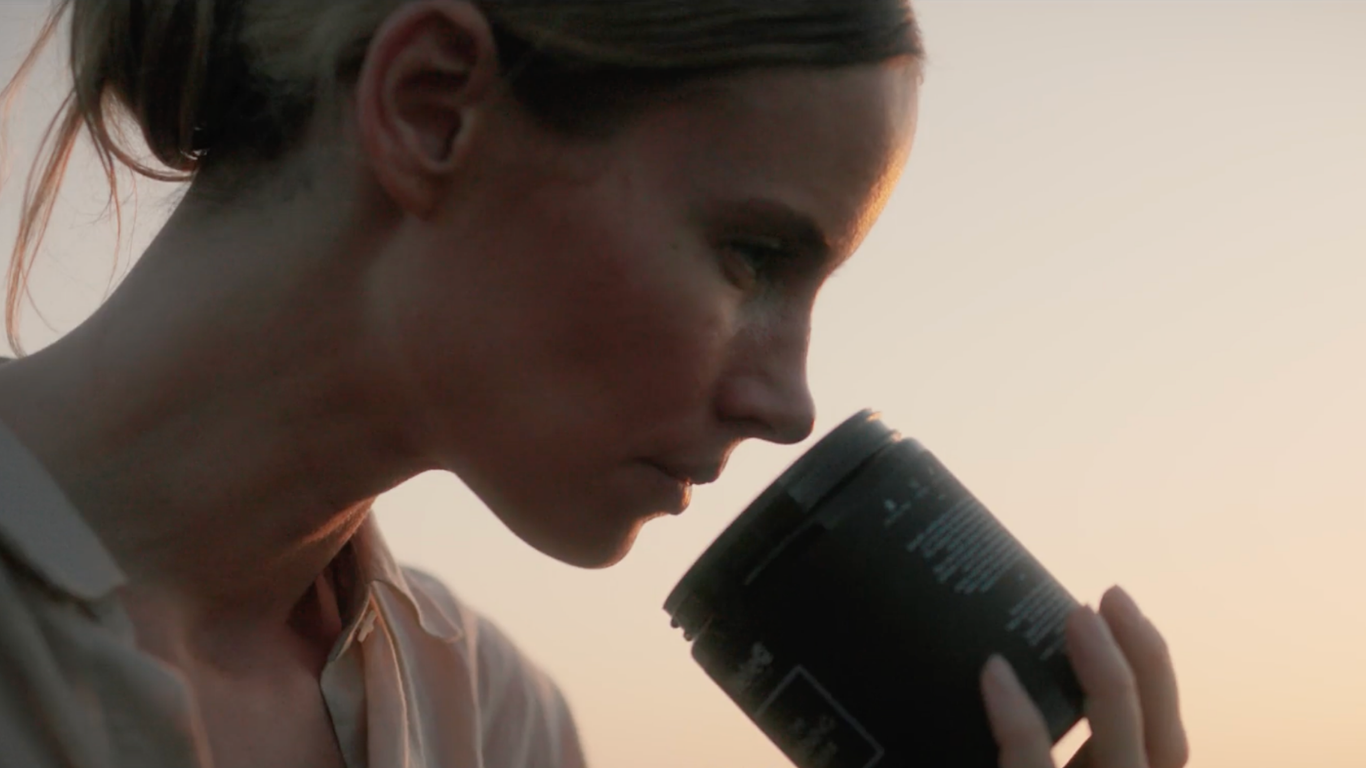
The wellness industry is booming – but with that growth has come a level of scrutiny that has been a long time coming.
I’ve spent years working inside this category, and what I’ve watched shift most dramatically isn’t the products – it’s the people buying them. Consumers no longer just want to know what’s in their supplements. They want to understand where ingredients come from, how they’re tested, and who is ultimately accountable for what ends up in that jar. And they’re right to ask.
Recent studies have shown that a significant proportion of supplements don’t meet their label claims. That’s not just a data point – it’s a trust issue. And trust, in this space, is everything.
For a long time, the supplement industry has relied on polished messaging – confident claims around efficacy, quality, and results. But polished messaging isn’t proof. Modern consumers are more informed and more sceptical. They want to see the reality behind the claims, not just better marketing of the same claims.
That restlessness is what led to Behind Our Standards – our docuseries that invites people into the reality of how we make our products. There was a safer version of this idea: a polished mini-documentary, controlled environments, everything lit perfectly. I kept pushing back on it. If we were going to do this, it had to feel real. The whole point was to show people what they’d never normally be allowed to see. So we chose access over aesthetics, and that felt like the right kind of uncomfortable.
From the Australian Outback to Sweden and the United States, the series follows the full journey – from soil health and cultivation through to processing, standardisation and batch testing. Nothing was off-limits. Because transparency isn’t about a single claim. It’s about the entire system behind it.

One moment I keep coming back to is visiting a passionflower farm in Italy – an ingredient at the heart of our Evening Elixir and Sleep WelleCo tea. I didn’t expect it to move me the way it did. We were taken through the fields by Franco, a farmer whose family had been cultivating this land for generations. He pulled out photographs – worn at the edges, passed around carefully – showing his parents, his grandparents, the same fields across different decades. The same plants. The same hands.
Franco has since passed away. I think about that often. About what it means that his family’s knowledge, their commitment to this particular crop in this particular soil, is part of what ends up in a product that helps women wind down at the end of a long day. Most people who open that jar have no idea that a story like Franco’s exists behind it. That’s exactly why we made this series.

One of the most personally significant parts was stepping into every stage of the process myself. I visited the farms, saw raw ingredients at their source, sat inside the laboratories where formulations are tested before anything reaches a customer. Nothing prepares you for the physical reality of it. I remember standing in fields where it was over 40 degrees – the kind of heat that sits on you – thinking about how far that is from the moment someone opens one of our products at home.
Then there was the lemon balm – the light hitting the fields at sunset, that particular gold. The fields of lavender nearby, that smell drifting across. The farmers’ hands – rough, unhurried, completely certain of what they were doing. There’s a knowledge in those hands that no certification body can fully capture. It just lives there, passed down.
That gap between what’s on the label and what actually goes into making it – that’s what I wanted to close. These are the places where quality is defined, not in marketing copy, but in standards, processes and people.
The timing matters too. Consumers are actively questioning label claims, ingredient efficacy and manufacturing standards – especially in the UK, where I’ve seen a marked shift towards demanding traceability and genuinely evidence-backed products.
In that environment, transparency stops being a nice-to-have and becomes a responsibility. For us, that means working with partners who share the same values – from ingredient suppliers to independent certification bodies like The Good Pill Co – and being open about exactly what those relationships look like. It also means accepting that trust isn’t something you can declare. It’s something you earn, over time, through consistency and accountability.
If the supplement industry is going to earn the trust it’s been claiming, transparency can’t be the exception – it has to become the baseline. Consumers deserve proof, not just promises. Because if we want people to trust what they’re putting into their bodies, we have to be willing to show them exactly how it got there.
By Madeleine Dixon, Brand Manager at WelleCo.