



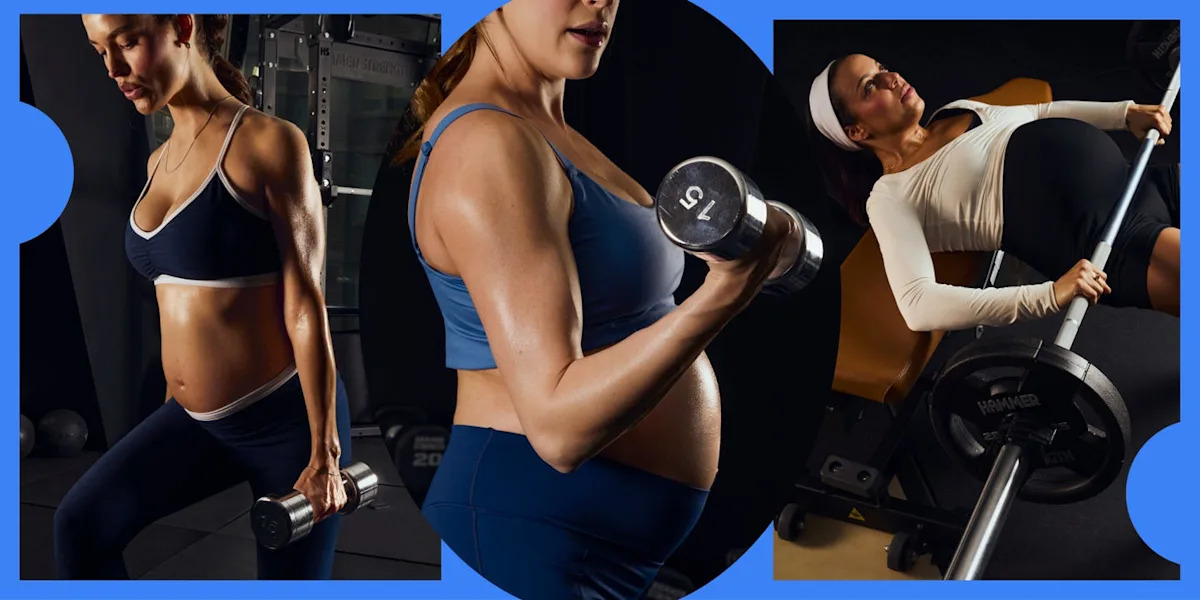
For years, the message around pregnancy and fitness has been the same: Slow down, scale back, don’t lift that. It’s advice that’s been passed down for generations (often with the best intentions), but it’s rooted in outdated science and a deep-seated belief that pregnant bodies are fragile. The reality? They’re not. And finally, the research is catching up.
And yet—even here at Women’s Health, on a team of women reporting on health and fitness, many of whom are moms, currently pregnant or postpartum, or even just thinking about (*waves arms*) all this—we’ve felt the confusion firsthand. We’ve second-guessed workouts we used to do with ease. We’ve texted each other and asked our doctors, Is this safe? Should I be worried? Is it a bad idea to do [insert exercise here]? When the guidance is vague, fearmongery, or overly cautious, even the most informed among us can start to question our bodies and abilities.
This package is our answer to that disconnect. Consider it your modern, no-BS guide to strength training during pregnancy and postpartum—one that centers what your body can do, not what it supposedly can’t.
Inside, you’ll find expert-backed information and service that breaks down the biggest myths, translates the latest research into actually useful guidance, and gives you the tools to keep moving, lifting, and feeling strong through every stage.

Hearst Owned
Let’s be clear: This isn’t about pushing through at all costs or flipping a switch into “beast mode.” No two pregnancies are the same—and the goal is always to meet yourself where you’re at. For some, that might mean lifting heavy and maintaining a routine that feels good. For others, it might mean pulling back, modifying, or prioritizing rest and recovery. And if you have specific medical considerations or contraindications, your doctor’s guidance comes first. Strength doesn’t look one way.
We’re not here to hand you a rigid list of rules or push a one-size-fits-all routine. We’re here to give you options, context, and confidence. That means practical advice on everything from lifting heavy and starting a routine for the first time to navigating pelvic floor health, core recovery, energy levels, and the mental load that comes with all of it. It also means real stories from women who adjusted their workouts in ways that worked for them—not what the Internet told them they “should” be doing.
Ultimately, we don’t need to be handled with fear—especially during a chapter already filled with vulnerability and uncertainty. We need information, support, and a playbook that meets us where we’re at. This is pregnancy strong.

Hearst Owned
Explore NowThe 57 Best Strength Exercises for Pregnancy and Postpartum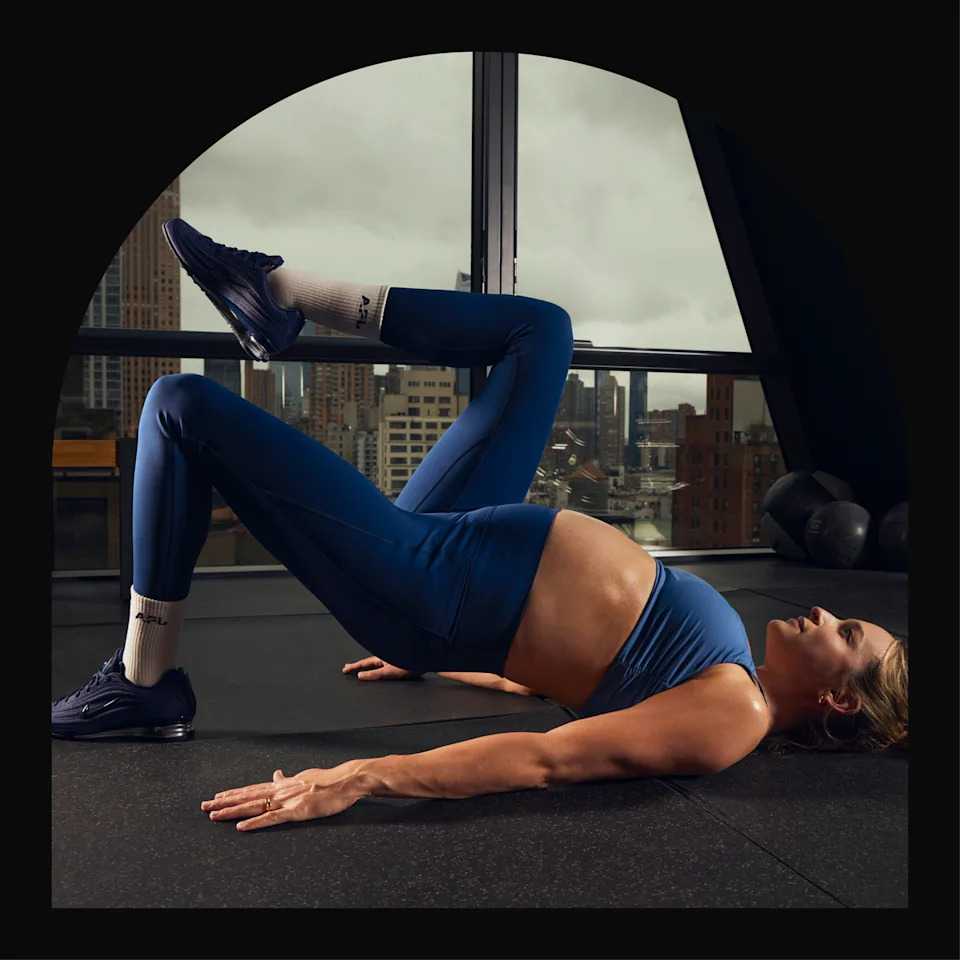
Photo credit: Hearst Owned
The Truth About Lifting Weights While Pregnant Is the Opposite of What You’ve Been Told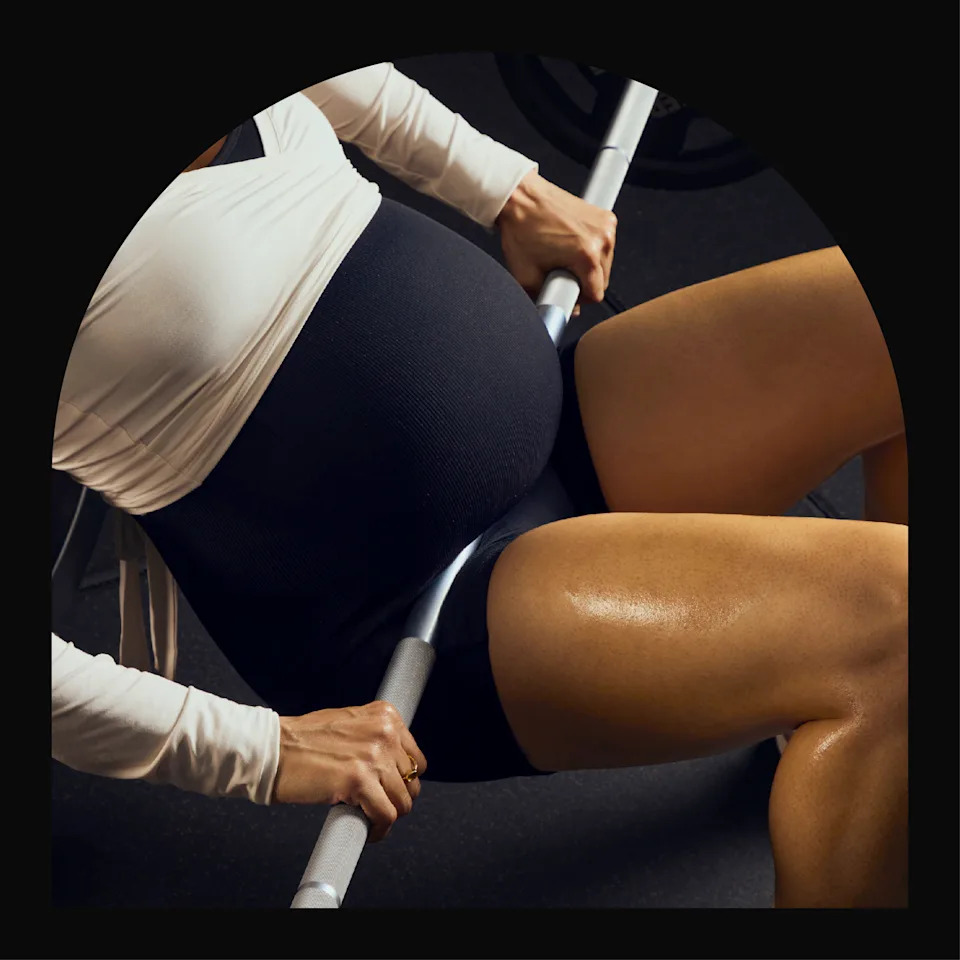
Photo credit: Hearst Owned
Yes, You Can Start Exercising During Pregnancy. Here’s Your Guide.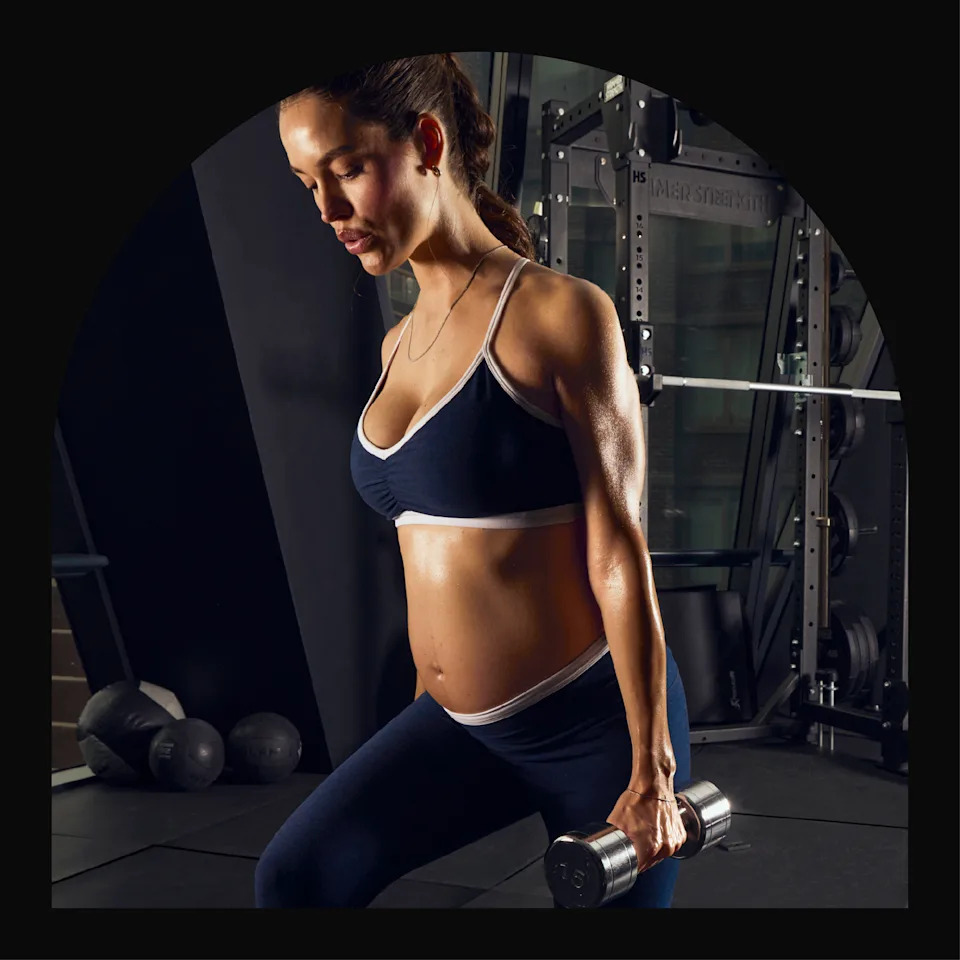
Photo credit: Hearst Owned
These 3 Women Show That No Pregnancy Fitness Routine Is the Same as Any Other—and That’s a Good Thing
Photo credit: Hearst Owned
‘Pelvic Floor Therapy Changed My Life. Here’s Why I Think Every Woman Should Do It.’
Photo credit: Hearst Owned
Hearst Owned
Want a Sneak Peek of Our Pregnancy Exercise Library?Check out a few sample pages from the downloadable PDF.
Hearst Owned
Meet the ExpertsKristie Alicea, CPT
Photo credit: Hearst Owned
Alicea is a certified pre- and postnatal fitness specialist with over a decade of experience, having trained 350+ women through pregnancy and postpartum. Her clients include Karlie Kloss, Ashley Wagner, and Elaine Welteroth, alongside everyday athletes. She is the founder of ABC (Alignment, Breath, Core) Fit Collective, a virtual platform dedicated to movement for maternity and beyond.
In her words: “In a world that focuses on what mamas can’t do, I’m here to remind them of everything they can do and to help them embrace both their softness and their strength along the way.”
Charlie Barker, CPT
Photo credit: Hearst Owned
Barker is a certified pre- and postnatal fitness specialist with 10+ years of experience, helping women train safely, build confidence, and stay consistent through pregnancy and beyond. She is the founder of the online fitness platform Bumps & Burpees.
In her words: “Having watched so many women start to doubt themselves throughout pregnancy and postpartum, resigning to the ‘just a mum’ narrative made me so sad, so I made it my mission to show them just how strong and amazing women, and specifically mothers really are.”
Katelyn Baud, CPT
Photo credit: Hearst Owned
Baud is a certified pre- and postnatal fitness specialist and the founder of MOMBAUD, a workout designed around the real demands of motherhood. A former professional dancer, she focuses on posture, functional strength, and sustainable movement. Based in NYC, she trains women in person and online.
In her words: “Proper prenatal training is key for a successful pregnancy and postpartum rebuild. Not only does exercise help us feel better and have more energy, but it empowers women as they enter this new stage of life.”
Margie Davenport, PhD
Photo credit: Hearst Owned
Davenport is a global authority on maternal health and human performance. As a professor at the University of Alberta, she leads the Program for Pregnancy and Postpartum Health and has authored 200+ publications. She led the 2019 and 2025 Canadian Physical Activity Guidelines for Pregnancy & Postpartum and advises organizations including the WHO and IOC.
In her words: “Our research is clear: Exercise and sport participation during and following pregnancy is not only safe, but beneficial for both mother and baby. Beyond updating guidelines, we’re working to transform the global narrative so that every mother is backed by evidence, not myths, when making choices about her body and her sport.”
Cynthia Gyamfi-Bannerman, MD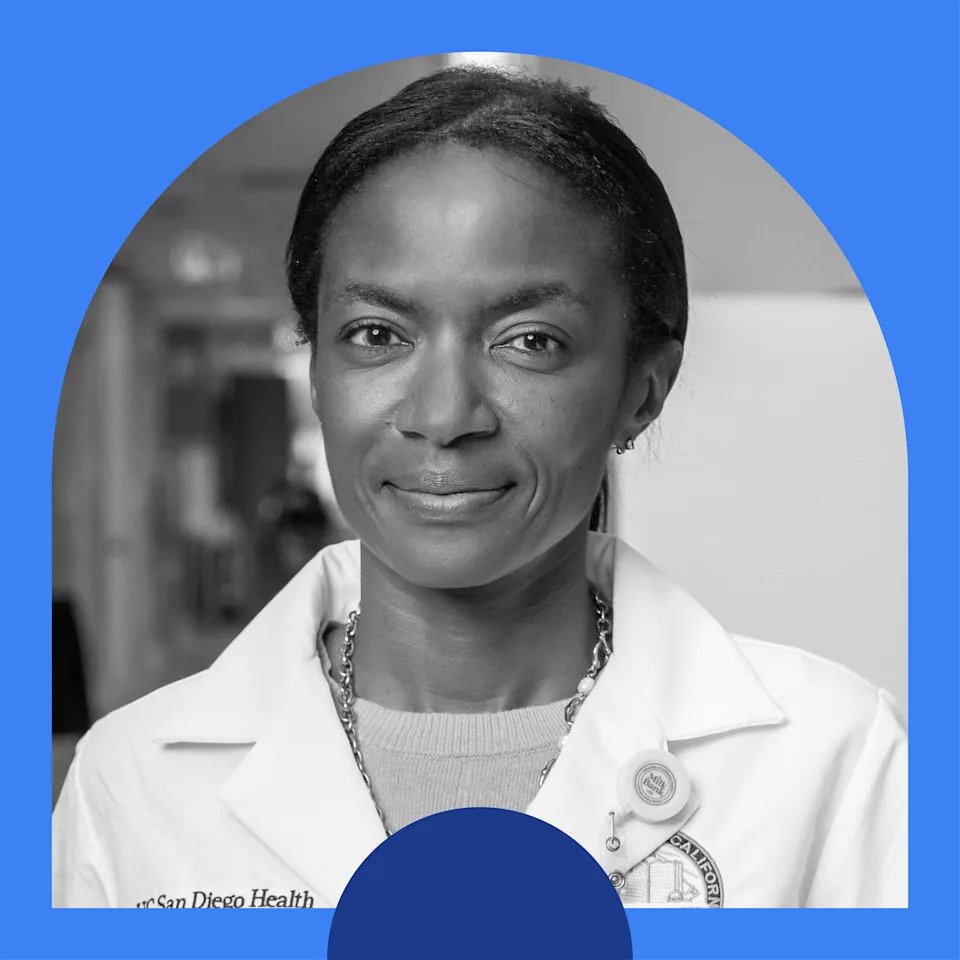
Photo credit: Hearst Owned
Dr. Gyamfi-Bannerman is a tenured professor and chair of Obstetrics, Gynecology, and Reproductive Sciences at UC San Diego, and a past president of the Society for Maternal-Fetal Medicine. A board-certified ob-gyn and maternal-fetal medicine specialist, her research focuses on preterm birth prevention and maternal health, with over 250 publications.
In her words: “I am an avid exerciser and was active during my pregnancies. I also co-authored the guidelines for ACOG on this topic.”
Julianne Lane, PT, DPT, CSCS
Photo credit: Hearst Owned
Lane is a doctor of physical therapy, strength and conditioning specialist, and pelvic floor physical therapist. She has worked with athletes from youth to professional levels and specializes in women’s and pelvic health.
In her words: “Women have historically been underserved and dismissed in health care, often told that what we’re experiencing is ‘normal.’ Women deserve better: proactive guidance, evidence-based care, and the tools to feel strong, supported, and in control of their bodies.”
Kristen Lettenberger, PT, DPT, CSCS
Photo credit: Hearst Owned
Lettenberger is a doctor of physical therapy, strength and conditioning specialist, and pregnancy corrective exercise specialist. She is the director of Bespoke Women, where she focuses on pregnancy and postpartum rehab.
In her words: “For generations we’ve been told to do very little and that everything wrong we feel is ‘normal.’ We now know better but the word is traveling slowly and women deserve to live a better, stronger life, with guidance that is well informed and based in science.”
Amy Potter Lovett, CPT
Photo credit: Hearst Owned
Potter Lovett is a certified pre- and postnatal fitness specialist based in Hermosa Beach, California, and founder of Ladies Who Lift, offering in-person and remote coaching, with firsthand experience training through pregnancy.
In her words: “Even as someone who has been lifting for well over a decade, I found myself having to reacquaint myself with my pregnant body and experiment with exercise variations. So in my professional toolbox I have both my education through my certifications and also my lived experience to help my clients through this unique period.”
Carrie Pagliano, PT, DPT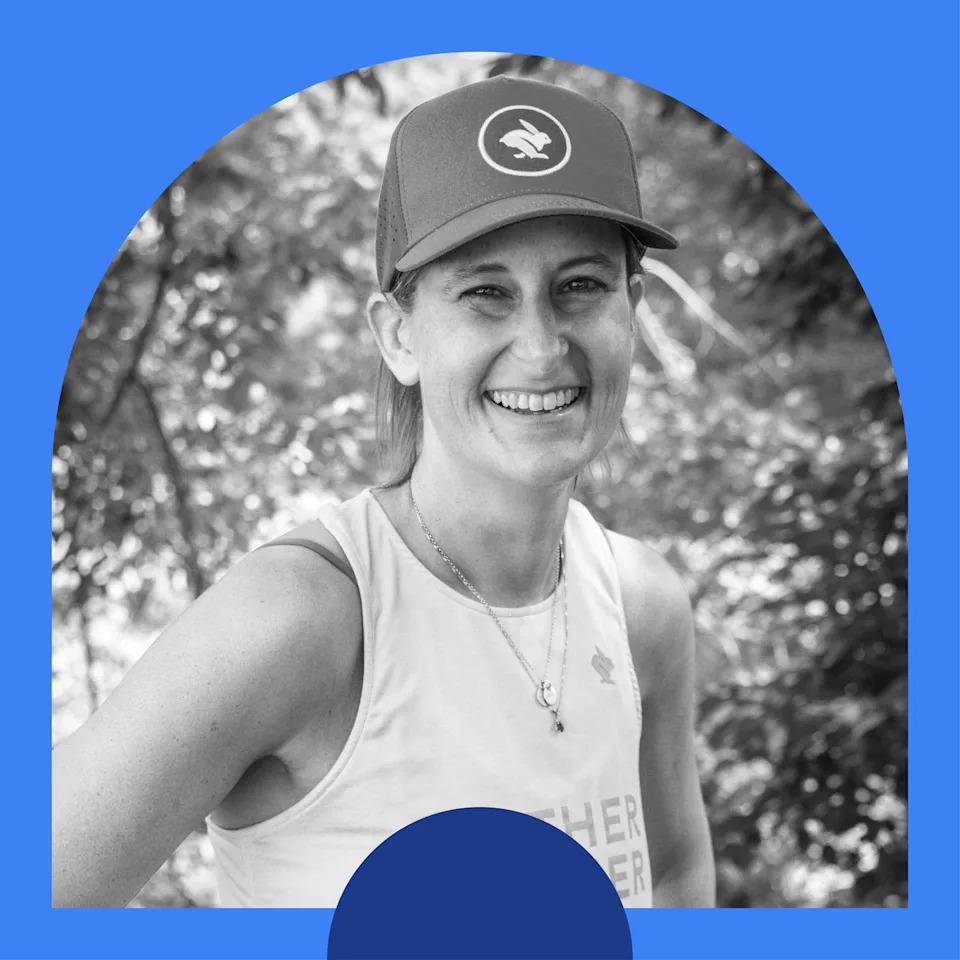
Photo credit: Hearst Owned
Pagliano is a pelvic floor physical therapist, running coach, and longtime advocate for women’s health, with over 25 years of experience. She is double board-certified in orthopedics and women’s health, serves on the NIH Pelvic Floor Disorders Network Advisory Board, and is the founder of Carrie Pagliano Physical Therapy.
In her words: “I’ve lived it—navigating pregnancy and pelvic health in a time when the message was ‘rest and keep it light,’ only to realize later how much that contributed to a harder road back. We know more now, and I don’t want future generations of moms stuck guessing when the right kind of strength and support changes everything.”
Christina Prevett, PhD, PT
Photo credit: Hearst Owned
Prevett is a pelvic floor physical therapist and postdoctoral researcher at the University of Alberta’s Program for Pregnancy and Postpartum Health. Her work focuses on how exercise—especially resistance training—impacts maternal and pelvic floor outcomes. She also teaches clinicians as a division lead at the Institute of Clinical Excellence.
In her words: “When it comes to a stressful life event like pregnancy, no one ever says, ‘I wish I was weaker.’ Pregnancy and postpartum are hard—pregnancy and postpartum deconditioned are harder.”
Shannon Ritchey, PT, DPT
Photo credit: Hearst Owned
Ritchey is a doctor of physical therapy with 15+ years of experience and the founder and CEO of Evlo Fitness, a science-based strength training platform. Through Evlo and her podcast, “The Dr. Shannon Show,” she educates women on exercise science and debunks common fitness myths.
In her words: “I was the strongest I’ve ever been while I was pregnant, and that’s exactly why I care so deeply about prenatal fitness. There’s so much outdated advice that leaves women afraid to train, when in reality, it’s one of the best ways to support your body through pregnancy and postpartum.”
Cassandra Blot Simmons, MD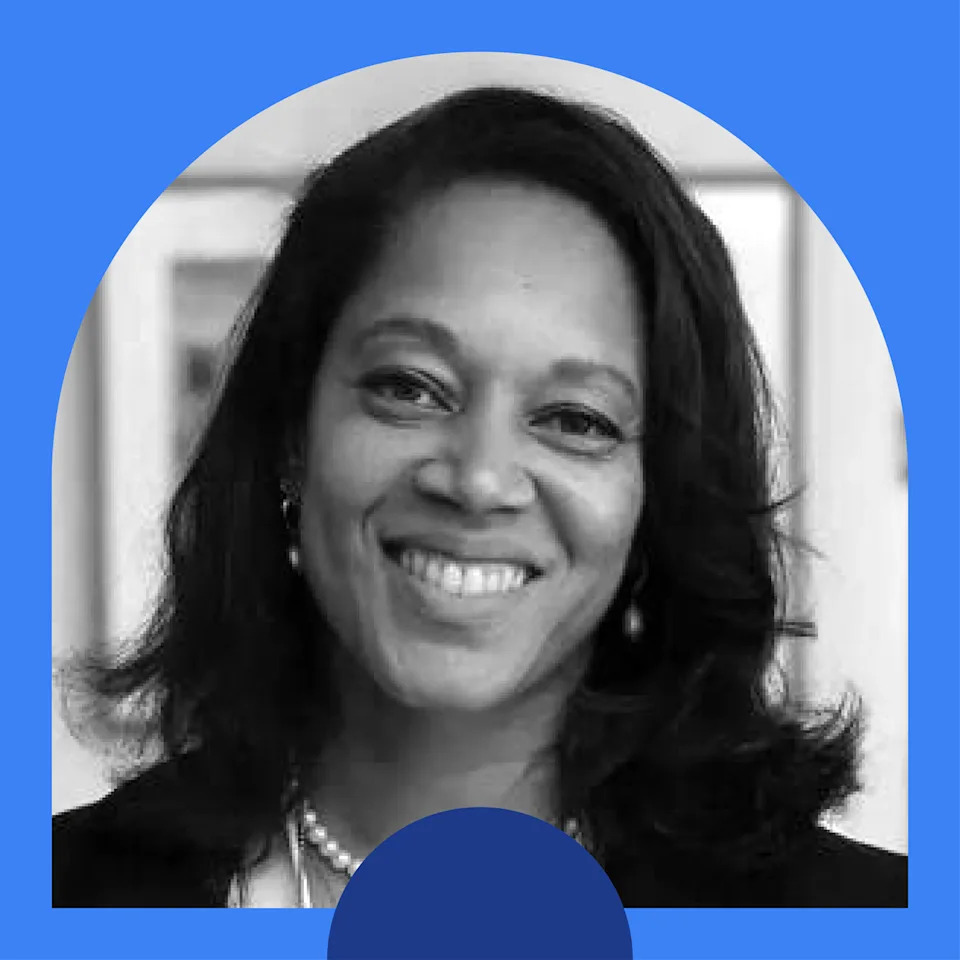
Photo credit: Hearst Owned
Dr. Simmons is Chief of General Obstetrics & Gynecology at NewYork-Presbyterian/Columbia University Irving Medical Center. She focuses on delivering high-quality, patient-centered care and improving access to preventative services to reduce health disparities for women.
In her words: “For me, it’s about helping patients feel strong, capable, and connected to their changing bodies. Thoughtful, well-timed exercise, including strength training, can ease common discomforts, support a smoother delivery, and promote a more confident recovery. When we individualize movement to each stage of pregnancy and postpartum, exercise becomes not just safe, but transformative.”
Sheridan Skye, RN, CPT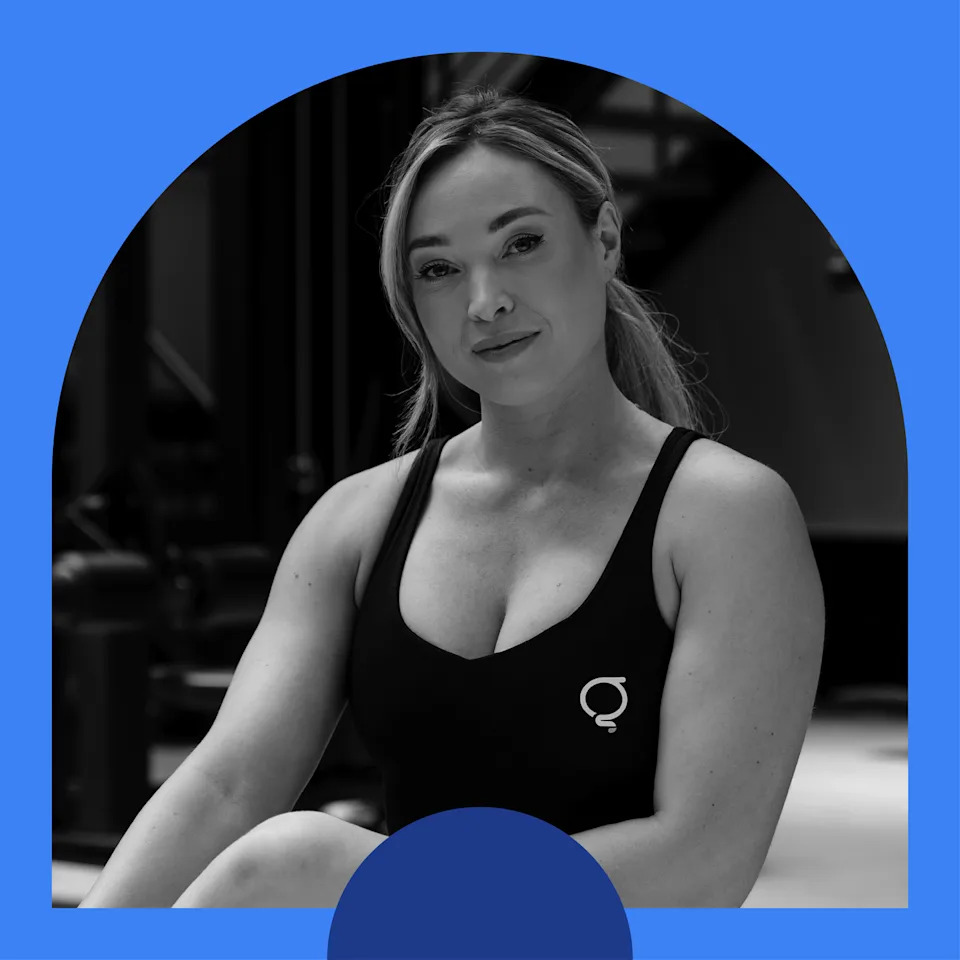
Photo credit: Hearst Owned
Skye is a registered nurse, women’s health coach, and educator with 12+ years of experience. Creator of coaching platform The Female Fitness Formula, Skye takes an evidence-based approach to helping women train safely across all life stages and has developed widely used pre- and postnatal education programs.
In her words: “Most prenatal training advice is rooted in fear, which prevents women from engaging in one of the most powerful tools we have to reduce complications while also improving mental health. We should be empowering women to feel confident and in control of their bodies as they navigate one of the most transformative periods of their lives.”
Photography by Rona Ahdout
Styling by Jasmine Fontaina
Hair by Griselle Rosario / See Mgmt
Makeup by J Patrick / See Mgmt
Models: Emily Collins, Jacqueline Andriakos, Britt Bergmeister
You Might Also Like