



Ashwagandha is again making news. The Indian government has banned the use of the leaves of the plant in health products. Meanwhile, a move is underway to gather scientific information to counter the allegations in some markets that the ingredient overall poses safety concerns.
Recently the Ministry of Ayush, the branch of the Indian government that regulates ayurvedic drugs and health products, issued a ruling stating that ashwagandha leaves should not be included in “crude or extract or any other form” of products meant for human consumption.
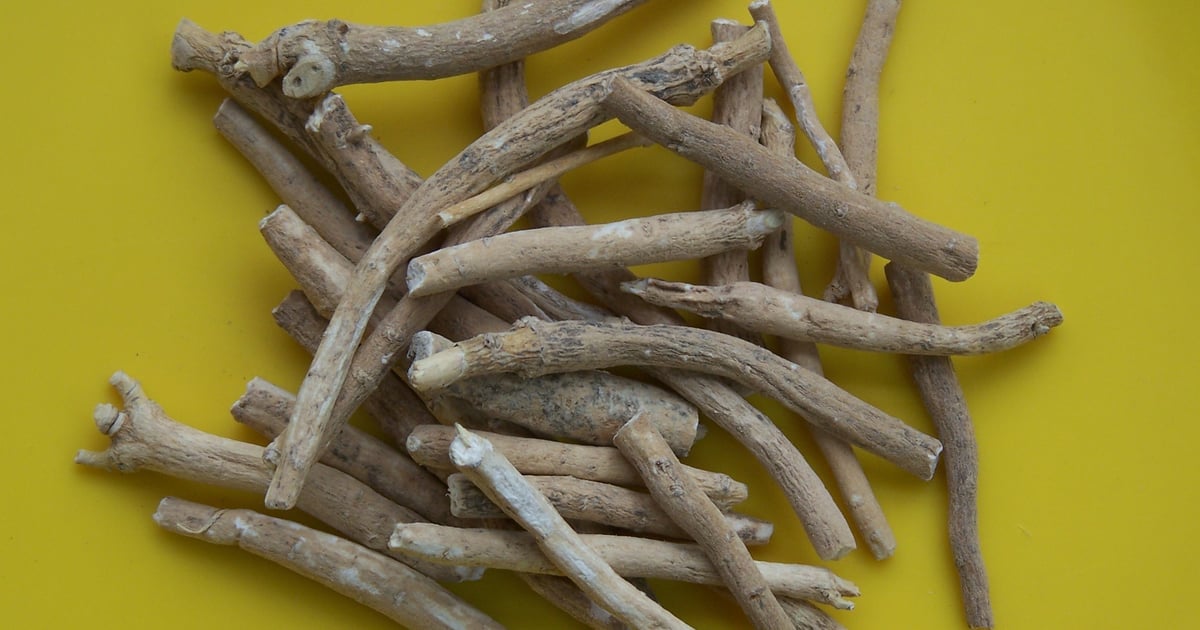
Ashwagandha (Withania somnifera) has been a mainstay herb in the ayurvedic medicinal tradition for many centuries. During that time, records indicate that only the roots were used in medicinal preparations.
Recently, however, with the rising popularity of the ingredient, manufacturers have sought ways to bring more concentrated products to market. At least three branded ingredients include leaf materials. The leaves contain some of the same class of constituents — known collectively as the withanolides — as do the roots.
But, according to Ayush, the leaves also contain higher levels of an undesirable withanolide, dubbed Withaferin-A. There appears to be some disagreement in the literature about the safety of this constituent, with some experts claiming that any issues would occur only at extremely high doses beyond what any commercially available product would deliver.
However, Ayush is responsible not only for regulating the safety of ayurvedic products but also safeguarding the tradition of use. In that regard, there is little question that ashwagandha root extracts fit the traditional bill.
Safeguarding the tradition
“There is no historical precedent for use of the leaves,” said Roy Upton, DipAYU, founder and head of the American Herbal Pharmacopoeia. “In this case, Ayush is being consistent with tradition.”
He noted there is precedent, too, in how humans use other plants of the same family — the nightshades.
“In other plants of this family where we eat the tubers, in the case of potatoes, or the fruits, in the case of tomatoes, we don’t also eat the leaves. There is a reason for that,” Upton said.
Ixoreal: Ruling could curtail adulteration
According to noted ashwagandha supplier Ixoreal, which markets the well-known KSM-66 Ashwagandha, a root-only extract, the action taken by Ayush comes after an advisory to avoid using the leaves that came out in 2021, which was largely ignored. The agency’s recent definitive statement could help to remove some adulterated products from the market, the company claimed.
“Certain manufacturers were quietly substituting leaf content, in crude form or as extracts, while labelling their products simply as ashwagandha. Consumers believed they were buying root. They were getting leaf,” Ixoreal claimed in a statement.
While this might be true of certain more commoditized products, the branded ingredients mentioned above all seem to be referring to their products as “root and leaf” extracts on labels. That kind of labeling will now be mandatory for products under Ayush’s jurisdiction.
Global safety concerns
While the labeling and composition issue has been playing out, there has been a broader attack by regulators in some markets related to ashwagandha’s purported potential to cause spontaneous abortions.
According to botanical expert Thomas Brendler, Ph.D., this assertion has for years been woven into the literature about ashwagandha, but when those statements are traced back to their origins, the citations don’t hold up to scientific rigor.
Nevertheless, the herb has been banned in some countries. In response, Brendler told attendees at the recent International Conference on the Science of Botanicals at the University of Mississippi that he and fellow scientists are putting the finishing touches on a special edition of the journal Phytotherapy Research that will comprehensively address the safety questions around ashwagandha. Regulators operate on a basis of presumptive safety, Brendler said, and are unlikely to reverse their rulings on ashwagandha without a convincing amount of evidence, which the upcoming special edition will provide.