




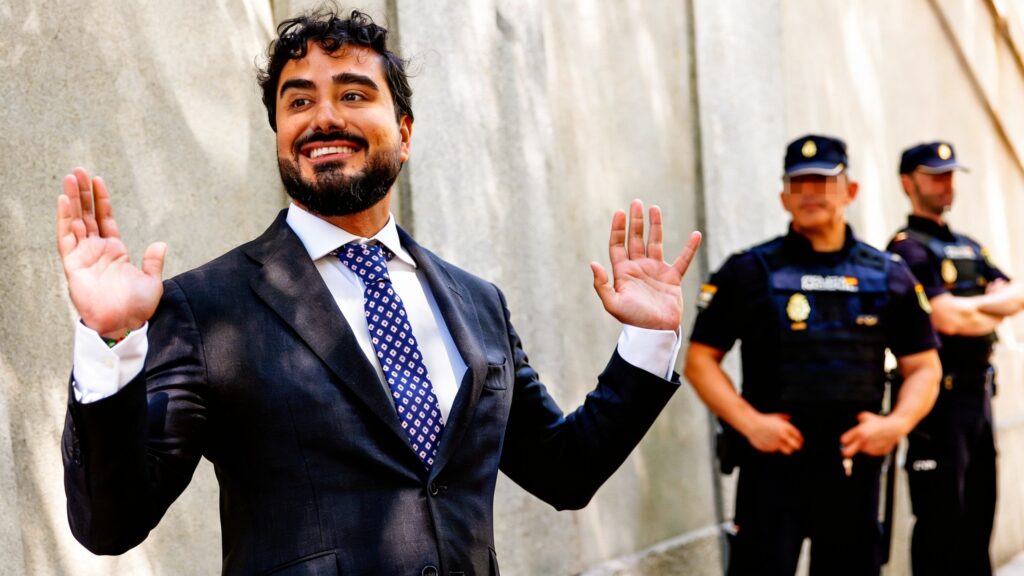
The European Parliament has approved the lifting of parliamentary immunity from Luis Pérez, known as Alvise, so that the Supreme Court of Spain can prosecute him in a case concerning the harassment of a prosecutor from Valencia. The decision was made at a plenary session in Strasbourg after the relevant committee supported the initiative almost unanimously. At the center of the case are Alvise’s posts on Telegram, where he revealed the identity of Susana Gisbert, a prosecutor for hate crime cases, prompting a wave of abusive messages directed at her.
The Supreme Court of Spain requested authorization to prosecute the SALF deputy on suspicion of harassment, incitement to aggression against an official, threats, and the dissemination of hate messages via social networks. According to investigators, in early 2024 Alvise published Gisbert’s details in his chat, after which she received more than 1,500 comments, most of them offensive. The report, prepared by Italian MP Mario Furore, notes that at the time of the alleged offense Alvise was not yet a Member of the European Parliament—he was elected only in June of that year.
This is the first of two official requests from the Supreme Court to lift parliamentary immunity from Alvise Pérez. The second request, which is still under review, concerns possible illegal financing of the SALF party: according to investigators, the deputy may have received €100,000 from an entrepreneur for his European Parliament election campaign. In addition, the Supreme Court is conducting separate investigations into alleged disclosure of secrets and harassment of former party members Diego Solier and Nora Junco, as well as a case involving the publication of a fake COVID-19 test allegedly linked to Salvador Illa.
The voting in the European Parliament went as expected: most deputies supported lifting immunity, clearing the way for legal proceedings in Spain. Questions about the admissibility of using new technologies and social networks in public politics are becoming increasingly relevant—in Spain, there have already been debates about the boundaries of acceptable behavior for officials and judges in the digital environment. For example, in a recent case, a judge was fined for using artificial intelligence in preparing a ruling, which caused a strong reaction within the professional community.
The situation surrounding Alvise Pérez highlights how acute the issue of public figures’ responsibility for online actions is in Spain. The next steps depend on the decisions of the Supreme Court and any potential new requests to lift immunity in other cases. For now, the case involving the persecution of a prosecutor from Valencia is becoming one of the most prominent examples of the intersection between politics, social media, and judicial practice in contemporary Spain.