




As chairman of the American Association of Career Schools and vice president of Kenneth Shuler School of Cosmetology, I am watching Washington bureaucrats prepare to devastate an industry that has quietly built the backbone of South Carolina’s service economy for more than a century.
The U.S. Department of Education is proposing a rule that would force the closure of beauty and wellness schools across the state — from our seven Kenneth Shuler campuses to Paul Mitchell the School in Charleston, Columbia and Greenville, to family owned institutions to technical colleges offering cosmetology programs statewide and even free tuition in some cases. The department’s own projections show that 92.5 percent of cosmetology programs would fail the department’s new “accountability framework,” which would cause many to lose access to federal student loans and grants that make education affordable.
Drive through any community — from Columbia’s Vista to Charleston’s King Street, from Greenville’s downtown to small towns across the Pee Dee — and you’ll see the businesses our graduates have built. These aren’t just salons and spas. They’re economic anchors that employ neighbors, serve families and contribute to the tax base that funds our schools and roads.
This isn’t just about beauty schools; it’s about destroying opportunity for thousands of S.C. families.
Beauty and wellness education provides accessible career training that leads directly to state licensing and entrepreneurship opportunities. The Bureau of Labor Statistics projects that employment of hairstylists and cosmetologists will grow 5 percent from 2024 to 2034, faster than the average for all occupations. These aren’t dead-end jobs. They’re pathways to entrepreneurship and community leadership that don’t require crushing college debt.
Yet the department wants to judge these programs by the same earnings standards as four-year engineering degrees. It’s comparing apples to oranges.
Here’s the real problem: Congress specifically excluded beauty and wellness certificate programs when it passed President Donald Trump’s One Big Beautiful Bill Act. The law clearly states that accountability measures should apply only to “undergraduate degree, graduate or professional degree, or graduate certificate” programs. Beauty education was deliberately protected.
But the department is expanding the law beyond what President Trump and Congress intended. It’s applying degree-level accountability standards to certificate programs that were explicitly exempted. This isn’t implementation — it’s bureaucratic overreach that threatens South Carolina’s workforce development.
The rule ignores industry realities every South Carolinian understands. Beauty professionals often work flexible schedules to accommodate family responsibilities. Many earn substantial tip income that doesn’t appear in federal databases. Many also need time to build clientele and establish their businesses. The department’s formula punishes schools for factors completely beyond their control.
Consider who’s at risk: the stylist who helps Gamecock fans look their best for Saturday games, the barber who’s cut three generations of the same family’s hair, the massage therapist helping patients recover at MUSC. These professionals provide essential services that improve quality of life across our state.
The economic impact would be devastating. Schools employ hundreds of instructors and support staff statewide. Students from rural counties rely on these programs for accessible career training close to home. Without federal aid, many would be priced out of the education they need for state licensing requirements.
This represents everything South Carolinians oppose about federal overreach. Unelected bureaucrats are superseding President Trump’s clear support for workforce development and small business creation. They’re destroying programs that exemplify South Carolina values: hard work, personal responsibility and building something for your family.
Beauty and wellness education isn’t a fallback option. Our schools produce entrepreneurs who build generational wealth, create jobs and serve their communities with pride. From the Lowcountry to the Upstate, these graduates contribute to South Carolina’s economic growth and quality of life.
The department has until May 20 to receive public comments. South Carolina’s congressional delegation should demand the department implement President Trump’s law as written — not expand it to destroy workforce development that strengthens our communities.
Washington bureaucrats shouldn’t be allowed to eliminate opportunities that help working families achieve the American dream in South Carolina.
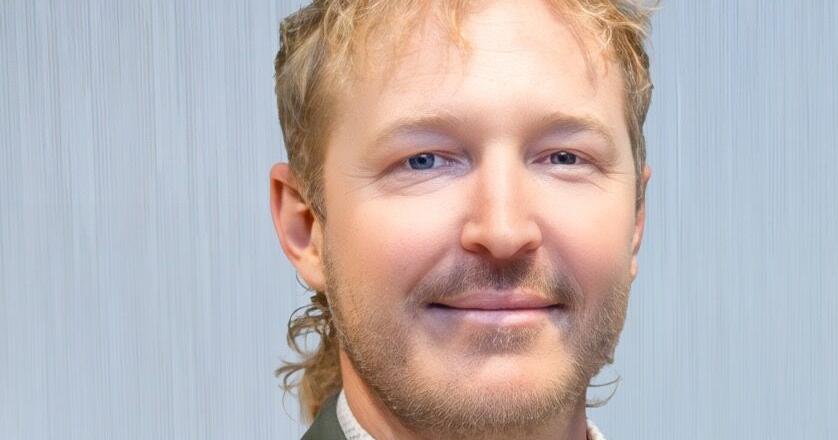
Garrett Shuler is vice president of Kenneth Shuler School of Cosmetology, which operates seven campuses across South Carolina. He also is board chairman of the American Association of Career Schools.