




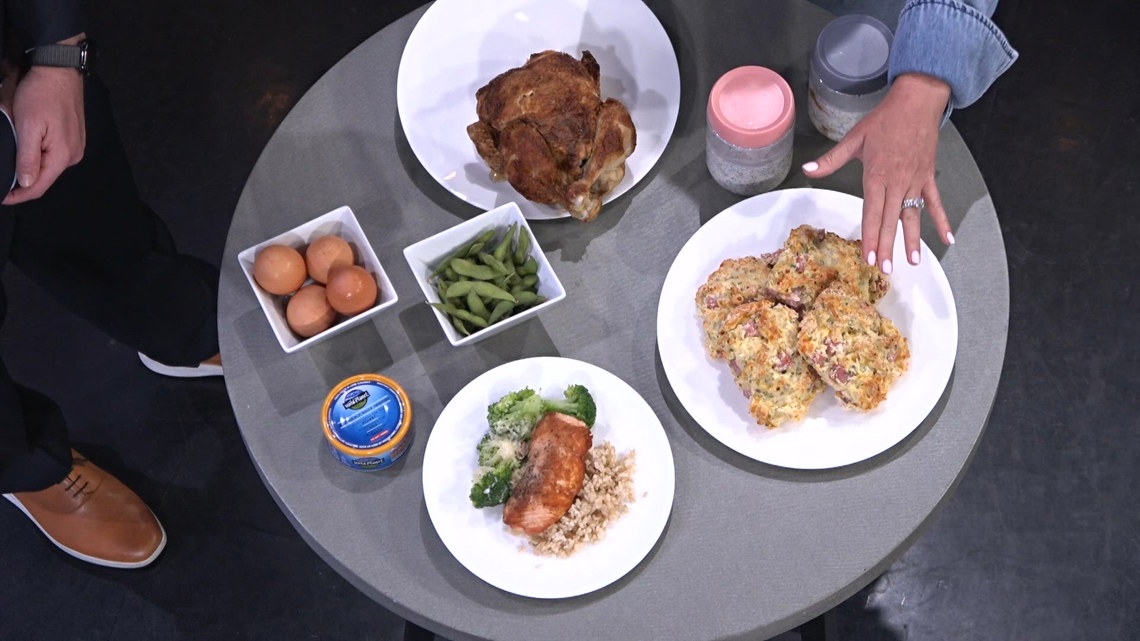
Dietitian Caroline Susie explains the benefits and science of protein consumption, offering insights into how to eat the right kind and amount of protein.
DALLAS — When you walk down the aisles of the grocery store, more and more food products are touting enhanced protein.
“Protein is having a moment. It is everywhere,” Dietitian Caroline Susie said.
Protein is a nutrient your body needs to grow and repair cells and to work properly, but can you have too much? Susie says it is important to have protein in your diet. Another function of protein is to regulate our insulin, and tell our body that we are full. She says that to truly know how much you need, consulting with a dietitian would be the best approach

This story continues below.
There is also a science to how much protein you should consume and how often.
“I feel like it’s a little bit Texas,” she said. “We will have a little bit at breakfast, lunch, and then sit down and have a big old steak dinner. What the research suggests is 25 to 30 grams at breakfast, lunch and dinner spread throughout the day is going to help preserve lean body mass. It is going to help with weight management, and that’s really helpful for people in perimenopause or menopause.”
Others who will benefit from managing their protein intake are people taking a GLP-1 or those involved in bodybuilding. Protein during the post-workout recovery is also helpful.
Most people grab a protein bar because it’s convenient. There’s a catch. Susie says eating protein in that form is just not the same.
“Having a protein bar versus sitting down and having protein with broccoli and rice might be 20 grams of protein.”
She says the protein bar just doesn’t compare because a plate of fish, rice, and a vegetables becuase the full meal is going to fill you up for much longer and give you key nutrients. If you can’t get fresh salmon or vegetables, try grabbing them in other ways.
“The pouch and can stuff are great too. It is an affordable chef staple.”
She also says protein doesn’t have to come from meat. You can substitute cold butter with cottage cheese in your biscuits to boost the protein. Overnight oats are another way to increase your morning protein during breakfast. She suggests jazzing it up with peanut butter and jelly if you want a new flavor. For a snack, she recommends hummus with carrots or edamame, an apple with peanut butter, or cottage cheese with flax seeds and berries.
When shopping for food, look at the label. Remember to avoid sugar alcohol because that ingredient can cause bloating, added fibers that add texture and may improve your gut health, artificial sweeteners, oils and additives. To avoid getting bored with the same recipes, here are some of Susie’s pairings by the meal.
Here are some other protein options:
Savory Filipino-inspired bowlEggs + garlic sautéed spinach + tomatoes + black beansGreek yogurt parfaitYogurt with chia seeds, berries, and a high-fiber granolaTofu scrambleTofu with a bitter melon, onions and peppers
Grilled salmon with lentil salad and roasted vegetablesChicken adobo with brown rice and sautéed cabbage with mung beansGround turkey lettuce wraps with quinoa and shredded carrotsAdded ingredients add up