




LARGO, Fla., April 28, 2026 (Newswire.com)
–
Disclaimers: This is sponsored advertorial content. This article is for informational purposes only and does not constitute medical advice. Always consult a qualified healthcare professional before starting any new supplement, especially if you have existing health conditions, take medications, or are pregnant or nursing. Supplements are not intended to diagnose, treat, cure, or prevent any disease. This article contains affiliate links. If you purchase through these links, a commission may be earned at no additional cost to you. This compensation does not influence the accuracy or integrity of the information presented.
Memo Blast Review and Consumer Analysis: What Buyers Should Know About This Cognitive Support Supplement
You saw the ad. Something about it landed – maybe the part where they described exactly how it feels to blank on a word mid-sentence, or to walk into a room and completely forget why you went in there. Maybe it was the idea that this is reversible. That there’s something you can actually do.
So now you’re here, doing exactly what a smart buyer does: verifying before purchasing.
Visit the official Memo Blast website for current product details, pricing, and terms
Disclosure: If you buy through this link, a commission may be earned at no extra cost to you.
This guide is written for you. It covers everything a genuinely informed purchase decision requires – what Memo Blast actually is, what its four ingredients have been shown to do in published research, what the brand claims versus what the science can actually support, how the pricing and guarantee work in plain language, who this supplement is likely a good fit for, and who should probably look elsewhere. There are also answers to every question people search for after seeing a Memo Blast ad: the scam question, the side effects question, the “is this a subscription” question, all of it.
What you will not find here is cheerleading. If the research supports a claim, that gets communicated clearly. If it doesn’t, that gets communicated just as clearly. The goal is to match the right reader to the right product – and to save everyone else the trouble.
One note before the content: searching for “Memo Blast” on Google returns a significant number of domains with similar names and completely different formulas. This review covers only the product at getmemoblast.com, which is the canonical brand URL per the official product documentation. Any similarly named supplement on a different domain is a different product from a different seller. Purchase only from the official source to ensure you receive the formula described below.
What Is Memo Blast? Starting From Zero
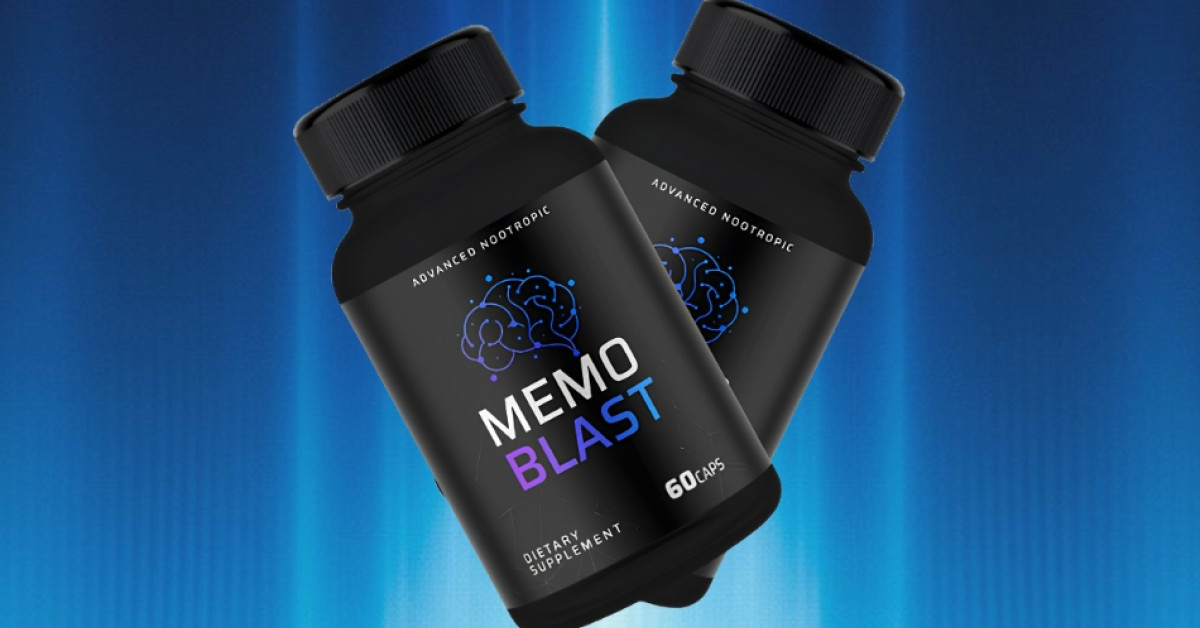
Memo Blast is a dietary supplement sold at getmemoblast.com and marketed to support brain health, memory, and cognitive function. The formula is built around four plant-derived ingredients: a super-concentrated coffee extract, a polyphenols complex, quercetin extract, and EGCG (epigallocatechin gallate from green tea). It comes in capsule form, one capsule per day, with each bottle providing a 30-day supply.
The brand’s marketing describes Memo Blast as designed to support mental clarity, sharper memory recall, sustained focus, and natural cognitive energy. The product is manufactured in the United States in what the brand describes as an FDA-registered, GMP-certified facility. It is positioned as non-GMO and free from artificial stimulants – though the coffee extract component does contain naturally occurring caffeine, which is worth knowing if you have caffeine sensitivity.
Before going any further, the most important framing in any honest supplement review: Memo Blast is a dietary supplement, not a prescription medication and not a drug. The Food and Drug Administration has not evaluated this product for the treatment or prevention of any disease. The brand’s own disclaimer states this directly: “Statements on this website have not been evaluated by the Food and Drug Administration. Products are not intended to diagnose, treat, cure or prevent any disease.” That regulatory context is not a flaw – it simply means this product operates as a wellness supplement under DSHEA, supporting general cognitive health rather than treating medical conditions. Understanding that distinction helps set realistic expectations before purchasing.
This is not a replacement for prescribed medical treatment. Consult your physician before starting any new supplement, particularly if you take medications or manage existing health conditions.
What Most Buyers Actually Want to Know First: The Verification Question
People searching “is Memo Blast legit” are doing exactly what every careful buyer should do before purchasing a supplement they saw in an ad. That instinct is right, and it deserves a genuinely honest answer – not a sales pitch wearing honesty’s clothing.
Here is what an independent review of publicly available information shows, stated plainly.
What the brand publishes: According to the official website at getmemoblast.com, the brand lists its four-ingredient formula, publishes a refund policy, and provides email contact information at support@getmemoblast.com. The stated purchase model is one-time with no autoship. These are baseline elements typically expected from a supplement brand operating in the direct-to-consumer space.
What independent verification reveals: The Better Business Bureau’s Scam Tracker carries a public report (filed December 2025) referencing “Get Memoblast” and the brand’s contact email. This is a publicly indexed consumer record. Consumer complaint threads on multiple forums also document experiences including difficulty reaching support and requests to verify terms directly with the brand. The brand’s own refund policy page has been reported to contain discrepancies that buyers should personally confirm before purchasing.
Additionally, the “MemoBlast” name is used across a significant number of different domains – some of which have been associated with ad creative featuring fabricated endorsements from named public figures and medical professionals who have no verified connection to this or any similar product. Whether the getmemoblast.com operation is the same as those funnels, or a separate entity whose name has been exploited, is something buyers cannot independently confirm without direct communication with the brand.
What this means for you as a buyer: The due diligence standard for any supplement purchase – and especially one in a category with the consumer complaint history that surrounds the Memo Blast name – should be higher than usual. Before purchasing: verify all current terms directly on the official website, not through any secondary source, including this article. Retain your order confirmation and all receipts. Start with the smallest available bundle until you can confirm the product and company meet your expectations. And if you have any doubt about the purchase after reviewing the brand’s terms yourself, that doubt is worth acting on before spending.
The more straightforward concern – independent of the brand’s business practices – is whether the ingredients in the formula are supported by published research. That question is answered in full detail in the ingredient section below, with honest assessment of what the science can and cannot support.
Visit the official Memo Blast website for current product details, pricing, and terms
This is the section most supplement reviews substitute with “clinically proven” and move on. Four ground rules before the breakdown:
One: All research cited below is ingredient-level research – studies on the individual compounds, not on Memo Blast as a finished product. The finished product has not been independently clinically studied.
Two: Dosage matters enormously in nutritional research. Memo Blast does not publish a verified supplement facts panel with milligram amounts in publicly available materials, which limits independent potency assessment.
Three: Individual variability is real – age, baseline health, diet, genetics, and lifestyle all affect how any given person responds.
Four: This analysis is honest about what the research shows and where it falls short, which is more useful to you than marketing language that treats every ingredient as definitively proven.
Super-Concentrated Coffee Extract
Coffee extract in supplement form concentrates the bioactive compounds from coffee beans – primarily caffeine and chlorogenic acids – into a standardized, consistent delivery format. These two compound classes drive the research interest.
Caffeine and cognitive function is one of the most studied relationships in human nutrition science, with one of the most consistent evidence bases. Caffeine works by blocking adenosine receptors in the brain. Adenosine is a neuromodulator that accumulates throughout the day and progressively induces fatigue; blocking its action sustains alertness and supports attention. Multiple systematic reviews, including a comprehensive analysis in Neuroscience and Biobehavioral Reviews examining over 40 studies, have documented caffeine’s effects on reaction time, sustained attention, and working memory performance in healthy adults. A 2021 review in Nutrients specifically found consistent improvements in selective attention and cognitive processing speed across caffeine trials. Effects are most reliable in states of fatigue, though improvements are also observed in rested subjects.
Chlorogenic acids – coffee’s other major class of bioactives – are polyphenolic antioxidants that have been studied for their effects on vascular health and neuroinflammation. A 2020 paper in Frontiers in Nutrition reviewed neuroprotective potential of coffee polyphenols, finding evidence for anti-inflammatory and antioxidant properties in brain tissue in preclinical models. A 2019 randomized controlled trial examining decaffeinated coffee extract enriched with chlorogenic acids found improvements in attention and processing speed in older adults compared to a placebo, suggesting these compounds may have independent cognitive-relevant effects beyond caffeine’s adenosine mechanism.
One clarification the brand’s marketing requires: the product is described as containing “no stimulants.” This language refers to artificial or synthetic stimulants. The coffee extract does contain naturally occurring caffeine. Individuals with caffeine sensitivity, those taking stimulant medications, or those with cardiovascular conditions that require caffeine avoidance should account for this and consult their physician before use.
This is ingredient-level research. Memo Blast as a finished product has not been independently clinically studied.
Polyphenols Complex
Polyphenols are a broad family of plant-derived compounds characterized by multiple phenolic ring structures. There are thousands of identified polyphenol varieties in the plant kingdom; in supplement contexts, a “polyphenols complex” typically refers to a curated blend from multiple botanical sources. The research interest in polyphenols for brain health centers on two primary mechanisms: antioxidant activity in brain tissue (the brain consumes approximately 20% of the body’s oxygen despite comprising roughly 2% of body mass, making it particularly vulnerable to oxidative stress) and modulation of neuroinflammatory pathways.
A 2019 systematic review in Ageing Research Reviews analyzed 38 human studies and clinical trials on dietary polyphenol intake and cognitive function, finding consistent positive associations between higher polyphenol consumption and better performance on memory and executive function tests in middle-aged and older adults. The researchers noted the strongest associations appeared with long-term, consistent intake rather than acute supplementation – a relevant data point for expectation-setting.
Research on brain-derived neurotrophic factor (BDNF) – a protein central to neuron growth, maintenance, and the neural processes underlying learning and memory – has examined polyphenol involvement. A 2018 review in Neural Plasticity found that multiple polyphenol classes appeared to support BDNF signaling in animal models, with developing but more limited human data. Separately, a 2020 review in Frontiers in Aging Neuroscience concluded that dietary polyphenols represent a promising strategy for supporting cognitive resilience against age-related neuroinflammatory processes.
The brand describes this component as designed to “protect brain tissue from inflammation and support neurogenesis.” The protection framing is consistent with published antioxidant and anti-inflammatory mechanisms. The neurogenesis language reflects emerging research. Any framing around safeguarding against age-related memory loss should be understood as a general cognitive wellness support claim – not a promise that supplementation prevents any specific condition or disease process.
This is ingredient-level research. Memo Blast as a finished product has not been independently clinically studied.
Quercetin Extract
Quercetin is a flavonol – a subclass of flavonoids – found in high concentrations in apples, onions, capers, and leafy vegetables. It is among the most studied individual polyphenol compounds in nutritional science, with a substantial body of research across cardiovascular, metabolic, and neurological contexts.
Quercetin and cerebral blood flow is one of the more mechanistically compelling research directions. Quercetin inhibits phosphodiesterase enzymes and modulates nitric oxide signaling pathways, both of which influence vascular smooth muscle. Supporting healthy vascular relaxation may improve cerebral blood flow – the delivery of oxygen and glucose to brain cells that is essential for cognitive function. A 2016 review in Pharmacological Research documented consistent vasorelaxant properties in preclinical models. A 2019 meta-analysis of human randomized controlled trials found statistically significant effects on systolic blood pressure at doses of 500mg or higher, with dose-response dependency noted – again underscoring the importance of the missing supplement facts panel for independent evaluation.
Quercetin and neuroprotection is supported by in vitro and animal research documenting quercetin’s ability to cross the blood-brain barrier, exert antioxidant activity in neural tissue, and reduce neuroinflammatory markers. A 2020 review in Nutrients covered multiple neuroprotective mechanisms. Direct human clinical trials on memory-specific outcomes from quercetin supplementation are more limited; a 2021 randomized controlled trial in older adults with subjective cognitive complaints found improvements in composite cognitive performance versus placebo at 24 weeks, though the study’s small sample size limits conclusions.
Bioavailability note: Quercetin absorption varies significantly by formulation and is enhanced by certain co-compounds including vitamin C and piperine. The Memo Blast formula does not confirm the presence of absorption enhancers in publicly available materials.
The brand describes quercetin as supporting “blood flow to the brain, and memory recall.” This framing is consistent with the directional findings of ingredient-level research, particularly on the vascular mechanism and developing human evidence on cognitive outcomes. The “blood flow” mechanism has solid preclinical support and dose-dependent human data.
This is ingredient-level research. Memo Blast as a finished product has not been independently clinically studied.
EGCG (Epigallocatechin Gallate)
EGCG is the primary catechin in green tea and is one of the most extensively studied plant-derived compounds in nutritional science. It belongs to the flavanol subclass and is characterized by exceptionally high antioxidant capacity.
EGCG and brain plasticity is where the most clinically relevant human data exists for this compound. A 2014 study published in Neuropsychopharmacology – one of the more direct human trials on EGCG and cognition – found that EGCG supplementation was associated with increased activation of the dentate gyrus region of the hippocampus (the brain region most directly involved in forming new episodic memories) as measured by functional MRI, alongside improved performance on a spatial working memory task, compared to placebo in healthy young men. This provides mechanistic human evidence for the plasticity framing in Memo Blast’s marketing.
EGCG and neuroprotection is supported by a substantial preclinical literature. EGCG crosses the blood-brain barrier, where it exerts antioxidant effects and modulates multiple inflammatory pathways. A 2017 review in Neuropharmacology documented EGCG’s inhibition of amyloid-beta and tau protein aggregation in cell models – proteins associated with neurodegenerative processes – while clearly noting this is preclinical work that does not imply EGCG prevents neurodegenerative conditions in humans.
EGCG and BDNF has been examined in preclinical research, with animal studies finding increased hippocampal BDNF expression following EGCG administration – a mechanism linking this compound to the neural maintenance processes underlying learning and memory. A 2019 systematic review on green tea catechins and cognitive function found modest positive associations across human studies for attention, memory, and processing speed, with heterogeneity across studies noted.
The brand describes EGCG as designed to “stimulate brain plasticity and improve learning ability.” The plasticity framing has the most direct human trial support of any claim in this formula. Any language around protecting cells from damage should be understood in the context of general antioxidant activity in neural tissue – this is not a claim that EGCG repairs or prevents damage from any specific medical condition or toxic exposure.
This is ingredient-level research. Memo Blast as a finished product has not been independently clinically studied.
Reading the Brand’s Claims Honestly
The brand’s marketing uses language that a careful buyer should evaluate rather than accept at face value. This section addresses the most significant examples directly.
“Revolutionary formula dedicated to targeting the real root cause of memory loss.” This is a problem phrase. Memory decline is a complex, multifactorial phenomenon involving oxidative stress, neuroinflammation, vascular changes, neurotransmitter dynamics, sleep architecture, and genetic factors. There is no single root cause, and no supplement targets all of them. The four ingredients in Memo Blast address some relevant mechanisms – but “root cause” language significantly overstates what any supplement can claim. Interpret this as aspirational marketing positioning.
“Proven to reactivate and protect your brain’s memory pathways,” and language in the brand’s ingredient descriptions referencing “reversing cognitive decline.” The word “proven” in a clinical sense requires replicable, rigorous evidence in the relevant population at the specific dose used, for the finished product. That evidence does not exist for Memo Blast as a finished product. For the individual ingredients, the research is directional and in some cases encouraging – but the clinical standard of “proven” is not met. Any language in the brand’s marketing suggesting a supplement reverses cognitive decline describes a treatment or disease claim that dietary supplements are not permitted to make under 21 CFR 101.93. This language in the brand’s materials should be interpreted as aspirational marketing copy, not a clinical or regulatory claim.
“150,000 satisfied customers.” This is a brand-reported figure that cannot be independently verified. It is noted here as attributed marketing data, not independently confirmed research.
What the brand gets right: The formula’s simplicity – four documented plant-derived compounds – is more transparent than many competitors who use 15-ingredient proprietary blends with undisclosed doses. The one-time purchase model is genuinely consumer-friendly. The 60-day guarantee has a documented process. The GMP-certified manufacturing claim, if accurate, represents a meaningful quality standard.
Why Brain Fog Is a Real and Growing Concern in 2026
Before evaluating whether Memo Blast is the right solution for you, it helps to understand what’s actually happening when cognitive function declines – because the marketing’s dramatic language often obscures the more nuanced reality.
The brain operates under significant metabolic demand. Despite comprising roughly 2% of body mass, it consumes approximately 20% of the body’s oxygen and glucose. This metabolic load makes brain tissue particularly vulnerable to oxidative stress – the accumulation of reactive oxygen species faster than antioxidant defenses can neutralize them. Oxidative stress increases with age: mitochondrial efficiency in neurons declines, antioxidant enzyme activity decreases, and accumulated cellular damage reduces the brain’s capacity for self-repair.
Neuroinflammation is a parallel and increasingly recognized contributor. The brain’s immune cells – microglia – become progressively less efficient at returning to a quiescent state with age, creating a pattern of chronic low-grade inflammation that is now understood as a meaningful factor in age-related cognitive decline. This is precisely where polyphenols, quercetin, and EGCG have attracted scientific attention: their anti-inflammatory mechanisms are directionally relevant to this process.
Cerebrovascular health – the function of blood vessels supplying the brain – is a third variable. Reduced cerebral blood flow impairs the delivery of oxygen and glucose to neurons. Research increasingly identifies microvascular dysfunction as a contributor to the gap between chronological and cognitive aging, which is where quercetin’s vasorelaxant mechanisms become relevant.
The brain fog phenomenon is not a clinical diagnosis but has become a widely recognized description of the subjective cognitive experience that many adults, particularly those managing chronic stress, poor sleep, demanding professional lives, and midlife hormonal changes, describe as a daily reality. Published research confirms this is not purely psychological – a 2024 paper in Frontiers in Human Neuroscience characterizing subjective brain fog across nearly 26,000 participants found it associated with measurable cognitive performance differences, sleep disruption, and stress burden.
Understanding these mechanisms helps frame what Memo Blast’s ingredients are actually targeting: the oxidative stress, neuroinflammatory, and vascular conditions that contribute to this cognitive picture. Whether they do so at sufficient dose in this specific formula cannot be independently confirmed without a published supplement facts panel, but the mechanistic direction is coherent.
Who Memo Blast May Be the Right Fit For
Memo Blast May Align Well With People Who:
Are in their 40s, 50s, or early 60s and noticing early signs of cognitive changes: The demographic most likely to resonate with Memo Blast’s marketing is also the demographic with the most to gain from a polyphenol-forward supplement approach, according to population-level research on polyphenols and cognitive aging. If you’re in this range, are noticing differences in recall or mental sharpness, and have already confirmed with a physician that there’s no underlying medical explanation, a plant-based supplement trial with a 60-day return option is a relatively low-risk evaluation.
Want a plant-derived, antioxidant-focused formula without synthetic stimulant stacking: Memo Blast’s four-ingredient simplicity is a genuine differentiator in a market where 12-ingredient proprietary blends with undisclosed doses are common. For buyers who prioritize transparency in sourcing and want to avoid complex stimulant stacks, this formula’s profile is clean.
Are using supplements as part of a broader cognitive health strategy: People who are already prioritizing sleep, exercise, stress management, and a polyphenol-rich diet – and who want a supplement that fits naturally into that framework – are working with the approach most likely to produce meaningful outcomes. A supplement supporting the same mechanisms as those lifestyle behaviors is additive, not substitutive.
Can commit to 60 days of consistent daily use for a genuine evaluation: Plant-based cognitive supplements require consistent use over weeks to months before any personal assessment is meaningful. The 60-day guarantee window aligns well with this timeline. One capsule per day is a low-friction routine for people who are already in a supplement habit.
Have financial flexibility and realistic expectations: At $49-$79 per bottle depending on bundle size, Memo Blast sits in the mid-to-premium range for cognitive supplements. The investment makes sense for someone who has done the research, understands the realistic outcome range, and has a clear refund path if dissatisfied.
Memo Blast May Not Be the Right Fit For:
People managing diagnosed cognitive conditions or neurological concerns: This cannot be stated too clearly. Memo Blast is a dietary supplement. It is not a treatment for mild cognitive impairment, dementia, Alzheimer’s disease, or any neurological condition. Anyone experiencing significant, sudden, or rapidly progressive memory changes needs medical evaluation – not a supplement. Consulting a neurologist or primary care physician is the appropriate first step when cognitive concerns are clinically significant.
People who require verified ingredient dosing: Without a published supplement facts panel, individuals who need to track their specific intake of caffeine, quercetin, or EGCG precisely – due to medication management or medical recommendations – cannot independently verify what they are consuming. A product with full transparent dosing would be more appropriate.
People with caffeine sensitivity or caffeine-restricted diets: Despite the “no stimulants” marketing language – which refers to artificial stimulants – the coffee extract contains naturally occurring caffeine. If caffeine avoidance is medically recommended, or if you experience adverse effects from even small amounts, discuss this with the brand or your healthcare provider before purchasing.
People who are pregnant, nursing, or managing multiple medications: Quercetin and EGCG can interact with certain medications at therapeutic doses, including some anticoagulants and antibiotics. Standard medical guidance applies: consult your physician before adding any supplement when pregnant, nursing, or managing complex medication regimens.
People expecting dramatic, rapid cognitive transformation: The realistic experience from a plant-based polyphenol supplement, when it produces noticeable effects, tends to be gradual and modest – somewhat clearer focus over time, somewhat less consistent brain fog, marginally better recall on demanding days. People who are expecting sudden, dramatic restoration of youthful mental sharpness are calibrating to marketing language rather than supplement science. Recalibrating expectations before purchase protects against disappointment.
Questions to Ask Yourself Before Purchasing
Before deciding, sit with these:
Has your physician confirmed there’s no reversible medical explanation for the cognitive changes you’re experiencing?
Are you already doing the things with the strongest evidence base for cognitive health – getting adequate sleep, engaging in regular aerobic exercise, managing chronic stress, and eating a diet rich in polyphenols?
Do you have any caffeine sensitivity, medication interactions to worry about, or other health considerations that should be discussed with a doctor first?
Are you prepared to take one capsule daily for 60 consecutive days before making a judgment about whether the supplement is working for you?
If yes to all of the above, Memo Blast represents a reasonable, low-risk trial with a clear refund process. If not, address the upstream factors first.
Pricing, Bundles, and the Guarantee – In Plain Language
All pricing below is drawn from the brand’s official product documentation at the time of publication (April 2026). Prices are subject to change – always verify current pricing directly on the official website before completing any purchase, as independent verification of all figures was not possible at time of writing.
2-Bottle Bundle (60-Day Supply): $79 per bottle, $158 total. Shipping costs apply – verify current shipping charges at checkout on the official website. This bundle aligns with the 60-day guarantee window and is a logical choice for an initial evaluation.
3-Bottle Bundle (90-Day Supply): $69 per bottle, $207 total. According to the brand’s pricing page, free shipping is included on this bundle. A meaningful per-bottle saving over the two-bottle option.
6-Bottle Bundle (180-Day Supply): $49 per bottle, $294 total. According to the brand’s pricing page, free shipping is included. The lowest per-bottle cost. Appropriate if you’ve already evaluated the supplement and determined it belongs in your long-term routine. Purchasing six bottles before completing a trial is a risk that should be weighed against the guarantee terms – verify those terms directly on the official website before committing.
Single Bottle: Available with separate shipping costs. Per-bottle price without bundle discount. Verify current single-bottle pricing on the official website at checkout.
The Refund Policy – Verify Before You Buy:
According to the brand’s FAQ, orders are protected by a 60-day satisfaction guarantee. However, the specific terms of this guarantee – including the trigger date, return conditions, and process – should be confirmed directly on the official website’s refund policy page before purchasing, as independent review has identified discrepancies in the published policy that the brand should clarify. The brand’s published contact for refund requests is support@getmemoblast.com. Retain your order confirmation and all receipts regardless of what the published policy states at the time of purchase, as policies are subject to change.
One-time purchase: According to the brand’s FAQ, this is a single transaction with no autoshipments, subscriptions, or recurring charges. Confirm this directly at checkout before completing your order.
Visit the official Memo Blast website for current pricing and bundle details
How to Purchase Safely
This product category has a genuine purchase safety issue: the multi-domain landscape around the “Memo Blast” name. Multiple sellers operate websites with similar names and sell supplements under variations of this brand that contain entirely different formulas. Some list ingredients like Ginkgo Biloba, Bacopa Monnieri, and Huperzine A – compounds not in the getmemoblast.com formula at all.
Purchasing from the wrong domain means receiving an entirely different product. The guarantee, the ingredients, and the company you are dealing with will be different.
To purchase the product reviewed in this article: use only getmemoblast.com. Do not use Google Shopping results or Amazon listings without verifying that the seller and formula match exactly what is documented here. When in doubt, navigate directly to the URL rather than clicking a search result you cannot verify.
Memo Blast and the Brain Supplement Landscape in 2026
Understanding where Memo Blast sits among its alternatives helps calibrate the purchase decision.
The cognitive supplement market in 2026 divides broadly into three approaches. Complex nootropic stacks – products like Mind Lab Pro, NooCube, and Alpha Brain – combine 10 to 15 or more ingredients targeting multiple brain pathways simultaneously. These products are more expensive, more difficult to evaluate at the ingredient level, and better suited for buyers who want comprehensive multi-pathway support and are willing to pay for it. Prevagen and Neuriva represent simpler, single or dual-ingredient approaches that have achieved mainstream retail presence; they are lower-cost and lower-complexity but also narrower in their mechanisms. Memo Blast occupies a third position: a minimalist four-ingredient formula built around polyphenol and flavonoid antioxidant mechanisms, positioned as clean and plant-derived without the complexity of a full nootropic stack.
This is not an inherently superior or inferior approach – it is a different approach with a different target buyer. For someone who wants comprehensive multi-system nootropic support, a more complex formula may be more appropriate. For someone who prefers simplicity, wants a polyphenol-forward mechanism, and is committed to clean sourcing over ingredient count, Memo Blast’s approach makes logical sense.
The competitive gap that Memo Blast’s marketing does not address but buyers should be aware of: the published dosing transparency that products like Mind Lab Pro make available allows buyers to assess whether each ingredient appears at a dosage with research support. Memo Blast does not currently publish this information. If dosing transparency is a purchasing criterion for you, contact the brand directly or factor this gap into your decision.
Lifestyle Context: What Works Better Than Any Supplement
A review written without this context would be doing you a disservice.
The interventions with the most robust human evidence for long-term cognitive health are not supplements. They are behaviors. Specifically:
Sleep is the most critical single variable in daily cognitive function. The brain clears metabolic waste through the glymphatic system during sleep, consolidates memories from short-term to long-term storage, and repairs cellular damage from daily metabolic activity. Chronic sleep deprivation – even mild deprivation below seven hours per night – is one of the most well-documented accelerants of cognitive decline. A supplement cannot compensate for consistent poor sleep.
Aerobic exercise has one of the most robust cognitive health evidence bases of any intervention in the human research literature. Regular cardiorespiratory exercise is associated with increased hippocampal volume, elevated BDNF levels, improved cerebrovascular health, and better performance across multiple cognitive domains. The effect is large and replicable across populations and ages. Even 150 minutes of brisk walking weekly produces measurable cognitive benefits in human trials.
Dietary polyphenol intake from whole foods – not supplements – is where the strongest epidemiological evidence for polyphenol effects on cognitive aging lives. Berries, leafy greens, extra-virgin olive oil, tea, colorful vegetables, and legumes consumed as a consistent dietary pattern over years are associated with meaningfully lower rates of cognitive decline in multiple large population studies. A polyphenol supplement like Memo Blast delivers plant compounds in a capsule; consistent dietary consumption delivers a sustained, diverse, high-dose stream alongside fiber, synergistic phytonutrients, and the full nutritional matrix those foods provide.
Stress management matters because chronic psychological stress elevates cortisol, which has documented negative effects on hippocampal structure and function over time. High cortisol over extended periods is associated with hippocampal volume loss and impaired memory consolidation.
Memo Blast’s four ingredients target some of the same molecular mechanisms as these lifestyle behaviors – oxidative stress reduction, anti-inflammatory support, vascular support. At their best, supplements of this type support the conditions created by good lifestyle habits rather than substituting for them. The supplement is a supporting player in a larger strategy.
Understanding the Cognitive Aging Timeline: When Should You Start Thinking About Brain Health Support
One of the most common misconceptions about cognitive decline is that it begins in the senior years. The neurological research tells a more nuanced story – and understanding it helps clarify why adults in their 30s, 40s, and 50s are increasingly the buyers in this category.
Longitudinal brain imaging studies, including data from the Seattle Longitudinal Study and analyses from the Canadian Longitudinal Study on Aging, have documented that some aspects of cognitive processing speed and certain types of memory performance begin to show measurable changes as early as the mid-30s, with more noticeable trajectories appearing in the 40s and 50s. This is not the dramatic cognitive decline associated with pathological conditions – it is the normal, gradual reduction in processing efficiency that accompanies brain aging.
The mechanisms involved are those already discussed: oxidative stress accumulation, microglial shifts toward chronic activation, subtle reductions in cerebral blood flow, and the beginning of a long-term decline in BDNF production. None of these is catastrophic in isolation. But they accumulate over decades, and the lifestyle choices made in midlife – sleep habits, exercise patterns, dietary quality, stress load – substantially influence how those mechanisms progress.
The implication for supplement timing: The same ingredient-level research that informs Memo Blast’s formula focuses primarily on the mechanisms of aging rather than on correcting already-severe decline. The antioxidant, anti-inflammatory, and vascular mechanisms targeted by polyphenols, quercetin, and EGCG are most relevant as ongoing supportive interventions rather than acute corrections. This aligns with the general understanding in nutritional neuroscience that cognitive health is better supported continuously than rescued.
For adults in their 40s and 50s who are noticing early changes and are motivated to take proactive action, that motivation is appropriate and the timing is reasonable. For adults in their 60s and beyond with more pronounced concerns, the same proactive approach applies – with the added emphasis that any significant change in cognitive function warrants medical evaluation before attributing it to something a supplement can address.
The Science of Polyphenols and Brain Health: Going Deeper
Because the polyphenols complex is one of Memo Blast’s four ingredients and the term covers a broad range of compounds, a more detailed look at the research base is warranted for buyers who want to evaluate the category seriously.
Polyphenols are classified into several major subclasses based on their chemical structure: flavonoids (which include flavanols, flavonols, flavones, flavanones, anthocyanins, and isoflavones), phenolic acids, stilbenes (including resveratrol), and lignans. EGCG is a flavanol; quercetin is a flavonol. The “polyphenols complex” in Memo Blast represents an additional layer of these compounds beyond what EGCG and quercetin specifically cover.
The mechanistic interest in polyphenols for brain health rests on several research pillars:
Antioxidant activity in neural tissue. The brain’s high metabolic rate generates significant reactive oxygen species as a byproduct of normal energy production. In younger brains, endogenous antioxidant systems – including superoxide dismutase, catalase, and glutathione peroxidase – manage this load efficiently. With aging, these systems become less effective. Exogenous antioxidants from food and supplements can contribute to the total antioxidant capacity available to brain tissue. Polyphenols, with their multiple hydroxyl groups, can donate electrons to neutralize free radicals through several chemical mechanisms simultaneously.
Neuroinflammation modulation. The brain’s resident immune cells, microglia, use inflammatory signaling as part of their response to cellular damage, pathogens, and metabolic waste. In the aging brain, microglia increasingly adopt a pro-inflammatory baseline, releasing cytokines and reactive oxygen species that can damage synapses and neurons over time. Multiple polyphenol classes have demonstrated the ability to inhibit NF-kB signaling – a master regulator of inflammatory gene expression – in neural tissue models. This anti-inflammatory mechanism is one of the most cited pathways connecting dietary polyphenol intake to cognitive outcomes.
Cerebrovascular effects. Several polyphenol classes, including flavanols like EGCG and flavonols like quercetin, support nitric oxide bioavailability through mechanisms involving endothelial function. Nitric oxide is a key regulator of vascular tone; higher NO bioavailability is associated with improved vasodilation and blood flow. In the brain, this translates to better oxygen and glucose delivery to neural tissue.
BDNF support. As previously noted, BDNF is central to neuroplasticity – the ongoing capacity of the brain to form and strengthen neural connections. Declining BDNF is associated with cognitive aging. Multiple polyphenol classes have been found to upregulate BDNF expression in preclinical models, with some human data emerging from dietary intervention studies.
The research on dietary polyphenols and cognitive outcomes is strongest in the epidemiological literature – large population studies consistently show that adults who consume more polyphenol-rich foods perform better on cognitive tests and show slower cognitive decline over time. Whether this effect translates meaningfully to supplemental polyphenol delivery at the doses used in consumer supplements like Memo Blast is an open question. The mechanisms are sound; the dose-response data for supplemental forms is more limited.
Visit the official Memo Blast website for contact details and current information
For the Gift Buyer: What to Know Before You Purchase This for Someone Else
A meaningful portion of people searching for Memo Blast are buying for someone else – a partner, a parent, an adult child they’re concerned about, or a friend who mentioned struggling with memory or focus. This section is written for you specifically.
Safety first. Before gifting a supplement to someone else, you need to know: Are they taking any prescription medications that could interact with caffeine, quercetin, or EGCG? Do they have any known caffeine sensitivity? Are they pregnant or nursing? Is there a physician overseeing their health who should weigh in? These questions matter more than the gift giver sometimes realizes, and they should be answered before purchase.
Expectation-setting matters. If you’re gifting Memo Blast to someone because you’re worried about them cognitively, it’s worth having an honest conversation about what a dietary supplement can and cannot do. If the person’s cognitive changes are clinically significant – sudden, severe, or rapidly worsening – a physician visit is more appropriate than a supplement. If the concerns are in the “noticing early changes, staying proactive” range, a supplement trial is reasonable alongside that conversation.
The two-bottle bundle as a gift. The two-bottle configuration – 60 days of supply – aligns with the guarantee window and gives the recipient enough product for a genuine evaluation. At $158 plus any applicable shipping, it sits in a reasonable gift price range for a health-conscious recipient. The single-bottle option is a lower-commitment entry point if you want to introduce them to the product without a larger initial investment.
The gift framing that works. The most effective framing for gifting a cognitive supplement is not “I think you need this” (which can land as alarming or condescending) but rather “I was reading about this and thought of you – I’m going to try it too.” Shared experience framing reduces the implied judgment and converts the gift into a connection point.
What to pair with the gift. Consider sharing what you know about lifestyle factors alongside the supplement – not as a lecture, but as context. The people who get the most from cognitive supplements are the ones who are already working on sleep, movement, and diet. A thoughtful gift might include a note about why you’re both trying to take better care of your brains, and what you’re each doing on the lifestyle side.
The Over-50 Buyer: Specific Considerations for a Specific Moment
Adults navigating their 50s and 60s face a particular convergence of cognitive health motivations that warrants direct understanding.
First, this is the decade when most people have their first visceral encounter with cognitive aging – not as an abstraction but as a personal experience. The word that won’t come. The name that slips. The meeting where you felt like you weren’t operating at your sharpest. For many adults, these moments in their 50s trigger a realization that the brain they’ve always relied on is changing.
Second, this is also frequently the decade of peak life demands – career at its most senior, family responsibilities complex (often managing children and aging parents simultaneously), financial planning most critical. The cognitive load is highest exactly when the cognitive reserve is beginning to shift.
Third, hormonal changes during menopause and andropause have been documented to play a role in cognitive function during this decade. Estrogen and testosterone both have neuroprotective functions; their decline can contribute to the brain fog and memory variability that many adults in their 50s describe. A supplement addressing oxidative stress and neuroinflammation cannot substitute for hormonal management if that’s a significant factor – but it can support the broader cognitive environment while that is addressed.
The prevention motivation. Many buyers in their 50s and 60s are not just responding to symptoms – they’re motivated by prevention. They’ve watched a parent or sibling experience significant cognitive decline and they want to do everything possible to avoid that trajectory. This motivation is valid, and the lifestyle research strongly supports proactive action. Supplements represent one layer of that approach, but only one layer. Exercise, sleep, dietary quality, stress management, and ongoing medical monitoring are the higher-leverage variables.
What to tell your doctor. If you’re in this demographic and considering Memo Blast, a useful conversation with your primary care physician is: “I’m considering a cognitive support supplement containing caffeine from coffee extract, quercetin, and EGCG. Given my current medications and health situation, are there any interactions I should be aware of?” Most physicians will appreciate the proactive approach and can give you specific guidance relevant to your situation.
What Makes a Brain Supplement Worth Trying: A Framework for Evaluation
Beyond Memo Blast specifically, this framework helps evaluate any supplement in this category so you’re equipped for future decisions as well.
Does it have ingredient-level research?
The first filter: are the product’s ingredients backed by published research, or are they proprietary blends of trendy ingredients with no meaningful evidence base? Memo Blast’s four ingredients have ingredient-level research. Not all competitors can say the same.
Does the formula make mechanistic sense?
Do the ingredients address related or complementary mechanisms? Or are they thrown together without coherent logic? Memo Blast’s antioxidant and vascular profile hangs together mechanistically. A formula mixing adaptogens, nootropics, B vitamins, and mushroom extracts at tiny doses of each may be less coherent regardless of how impressive the ingredient list looks.
Is the dosing transparent?
Published supplement facts panels with exact milligram doses are what make independent evaluation possible. Without them, buyers are trusting the brand completely. Memo Blast does not currently publish this information, which is a genuine limitation. Mind Lab Pro and several competitors do. If dosing transparency is important to you, it should factor into your comparison.
Does the guarantee provide genuine protection?
A stated money-back guarantee is only valuable if the process is documented and the terms are clear. The brand publishes a refund policy and a contact email for refund requests. However, as noted in this review, independent review has identified discrepancies in those published terms. Verify the current policy directly on the official website before purchasing, and confirm the specific conditions that apply to your order.
Does the company have identifiable contact information and documented business practices?
Published contact email, a stated refund policy, and documented terms of use are the baseline signals that a supplement brand is operating in the direct-to-consumer space in a traceable way. Memo Blast publishes all three at getmemoblast.com – though as noted elsewhere in this review, independent verification of those elements surfaced discrepancies that buyers should confirm directly before purchasing.
Is the pricing transparent and the purchase model honest?
One-time purchase with no autoship is the most consumer-friendly model in this category. Memo Blast’s FAQ explicitly confirms this. Be cautious of any supplement in this space that requires you to “call to cancel” or defaults you into a subscription.
Applying this framework to Memo Blast, it scores well on ingredient research, mechanistic coherence, and purchase model transparency. There are open questions about dosing and the guarantee terms, both of which should be verified directly before committing. That profile makes it a supplement worth investigating further – not unconditionally endorsing.
How to Set Your Expectations and Evaluate Your Trial
One of the most common reasons people feel disappointed by cognitive supplements is not that the supplement didn’t work – it’s that they had no framework for noticing whether it did. Here’s a practical approach to running a genuine 60-day evaluation of Memo Blast.
Before you start, establish a baseline. Take five minutes to write down how you would describe your current cognitive experience: How often do you struggle to recall names or words? How easily do you sustain focus on a single task for 30 minutes or more? How often do you feel mentally foggy or slow in the afternoon? How would you rate your working memory on a typical day? Write this down with today’s date and put it somewhere you’ll find it.
Check in at 30 days. Pull out your baseline notes. Not to expect dramatic transformation – but to look for direction. Are any of the patterns slightly better? Slightly worse? Unchanged? Be honest. The absence of change at 30 days does not necessarily mean the supplement isn’t working – some mechanisms operate over longer timeframes. But persistent negative experiences should not be dismissed.
Evaluate at 60 days. This is your genuine assessment window. Compare your current experience to your baseline notes. If there are no meaningful differences in the patterns you were tracking, that is useful information. Initiate the refund process within this window if you’re dissatisfied – do not wait until day 61 and discover you’ve missed the guarantee.
Control for confounders. If you significantly changed your sleep habits, started a new exercise routine, or made major dietary changes during the trial period, it becomes difficult to attribute any cognitive changes specifically to the supplement. This isn’t a reason not to make those changes – those changes have larger effect sizes than any supplement. But being aware of them helps you interpret your experience accurately.
Track consistently, not obsessively. Taking a daily supplement is a commitment to consistency. The people who get the most meaningful data from a trial are the ones who take it at the same time each day without significant gaps. Setting a phone reminder for the same time each morning removes the friction.
A Final Note on Brain Health in 2026
The cultural moment around cognitive health is notable. More adults than ever are paying attention to their brain – not just at the extremes of disease, but as an everyday wellness priority. This is a healthy shift. The research on lifestyle factors for cognitive health is robust enough that widespread attention to sleep, exercise, diet, and stress management would have measurable population-level benefits if acted upon.
Where the cultural moment becomes complicated is when marketing meets this awareness. The supplement industry is responsive to demand, and demand for cognitive supplements has created a market where extraordinary claims compete with genuinely research-grounded products for the same consumer attention. The difference between the two is not always obvious from ad creative.
Memo Blast occupies a space in this market that is neither the worst nor the best available. Its formula has a defensible research basis. Its marketing language has areas that overstate what the science supports. Its purchasing model is transparent. Its guarantee is real and documented. It does not publish its dosing, which is a genuine gap.
For the adult who saw a Memo Blast ad, recognized something in it, and is now doing the research to decide: the research you are doing right now is the right call. A 60-day trial of a plant-based cognitive supplement, purchased from the confirmed official source, with a clear refund path and realistic expectations, is a proportionate action in response to a legitimate concern about brain health. The supplement will not transform your cognitive function. But it may, for some people, contribute meaningfully to the conditions that support it.
Consult your physician before starting, particularly if you have any health conditions or take medications. Purchase from getmemoblast.com only. Set realistic expectations. And track your experience so you have something to evaluate at 60 days.
Final Verdict
Here is the clearest possible summary.
The honest case for trying Memo Blast: The four-ingredient formula is built around research-grounded plant compounds – EGCG, quercetin, polyphenols, and coffee extract – that address oxidative stress, neuroinflammation, and cerebral blood flow through documented mechanisms. The formula is simpler and cleaner than most competitors. The one-time purchase model is transparent. The brand publishes a 60-day satisfaction guarantee; however, independent review identified inconsistencies in the stated terms, so buyers should verify the current policy directly on the official website before purchasing. For adults who have addressed their lifestyle fundamentals, understand realistic expectations, and want a 60-day plant-based cognitive support trial, Memo Blast is a reasonable candidate to investigate.
The honest case for caution: The absence of a published supplement facts panel limits independent evaluation. The brand’s marketing language – “root cause,” “proven to reactivate,” “reverse years of decline” – requires significant recalibration against what ingredient-level science can actually support. The multi-domain purchasing landscape requires attention. Individual results are genuinely variable. And no dietary supplement should be the primary strategy for cognitive health concerns that warrant medical evaluation.
The realistic expectation: If Memo Blast works for you, it will work quietly and gradually – modest improvements in daily cognitive consistency, somewhat clearer focus under demand, less persistent brain fog. It will not produce dramatic, rapid cognitive transformation. Set expectations at that level, and the 60-day trial with a clear refund path represents a proportionate risk.
Visit the official Memo Blast website for current product details, pricing, and terms
Frequently Asked Questions
What is Memo Blast and what does it do?
Memo Blast is a dietary supplement sold at getmemoblast.com, marketed to support brain health, memory, and cognitive function. The brand’s formula contains four plant-derived ingredients – super-concentrated coffee extract, a polyphenols complex, quercetin extract, and EGCG. It is not evaluated by the FDA and is not intended to treat or prevent any medical condition.
Is Memo Blast a scam?
This is a question that deserves a direct, honest answer. The Better Business Bureau’s Scam Tracker carries a public report referencing “Get Memoblast” and the brand’s contact email, filed December 2025. Some consumer reports on public forums describe experiences including difficulty executing refunds and receiving products with ingredients that differed from what was advertised. The brand’s refund policy has been reported to contain errors that buyers should verify directly.
What this means practically: verify all terms yourself on the official website before purchasing. Retain every receipt and order confirmation. Start with the smallest bundle. Contact support@getmemoblast.com in writing if any issue arises and document the exchange. These are sensible precautions for any direct-to-consumer supplement purchase, and more so given the documented consumer complaint history around this brand name.
Does Memo Blast actually work?
Whether any individual notices changes from Memo Blast depends on their baseline cognitive health, age, lifestyle, consistency of use, and other factors that cannot be predicted in advance. The four ingredients have published ingredient-level research supporting their mechanisms. Finished-product clinical evidence does not exist. Results vary and are not guaranteed.
What are the ingredients in Memo Blast?
According to the brand’s official documentation, Memo Blast contains super-concentrated coffee extract, a polyphenols complex, quercetin extract, and EGCG (epigallocatechin gallate). Exact milligram doses per ingredient are not published in currently available materials.
Does Memo Blast have any side effects?
According to the brand’s FAQ, the formula is described as having no significant side effects observed. The brand does not publish comprehensive safety data or clinical adverse event records, so this claim cannot be independently evaluated. As with any supplement, individual responses vary. The coffee extract contains naturally occurring caffeine, which some individuals experience as affecting sleep quality, heart rate, or anxiety sensitivity. Anyone experiencing adverse effects should discontinue use and consult a healthcare provider. This is not medical advice.
Does Memo Blast contain caffeine?
Yes. While the brand markets the supplement as containing “no stimulants” – referring to artificial or synthetic stimulants – the super-concentrated coffee extract does contain naturally occurring caffeine. Individuals with caffeine sensitivity should account for this.
How do I take Memo Blast?
Per the brand’s instructions, take one capsule daily with a glass of water, preferably in the morning to support optimal absorption.
How long does it take for Memo Blast to work?
The brand does not publish a guaranteed week-by-week timeline. Based on how polyphenol-based supplements are generally used, some people report noticing differences in focus and mental clarity within several weeks of consistent use; others may take longer or may not notice perceptible changes. No specific timeline or outcome is guaranteed.
Is Memo Blast safe to take with other medications?
EGCG and quercetin can interact with certain medications at therapeutic doses, including some blood thinners and antibiotics. Caffeine from the coffee extract may interact with stimulant medications and certain cardiovascular drugs. Consult your physician before combining this supplement with any prescription medications. This is not medical advice.
Is Memo Blast a subscription?
No. According to the brand’s FAQ, Memo Blast is a one-time purchase with no autoship and no recurring charges. The checkout total is the only amount billed.
What is the refund policy for Memo Blast?
The brand states a satisfaction guarantee. The specific terms – including trigger date, conditions, and process – should be verified directly on the official website’s refund policy page before purchasing, as independent review has identified discrepancies in the published terms that the brand should clarify. To initiate any refund inquiry, contact support@getmemoblast.com and retain documentation of all correspondence.
Where can I buy Memo Blast?
The official source is getmemoblast.com. Due to the significant number of similarly named products on other domains, purchasing from any other site carries the risk of receiving an entirely different product. Use only the official URL.
How much does Memo Blast cost?
According to the brand’s pricing page, the two-bottle bundle is $79 per bottle ($158 total; shipping costs may apply – verify at checkout on the official website), the three-bottle bundle is $69 per bottle ($207 total, free shipping), and the six-bottle bundle is $49 per bottle ($294 total, free shipping). Single-bottle pricing is available with separate shipping. All prices are subject to change – verify current pricing and shipping terms on the official website before purchasing.
Is Memo Blast good for seniors?
Memo Blast is marketed for adult use and the brand does not define an upper age limit for use beyond indicating it is for adults. The polyphenol and flavonoid mechanisms in the formula are consistent with nutritional research interests in cognitive aging in older adults. Seniors managing medications or health conditions should consult their physician before starting any new supplement. This is not medical advice.
Can I take Memo Blast if I have brain fog?
Many people who report brain fog as their primary motivation for trying Memo Blast are seeking support for the cognitive symptoms associated with chronic stress, poor sleep, midlife hormonal changes, or other lifestyle factors. Addressing the underlying contributors to brain fog – particularly sleep quality and stress management – is the most important intervention. A supplement may support cognitive function alongside those efforts. It will not resolve brain fog caused by reversible medical conditions. Consult your physician if brain fog is persistent or worsening.
How is Memo Blast different from Mind Lab Pro or Prevagen?
Memo Blast uses a four-ingredient polyphenol and flavonoid-focused formula. Mind Lab Pro uses an 11-ingredient stack targeting multiple cognitive pathways with full dosing transparency and published clinical research on the finished product. Prevagen uses a single active ingredient (apoaequorin) with mainstream retail presence. The choice depends on what approach fits your preferences: minimal and plant-based (Memo Blast), comprehensive multi-pathway (Mind Lab Pro), or widely available single-ingredient (Prevagen). Each occupies a different buyer profile.
What if Memo Blast doesn’t work for me?
The brand states a satisfaction guarantee. To pursue a refund, contact support@getmemoblast.com and document all correspondence. Verify the current refund policy terms directly on the official website before purchasing – confirm the applicable window, return conditions, and process from the live policy page rather than from any secondary source.
Visit the official Memo Blast website for contact details and current information
Contact and Support
According to the brand’s published materials, Memo Blast lists the following contact information for customer support and refund requests. Functionality of these contacts has not been independently verified – retain receipts and document all correspondence.
All refund requests must be initiated through support@getmemoblast.com within the 60-day window. Contact details are subject to change – verify current information on the official website before reaching out.
Disclaimers
FDA Health Disclaimer: These statements have not been evaluated by the Food and Drug Administration. This product is not intended to diagnose, treat, cure, or prevent any disease. Always consult your physician before starting any new supplement, especially if you have existing health conditions, take medications, or are pregnant or nursing.
Professional Medical Disclaimer: This article is educational and does not constitute medical advice. Memo Blast is a dietary supplement, not a medication. If you are currently taking medications, have existing health conditions, are pregnant or nursing, or are considering any major changes to your health regimen, consult your physician before starting Memo Blast or any new supplement. Do not change, adjust, or discontinue any medications or prescribed treatments without your physician’s guidance and approval.
Results May Vary: Individual results will vary based on factors including age, baseline cognitive health, sleep quality, physical activity level, dietary patterns, consistency of supplement use, genetic factors, concurrent medications, and other individual variables. While some individuals report improvements in focus, clarity, and mental energy with plant-based cognitive supplements, results are not guaranteed. Memo Blast is not a cure for any cognitive condition.
FTC Affiliate Disclosure: This article contains affiliate links. If you purchase through these links, a commission may be earned at no additional cost to you. This compensation does not influence the accuracy, neutrality, or integrity of the information presented. All ingredient assessments are based on published ingredient-level research and publicly available brand documentation.
Pricing Disclaimer: All prices, discounts, bundle options, and promotional offers mentioned were drawn from the brand’s product documentation at the time of publication (April 2026) and could not be independently verified in full. Prices are subject to change without notice. Always verify current pricing, shipping costs, and terms on the official Memo Blast website before making any purchase decision.
Publisher Responsibility Disclaimer: The publisher of this article has made every effort to ensure accuracy at the time of publication based on publicly available information. We do not accept responsibility for errors, omissions, or outcomes resulting from the use of the information provided. Readers are encouraged to verify all details directly with Memo Blast and their healthcare provider before making decisions.
Ingredient Interaction Warning: Some ingredients in Memo Blast may interact with certain medications or health conditions. Quercetin may interact with blood thinners and certain antibiotics at therapeutic doses. EGCG from green tea extract may interact with certain medications at high doses and is generally not recommended in large amounts during pregnancy. Coffee extract contains naturally occurring caffeine, which may interact with stimulant medications and is not appropriate for individuals with certain cardiovascular conditions. Always consult your healthcare provider before starting any supplement if you take prescription medications, manage chronic health conditions, or have any concerns about specific ingredients.
SOURCE: Memo Blast
Source: Memo Blast