




_4.jpg)
By Ellen Colasuonno, MS RDN/ Nutrition & Wellness Educator
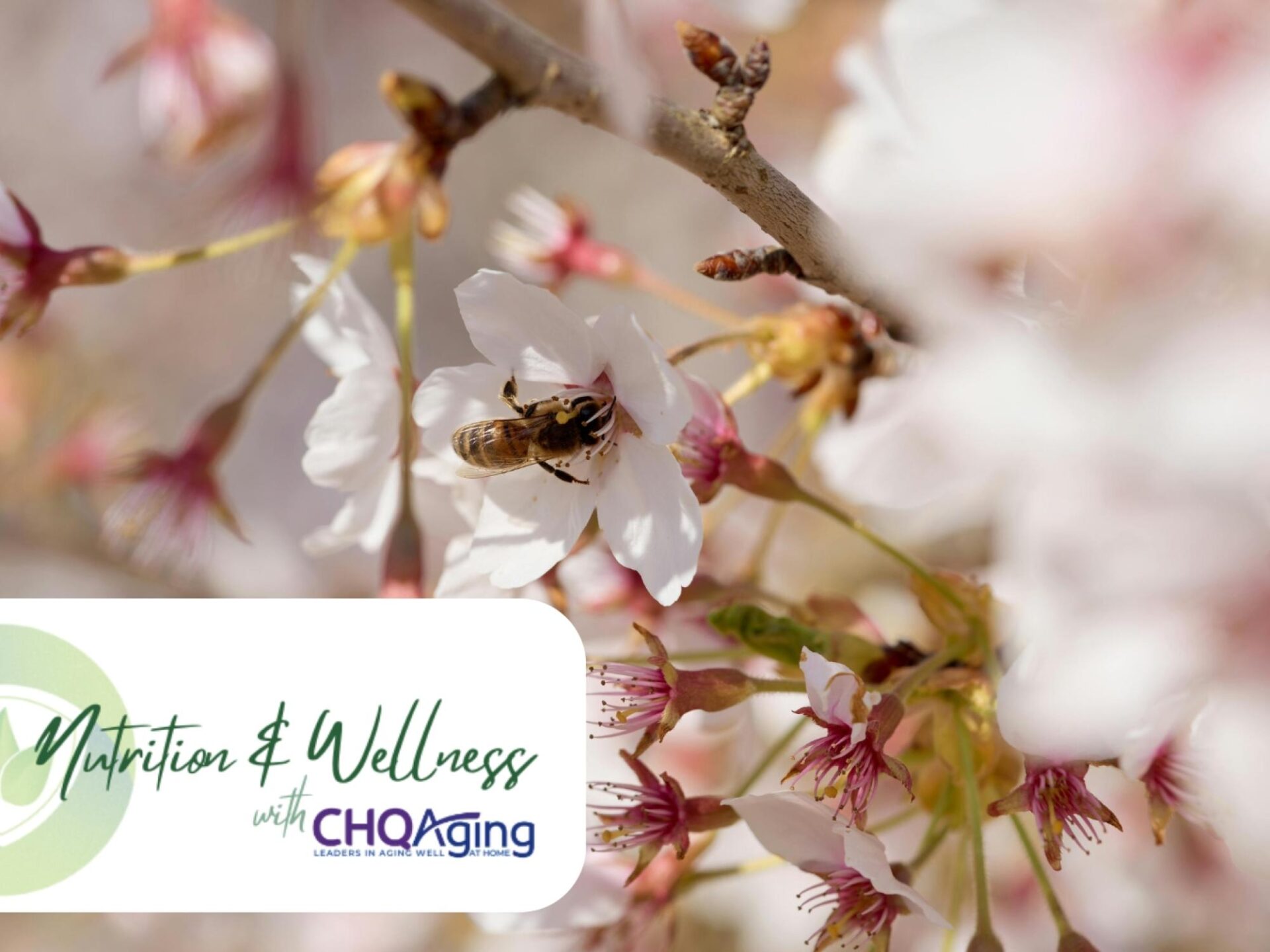
May brings warmer weather, blooming flowers, and for many people, seasonal allergies. Tree and grass pollen are especially high this time of year, and symptoms like congestion, itchy eyes, and fatigue can make it harder to feel your best. While food cannot prevent or cure allergies, a balanced diet can support your immune system and help your body manage inflammation.
Research shows that eating a variety of fruits, vegetables, whole grains, and lean proteins supports overall immune health. These foods provide important vitamins, minerals, fiber, and antioxidants that help protect the body and keep your immune system working the way it should. This is especially important as we age, since immune response can change over time.
Certain nutrients play a key role. Vitamin C helps support immune cells and can be found in strawberries, citrus fruits, bell peppers, and broccoli. Vitamin A supports healthy skin and tissues that protect the body from irritants. Good sources include carrots, sweet potatoes, spinach, and other leafy greens. Omega 3 fatty acids, found in fish, walnuts, and flaxseed, may help reduce inflammation. Foods that support gut health, such as yogurt and fermented foods, may also play a role in regulating the immune system.
Spring is a great time to enjoy fresh, seasonal produce. Foods like spinach, lettuce, asparagus, peas, radishes, and strawberries are often more flavorful and affordable when they are in season. Buying local, when possible, can also support farms in our community and improve access to fresh foods.
Cooking more meals at home is another simple way to support your health during allergy season. Preparing your own food allows you to choose fresh ingredients and limit excess sodium and processed foods. Be sure to wash fresh produce well to remove pollen and other residues. On days when pollen levels are high, keeping windows closed while cooking can also help reduce exposure.
Healthy eating does not have to be complicated. Start small. Add one extra serving of vegetables each day, try a new spring recipe, or swap processed snacks for fresh fruit. Frozen fruits and vegetables are also nutritious, affordable, and easy to use.
If you would like to learn more about healthy eating and aging, talk with your healthcare provider or connect with local programs in your community. You can also contact the Chautauqua County Office for Aging Services to learn about nutrition programs, home delivered meals, and seasonal produce options.
This spring, focus on simple, consistent choices. Small changes can help you feel your best and support your health all season long.
Check out our website at chqgov.com/office-aging to see all the programs and services offered. Additionally, by signing up for our communication system, if you are not already registered, will provide you with information at your fingertips. We send messages about the current programs you may be interested in through your preferred communication method: text, email, or an automated call. If you are not already signed up to receive these messages, just call us at our NY Connects line 716-753-4582.
By making simple and healthy choices on a daily basis, you will be well on your way towards achieving total wellness. We know the healthy choice is not always the easiest choice, but small changes can make a big difference. Chautauqua County Office for Aging Services offers Nutrition & Wellness programs to support you in your journey toward total wellness. Call NY Connects at 716-753-4582 for more details and information about any of the Nutrition and Wellness programs provided by Chautauqua County Office for Aging Services.
SNAP-Ed materials are funded by USDA’s Supplemental Nutrition Assistance Program or SNAP. This institution is an equal opportunity provider. Some of these materials have been funded in whole or in part by grants from the New York State Office for the Aging (NYSOFA), and/ or the Administration on Aging (AOA) and/ or Administration for Community Living (ACL). Nothing herein is intended, nor should be construed, as an endorsement by the State of New York.