





Your support helps us to tell the story
From reproductive rights to climate change to Big Tech, The Independent is on the ground when the story is developing. Whether it’s investigating the financials of Elon Musk’s pro-Trump PAC or producing our latest documentary, ‘The A Word’, which shines a light on the American women fighting for reproductive rights, we know how important it is to parse out the facts from the messaging.
At such a critical moment in US history, we need reporters on the ground. Your donation allows us to keep sending journalists to speak to both sides of the story.
The Independent is trusted by Americans across the entire political spectrum. And unlike many other quality news outlets, we choose not to lock Americans out of our reporting and analysis with paywalls. We believe quality journalism should be available to everyone, paid for by those who can afford it.
Your support makes all the difference.Read more
Losing a job wouldn’t stop almost half of American adults from trying to look and feel good.
Some 46 percent of consumers age 18 and older said they would go into debt to maintain their beauty and wellness routines if they lost their job, according to a March survey by beauty and wellness AI software platform Zenoti.
Respondents are ready to make other sacrifices for self-care, too, including a curtailed social life, delayed vacations, reduced funds for savings and debt repayment.
The survey’s analysis of spending trends found that people would most likely go into debt using credit cards to keep up appearances after a job loss.
Consumer habits indicate that being made unemployed might spur even more beauty spending, the study found. Some 33 percent of respondents said they increased their self-care routines because of workplace stress or burnout.
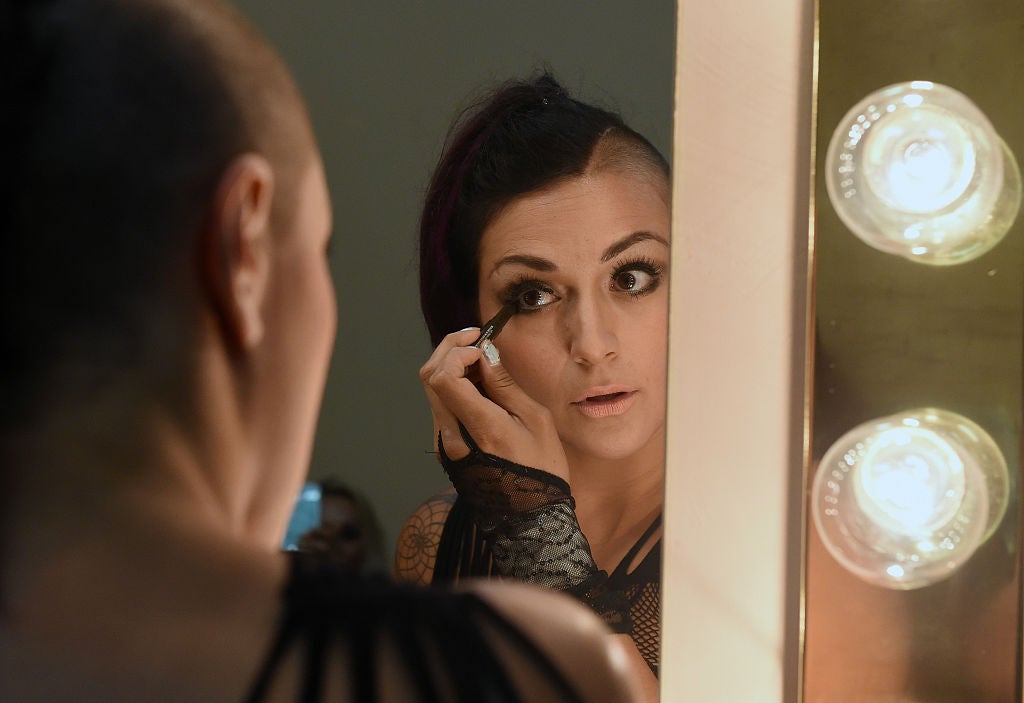 Respondents are ready to make other sacrifices for self-care, too, including a curtailed social life, delayed vacations, reduced funds for savings and debt repayment (Getty Images for LFC)
Loneliness, financial stress and major life transitions – all situations a job loss could create – are among the top reasons why people increase their beauty and wellness spending. But there was one concession: 45 percent of respondents said they would reduce the frequency of beauty appointments.
The study brings into focus the trade-offs that Americans are making as they negotiate rising costs. While many draw the line at self-care, there are other costs they’re willing to sacrifice to steady their finances.
Entertainment is on the consumer chopping block. Around 40 percent of Americans have dropped at least one streaming service over the past three months, according to a study from Deloitte. The average household spends an average of $69 a month on these services, Deloitte noted.
 Restaurants are the most popular area for spending cutbacks as consumers find ways to rein in their finances (AFP/Getty)
Another popular target for spending cuts in the past year is eating out. Some 61 percent of U.S. adults, over age 21, have lowered spending at restaurants, according to a May 2025 study from retail news and analysis firm Chain Store Age. And consumers are making sacrifices in their closets: Just over half (52 percent) say they’ve cut back on clothes and shoe spending.
The cost-cutting reflects a nationwide concern about household finances amid high gas prices and rising inflation.
Consumers are more pessimistic about their financial future today than they were during the Great Recession. Some 55 percent of consumers said their financial situation is getting worse, according to a Gallup poll published Tuesday, compared to 49 per cent in 2008.