




Nicotinamide adenine dinucleotide (NAD+) is so fundamental to human biology that, without it, life would cease within seconds. It helps power energy production in every cell, helps repair DNA and regulates metabolism.
But if you find it difficult to envision what all that means, you’re in good company, because NAD+ is also one of the more complicated supplement ingredient categories to explain to anyone who isn’t already deep in the science.
So why is NAD+ also experiencing explosive growth and showing up on more supplement store shelves, websites and longevity clinics all the time?
Scott Dicker, senior market analyst at SPINS, says the category pulls together themes that resonate with a wide swath of health-conscious shoppers: cellular health, hormonal health, beauty from within, muscle preservation, joint health and cognitive function. In a short time, NAD+ has become a leading light of the so-called “healthspan” trend, which Dicker summed up as: “Living better longer. Not necessarily living longer, but living better for a longer percentage of it.”
The backbone of NAD+’s commercial story is a second biological fact: levels decline as we age. That decline, researchers increasingly believe, is implicated in many of the hallmarks of aging: mitochondrial dysfunction, cognitive decline and reduced physical endurance. It’s a molecule that sits at the intersection of niche biohacker science and most consumers’personal health goals.
NAD+ supplement market trends
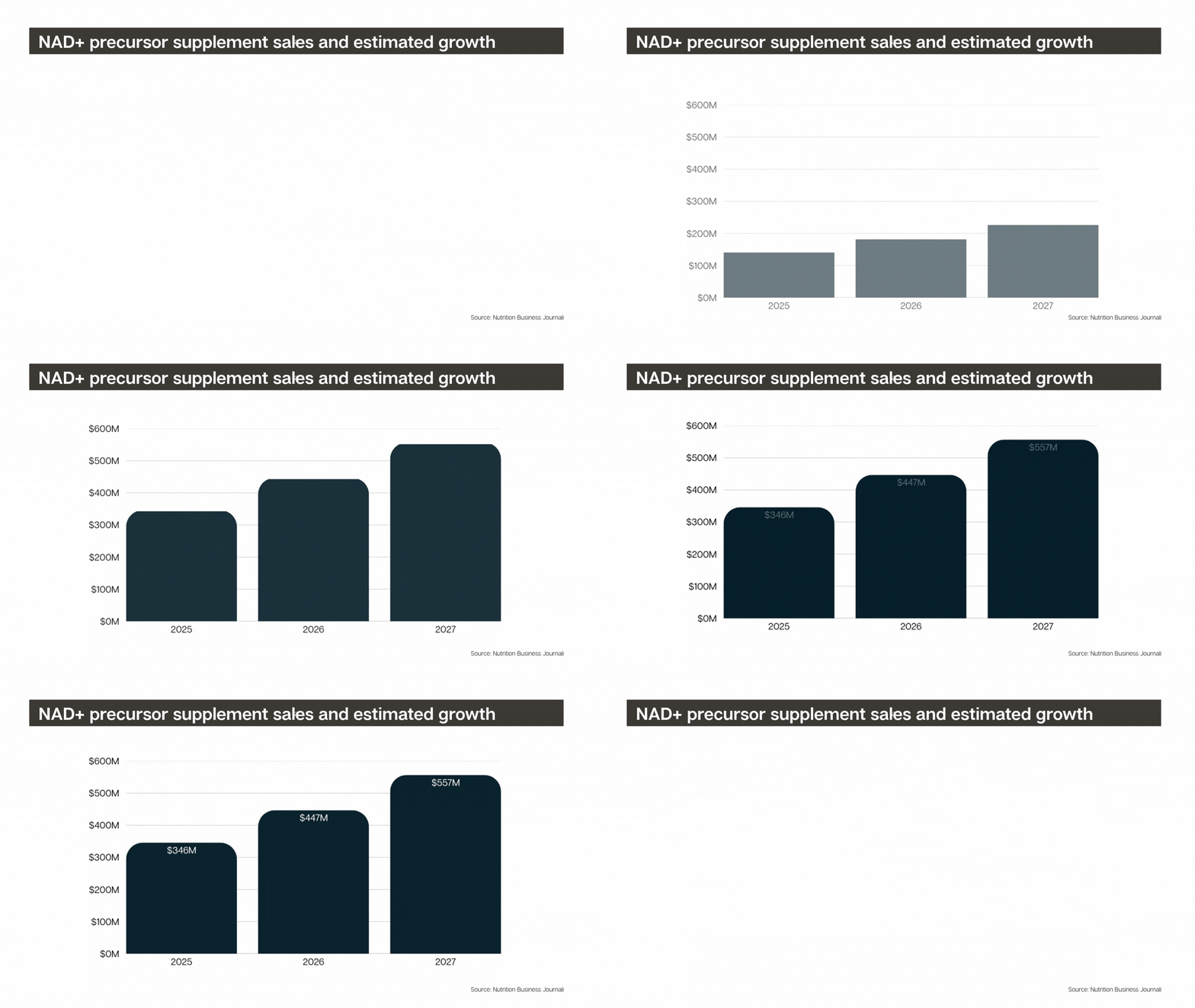
NAD+ precursor supplements generated an estimated $346 million in sales in 2025, according to Nutrition Business Journal, with that figure projected to reach $447 million in 2026 and $557 million by 2027.
Two ingredients dominate the NAD+ precursor market:
Growth rates remain robust: 34.8% in 2025, 29.3% in 2026 and a projected 24.7% in 2027.
Point-of-sale data tells an even more striking story. Dicker reported a 50% year-over-year increase in total NAD and NMN sales, with in-store growth hitting 300% across natural, conventional and convenience channels combined.
“The sales data for NAD and NMN keeps going up, and that’s actually probably a lagging indicator, because a lot of these types of ingredients flourish first online,” he said.
Dicker projected a continued upward trajectory as the category’s potential connection to longevity and cellular health becomes more broadly understood.
Key NAD+ supplement research
The scientific case for NAD+ supplementation has been building for more than a decade, and the pace of research has accelerated sharply. But a major 2026 systematic review published in Ageing Research Reviews offered a reality check to all the breathless marketing hype.
Reviewing 113 eligible studies — 33 human intervention trials and 80 rodent studies — researchers found that oral NR and NMN reliably raise NAD+-related biomarkers in the blood and are generally well tolerated over weeks to months. The harder question is whether that translates into measurable human benefit.
The answer, for now, is: sometimes. Effects on outcomes such as physical performance, metabolic health and vascular function were mixed across trials, often null, and frequently endpoint-specific or population-specific. The review’s authors concluded that larger, longer randomized trials with prespecified clinically meaningful endpoints are still necessary before NAD+ precursors can be considered as “established anti-aging therapies” rather than what they label “experimental adjuncts.” The authors argue that NAD+ augmentation should be marketed as a complement to, not a substitute for, lifestyle interventions with proven benefits: exercise, blood pressure control and diet.
Animal studies tell a more consistently positive story. Across rodent models, NAD+ augmentation was frequently associated with improvements in metabolism, mitochondrial function, inflammation and physical performance. The challenge is that these results have not yet translated uniformly to humans, likely because of differences in model biology, dosing and the complexity of human aging.
One emerging area drawing significant scientific attention for NAD+ is the gut microbiome. Research presented at a recent NAD+ conference in March 2026 at the University of Copenhagen found that most orally supplemented NR or NMN is converted by gut bacteria to niacin before entering the bloodstream.
“Most likely, this translates into some form of ‘slow-release’ niacin supplementation, which in itself may be beneficial,” noted Matthias Ziegler, M.D., Ph.D., a professor of biomedicine at the University of Bergen and a leading NAD+ researcher. “There are also indications that NR/NMN supplementation may improve the quality of the microbiome.”
RELATED STORIES
He believes new formulations could be developed to increase direct uptake of these compounds before the microbiome processes them.
Ziegler also pointed to two persistent clinical gaps: the need to better understand how elevated blood NAD+ levels affect other tissues beyond the blood, and the need for larger human trials. “We are still missing human trials with a high number of participants to document and quantify benefits for healthy individuals and to establish an optimal dose,” he said.
What ingredients support NAD+?
The established precursors: The NAD+ supplement category was built on two primary ingredients: nicotinamide riboside (NR) and nicotinamide mononucleotide (NMN). Both are forms of vitamin B3 that the body converts into NAD+ through its metabolic pathways, and both have been the subject of extensive human clinical research.
NR came first commercially. ChromaDex, which rebranded last year as Niagen Bioscience to better reflect its flagship ingredient, introduced Tru Niagen, which grew into a more than $100 million branded ingredient and helped define the category. NMN entered the mainstream spotlight largely through the work of Harvard longevity researcher David Sinclair, who published research identifying a cellular transporter for the molecule. This 2019 finding addressed earlier skepticism about whether NMN could actually cross cell membranes effectively.
Both ingredients have a well-documented ability to raise blood NAD+ levels in humans. Where the clinical picture gets more complicated is in translating those biochemical gains into consistent beneficial outcomes. That gap is partly what’s driving the next wave of ingredient innovation.

NAD+ has gained attention among longevity-focused consumers, despite limited human trials. Across rodent models, NAD+ supplementation was frequently associated with improvements in physical performance among other benefits.
BluNADBooster: The preservation approach. A new entry to the NAD+ market takes a reverse approach: rather than adding more NAD precursors, it targets the enzymes that deplete NAD+ in the first place. As we age, an enzyme called CD38 becomes increasingly active, consuming NAD+ and driving down its levels. Ziegler likened the body’s NAD+ system to a sink with both a faucet and a drain: “If the drain gets larger over time, simply turning the faucet on higher may not fully restore the level in the tub.”
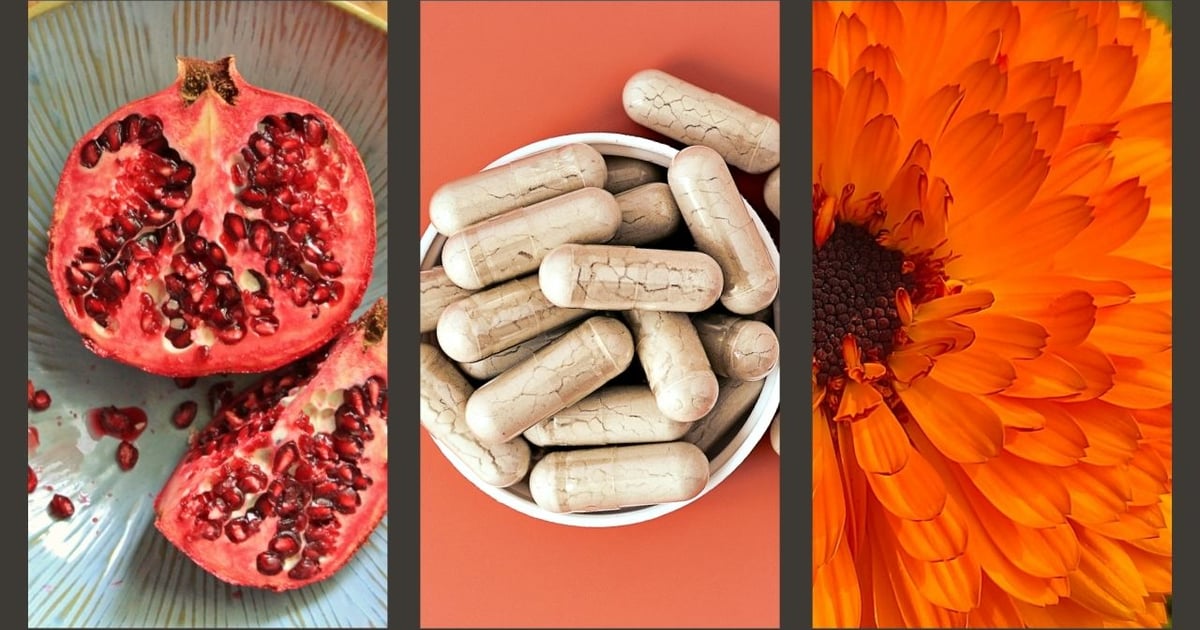
BluNADBooster is a blend of pomegranate (Punica granatum) and Mexican marigold (Tagetes erecta), the result of screening more than 900 plants for CD38-inhibiting activity. A 2025 randomized three-arm clinical trial compared it head-to-head with NR and a combination of both. BluNADBooster reduced CD38 enzymatic activity by 17.98%, with no significant change in the NR group, and raised blood NAD+ levels by 26.48%, versus 22.69% for NR alone. The combination of both ingredients performed best: a 31.76% rise in NAD+ levels, and a 9.94% improvement in 6-minute walk test distance among participants in the combination group.
For formulators, this suggests that pairing a preservation-focused ingredient with a traditional precursor could be a way to create additive benefits neither achieves alone.
Regulatory and compliance considerations
The biggest regulatory story in the NAD precursor category in recent years has centered on NMN’s legal status as a dietary ingredient. After several years of what industry insiders dubbed “the NMN wars,” this saga appears, for now, to have reached a somewhat stable resolution.
The backstory is complicated.
The FDA initially accepted new dietary ingredient notifications (NDINs) from Chinese firms SyncoZymes and Inner Mongolia Kingdomway in 2022, agreeing that NMN met the definition of a dietary ingredient and was safe. Later that year, FDA reversed course, citing evidence that NMN had first been investigated as a drug article. This triggered the drug preclusion clause of DSHEA, which prohibits an ingredient from being marketed as a supplement if it was first developed as a drug.
The clause sparked intense industry debate and big questions about the drug preclusion language in DSHEA. After further reversal and legal maneuvering throughout 2024 and 2025, the FDA sent letters to both Syncozymes and Kingdomway in late 2025 reinstating their NDINs, confirming NMN can remain on the market.
Industry reaction was mixed. The Natural Products Association called it a victory but called for a targeted legislative fix to the drug preclusion clause, which it said has been “inconsistently interpreted and applied.” The Council for Responsible Nutrition was more cautious, noting that FDA’s reasoning leaves similar uncertainty hanging over peptides and other next-generation ingredients.
For NR, the regulatory picture has involved a different kind of scrutiny. The National Advertising Division (or NAD, confusingly enough) challenged claims made by Niagen Bioscience, including “increases in NAD+ levels, organ-specific health benefits, broader vitality and anti-aging claims, cellular-level benefits and consumer-perceptible effects.”
Suffice it to say, marketing language in this category will continue to face scrutiny.
NAD+ formats and innovation
NAD+ supplements have moved well beyond capsules. The market now includes sublingual formats and IV drip clinics in addition to standard oral supplements. This diversity reflects both consumer demand and the practical challenge of delivering NAD+ to the body effectively.
The NAD+ molecule itself is too large to be absorbed orally, which is why precursors like NR and NMN have become the delivery vehicle of choice. IV drips, popularized by celebrity wellness circles, bypass that limitation, albeit at significant cost and on a thin evidence base. The 2026 systematic review found no eligible outcomes trials evaluating IV or intramuscular NAD+ for anti-aging or wellness indications, and included only one that provided safety and biomarker information (increased blood NAD+ levels).
Dicker sees the format proliferation as part of a broader blurring of lines between traditional supplement retail and spa- or clinic-style health services. That said, most current NAD products, he noted, are still single-ingredient formulations. However, that is beginning to change, creating opportunities for ingredients that can demonstrate improved bioavailability or complementary effects.