




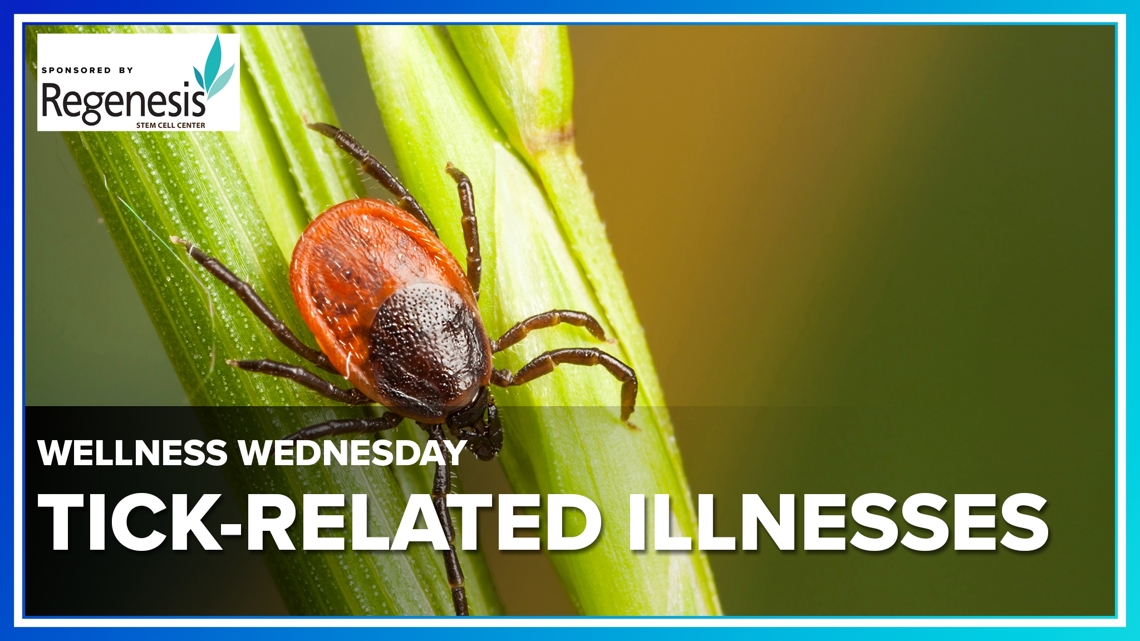
Health experts tell you how to protect yourself from ticks this season.
HUNTSVILLE, Ala. — As North Alabama residents head outdoors to enjoy the spring sunshine, local health experts are issuing a warning about a tiny but significant threat hiding in the grass: ticks.
With temperatures rising, tick populations are surging across the region, bringing an increased risk of tick-borne illnesses. While many associate these pests with deep forests, officials say they are common in wooded and grassy areas.
The Most Common Threat in Alabama
While Lyme disease often dominates national headlines, local experts say Alabama residents should be particularly aware of another illness.
“The most common infection that we see here in and around Alabama is Rocky Mountain Spotted Fever,” says Dr. Ali Hassoun, an Infectious Disease Specialist.
Symptoms typically surface within a week to 14 days after a bite and can include fever, headaches, and a distinct rash. If left untreated, the infection can lead to severe complications, including sepsis or organ failure.
The “72-Hour Window”
Dr. Hassoun emphasizes that if you discover a tick bite, timing is the most important factor in your recovery.
“We advise if you get a tick bite, you should seek attention within 72 hours,” Hassoun said. “You actually can get a single dose of an antibiotic that can prevent some tick-related illnesses.”
If you begin to feel ill weeks after a bite, Alexis Hynes, an epidemiologist, says you should not wait to see a doctor. Early medical intervention is the primary way to avoid long-term neurological issues or respiratory failure.
Prevention Tips from the Experts
To stay safe while hiking or gardening, health officials recommend the following “Wellness Wednesday” tips:
Dress the Part: Wear long sleeves and long pants. Experts suggest wearing lighter-colored clothing to make it easier to spot dark-colored ticks crawling on you.
The “Sock Tuck”: Tuck your pants into your socks to create a physical barrier.
Repellent: Use an EPA-registered repellent containing at least 30% DEET.
Trail Safety: Stick to the center of walking trails and avoid veering off into weedy or bushy areas where ticks “quest” for hosts.
The Post-Hike Check: Perform a full-body tick check on yourself, your children, and your pets within two hours of returning indoors. A warm shower or bath immediately after a hike can also help wash off unattached ticks.