




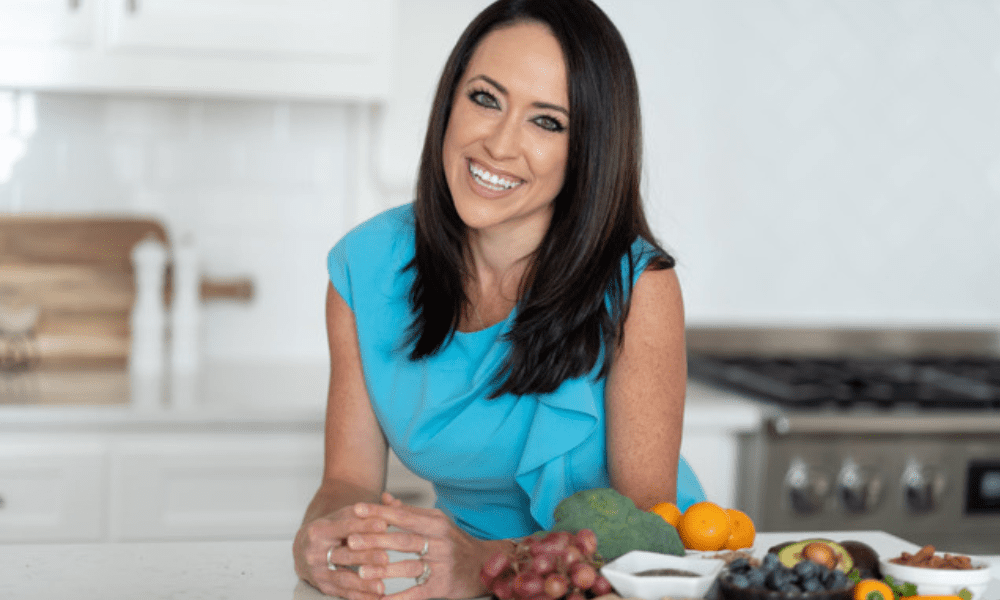
When nutrition gets complicated, Laura Marchese wants patients to know they do not have to sort through food rules, health concerns, and online diet advice alone.
Laura Marchese, MS, RD, LD, owns Nourishing Nutrition Consulting in Peachtree City, where she works with patients on weight management, eating disorders, digestive concerns, kidney disease, blood pressure, heart health, pediatric nutrition, and other medical nutrition needs.
“I take on patients with a wide variety of health concerns,” Marchese said. “I love the challenge of staying clinically informed on medical nutrition therapy for different conditions.”
A science-based approach to food
Marchese is a registered and licensed dietitian, not a wellness influencer or one-size-fits-all meal planner. Her work begins with a patient’s full health picture, including diagnoses, medications, symptoms, history, and goals.
“There are science-backed, evidence-based nutrition solutions to most health challenges,” Marchese said. “There is somebody able to teach you how to better fuel your body for more optimal health, and guide you through those nutrition changes.”
That guidance can look different for every patient. Someone with lactose intolerance may need help replacing nutrients once dairy is removed. Someone with Crohn’s disease or irritable bowel syndrome may need a structured food plan to reduce symptoms without making the diet unnecessarily restrictive.
For patients with long-standing digestive issues, Marchese often uses a structured elimination approach.
“Normally, that involves six to eight weeks of strategic, very intentional eliminations,” she said. “And then once we get to a set point where symptoms are resolved, we’re doing very intentional reintroductions to explore tolerance and keep the diet as least restrictive as possible.”
Eating disorder care includes food support
About half of Marchese’s practice involves eating disorder care, an area she said has high need and limited access.
In those cases, she works as part of a treatment team that may include a therapist, psychiatrist, and physician. Her role is focused on corrective nutrition education, food exposure, and helping patients safely increase nourishment through guided implementation of personalized meal plans.
“So I might have someone that is convinced that all carbohydrates will make them continue to gain weight excessively, or that any carbohydrate intake would make them have excess body fat,” Marchese said.
In those situations, she works through those fears directly, sometimes even during appointments.
“We’re doing food exposure sometimes,” she said. “We might be making progressive challenges with foods, and having them complete those food challenges in the office with me.”
Her goal is not just education, but helping patients rebuild trust in food while protecting their physical health during recovery.
“My first priority is to maximize the amount of nourishment that I can safely get into their body, so their brain chemistry and overall body functioning can begin to improve from head to toe,” Marchese said.
Understanding ARFID and food aversions
Marchese also works with patients who have ARFID, or avoidant restrictive food intake disorder, which is driven more by sensory response than body image concerns.
“They don’t have the same body image fears or concerns,” she said. “But they often have a very visceral reaction to having certain textures or tastes, or may have very little interest in eating at all.”
In some cases, those reactions are tied to earlier experiences, and the body responds with a gag reflex or strong aversion.
To work through that, Marchese takes a gradual, practical approach.
“For example, if I have someone who every time they eat meats, they have a gag reflex, we’re strategizing in that, okay, you’re not ready to eat chicken in its full form yet. But can we put shredded chicken inside of a soup? And then we kind of build momentum from there,” she said.
The goal is to expand the diet over time while maintaining adequate nutrition and reducing fear responses.
“We need to try to break through that and re-teach the brain that these foods are safe,” Marchese said.
Weight loss without generic advice
Marchese also sees patients for weight management, especially when weight loss overlaps with diabetes, kidney disease, high blood pressure, digestive issues, or other health concerns.
Generic diet advice, she said, can create new problems if it does not account for the whole person.
“When I’m providing nutrition advice, it is absolutely tailored to all the factors that make up that person’s health picture,” Marchese said. “It’s not just like, oh, this is how generic person A should lose weight.”
She also works with patients who use GLP-1 medications, helping them manage protein, fiber, meal timing, side effects, and long-term habits.
“The GLP-1 doesn’t take away the necessity of having that healthy diet,” Marchese said. “We all have to eat. Everybody eats. So you want to make sure eating in a way that is optimal for you.”
She noted that even with medication, nutrition still plays a critical role in outcomes and overall health.
A family wellness connection
Nourishing Nutrition Consulting is located across the hall from HealthChoice, the chiropractic and wellness business owned by Marchese’s husband, Dr. Noah Marchese.
The two businesses are separate, but the Marcheses often collaborate when patient needs overlap.
“We’re both very passionate about patient care and addressing all aspects of their health and wellness,” Marchese said. “We decided to have businesses across the hall from each other so we could collaborate and provide a more comprehensive array of services to help patients reach their goals.”
Nourishing Nutrition Consulting is located at 14 Eastbrook Bend, Suite 204, in Peachtree City. Appointments are by appointment only, generally available during the 8 a.m. to 5 p.m. range.
Patients may schedule online at nourishingnutritionconsulting.com or call 470-467-8273. Marchese accepts Aetna, Anthem, Blue Cross Blue Shield, United Healthcare, and Medicare. Self-pay rates are $175 for an initial appointment and $150 for follow-up visits.