



The 9 Best Fitness Trackers, Tested By EditorsJustin Steele – Hearst Owned
“Hearst Magazines and AOL may earn commission or revenue on some items through these links.”
The last decade has brought a wave of new watches focused on balance and overall health, with so many ingenious features that they’re essentially a life coach, personal trainer, and computer all-in-one: the almighty fitness tracker. While initially they might have felt like just a high-tech accessory, they are a powerful gadget for anyone looking to keep tabs on their fitness levels, sleep health, and overall well-being.
“I recommend fitness trackers to my clients because they help us to recognize daily trends in movement, which is vital when working towards a specific fitness goal,“ says Almoni Ellis, C.S.C.S., a personal trainer based in Chesapeake, Virginia, noting that it’s also beneficial to observe clients’ heart rates while at rest and during exercise.
Meet The Experts: N’Namdi Nelson, CSCS, is an exercise physiologist at the NYU Langone Sports Performance Center. Almoni Ellis, CPT, CES, PPSC, is an exercise science professional based in Virginia.
N’Namdi Nelson, C.S.C.S., a senior exercise physiologist at the NYU Langone Sports Performance Center, agrees. “I would recommend fitness trackers to patients as they are relatively accurate in obtaining baseline measures,” he says. He also notes that they’re great at reminding you to do daily health tasks like drinking water, “which is essential to performance and assists in normalizing blood pressure.”
Overall, they’re a great tool for tracking fitness data. But the real question is: Which one is right for you? With so many high-tech features, shopping for one can be almost as confusing as shopping for walking shoes, an under-desk treadmill, or a weighted vest. That’s why our team of Women’s Health editors and in-house fitness enthusiasts put a handful to the test to help you figure out which tracker is right for you. But first, it’s important to figure out which features, such as a heart rate monitor and sleep tracking, are right for you, along with watch face and strap size, battery life, and warranty.
We decided on the models below as our picks for the best fitness trackers worth buying in 2026. Ready, set, track.
Best Fitness TrackersAre the best fitness trackers accurate for tracking vital health metrics?
Based on his research, Nelson says that wrist-based fitness trackers are “relatively accurate in measuring number of steps, distance, sleep duration, and heart rate.” One caveat, however, is that they tend to overestimate total energy expenditure during low-intensity aerobic workouts and underestimate it during high-intensity workouts. For the most accurate measurements, it’s best to consult with a fitness professional.
What To ConsiderHeart rate monitor
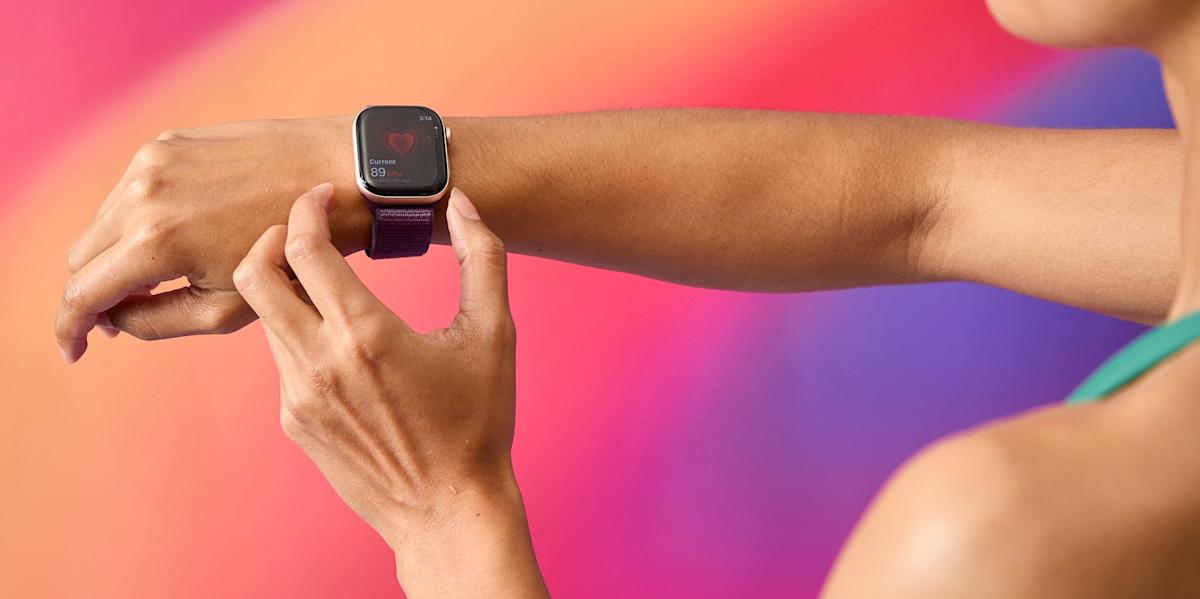
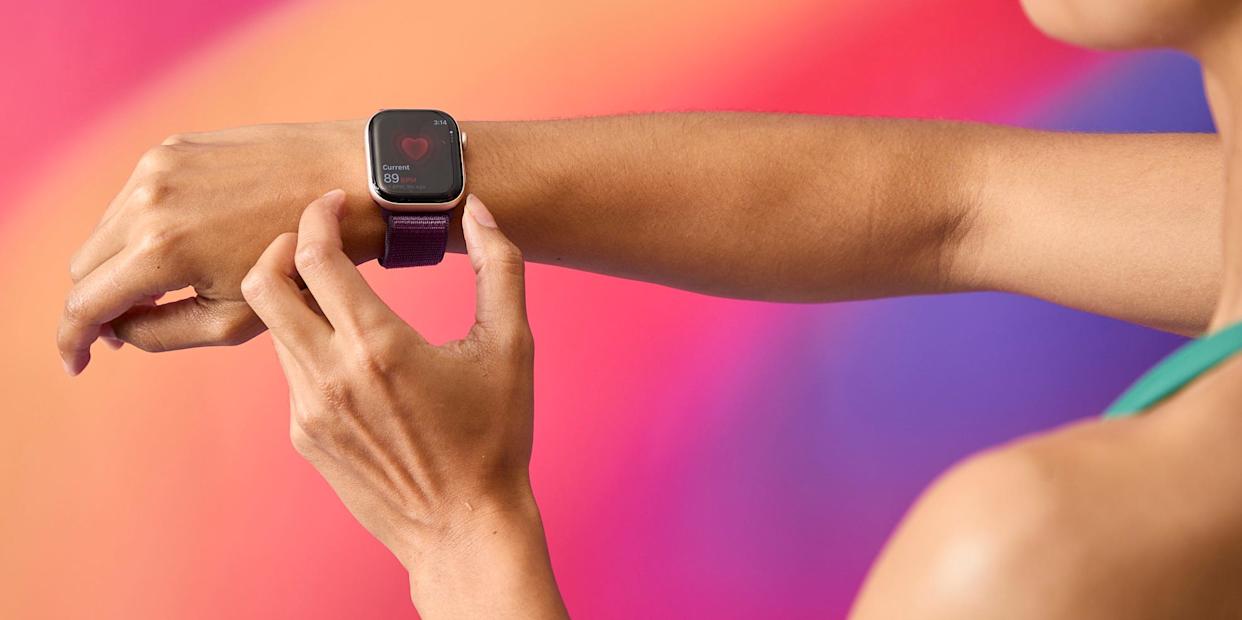
Nelson says the most important feature of any fitness tracker is a good heart rate monitor, whether you’re a hardcore athlete or a workout noob. “This feature can be used to dictate the rate of perceived exertion (RPE), which is important for exercise intensity,” Nelson says. “Identifying your resting heart rate is important as it’s a marker of cardiovascular fitness because it can give you a better sense of what your maximal heart rate is, which would be more accurate than using prediction formulas.” While a fitness tracker isn’t as accurate as a chest strap, it still provides a good look at your exertion levels for moderate to intense activities, according to a 2019 study by Cardiovascular Diagnosis & Therapy.
Sleep tracker
Nelson also likes to track his sleep with a fitness tracker, since sleep is the main way our bodies recover. Being aware of your sleep habits and behaviors can shed light on how you feel the next day. For context, most trackers analyze sleep cycles, trends, and needs.
Size and weight
Weight might not seem like a big deal, especially when you consider the small difference between a featherweight option like the Fitbit Charge 6 (30 grams) and a “bulkier” one like the Coros Pace 3 (39 grams). But when you’re wearing your fitness tracker all day, a heftier model becomes a lot more noticeable than you’d expect.
There is no best size when it comes to fitness trackers, as it comes down to the types of activities you’re most likely to use yours for. For outdoor enthusiasts into running, hiking, and trail running, we suggest prioritizing durability over a minimalist design. If you’re looking for a fitness tracker for everyday wear, walking, strength training, or mostly indoor activities, you might appreciate a lightweight design. But, of course, it all comes down to personal preference and what feels best for your wrist size.
Battery life
Many of the best fitness trackers can run for days or even weeks on a single charge, such as the Garmin Vivioactive. Charging every few days can be a nuisance, which is why most of the fitness trackers we recommend have a solid battery life of at least a week. But battery doesn’t always equate to quality, given that something like the Apple Watch Series 10 needs to be charged every day for optimal use.
Warranty
A fitness tracker is an investment, so considering whether a warranty is offered by the manufacturer is valid. Most top brands offer at least a one-year limited warranty that covers defects in materials and workmanship, but some go the extra mile with extended warranties or options for additional coverage at purchase. Having a reliable warranty can provide peace of mind, especially if your fitness tracker encounters issues with the screen, battery, or sensors. Be sure to check what’s included—and more importantly, what’s not—before making your final decision. A strong warranty is especially valuable if you’re opting for a pricier model or planning to use your tracker intensively.
Ease of use
As with all tech, you want a fitness tracker that’s easy to use. For Ellis, this is among the top three most important considerations, and it makes sense. Because if your new tracker isn’t intuitive to set up or use daily, you’re far less likely to use it consistently. Ultimately, the only way to know for sure is to try it out yourself to see if it works for you. That’s another reason why it’s smart to buy a fitness tracker with a generous return policy!
How We Selected
I, along with other Women’s Health and Men’s Health editors, have tested dozens of the latest fitness trackers over the last year while running, walking, strength training, hiking, and just during everyday life. We compared every feature and spec, from durability and wearability to features and accuracy. Additionally, we also consulted with fitness experts Ellis and Nelson to get their professional opinions on why you should buy a fitness tracker and what to look out for. Whether you’re an athlete serious about training or seeking one for daily recreational use, there’s definitely a model we tested that fits your needs.
*Additional reporting by Jennifer Nied.
More Fitness Gear We Love
Best Sleep Trackers | Best Portable Home Gyms | Best Compact Home Gym Equipment | Best Ab Machines | Best Resistance Bands | Best Folding Treadmills | Best Ellipticals | Best Adjustable Dumbbells | Best Walking Shoes | Best Weighted Vests | Best Running Shoes | Best Cross Training Shoes
You Might Also Like