



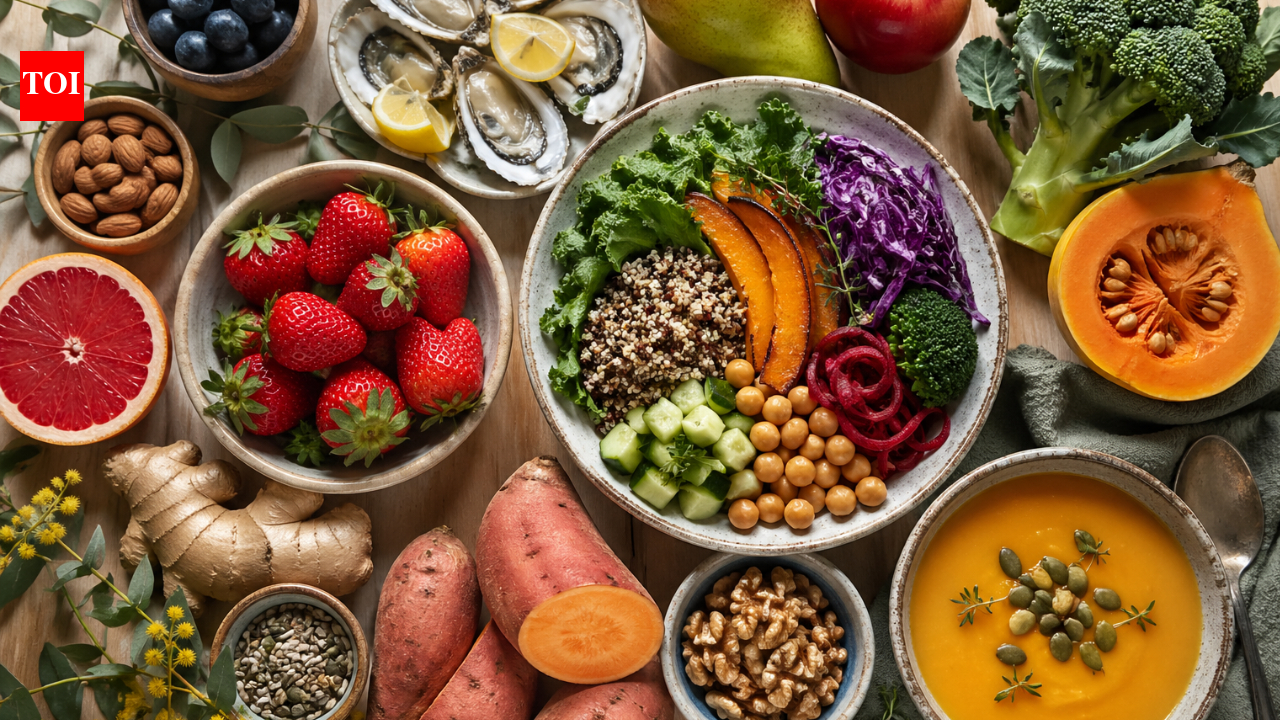
 The month of May is the end of autumn in Australia and with that change of season comes a discernible difference in what is naturally present. Produce is densified, less vigorous, and tends to be more nutritious, particularly root vegetables and citrus.In Australia, May is a seasonal month of eating because of the harvests in late autumn in areas such as New South Wales, Victoria and some parts of South Australia, which is characterized by citrus, root vegetables and leafy greens dominating in the local markets in the season.Nutritionists are inclined to underline that seasonal consumption is not about being fresh, but about timing of nutrients. Fruits and vegetables grown under their natural cycle will tend to contain high levels of vitamins and antioxidants.
Citrus fruits are in-season and they are significant to immunity
Oranges, mandarins and grapefruits are in peak in May. Citrus fruits contain some of the highest amounts of vitamin C, which aids in immune system and helps the body absorb iron. This occurs particularly during colder seasons when respiratory infections are more likely to occur.Flavonoids are also found in citrus that are in-season; they have been linked to reduced inflammation and vascular health.
The greens contain more nutrients in the cooler months
Vegetables that grow more slowly in the autumn (kale, spinach and silverbeet) have their nutrient composition affected.The amounts of certain antioxidants present in the leafy greens can be increased by reducing the temperatures of growth. These vegetables contain folate and iron which also help in production of red blood cells and energy levels.This renders them quite handy when the daylight time is reduced and fatigue becomes more prevalent.
Root vegetables support sustained energy, not just fullness
The most common autumn crops are carrots, sweet potatoes and beetroot.These vegetables include complex carbohydrates and fibre instead of refined carbohydrates. These foods help to release glucose more slowly, which supports the maintenance of the constant level of energy instead of high peaks and drops.Nitrates, studied to enhance blood flow and cardiovascular performance, are also found in beetroot.
The cruciferous vegetables assist the body in adapting to changes of the season
In May, broccoli, cauliflower and cabbage are readily available.Such vegetables have compounds such as glucosinolates that studies have attributed to the natural process of detoxification in the body.They also contain vitamin K and fibre that help in maintaining bone health and digestion.
It is not only variety that is important in seasonal eating
What is unique about May produce is not necessarily the produce itself, but rather how it fits the body and what the body prefers.The colder the weather, the higher the demand is on the immune support, stable energy, and nutritious foods. Seasonal farm products are a natural fit to that need, requiring no significant changes in diet.May is not the time to introduce new foods but to adapt to what is already in season. And when that alignment occurs, the benefits are likely to follow without much input.