




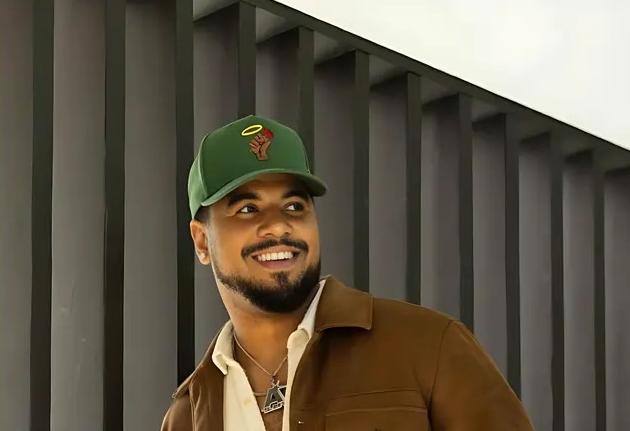
 Julian Horton sits on a wooden staircase wearing a green cap, brown jacket, and light jeans. Courtesy Photo
That philosophy became essential as Horton navigated the unpredictable rhythm of the entertainment industry. Auditions were inconsistent. Opportunities were scarce. The timeline did not match the expectations he once had for himself.
“You start realizing you’re not in control of everything,” he said. “Once I let that go, the pressure started to lift.”
Still, letting go did not mean slowing down.
Horton’s path included everything from driving Uber to working retail jobs, all while continuing to train, audition, and build his craft. That grind, he says, was never something he resisted.
“I never had pride about working,” he said. “I needed to live, and I needed to build. That’s just part of the journey.”
It is a mindset that mirrors the themes of “Beauty in Black,” a series centered on power struggles, survival, and the hidden costs of ambition. Horton’s character, Roy Bellarie, is far from heroic, but that complexity is part of the appeal.
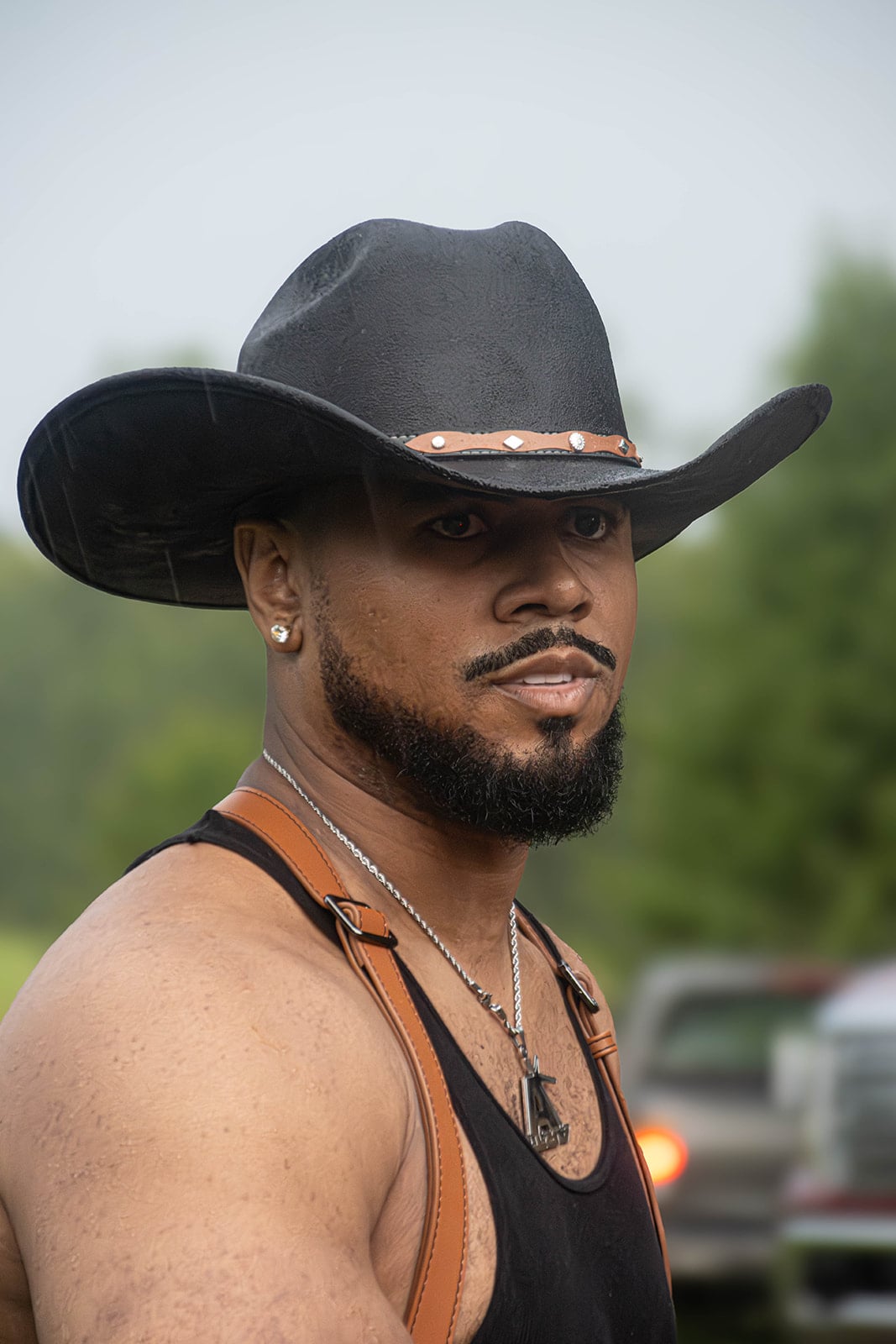 Julian Horton in character wearing a black cowboy hat and leather harness. Courtesy Photo
The series has become a major draw for audiences, continuing to build momentum as part of Tyler Perry’s expanding slate of streaming content.
For Horton, the visibility is welcome, but it is not the destination.
“We live in a world where everything feels like a popularity contest,” he said. “But I don’t care about that. I just want to be respected for what I do.”
That focus on craft over clout extends beyond acting. Horton is also a musician and producer, using music as a space for creative freedom and emotional exploration.
“With acting, the character is already written,” he explained. “With music, you can create anything. You don’t know where it’s going to go. That’s what makes it special.”
Music has even become a tool in his acting process.
“I used to train my emotions with music,” he said. “Certain songs would help me tap into different feelings faster. That helped me grow as an actor.”
At the center of everything is a belief system that Horton describes not as religion, but as relationship.
“God is like my spiritual coach,” he said. “Even when I mess up, I know I can go back and get realigned. That foundation is everything.”
 Julian Horton stands near a staircase wearing a green cap, brown jacket, white shirt, and light jeans. Courtesy Photo
It is also the message he hopes others take from his journey.
“Focus and belief,” he said. “That’s what it comes down to. The distractions are always going to be there, but if you really want something, you have to lock in.”
At the same time, Horton does not pretend that advice alone is enough.
“Sometimes people have to go through things to understand,” he said. “Life teaches you in ways words can’t.”
As his career continues to rise, Horton is not chasing validation. He is building something more intentional.
“Greatness and resilience,” he said of what he wants his name to represent. “You can’t let fear stop you. You only get one life, so you’ve got to go for it.”
For Julian Horton, success is not defined by the spotlight. It is defined by what he does once he steps into it.
From the column: Black in the Green RoomBy Keith L. Underwood – Follow: @mrkeithlunderwood (IG), @blackinthegreenroom (IG), YouTube, TikTok, and Facebook
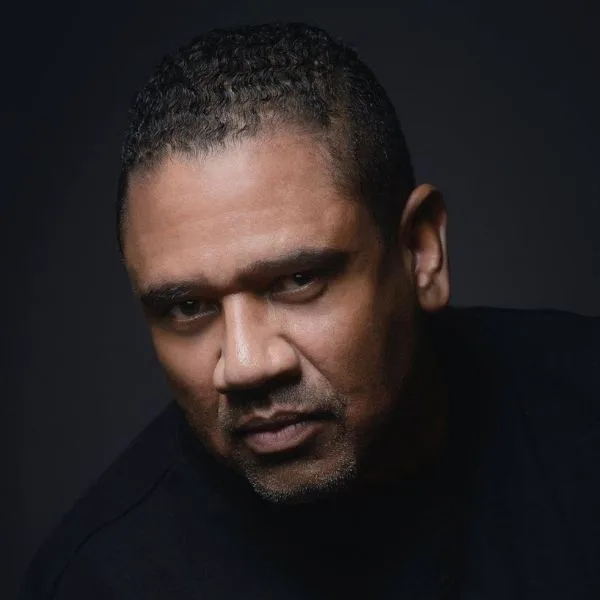 Entertainment journalist and media host Keith L. Underwood.
Keith L. Underwood is a writer, producer, director, and former celebrity publicist whose work explores the intersection of Black culture and entertainment. He is the creator and host of Black in the Green Room, a syndicated column and radio series spotlighting Black creatives in television, film, theater, and music. The column runs weekly in the Los Angeles Sentinel, and the companion radio show airs on KBLA Talk 1580. The series can be seen on YouTube (@blackinthegreen) and heard across most major podcast platforms. You can also follow Keith on Instagram (@mrkeithlunderwood), TikTok, and Facebook (@keithlunderwood).